
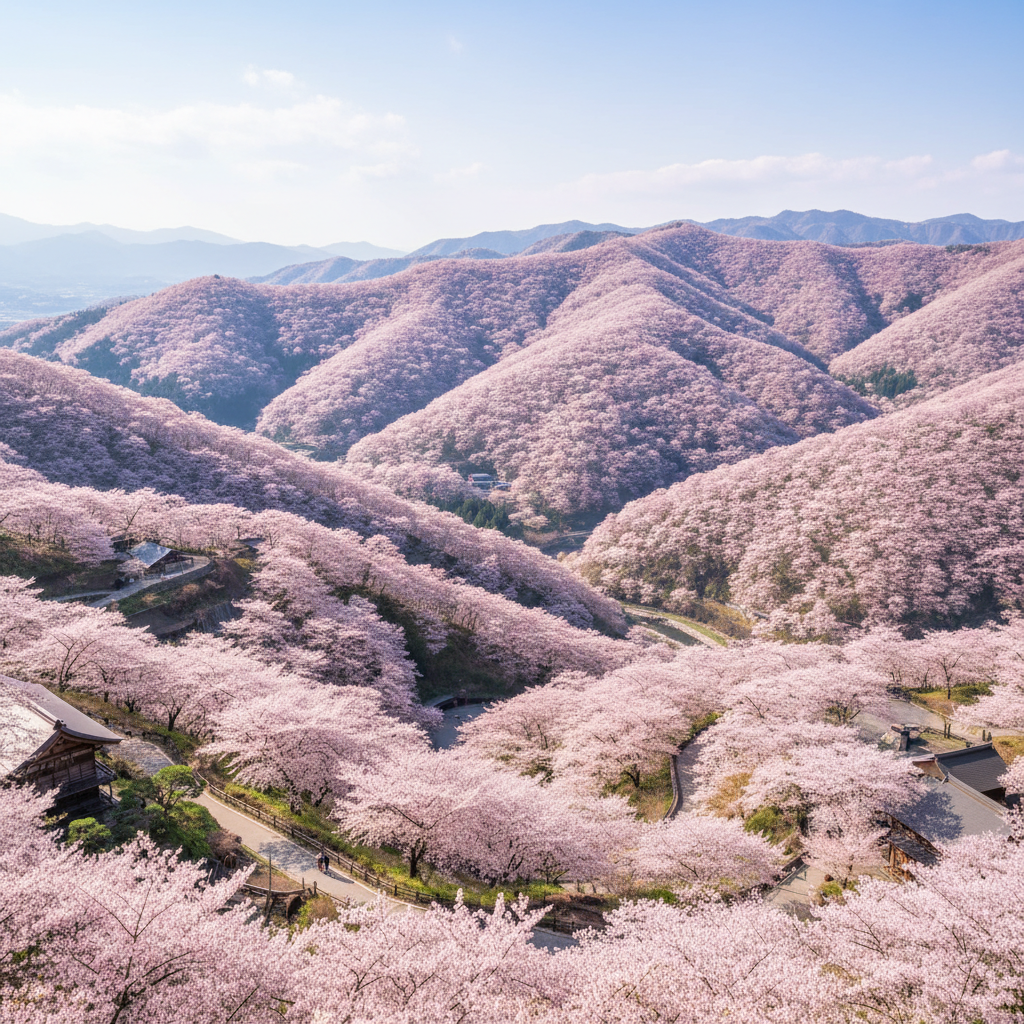
Yoshino-yama, Cherry Blossoms, Senbonzakura, Nara, Cherry Blossom Drive - The Philosophy of Driving in Japan
For years, my life revolved around the rhythmic clatter of steel wheels on rails, the precise timings, and the predictable routes of Kintetsu trains. I knew every curve, every station, every hidden tunnel. It was a world of efficiency, punctuality, and immense beauty, connecting people across the vibrant Kansai region. Yet, even as a conductor, I harbored a secret yearning, a deeper understanding that the true, untamed heart of Japan, its most breathtaking vistas, and its most intimate cultural nuances, lay just beyond the reach of the train tracks. This, my friends, is the philosophy of driving in Japan, a philosophy best embraced with a roaring JDM machine like the Toyota 86.
Osaka, a city of boundless energy and a perfect launchpad for any adventure, offers an unparalleled advantage for the intrepid traveler: unparalleled access to Japan’s hidden gems. While the Shinkansen and local lines efficiently whisk you between major cities, they often bypass the very essence of what makes Japan truly magical. Think of the winding mountain roads that reveal ancient villages clinging precariously to steep slopes, the remote shrines nestled in ancient forests, or the coastal drives that unveil an endlessly changing panorama of the Pacific. These are the arteries of what I call 'Secret Japan' – places not listed in every guidebook, not teeming with selfie-stick-wielding crowds, but offering genuine, soul-stirring experiences.
Why a car? Because it grants you absolute freedom, an unbridled spontaneity that no timetable can replicate. Picture this: you're cruising along a serene country road, the sun glinting off the polished hood of your 86, the precise symphony of its engine note filling the cabin. Suddenly, a small, unassuming sign catches your eye, pointing down a narrow lane towards something intriguing. On a train, you'd merely glide past, a fleeting glimpse. In a car, you can turn, explore, discover. This is the difference between observing Japan from a window and truly immersing yourself within its intricate tapestry.
Kansai, with Osaka as your starting point, is a driver's paradise. Within just a few hours, you can transition from the urban sprawl into lush bamboo groves, ancient temple complexes, serene lakes, and, most majestically, the ethereal peaks of Yoshino-yama. Public transport excels at connecting major nodes, but it forms an invisible barrier to the truly off-the-beaten-path experiences. It’s like being invited to a grand feast but only allowed to sample the appetizers. With a car, especially a performance-oriented JDM legend like the 86, you’re not just attending the feast; you’re the chef, choosing your ingredients, crafting your own unique culinary masterpiece of exploration. The rhythmic pulse of the engine becomes your personal soundtrack, the perfectly balanced chassis an extension of your will as you navigate the nuanced topography of this ancient land. This is not just travel; it's an adventure, a communion with Japan that transcends the ordinary, pushing beyond the conventional to reveal a Japan few ever truly experience.
Yoshino-yama, Cherry Blossoms, Senbonzakura, Nara, Cherry Blossom Drive - The 2-Day Itinerary: Deep Dive
Prepare yourself. This isn't just a trip; it's an odyssey, a meticulously crafted two-day pilgrimage into the heart of Japan's most spectacular spring phenomenon, the ethereal bloom of Yoshino-yama. Forget the packed tour buses and the confines of rail schedules. We’re embarking on an unparalleled journey, a sensory explosion fueled by the spirit of adventure and the precision engineering of a Toyota 86. From the bustling streets of Osaka, we will trace a path through history and natural grandeur, culminating in the otherworldly spectacle of Senbonzakura – the 'Thousand Cherry Trees' – that blanket Yoshino-yama in a painter's dream.
Day 1: Osaka to the Cherry Blossom Paradise of Yoshino-yama
08:00 AM – The Osaka Departure: A JDM Awakening
The morning air in Osaka still holds a hint of the city’s nocturnal energy, but a different kind of anticipation hums. You’re standing beside your chariot: a gleaming Toyota 86 (or its twin, the Subaru BRZ), its athletic lines promising an engaging drive. The low growl of its 2.0-liter boxer engine as it rumbles to life is pure poetry, a promise of the winding roads ahead. We’re leaving the urban labyrinth behind, setting our sights south towards the ancient province of Nara. The initial stretch involves navigating Osaka’s urban expressways, a masterclass in Japanese road infrastructure. You’ll feel the responsive steering of the 86, its precise nature making light work of lane changes and gentle curves. The journey itself begins to unfold as an experience, not just a means to an end.
08:30 AM – Highway Symphony and the Gateway to Nara
As we merge onto the Hanshin Expressway and then transition to the Minami-Hanna Road and ultimately the Kashiwara Bypass, the city gradually recedes into the rearview mirror. The concrete canyons give way to more open vistas, the occasional glimpse of distant mountains hinting at the topographical drama to come. The 86 settles into a confident cruise, its engine maintaining a steady, reassuring thrum. This isn't about raw power; it's about balance, feedback, and the sheer joy of a well-engineered machine responding to your every input. The journey through the flat plains of Nara begins, offering a serene transition before the mountains call.
09:30 AM – Rural Nara Unveiled: The Roads Less Traveled
Leaving the major arteries, we delve into the secondary roads of Nara Prefecture. This is where the true charm of a self-driven adventure begins to bloom. The landscapes shift from industrial fringes to tranquil agricultural lands, rice paddies stretching out under the broadening sky, interspersed with traditional farmhouses and small, unassuming shrines. The roads here are narrower, more intimate, demanding a heightened sense of connection with your 86. The steering provides exceptional feedback as you navigate gentle bends, the suspension soaking up minor imperfections with a composed grace. The air here smells different – cleaner, fresher, carrying hints of damp earth and distant forests. Keep an eye out for local vendors selling freshly harvested produce; these are the roadside treasures that public transport travelers miss.
10:30 AM – The Ascent Begins: Winding Towards Yoshino
As we approach the Yoshino region, the terrain begins its dramatic transformation. The roads, now more frequently shaded by towering cedars and ancient cryptomerias, start to snake and climb. This is where the 86 truly comes alive. The precise short-throw shifter of the manual gearbox, if you’ve chosen one, becomes an extension of your will, downshifting effortlessly as you approach tight hairpin turns, the engine rev-matching with an almost instinctive grace. The sensation is exhilarating: a dance between driver, machine, and the challenging topography. Each bend reveals a new vista, a deeper sense of anticipation for the floral spectacle ahead. These aren't just roads; they're an experience, a prelude to the main event.
11:30 AM – Yoshino Town & Lower Senbon: The First Blush
Finally, we arrive at the base of Yoshino-yama, the charming town of Yoshino. Parking here requires strategic planning, especially during peak season, but the reward is immediate and profound. The air is now charged with the sweet, delicate fragrance of cherry blossoms. As you step out of your 86, the world around you explodes in a symphony of pinks and whites. This is Shimo-Senbon (Lower Senbon), the first tier of Yoshino-yama’s legendary blossoms. Hundreds, if not thousands, of cherry trees cascade down the lower slopes. Historically, Yoshino-yama has been revered for its sakura since ancient times, particularly by spiritual figures like En no Ozunu, the founder of Shugendo, who planted cherry trees here, dedicating them to Zao Gongen, the main deity of Kinpusen-ji Temple. The geological foundation of Yoshino is primarily granite, contributing to its rugged, dramatic landscape, which in turn creates ideal conditions for the unique, tiered bloom of the cherry trees.
Take your time strolling through the lower paths, letting the sheer volume of blossoms wash over you. The delicate petals drift like pink snow in the gentle breeze, creating an almost surreal atmosphere. Stop at a local shop for a 'kuzu mochi' (arrowroot cake), a local specialty, its subtle sweetness complementing the visual feast. The sound of distant temple bells, interwoven with the soft murmur of visitors, creates a meditative calm even amidst the visual splendor.
01:00 PM – Lunch with a View: Yoshino’s Culinary Delights
For lunch, seek out one of the traditional eateries nestled along the main path. Yoshino is renowned for its 'kakinoha-zushi' – sushi wrapped in persimmon leaves. The leaves impart a subtle, earthy fragrance to the vinegared rice and cured mackerel or salmon, a perfect representation of local flavors. Pair it with a steaming bowl of 'nyumen' (warm somen noodles) with wild mountain vegetables. The flavors are clean, delicate, and deeply rooted in the region's natural bounty. Imagine savoring these exquisite tastes, surrounded by walls of pink blossoms, the hum of conversations punctuated by the occasional delighted gasp at the scenery. It’s not just food; it’s a connection to the land and its centuries-old traditions.
02:00 PM – Naka Senbon: The Heart of the Bloom
After lunch, continue your ascent towards Naka-Senbon (Middle Senbon), often considered the most picturesque section. This area is home to Kinpusen-ji Temple, a UNESCO World Heritage site and the most important temple of Shugendo. The massive Zao-do Hall, its imposing timber structure reaching towards the heavens, stands in stark contrast to the ephemeral beauty of the surrounding blossoms. Spend time exploring the temple grounds, where ancient cherry trees, some hundreds of years old, stand sentinel. The vibrant vermilion of the temple buildings against the backdrop of white and pink blossoms is a photographer's dream. The air is thicker here with the floral scent, and the sheer density of trees creates a mesmerizing tunnel of petals.
03:30 PM – Kami Senbon: The Upper Reaches and Panoramic Vistas
Pushing higher, we reach Kami-Senbon (Upper Senbon). The views from this elevation are simply breathtaking. From here, you can gaze down upon the undulating waves of cherry blossoms that stretch across the mountainside, a tapestry of white, pink, and verdant green. It's a vista that perfectly explains the 'Senbonzakura' moniker – a thousand trees, yes, but in reality, tens of thousands. Visit the Yoshimizu-jinja Shrine, another World Heritage site, famous for its association with Emperor Go-Daigo and Toyotomi Hideyoshi, who held an extravagant cherry blossom viewing party here. The small garden offers a sublime vantage point over the Middle Senbon area. The wind whispers through the branches, carrying a faint, resonant echo of history, mingling with the rustling of leaves and petals.
05:00 PM – Checking into a Ryokan: Yoshino’s Serene Evening
Descend slightly to your pre-booked ryokan or traditional guesthouse. Yoshino offers several exquisite options, many with views of the cherry blossoms from their rooms. The warmth of Japanese hospitality, the tranquil decor, and the promise of a traditional multi-course 'kaiseki' dinner await. The sound of water gently flowing in a small garden, the soft light of a paper lantern – these details underscore the serenity of a Japanese evening.
07:00 PM – Kaiseki Dinner: A Culinary Journey
Indulge in a kaiseki dinner, a multi-course culinary art form. Each dish is a miniature masterpiece, showcasing seasonal ingredients, artistic presentation, and delicate flavors. Expect local mountain vegetables, freshwater fish, perhaps a tender cut of local beef, all meticulously prepared and served. The quiet elegance of the dining experience, the exquisite ceramicware, and the gentle conversation deepen your appreciation for Japanese culture. Savor the delicate sweetness of sake, a perfect accompaniment to the meal, reflecting the pristine waters of the Yoshino region. The interplay of taste, texture, and aroma is an experience as rich and complex as the history of Yoshino itself.
09:00 PM – Night Sakura and Stargazing: Yoshino’s Quiet Magic
If available and weather permitting, a walk to view the 'yozakura' (night cherry blossoms) is highly recommended. Illuminated by subtle lights, the blossoms take on an entirely new, almost mystical quality, their forms softened, their colors deepened. The cooler night air carries the intensified fragrance of the flowers. Away from the city lights, the sky above Yoshino-yama can be remarkably clear, offering a canvas for countless stars. Standing beneath a canopy of illuminated cherry blossoms, with the vast expanse of the cosmos above, provides a moment of profound tranquility and connection, a perfect conclusion to an exhilarating day.
Day 2: Oku-Senbon, Hidden Paths, and the Return Journey
08:00 AM – Morning Mist and Oku-Senbon Exploration
Awake early to the serene quiet of Yoshino. The morning mist often lends an ethereal quality to the mountain, softening the contours of the distant peaks and making the blossoms appear even more dreamlike. After a traditional Japanese breakfast at your ryokan, it’s time to venture further up, to Oku-Senbon (Inner Senbon). This is the highest and most secluded part of Yoshino-yama, often less crowded and offering a different, wilder kind of beauty. The trees here, blooming later due to the higher altitude, ensure that even if the lower blossoms have passed their peak, Oku-Senbon will still be a spectacle.
Drive your 86 up the narrow, winding mountain roads towards Kinpu Shrine and Saigyo-an Hut. The higher elevation offers exhilarating stretches of road that truly test the car's balanced chassis and responsive steering. Each twist and turn of the road is met with enthusiasm by the 86, the engine singing through the gears as you climb. The air here is crisp, invigorating, carrying the scent of pine and damp earth mixed with cherry blossoms. This drive is a reward in itself, a perfect synergy between the machine and the magnificent natural environment.
09:00 AM – Kinpu Shrine and Saigyo-an Hut: Poetic Solitude
Kinpu Shrine, a World Heritage site, sits majestically amidst towering cedars, offering a sense of ancient power and tranquility. Nearby, the humble Saigyo-an Hut evokes the spirit of the poet-monk Saigyo, who famously retreated here to compose poetry inspired by Yoshino's cherry blossoms. Imagine him, centuries ago, gazing upon these very slopes, moved by the fleeting beauty of life. The quiet solitude here is profound, a stark contrast to the more bustling lower sections. The trees here are older, gnarled, their blossoms a testament to enduring beauty. This is where you connect with the deepest spiritual essence of Yoshino, far from the madding crowds.
11:00 AM – Hidden Gems and Panoramic Picnic Spots
Before beginning your descent, seek out one of the lesser-known viewpoints that pepper Oku-Senbon. Sometimes it’s a simple clearing, other times a small, unmarked trail leading to an unexpected vista. These are the 'Secret Japan' moments that driving unlocks. With your 86, you have the flexibility to pull over safely at scenic spots that public transport can’t access. This is an ideal time for a small picnic – perhaps some locally sourced 'onigiri' (rice balls) and 'mitsuya cider' (a classic Japanese soft drink) enjoyed amidst the blossoms. The engine of your 86, now cooled, rests silently, a faithful companion to this moments of pure bliss. The views from these secluded spots are often the most personal and memorable, offering an uninterrupted panorama of the vast cherry blossom ocean.
01:00 PM – Lunch in the Valley: Local Delicacies
As you descend from Oku-Senbon, aim for a late lunch in a smaller town on the outskirts of Yoshino, perhaps in the town of Yoshino itself or a nearby village like Shimokitayama or Kawakami. This allows for a change of scenery and an opportunity to sample different local specialties. Look for a restaurant offering fresh 'ayu' (sweetfish) grilled over charcoal, a delicacy of the Yoshino River. The delicate, slightly bitter flavor of ayu, perfectly charred, is a quintessential taste of rural Japan in springtime. Alternatively, try some 'soba' (buckwheat noodles) made with local ingredients, known for their distinct texture and nutty flavor. The relaxed atmosphere of these smaller establishments offers a glimpse into everyday Japanese life, far removed from tourist hotspots.
02:30 PM – Scenic Route Back to Osaka: The Driver’s Reward
Instead of retracing your exact steps, consider taking a slightly different route back towards Osaka, perhaps veering west through the broader Nara basin before connecting to major expressways. This offers new perspectives on the rural landscape and more opportunities for engaging drives. The 86, after its mountain exploits, feels even more connected and agile on these open roads. The sun begins its slow descent, casting long shadows across the fields and painting the sky in hues of orange and purple. The rhythmic purr of the engine, the feeling of the road beneath you, the cool breeze entering through the open window – these are the intangible rewards of a true driving adventure.
Perhaps take Route 169, which winds along the Yoshino River, offering glimpses of traditional villages and verdant valleys. This road, with its gentle curves and stretches of open pavement, allows you to appreciate the 86’s cruising capabilities while still offering enough engagement to keep the drive stimulating. The landscape transitions from mountainous forests to broader, cultivated plains, a visual narrative of Nara's diverse geography. As you approach the more urbanized areas on the outskirts of Osaka, the familiar rhythm of city life begins to return, but you carry with you the profound tranquility and exhilaration of Yoshino-yama.
05:00 PM – Sunset Arrival Back in Osaka
As the setting sun bathes the Osaka skyline in a warm, golden glow, you guide your 86 back into the city. The contrast between the serene mountain landscapes and the vibrant urban sprawl is striking. The journey concludes, but the memories of Yoshino-yama's breathtaking beauty, the thrilling drive, and the sensory richness of the experience will linger long after. You've not just seen Japan; you've experienced it, intimately, through the lens of a true adventurer and the spirit of a JDM legend. The odometer might show more miles, but your soul feels infinitely richer, infused with the ephemeral magic of Senbonzakura and the freedom of the open road.
Yoshino-yama, Cherry Blossoms, Senbonzakura, Nara, Cherry Blossom Drive - Expert Advice & Cultural Nuances
Having traversed the breadth of Japan by both rail and road, I’ve gleaned insights that go beyond the typical tourist pamphlet. To truly unlock the magic of a Japanese road trip, especially one as sublime as the Yoshino-yama cherry blossom drive, understanding certain cultural nuances and expert tips is paramount. These aren't just rules; they're keys to a more authentic, enjoyable, and respectful journey.
The Michi-no-Eki Phenomenon: Japan's Roadside Treasures
Forget the soulless, corporate rest stops you might be accustomed to. Japan’s 'Michi-no-Eki' (Roadside Stations) are cultural institutions, vibrant hubs that celebrate local identity. They are far more than just places to refuel and use a clean restroom – though they excel at both. Each Michi-no-Eki is a unique microcosm of its region, offering an incredible array of local produce, artisanal crafts, and specialty foods. You’ll find farmers selling freshly picked seasonal vegetables, bakers offering regional pastries, and souvenir shops stocked with unique, locally made items you won't find anywhere else. Many also feature excellent, affordable restaurants serving regional cuisine, often utilizing ingredients sourced from the very farms visible from the parking lot. For the curious traveler, a stop at a Michi-no-Eki is an essential part of the Japanese road trip experience, a delightful detour that adds layers of cultural immersion and gastronomic discovery. They are perfect for a mid-drive snack, a stretch of the legs, and a deeper dive into the local economy and spirit.
Unearthing Hidden Gems: Where the Locals Go
The true joy of driving in Japan lies in the freedom to wander off the well-trodden path. While guidebooks point you to major attractions, the most authentic experiences often lie in the unassuming corners. How do you find them? My advice: look for the local cars. A small, packed parking lot at an otherwise nondescript restaurant, a subtle sign pointing down a narrow lane to a family-run soba shop, or a tiny pottery studio tucked away in a village – these are your indicators. Don't be afraid to take a chance. These hidden gems offer a glimpse into the everyday lives of Japanese people, often serving food with unparalleled authenticity and warmth that can't be replicated in tourist traps. In Yoshino, this might mean a tiny cafe serving handmade kuzu dishes, or a small shrine with an ancient, gnarled cherry tree that sees only a handful of visitors each day. The silence and intimacy of these places create memories far more profound than any postcard view.
Driving in Japan: Courtesy and Consideration
Japanese roads, while impeccably maintained, operate on a philosophy of courtesy and mutual consideration. Lanes are strictly adhered to, and indicators are used diligently. Speed limits, often lower than in many Western countries, are enforced, especially around schools and residential areas. Drive defensively, but also with an awareness of the flow of traffic. Be particularly mindful on narrow mountain roads, where blind corners can conceal oncoming vehicles or even pedestrians. Parking can be a challenge in popular areas; always use designated parking lots, even if it means a short walk. Never park illegally, as it can cause significant disruption and is not tolerated. Remember that the compact size of vehicles like the 86 makes navigating these tighter spaces much easier. The Japanese prioritize harmony, and this extends to their driving culture. A respectful and attentive driver will find the experience immensely rewarding.
Yoshino-yama, Cherry Blossoms, Senbonzakura, Nara, Cherry Blossom Drive - Detailed Logistics & Pre-Trip Tips
Embarking on a JDM road trip through Japan requires a bit of foresight, but the preparation ensures a seamless and exhilarating adventure. As someone who's spent countless hours navigating Japan's intricate road network, I can offer some invaluable insights to make your cherry blossom drive to Yoshino-yama as smooth as the 86's gear changes.
2026 Traffic Considerations and Navigation
While Japan's infrastructure is world-class, peak cherry blossom season (typically late March to mid-April) sees a significant surge in domestic and international travel. Expect congestion, especially on weekends and national holidays, around major attractions like Yoshino-yama. My advice: start early. Seriously early. Leaving Osaka by 7:00 AM on Day 1 can save you hours in traffic and secure better parking spots. Utilize real-time navigation apps like Google Maps or Waze (Japanese navigation systems are excellent, but English options may be limited). These apps provide up-to-the-minute traffic information and can suggest alternative routes if major arteries are blocked. Investing in a portable Wi-Fi device or a local SIM card for reliable data access is non-negotiable for navigation.
The Magic of ETC Card for Toll Roads
Japan's expressway network is extensive and efficient, but it operates on a toll system. While you can pay with cash or credit card at manned booths, an Electronic Toll Collection (ETC) card is an absolute game-changer. It allows for seamless, non-stop passage through dedicated ETC lanes, saving time and hassle. Most reputable rental car companies offer ETC card rentals as an add-on, often with a flat daily fee or a system where tolls are tallied and paid upon return. I cannot stress enough how much an ETC card enhances the driving experience, eliminating frustrating stops and ensuring a smooth flow on the highways. It's an indispensable tool for efficient Japanese road trips.
Fueling Up: Japanese Gas Stations and 'Mantan'
Gas stations in Japan are typically clean, efficient, and offer a choice between self-service ('serufu') and full-service ('furii'). If you opt for full-service, a common phrase you'll hear is "Mantan?" (満タン?), meaning "Full tank?" Just nod or say "hai, mantan onegai shimasu" (yes, full tank please). The attendant will pump your gas, clean your windows, and sometimes even wave you out with a polite bow. While self-service stations are becoming more common, especially in rural areas, don't be shy about using full-service if you're unsure. The pumps typically offer Regular (レギュラー), High-Octane (ハイオク), and Diesel (軽油). Your 86 will require Regular or High-Octane gasoline. Payment is usually by cash or credit card. Keep an eye on your fuel gauge, especially on longer stretches of mountain road; while gas stations are prevalent, they can be sparse in very remote areas.
Parking Perfection and the Thrill of a JDM MT Car
Parking in popular tourist areas, particularly during peak season like cherry blossom viewing at Yoshino-yama, requires patience and planning. Always aim for designated parking lots, even if they're a bit of a walk from your final destination. Japanese parking lots are incredibly efficient, often utilizing multi-story automated systems in urban areas or clearly marked paid lots near attractions. Avoid illegal parking at all costs; it can lead to fines and, more importantly, inconvenience locals. The compact dimensions and agile handling of a Toyota 86 make navigating tight parking structures and narrow village streets a joy, not a chore. And speaking of the 86, driving a JDM manual transmission car through these landscapes is an experience in itself. The precise clutch engagement, the short, satisfying throws of the shifter, the direct feedback through the steering wheel as you heel-toe downshift into a corner – it's an immersive, tactile connection to the road that an automatic transmission simply cannot replicate. It transforms a mere drive into a symphony of mechanical harmony and driver engagement, making every twist and turn an exhilarating dance.
Yoshino-yama, Cherry Blossoms, Senbonzakura, Nara, Cherry Blossom Drive - Comprehensive FAQ
Planning a driving adventure in Japan naturally brings forth a host of questions. As your guide with years of experience navigating these roads, I’ve compiled answers to the most common queries to ensure your trip is as smooth as a freshly paved Japanese highway.
Do I need an International Driving Permit (IDP)?
Absolutely. To drive in Japan, you need an International Driving Permit (IDP) issued under the 1949 Geneva Convention, your domestic driver's license, and your passport. Please ensure your IDP is valid for the entire duration of your stay. Some countries have specific agreements with Japan; it's essential to check if your domestic license is recognized or if an IDP is mandatory for your nationality. Always carry all three documents when driving. Your IDP must be presented along with your valid domestic license.
What about car insurance in Japan?
Comprehensive insurance is paramount when renting a car in Japan. Reputable rental companies will include mandatory liability insurance in their rates, but I highly recommend opting for additional coverage, often called a 'Collision Damage Waiver' (CDW) or 'Non-Operation Charge' (NOC) waiver. This will significantly reduce your out-of-pocket expenses in case of an accident or damage to the vehicle. Read the terms carefully and ensure you understand what is covered. Peace of mind on the road is invaluable.
I’m nervous about driving a Manual Transmission (MT) car in Japan. Any advice?
It's natural to feel a bit rusty or apprehensive, especially if you're accustomed to automatics. However, driving a precise MT car like an 86 on Japan's winding roads is an unparalleled experience. My advice: practice a bit before your trip if possible. When you pick up the car, take some time in a quiet parking lot to reacquaint yourself with the clutch and gear changes. Japanese drivers are generally patient, but getting comfortable with hill starts and smooth shifts will boost your confidence. The 86's forgiving nature and excellent feedback make it a fantastic car to re-learn or hone your MT skills. Embrace the challenge; the reward is an incredibly engaging drive that truly connects you to the machine and the road.
What are winter road conditions like in the Yoshino area?
While cherry blossom season (spring) is our focus, it's crucial to be aware that Yoshino-yama is a mountainous region. During late autumn and winter months (typically December to early March), snow and ice can affect higher elevation roads. Always check local weather forecasts and road conditions before embarking on a winter journey. Rental cars are usually equipped with appropriate tires (e.g., studless winter tires) if you rent during winter. However, for a spring cherry blossom trip, road conditions are generally excellent, though early morning mist or rain can make roads slick, so always drive with caution and adjust your speed accordingly.
Are there any specific traffic rules or signs I should know?
Japan drives on the left side of the road, and the steering wheel is on the right. Major traffic signs are often bilingual (Japanese and English). Key things to remember: always stop at a '止まれ' (Tomare) sign (red inverted triangle), even if you think the way is clear. Pedestrians always have the right of way. Speed limits are generally 40-60 km/h in urban areas, 80-100 km/h on expressways. Pay close attention to school zones, where limits are often reduced to 30 km/h. Flashing red lights at railway crossings mean a full stop. Courtesy is key; yield to merging traffic, and avoid unnecessary horn usage.
Yoshino-yama, Cherry Blossoms, Senbonzakura, Nara, Cherry Blossom Drive - The Final Call: CTA
You’ve journeyed with me, not just across the digital page, but through the winding mountain passes, beneath ancient blossoms, and into the very soul of Japan. You’ve felt the exhilaration of the 86’s engine, tasted the delicate flavors of local cuisine, and witnessed the breathtaking panorama of Yoshino-yama’s Senbonzakura. This isn't a mere vacation; it’s an immersive, transformative experience, a deep dive into 'Secret Japan' that only the freedom of a self-driven adventure can provide. The iconic beauty of the cherry blossoms, the historical gravitas of Nara, and the sheer joy of piloting a finely-tuned JDM machine through these legendary landscapes – it all culminates in a memory that will resonate for a lifetime.
Are you ready to trade the predictable clatter of the train for the symphony of a boxer engine? To leave the well-trodden paths for roads less traveled, to unlock a Japan few ever truly discover? Then it’s time to stop dreaming and start driving. As a former Kintetsu conductor and now a dedicated JDM enthusiast, I understand the unique thrill of the open road and the unparalleled access it grants. If you’re an adventurer, a car lover, or simply someone yearning for a profound connection with Japan, your chariot awaits.
For an unforgettable journey, for the thrill of a manual transmission, a JDM legend, or a custom-tuned machine, look no further. The passionate team at Omoshiro Rent-A-Car Osaka Chuo is ready to equip you with the perfect vehicle for your Japanese odyssey. We specialize in providing the very cars that embody the spirit of this adventure – vehicles that elevate a simple trip into an epic journey. Come, experience Japan not from a window, but from behind the wheel, steering your own unforgettable story.
