
Soni Highlands - The Philosophy of Driving in Japan
For years, I viewed Japan strictly through the rhythmic, metallic clatter of steel wheels on steel rails. As a former train conductor for Kintetsu Railway, my office was the rear cab of local, express, and limited express trains traversing the Kansai region. I came to know the intricate grid of central Japan with absolute precision: timetables adhered to down to the second, smooth accelerations into curving station platforms, and the steady flow of thousands of commuters commuting daily between Osaka, Nara, and Mie. Trains are the pulse of Japan. They are efficient, pristine, and marvels of human engineering.
Yet, sitting behind that conductor's window, staring out at distant, mist-shrouded mountain ridges rising beyond the catenary lines, I always felt a faint sense of restriction. Train tracks go only where engineers calculated millions of passengers would travel. They skirt around the deep wilderness, glide past hidden mountain passes, and skip the quiet villages tucked into folds of the earth where time seems to have stood still.
The moment I stepped off the conductor's platform and got behind the wheel of a lightweight, rear-wheel-drive sports car, my understanding of Japan altered completely.
Driving in Japan is not merely a mean of transportation; it is an immersive philosophy. When you leave the sprawling, neon-lit urban grid of Osaka, cross the plain of Nara, and head up into the dense, pine-covered highlands of the Kii Peninsula, you unlock "Secret Japan"—a realm entirely invisible from a train seat. Out here, the country reveals its rawest geography: volcanic topographies carved by ancient forces, roads that twist along crystal-clear river canyons, and high-altitude plateaus where nature puts on dramatic seasonal displays.
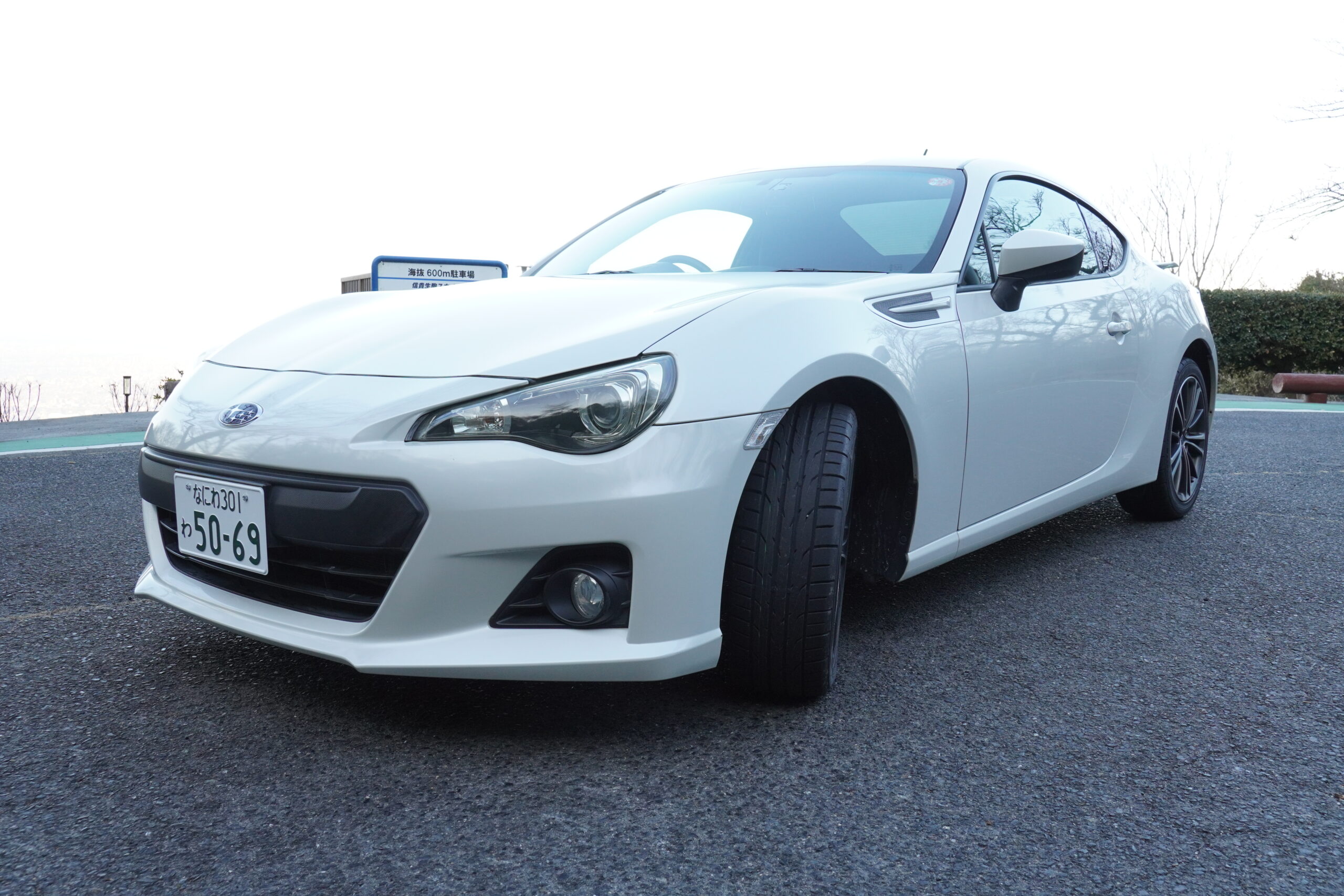
To truly experience this, you need a driver’s machine. A lightweight, balanced front-engine, rear-wheel-drive platform like the Subaru BRZ or Toyota 86—or the pure, open-top connection of a Mazda MX-5 Miata (ND Roadster)—turns the journey itself into the destination. Every downshift into a double-apex hairpin, every precise turn-in, and the mechanical hum of a boxer or naturally aspirated engine echo off ancient granite canyon walls, connecting you directly with the road.
Nowhere is this synthesis of driving pleasure and natural grandeur more vivid than autumn in the Soni Highlands (曽爾高原 - Soni Kogen). Nestled on the eastern border of Nara Prefecture, touching Mie, this volcanic plateau transforms every October and November into a rolling sea of golden susuki (Japanese pampas grass). While thousands of tourists crowd the standard temples of Kyoto or ride the main transit lines into bustling city centers, taking a high-performance sports car up the winding ribbon of Route 369 into Soni offers an unfiltered, exhilarating, and deeply personal adventure. This guide will walk you through a two-day automotive expedition that redefines how you see Japan.

Soni Highlands - The 2-Day Itinerary: Deep Dive
Day 1: The Ascent into Nara’s Hidden Heartland
08:00 AM – Departure from Central Osaka
Your journey begins in the vibrant heart of Osaka. Early morning is the optimal time to depart, escaping the urban expressway traffic before the city fully awakens. Slip into the low-slung bucket seat of a Subaru BRZ. Settle into position, adjust the three-spoke steering wheel, feel the weighted tactile click of the 6-speed manual shifter, and depress the firm clutch pedal. Fire up the naturally aspirated 2.4-liter engine; its distinct boxer thrum settles into a steady, resonant idle.
Navigating out of the city via the Hanshin Expressway Route 13 (Higashi-Osaka Route), you head east toward the Ikoma Mountain range. Osaka’s skyline recedes in your rearview mirror as the urban concrete gradually softens into leafy suburbs and, eventually, deep mountain tunnels.
09:15 AM – Crossing the Yamato Basin & The Ancient Roads
Exiting the expressway onto Route 165 or the Nishi-Meihan Expressway, you descend into the historic Yamato Basin—the cradle of Japanese civilization. As you drive through the ancient city of Nara's southern outskirts, the road cuts past ancient burial mounds (kofun) hidden under thick, forested hills.
This stretch serves as your warmup. The BRZ’s low center of gravity keeps the chassis planted as you negotiate light sweepers. Switch off the highway and merge onto Route 369 heading southeast. The transit roads disappear, replaced by two lane asphalt that narrows and begins to curve alongside the clear currents of the Yamato River tributaries.
10:30 AM – Pitstop: Historic Imaicho or Hase-dera Access
Before pushing deep into the highlands, pause near Sakurai along Route 165. A brief detour allows you to stretch your legs around the fringes of Hase-dera, a temple dramatically built into the cliffside of Mount Hatsuse. The air here smells of cedar incense and damp forest moss.
Grab a freshly steamed Kaki-no-ha Zushi (persimmon-leaf wrapped sushi)—a regional delicacy from Nara where mackerel or salmon is cured and wrapped tightly in rich, tannin-heavy persimmon leaves. The earthy flavor of the leaf infuses the vinegared rice, offering an ideal portable snack that drivers in this region have relied on for centuries.
11:15 AM – The Driver’s Ribbon: Route 369 to Route 81
Now the true driving begins. Route 369 from Sakurai toward Soni is an extraordinary stretch of road designed for a sports car. Here, you leave behind all suburban traffic. The road climbs steadily through dark, fragrant forests of Japanese cedar (sugi) and cypress (hinoki).
As the elevation increases, the curves tighten into rhythmic double-apex corners and tight 180-degree hairpins. Heel-toe downshift from 3rd gear to 2nd; the rev-matching blip of the engine echoes back from the dense tree line. The BRZ’s steering responds instantly to the slightest input, the chassis telegraphing every nuance of asphalt texture up through the seat.
The light changes dramatically along this climb. Sunlight filters through the dense canopy in shimmering rays (komorebi), casting patterns across the damp pavement. Cool, mountain air rushes in through the windows, carrying the crisp scent of falling pine needles and wet slate.
12:30 PM – Arrival in Soni Village & Regional Feast
As Route 369 merges with Route 81, the dense forest suddenly opens up into the breathtaking Soni Valley. Surrounded by sheer, jagged rock faces like Mount Kuroso and Mount Yoroi, Soni Village feels like a secluded world hidden from time.
Park your car at a local roadside eatery near the base of the valley. Order a steaming bowl of handmade shinshu-style or local Soni buckwheat soba noodles served alongside wild mountain vegetable tempura (sansai tempura). The vegetables—harvested directly from the surrounding hills—are lightly battered and fried to a crisp perfection, featuring seasonal shiitake mushrooms, sweet potato, and bitter bamboo shoots. Wash it down with cold, pure spring water sourced directly from the surrounding granite aquifers.
02:00 PM – The Ascent to Soni Highlands (Soni Kogen)
From the valley floor, take the narrow, winding access road that climbs up to the Soni Highlands parking area. This narrow road requires total precision: short gearing, smooth clutch work, and careful placement around blind corners.
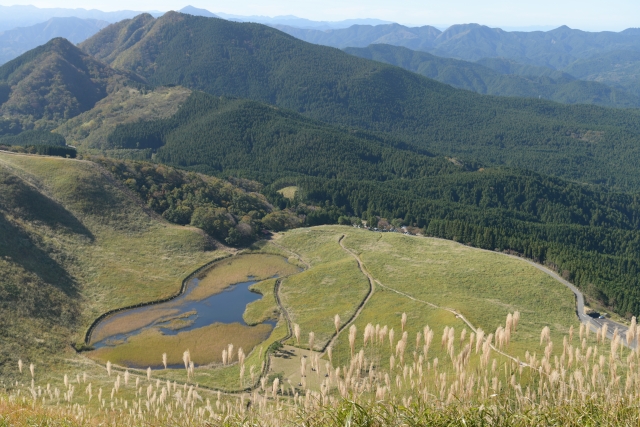
Upon stepping out of the vehicle at the Soni Highlands plateau (elevation approx. 700 meters), the sight is staggering. Spanning over 40 hectares across the slopes of Mount Kuroso is a vast, rolling landscape covered entirely in susuki grass. In mid-to-late autumn, these tall feather-like stalks turn a brilliant, silvery-gold.
Walk along the network of stone and timber trails that meander up through the slopes. The trail forms a dramatic horseshoe curve around the Okame-ike pond, a small marshland nestled at the center of the plateau associated with ancient local folklore. As you ascend toward the ridge trail along the edge of the plateau, the wind carries a soft, whispering rustle through millions of swaying golden stalks.
From the top of the ridge, look back down at the valley. The contrast between the rugged, dark basalt cliffs of Mount Yoroi in the background and the luminous, soft texture of the golden grass below creates an unforgettable visual composition.
05:00 PM – The Golden Hour Sunset Experience
Timing is everything at Soni Highlands. As the afternoon wanes toward 5:00 PM, the sun dips low toward the western mountains of Nara. This is the "Golden Hour."
The low-angled sunlight strikes the silver seed heads of the susuki grass, turning the entire mountain slope into a glowing field of liquid gold. The sky transitions from fiery orange to deep violet, while the shadows of the surrounding mountains stretch long across the valley floor.
Photographers from across Japan gather along the Okame-ike trail, but because you arrived by car, you have no need to rush for a scheduled bus or train connection. You can stay through the twilight, watching as the stars begin to fill the clear, cold mountain sky above the plateau.
06:30 PM – Check-in at Local Ryokan & Okame-no-Yu Onsen
Drive down the short mountain road to Soni’s famous hot spring resort: Okame-no-Yu. This natural thermal bath is widely regarded as one of the finest onsen in the Kansai region due to its exceptionally smooth, alkalinized mineral water (bijin-no-yu, or "water of beauty").
Park the BRZ, step into the wooden bathhouses, and slip into the open-air bath (rotenburo). Surrounded by natural stone walls and cedar trees, you can sit back under the starry sky, letting the warm, mineral-rich water soothe your muscle tension after a full day of dynamic driving and hiking.
After your bath, check into a traditional local ryokan or guesthouse in Soni or nearby Mitsue village. Savor a multi-course kaiseki dinner featuring locally sourced Yamato pork, grilled river trout (ayu), and seasonal root vegetables paired with regional Nara sake.

Day 2: Winding Passes, Geological Marvels, and the Loop Back
07:30 AM – Morning Mist & Early Mountain Drive
Wake up early to the crisp air of the mountains. A heavy morning mist often hangs low over the Soni Valley, floating like a sea of clouds (unkai) between the jagged rock peaks.
Fire up the BRZ for a morning drive while the roads are entirely deserted. Route 81 stretching north along the Shorenji River offers a smooth, flowing rhythm. The cool, dense morning air allows the engine to breathe cleanly, giving the car a crisp throttle response as you trace the gentle curves following the riverbank.
09:00 AM – Exploring Mount Yoroi & Mount Kabuto
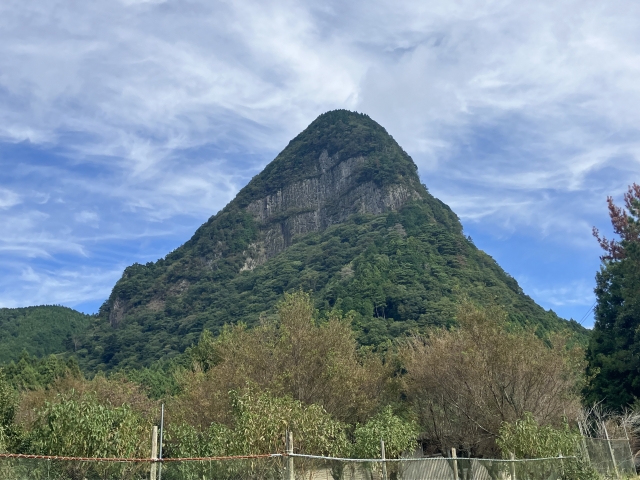
Head back toward the base of Mount Yoroi ("Armor Mountain") and Mount Kabuto ("Helmet Mountain"). These enormous rock formations are the remnants of ancient volcanic activity that occurred over 15 million years ago. The vertical columnar jointing of the basalt cliffs rises sharply out of the autumn forest, resembling giant sheets of traditional Japanese samurai armor.
Stop at a scenic turnout to take in the sheer scale of the rock faces. The contrast between the brilliant red and yellow autumn leaves (koyo) hugging the base and the stark, gray volcanic stone above provides an extraordinary backdrop for automotive photography.
10:30 AM – Pitstop: Akame 48 Waterfalls Detour
Take Route 51 across the border into Mie Prefecture to visit the Akame 48 Waterfalls (Akame Shijutaki). Located just 30 minutes from Soni, this isolated green valley was historically used as a secret training ground for the Iga Ninja during the 15th and 16th centuries.
A shaded walking trail follows a mountain stream winding past dozens of cascades tumbling into deep, emerald-green pools. The air here is extraordinarily clean, rich with negative ions and the earthy scent of wet moss and cedar bark. Be sure to try Katayaki, an extraordinarily hard, traditional ninja cracker made from sweet potato and sesame, or Hekoki Manju, a warm, leaf-shaped sweet potato pastry baked locally at the trailhead entrance.
01:00 PM – The Thrill of the Yananose Pass & Highway 369 Loop
Heading back toward Osaka, avoid the dull highway routes and instead take a circuitous path over the mountain passes that link Mie and Nara. Route 369 heading west toward Yamazoe offers long sweeping curves, steep gradients, and excellent visibility.
Here, a lightweight sports car like the Mazda MX-5 Miata or Subaru BRZ shines bright. On downhill sections, weight transfer becomes a art: smooth brake application to load the front tires, turning in precisely toward the apex, and smoothly rolling back onto the throttle to feel the rear end stabilize as you sprint out toward the next straight.
03:30 PM – Scenic Overlook & Afternoon Coffee
As you begin your descent back toward the Yamato Basin, stop at a hillside roadside cafe or scenic overlook along Route 25 (Meihan Expressway, known locally for its thrilling, non-gated mountain highway layout near Omega Curve). Sip a freshly brewed drip coffee made with local spring water while watching the afternoon light paint the distant mountains in shades of amber and indigo.
05:00 PM – Return to the Osaka Skyline
As twilight falls, merge back onto the main arterial routes leading into central Osaka. The quiet mountain passes give way once again to the glittering lights of urban expressways. Returning from the tranquil, timeless beauty of Soni to the bustling neon grid of the city emphasizes the incredible contrast that makes driving in Japan so unique.
Soni Highlands - Expert Advice & Cultural Nuances
Driving in Japan offers an intimate look at local life, but it requires an understanding of distinct regional driving customs, etiquette, and roadside culture that standard tourists rarely encounter.
The Magic of Michi-no-Eki (Roadside Stations)
One of the greatest delights of a Japanese road trip is discovering Michi-no-Eki (Government-designated Roadside Rest Areas). Far from ordinary fast-food highway service areas, these are vibrant community hubs showcasing regional agriculture, crafts, and food culture.
Michi-no-Eki Soni: Located near the center of Soni Village, this rest stop features an in-house microbrewery (Soni Kogen Beer), which produces crisp lagers and altbiers using pure mountain spring water (grab a bottle to enjoy at your hotel later!).
Local Produce: Expect to find freshly harvested yuzu citrus, wild mountain herbs, local chestnut pastries, and hand-crafted wood carvings made from Nara cedar.
Travel Tip: Always keep a small coin purse in your car. Many Michi-no-Eki feature local vending machines and small farm stalls that accept cash only (100-yen and 500-yen coins).
Navigating Narrow Mountain Passes (Kukudo)
While primary national routes (Kokudo) like Route 369 are well-paved two-lane roads, secondary country roads leading deep into mountain villages can sometimes narrow down to single-lane tracks. In Japanese car culture, extremely narrow, rough mountain roads are playfully referred to as Koku-do (a pun on national routes that feel like suffering routes!).
Blind Curves & Mirrors: Pay close attention to the round, convex orange mirrors installed at every blind corner. Before nose-in to a narrow curve, glance at the mirror. If you see headlights or motion, slow down or stop completely at a turnout point (daishochi).
Right-of-Way Etiquette: The vehicle going uphill generally has the right of way, but practicality reigns. If you see an oncoming local mini-truck (Kei-truck) in a narrow segment, pull into the nearest wide shoulder to let them pass. A quick double-flash of your hazard lights serves as a universal "thank you" in Japanese driving culture.
Soni Highlands - Detailed Logistics & Pre-Trip Tips
Navigating Japanese roads in a sports car is remarkably straightforward once you master a few operational basics.
Electronic Toll Collection (ETC) System
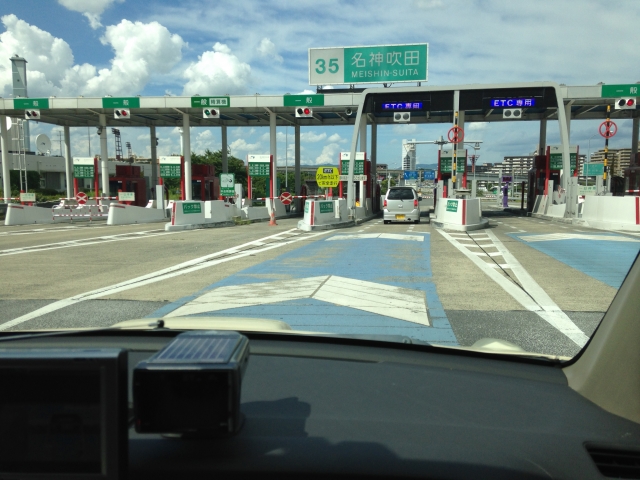
Japan’s highway network relies heavily on tolls. While cash/credit lanes exist, renting a car equipped with an ETC (Electronic Toll Collection) card is absolute imperative.
How It Works: The ETC card is inserted into a reader box usually hidden inside the glovebox or center console. As you approach highway toll gates, enter the lanes marked in purple with ETC. Drive through at a reduced speed (20 km/h); the barrier will automatically lift as the wireless system logs your entry/exit.
Payment: Toll fees are calculated automatically and paid seamlessly when you return the rental vehicle.
Fueling Up: Navigating Japanese Gas Stations
Gas stations (Gasorin Stand-do) in Japan are exceptionally clean and efficient. They fall into two categories: Full Service and Self Service.
High-Octane Fuel for JDM Performance Cars
Sports cars like the Subaru BRZ, Toyota 86, and Mazda Roadster require high-octane premium gasoline (High-Octane or Hai-oku / ハイオク). Do not put regular gas into these performance engines.
Key Japanese Gas Station Vocabulary
High-Octane (Premium Fuel): Hai-oku (ハイオク)
Regular Fuel: Regurā (レギュラー)
Full Tank: Mantan (満タン)
Cash: Genkin (現金)
Credit Card: Kureditto Kādo (クレジットカード)
At full-service stations, staff will guide you to the pump with hand gestures, wipe your windows, and hold out a small bin for your cabin trash. At self-service stations (Self / セルフ), screen prompts usually offer an English language toggle button. Select Hai-oku (coded in yellow on most Japanese fuel nozzles), select Mantan, pay via card or cash, and fill the tank.
Parking Conventions
When parking in mountain villages or urban lots:
Always Back In: Japanese drivers almost universally reverse into parking spaces (kojin-chusha). It increases safety when pulling out and aligns with local parking etiquette.
Wheel Blocks: Many paid parking spots utilize automatic drop-down or pop-up metal lock plates (Flap-board system). Pay at the central kiosk by entering your parking space number before returning to your vehicle.
Soni Highlands - Comprehensive FAQ
Q1: What driving documentation do I need to rent and drive a car in Japan?
To drive legally in Japan, you must present three documents at the time of rental:
Your valid Original Driver's License from your home country.
Your International Driving Permit (IDP) issued under the 1949 Geneva Convention.
Your Passport.
Crucial Note: IDPs issued under the 1968 Vienna Convention or other agreements are not accepted in Japan. Visitors from specific countries (such as Switzerland, Germany, France, Taiwan, Belgium, and Monaco) that do not issue Geneva Convention IDPs must instead carry an official Japanese translation of their native driver's license, prepared by the Japan Automobile Federation (JAF) or their respective embassy.
Q2: I haven't driven a manual transmission (MT) sports car on the left side of the road before. Is it difficult to adapt?
Japan drives on the left side of the road, with the steering wheel positioned on the right side of the vehicle. For manual vehicles, this means you will shift gears with your left hand.
Adaptation: Most drivers adjust surprisingly quickly—usually within 15 to 30 minutes. The pedal arrangement remains identical worldwide (Clutch on the left, Brake in the middle, Accelerator on the right).
Vehicle Assist: Modern sports cars like the Subaru BRZ, Toyota 86, and Mazda Roadster (ND) feature light clutch action, precise gear gates, and built-in Hill Start Assist, preventing backward roll on steep mountain inclines.
Q3: What is the best time of year to visit Soni Highlands by car?
Peak Susuki Season (Autumn): Mid-October to late November is prime time. The pampas grass turns brilliant gold, and surrounding mountain forests feature stunning crimson foliage.
Spring/Summer: May through August offers vibrant emerald-green mountain views and cooler high-altitude temperatures.
Winter Warning: December through February can bring snow and ice to higher mountain passes like Route 369. Winter tires (studless tires) or snow chains are required during these months.
Q4: Are roads to Soni Highlands suitable for low-slung sports cars?
Yes. Paved roads extend all the way up to the Soni Highlands visitor parking lots. While mountain roads feature tight curves and steep gradients, standard sports car ride heights (such as stock Subaru BRZ or Mazda Roadster setups) clear all paved road surfaces and speed bumps without issue.
Soni Highlands - The Final Thoughts
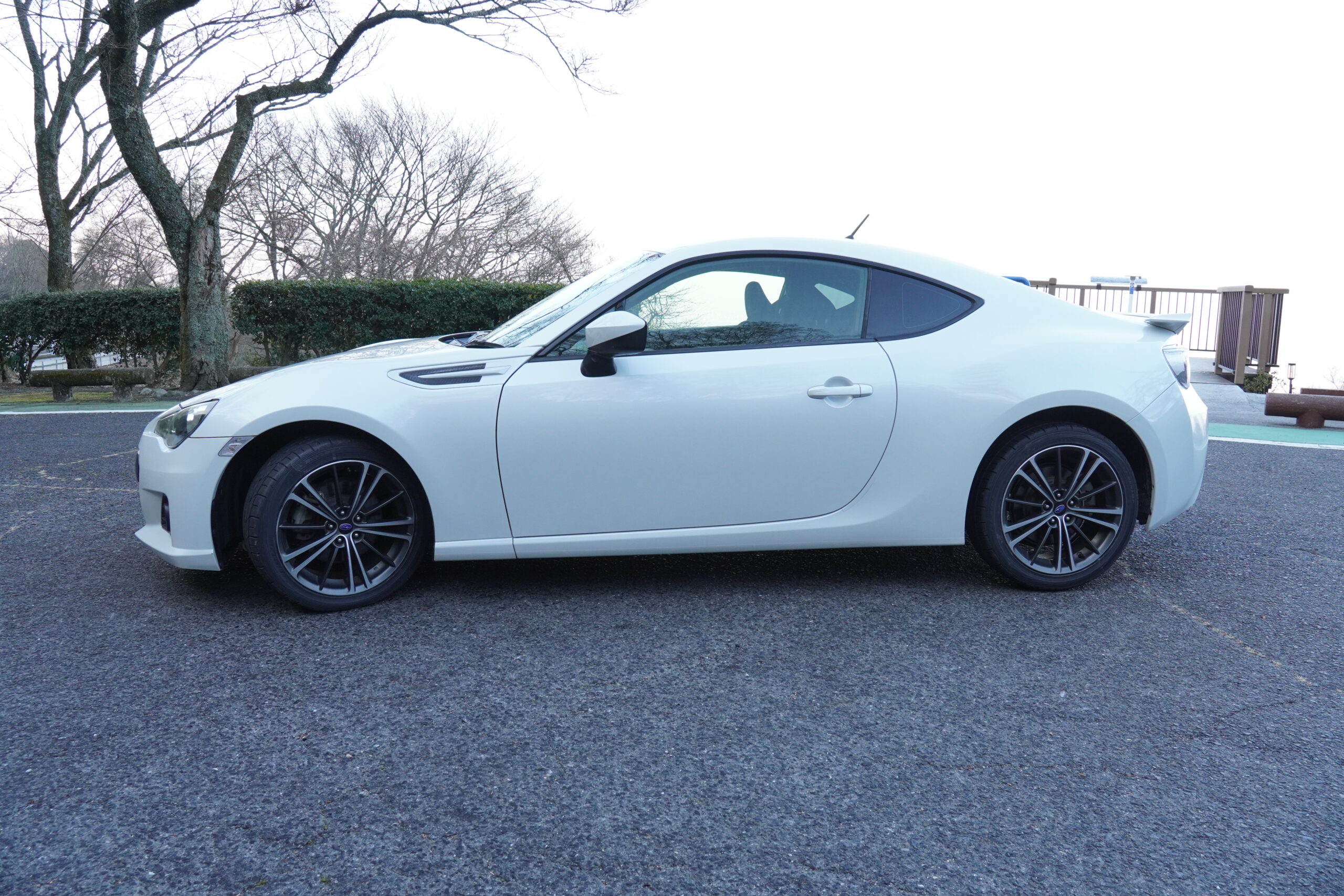
Kyoto's overcrowded buses and train platforms offer one version of Japan—a passive, predictable glimpse of well-trodden tourist sites. But behind the wheel of a meticulously maintained, rear-wheel-drive Japanese sports car, you gain entry to an entirely different world.
You feel the road beneath you as you trace the curving ribbons of Route 369. You smell the crisp mountain air and cedar forest resins pouring through open windows. You watch the sunset light transform an entire mountain range into a shimmering golden sea of susuki grass, completely free from rigid group tour schedules or train timetables.
This is the freedom of the open road. This is "Secret Japan."
When you are ready to claim your key, turn the ignition, and experience the ultimate driving route through Kansai, your journey begins at Omoren Osaka Central (おもしろレンタカー大阪中央店).
Specializing in iconic JDM performance platforms—from lightweight manual Mazda Roadsters (ND) to crisp, balanced Subaru BRZs and Toyota 86s—our fleet is meticulously tuned for driving enthusiasts who crave authentic automotive adventures. Conveniently located in Osaka, we provide English-fluent support, seamless ETC card setups, and expert local route recommendations to help you navigate Japan's best winding roads with absolute confidence.
Don't just visit Japan. Drive it. Reserve your performance vehicle at Omoren Osaka Central today, hit the mountain passes, and discover the golden ridge of Soni Highlands for yourself.