
Tajima: The Philosophy of Driving in Japan
As a former conductor on the Kintetsu Railway, I spent years strictly bound by fixed steel tracks, precise timetables, and designated platform stops. Railroads are the beating heart of Japanese transit—efficient, punctual, and undeniably romantic in their own right. Yet, relying solely on train schedules inherently limits your horizon to major hubs and heavily trodden tourist pathways. True travel freedom begins where the train lines terminate.
When you slide behind the wheel of an authentic driver’s machine—specifically the Toyota 86 or Subaru BRZ, engineered with a low center of gravity, front-engine rear-wheel-drive dynamics, and a crisp manual transmission—the entire geography of Kansai unlocks in three dimensions. Departing from the neon-drenched grid of Osaka, you quickly leave behind the urban sprawl to enter the "Secret Japan" that train passengers only ever catch glimpses of through tinted glass.
Tajima, located in the northern reaches of Hyogo Prefecture, is a region forged by volcanic ancient history, steep alpine passes, and rugged coastal bluffs carved out by the Sea of Japan. While trains do navigate along the coastal valleys, they bypass the high-altitude crests, the hidden valley villages, the winding mountain passes, and the quiet scenic lookouts that offer unobstructed panoramas of sea mist meeting forested peaks. Driving here is not merely a method of transportation; it is an active, tactile conversation between driver, machine, and topography. Every elevation change, gear shift, and apex corner brings you closer to the living, breathing essence of Japan's rural heritage.

Tajima: The 2-Day Itinerary: Deep Dive
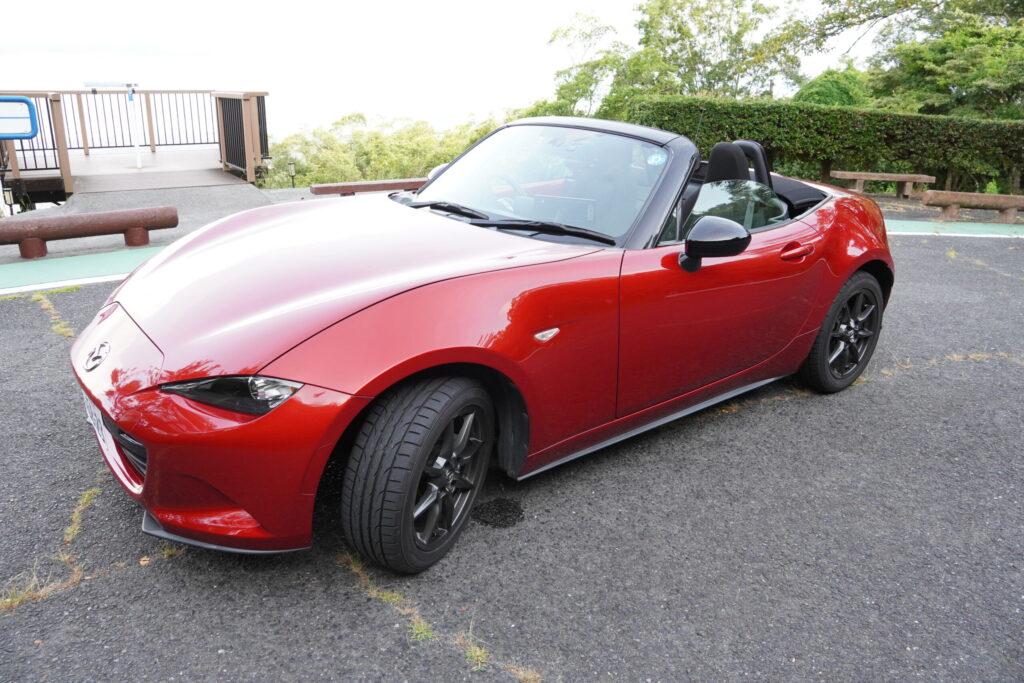
Day 1: Scaling Mountain Peaks and Hidden Valleys
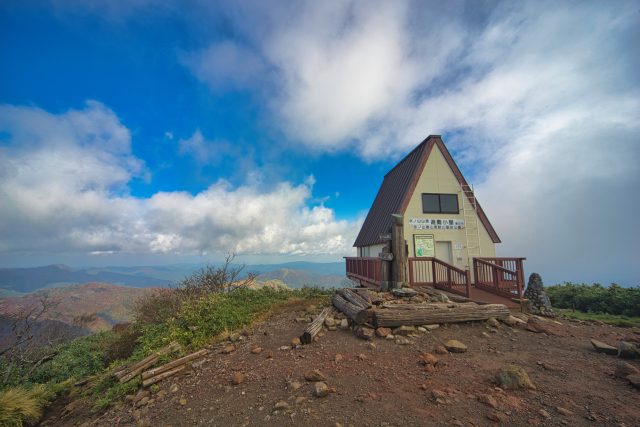
07:00 AM – Departure from Osaka: The Urban Gateway to Alpine Horizons
Your journey starts in the early morning air of Osaka. As the engine turns over, the distinct rumble of the boxer engine settles into a steady idle. Leaving the city before peak morning traffic allows for a smooth exit via the Hanshin Expressway before joining the Chugoku Expressway. As you transition onto the Maizuru-Wakasa Expressway and head north toward the Bantan Expressway, the high-rise concrete jungle yields to rolling green hills. The air shifts from humid urban warmth to crisp, pine-scented mountain air.
08:30 AM – The Ascend via the Bantan Expressway & Route 312
Continuing northward, the highway skirts along river basins flanked by dense cedar forests. Early morning fog often clings to the mid-slopes of the mountains, creating a scene straight out of a classical ink painting. Cruising at highway speeds, the direct steering response of the chassis provides feedback on every subtle nuance of the road surface, building anticipation for the technical mountain passes ahead.
09:30 AM – Takeda Castle Ruins: The Castle in the Sky
Location & Geology: Perched 353 meters above sea level on Mount Shiroyama, Takeda Castle was constructed in 1441 by Yamana Sozen. The original wooden structures are long gone, but the meticulously engineered stone foundations (Anao-tsumi style) remain fully intact, curving along the crest of the ridge.
The Experience: Park at the designated base area and take the access shuttle or hike up the paved forest trail. Stepping onto the stone ramparts, you look out over the Asago River Valley. During autumn mornings, a sea of clouds (unkai) often submerges the valley floor, leaving the stone ruins floating like a island in the sky. The sheer craftsmanship of the ancient stone carvers who moved massive granite boulders up these steep gradients is awe-inspiring.
11:30 AM – Route 9 & The Winding Ascent to Mount Hyo-no-sen
Leaving Takeda behind, take Route 9 west towards the heart of the Tajima Mountain Range. Here, the road transforms from a gentle highway into a technical winding route. Downshifting into third gear, the revs pick up smoothly as you navigate sweeping sweeping curves, rock faces on one side, and deep river gorges on the other.
12:30 PM – Gastronomic Pause: Tajima Beef at a Mountain Lodge
The Culinary Experience: Tajima beef is the purebred stock from which world-famous Kobe beef originates. Stop at a local mountain tavern along Route 9. Order a hot stone-grilled Tajima beef set or a bowl of Tajima beef rice (gyudon). The marbling of the meat melts at low temperature, delivering a rich, savory flavor balanced by locally harvested mountain vegetables (sansai) and sweet, spring-fed Tajima rice.
02:00 PM – Navigating the Alpine Slopes of Mount Hyo-no-sen
Mount Hyo-no-sen is Hyogo’s highest peak, standing at 1,510 meters. The roads surrounding this massif offer some of the finest driving terrain in Western Japan.
The Drive: Engage second gear for tight hairpin turns, balance the throttle through long mid-corner arcs, and accelerate out onto short straights. The dynamic chassis keeps body roll minimal, while the hydraulic feedback through the steering wheel tells you precisely how much grip the tires have against the tarmac. Crisp mountain breeze streams through the open cabin, carrying the scent of rich forest earth and mountain streams.
04:00 PM – Arrival in Izushi: The Little Kyoto of Tajima
Descending from the high mountain passes, follow the winding rural roads into the historic castle town of Izushi.
History & Atmosphere: Izushi retains its Edo-period layout, featuring historic merchant houses, a red-brick clock tower (Shinkorou) built in 1871, and the ruins of Izushi Castle flanked by vivid red torii gates climbing up the hillside.
Local Specialty: Izushi Soba is traditionally served on small ceramic plates (Sara Soba). A standard serving consists of five small plates. Dip the buckwheat noodles into a rich dashi broth mixed with grated mountain yam, raw quail egg, and fresh green onions.
06:00 PM – Nightfall at Kinosaki Onsen: Willow Trees and Geothermal Springs
Drive north toward the coast to reach Kinosaki Onsen, a historic hot spring town established over 1,300 years ago along the Maruyama River.
The Evening Experience: Park your vehicle at your ryokan for the evening. Change into a cotton yukata and wooden geta clogs, then stroll down the willow-lined canal streets illuminated by warm stone lanterns. Kinosaki is famous for its seven public bathhouses (Sotoyu). Walk from one spring to another, soaking in mineral-rich thermal waters that soothe the muscles after a full day of dynamic driving.
Dinner: Savor a seasonal kaiseki dinner featuring fresh seafood from the adjacent Sea of Japan, such as Snow Crab (Matsuha-gani) during winter months or local red sea bream in spring and summer.

Day 2: The Coastal Cliffs and Ocean Highways
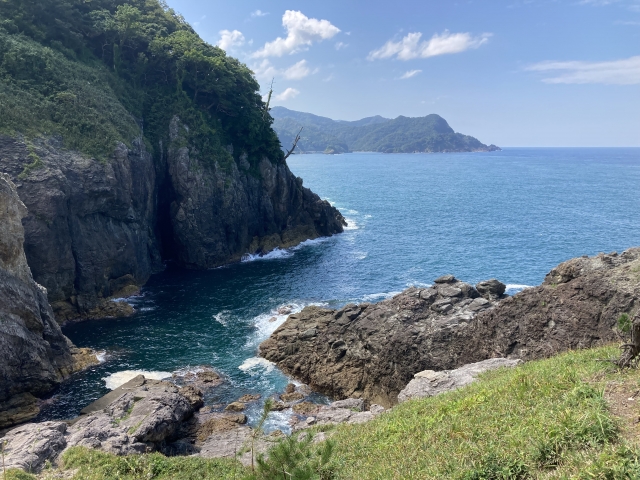
08:00 AM – Morning Departure from Kinosaki along Route 178
Wake up to the sound of steam rising from the canal waters. After a traditional breakfast of grilled fish, miso soup, and local rice, return to your car. Fire up the engine and set your GPS for the San'in Kaigan Geopark via Route 178.
09:00 AM – San'in Kaigan Geopark & Kasumi Coast
Geology & Scenery: The San'in Kaigan Geopark is a UNESCO-designated site showing the geological formation of the Sea of Japan. The coastline is defined by dramatic sea caves, towering granite cliffs, sea stacks, and crystal-clear inlets.
The Coastal Drive: Route 178 weaves elevated above the ocean, carving through granite tunnels and clinging to cliff faces. The visual contrast between deep blue water, white crashing surf, and emerald green coastal pine trees is spectacular. Third gear is ideal here, allowing effortless throttle control through flowing, wide-radius corners while taking in sweeping oceanic horizons.
10:30 AM – Amarube Viaduct (Sora-no-Eki)
Engineering Marvel: Originally constructed in 1912, the original steel trestle bridge was a triumph of early Japanese railway engineering, spanning a deep valley 41 meters above the sea. While a modern concrete structure replaced the old rail line in 2010, a section of the iconic red steel frame has been preserved as an elevated observation deck called Sora-no-Eki (Station in the Sky).
Experience: Park in the coastal rest area below and take the glass elevator to the top platform. From the deck, watch modern local trains glide across the sky high above the ocean waves while looking out across the vast horizon of the Sea of Japan.
12:30 PM – Fresh Coastal Seafood in Shin-Onsen Town
Drive west into the coastal enclave of Shin-Onsen Town, home to active fishing harbors that bring in daily catches straight from the Sea of Japan.
Lunch: Visit a harbor-side seafood market for a fresh Kaisen-don (seafood bowl). Slices of fatty tuna, sweet sea urchin, fresh squid, and local prawns are served over seasoned sushi rice. The freshness of the catch directly at the dock is unmatched.
02:30 PM – Cape Takeno and the Crystal Waters of Takeno Beach
Loop back eastward along the coastal access roads toward Cape Takeno.
Scenery: Takeno Beach features white silica sand and incredibly clear, turquoise waters framed by volcanic rock formations. Cape Yodoi, a nearby rocky point, features intriguing columnar basalt structures formed by ancient cooling lava flows.
The Experience: Take a short walk along the coastal track to feel the sea spray, or simply park near the water's edge to take photographs of your vehicle staged against the ocean backdrop.
04:30 PM – The Return Drive: Mount Ooe Mountain Pass
Instead of returning via the standard highway, cross back inland via the rural mountain passes connecting Tajima back toward central Kansai.
The Final Winding Road: The sun begins to set, casting golden light across the forested peaks. The mountain pass offers a technical rhythm of climbing curves and gentle descents. The crisp mechanical action of the short-throw manual shifter makes every gear change satisfying as you navigate the quiet mountain turns.
08:00 PM – Arrival Back in Osaka
As evening sets in, the tranquil mountain air gives way once again to the sparkling cityscape of Osaka. Return to the city centers with an unforgettable collection of road trip memories.
Tajima: Expert Advice & Cultural Nuances
Driving through rural Japan reveals a thoughtful, well-planned infrastructure designed to welcome motorists. Understanding local customs enhances every aspect of your journey.
The Culture of "Michi-no-Eki" (Roadside Stations)
Japan’s Michi-no-Eki network consists of government-designated roadside rest stops that are far more than mere gas stations. They serve as cultural hubs, showcase regional agriculture, and offer high-quality local dining.
What to Expect: Clean rest amenities, fresh local produce markets, regional soft-serve ice cream flavors (such as Tajima milk or buckwheat flavor), and detailed regional maps.
Top Pick in Tajima: Michi-no-Eki Tajima Mahoroba, designed to resemble an ancient mounded tomb, offers an incredible selection of local crafts, cured meats, and regional snacks.
Finding Hidden Gems
When looking for authentic local food, avoid major tourist strips along main highways. Instead, look for small establishments displaying a simple fabric curtain (noren) hanging in the doorway. A parking lot filled with local lightweight Kei cars is a sure sign of exceptional food and modest prices.
Driving Etiquette in Rural Japan
Narrow Passes (K交互通禁/Suto): Mountain roads sometimes narrow down to single-lane sections with turnout bays. If an oncoming vehicle flash its headlights once or twice, they are yielding the right-of-way to you. A polite nod or a brief hazard light flash (one or two blinks) is standard Japanese driving etiquette to express thanks.
Speed Limits: Rural road speed limits typically range between 40 to 50 km/h, while expressways range from 80 to 100 km/h. Drive predictably and keep a safe following distance on mountain passes.
Tajima: Detailed Logistics & Pre-Trip Tips
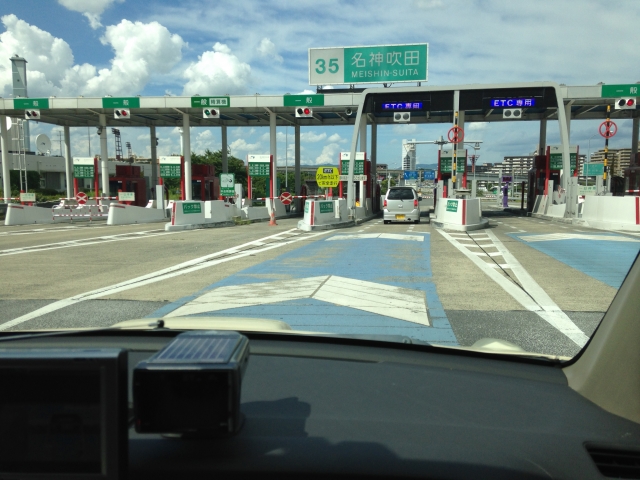
Navigation & ETC Cards
Navigating Japanese roads in 2026 is seamless with modern technology, but two essential tools are mandatory for an efficient trip:
ETC (Electronic Toll Collection) Card: Expressway tolls in Japan are ubiquitous and can be expensive if paid in cash. An ETC card inserts directly into a reader unit inside your rental car, allowing you to pass through designated green ETC lanes at toll plazas without stopping. Expressways automatically calculate your total, which you pay upon returning the vehicle.
GPS & Navigation Apps: Most modern vehicles come equipped with multi-language navigation units. Alternatively, smartphone apps like Google Maps or Apple Maps provide highly accurate real-time traffic updates and clear voice-guided directions throughout Tajima.
Fueling Up: Gas Station Communication
Gas stations in Japan are classified as either Full Service (Mantan) or Self Service (Serufu). Knowing a few basic Japanese phrases makes refueling straightforward:
"Regular" = Standard 91 octane unleaded gas (Red pump handle).
"High-Octane" = Premium high-octane gas for performance sports cars (Yellow pump handle).
"Mantan" = Fill up the tank completely.
"Kashu Chumon" = Paying with a credit card.
At full-service stations, attendants will often wash your windshield, collect trash from your car, and guide you safely back into traffic when you pull out.
Parking Regulations
Always park within designated lined bays. Reverse parking into spots (back-in) is the universal standard in Japan and ensures clear visibility when pulling out.
Coin-operated parking lots (Coin Parking) use automated floor flaps or gate barriers. Ensure you note your space number before paying at the central terminal.
The Thrill of Driving an Authentic JDM Sports Car
Driving a lightweight, rear-wheel-drive vehicle like the Toyota 86 or Subaru BRZ through mountain passes offers an experience modern heavy vehicles simply cannot match. The mechanical connection between pedal input, engine response, and chassis movement brings driving back to its purest form.
Tajima: Comprehensive FAQ
What documentation is required to rent and drive a car in Japan?
You must present your valid physical passport and a valid International Driving Permit (IDP) issued under the 1949 Geneva Convention.
Note: Drivers holding licenses from certain countries (such as Germany, Switzerland, France, Belgium, Monaco, and Taiwan) require an official Japanese translation of their native license issued by the Japan Automobile Federation (JAF) or their respective embassy, rather than an IDP.
For detailed information regarding valid licensing compliance, you can review official driver entry requirements directly via the provider's official guidelines at the Omoren License Guide.
Is driving a manual transmission (MT) car in Japan difficult?
Driving on the left side of the road with a right-hand drive (RHD) layout quickly becomes second nature after 15 to 20 minutes of driving. The gear shift pattern remains identical (1st gear is top-left), operated with your left hand. Clear road markings and polite traffic culture make adapting to Japanese roads smooth and stress-free.
How are road conditions in Tajima during winter?
From late December through March, mountain passes in northern Hyogo experience significant snowfall. During these months, winter tires (studless tires) are mandatory. For optimal touring weather, spring through late autumn offers clear asphalt, vibrant foliage, and dry driving conditions.
Tajima: The Final Thoughts
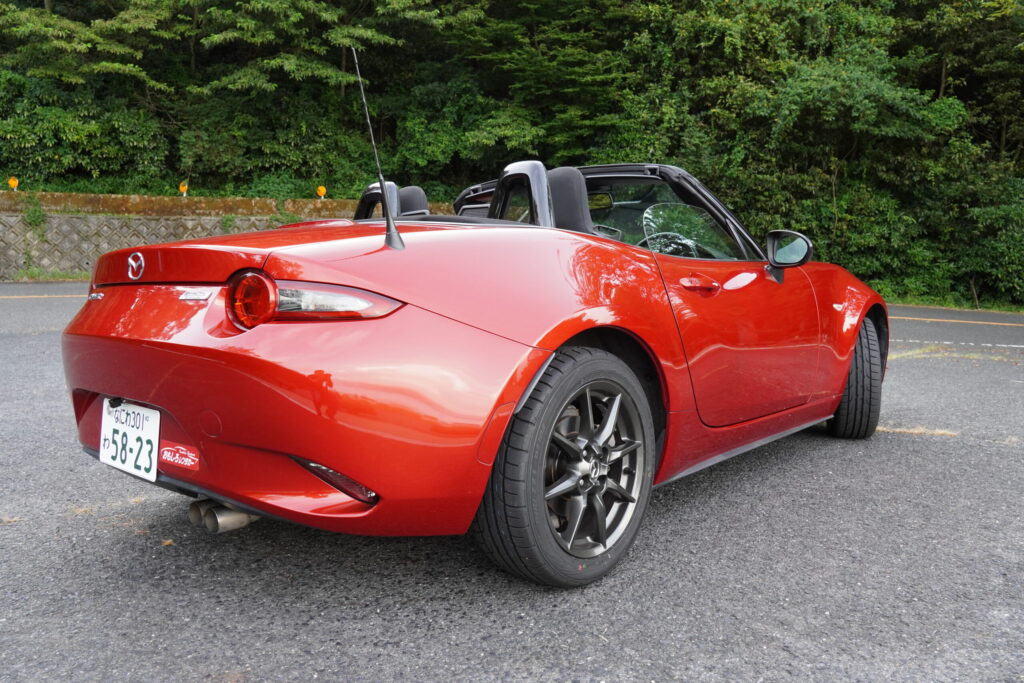
The true spirit of Japan cannot be fully discovered from the window of a high-speed train or a tourist bus. It is found on the crest of a mountain road, where mist drifts across ancient pine forests, and along coastal roads carved into rugged granite sea cliffs. It is experienced through the mechanical harmony of a fine sports car, the scent of fresh ocean air, and the quiet beauty of hidden villages.
Your adventure through the breathtaking landscapes of Tajima begins the moment you step off the plane in Kansai. Reserve your vehicle today at Omoreshi Rent-a-Car Osaka Chuo (おもしろレンタカー大阪中央店), pick up your sports car, key in your destination, and embark on a road trip through Japan you will remember for a lifetime.