
Takano-Ryujin Skyline: The Philosophy of Driving in Japan
For over a decade, I wore the sharp uniform of Kintetsu Railway, conducting trains along some of the most scenic rail corridors in Western Japan. I listened to the rhythmic clack-clack of steel wheels over jointed tracks and watched the Japanese landscape sweep past through polished windows. Public transit in Japan is legendary for its pinpoint punctuality, hyper-efficiency, and unmatched convenience. Yet, as much as I respect the rails, train travel keeps you bound to a strict schedule and rigid tracks. When you rely solely on trains, you experience Japan through a frame pre-designed for mass tourism.
True freedom begins where the rails end.
The moment I stepped off the conductor platform and behind the wheel, my entire perspective on Japanese travel transformed. Driving opens up "Secret Japan"—a realm of hidden mountain passes, remote temples shrouded in morning mist, coastal turns where the Pacific crashes against ancient granite cliffs, and roadside noodle shops that have never seen a tour group.
Starting your journey from Osaka by car changes everything. Osaka is Western Japan's energetic beating heart, surrounded by rich geography. Within an hour of leaving the neon glow of Dotonbori, urban sprawl gives way to the deep, emerald-green ridges of Kansai's mountainous spine.
Among all the ribbons of asphalt winding through these mountains, one legendary road stands out for drivers, automotive purists, and seekers of solitude: The Takano-Ryujin Skyline.
Connecting the sacred alpine complex of Koyasan with the therapeutic thermal waters of Ryujin Onsen, the Takano-Ryujin Skyline (National Route 371) is a 42-kilometer masterwork of civil engineering. Curving along the mountain ridges of Wakayama and Nara Prefectures at elevations reaching nearly 1,400 meters, it offers sweeping, unfiltered views across endless sea-like mountain ranges.
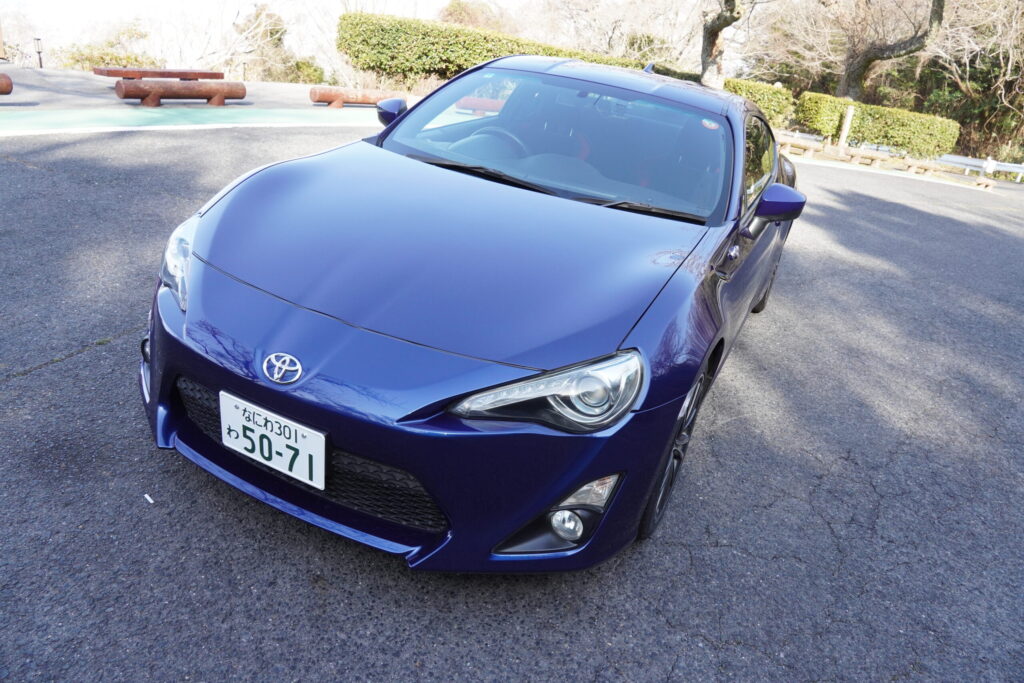
Taking on this stretch of road requires a vehicle that feels like an extension of your own body. This is where Japanese Domestic Market (JDM) engineering shines, specifically in the lightweight, front-engine, rear-wheel-drive purity of the Toyota 86.
+-----------------------------------------------------------------------+ | OSAKA TO RYUJIN ROUTE MAP | | | | [ Osaka Central ] | | | Hanshin Expressway / Hanwa Expressway | | v | | [ Koyasan (Mount Koya) ] --> Sacred Buddhist Mountain Complex | | | | | | <-- TAKANO-RYUJIN SKYLINE (Route 371) --> | | | 37.1 km of ridge-line twisties & panoramic views | | v | | [ Goma-san Tower ] --> Peak Elevation (1,372m) | | | | | v | | [ Ryujin Onsen ] --> Historic Hot Springs & Local Dining | +-----------------------------------------------------------------------+ Public buses crawl along these mountain roads infrequently, forcing travelers to watch the clock instead of soaking in the scenery. Rail lines terminate far down in the valleys. But behind the wheel of a responsive sports car, you set the tempo. You can stop at an unmarked lookout to watch light break through mountain pine leaves, linger over a bowl of wild boar ramen at a local pass, or drop down a gear to carve through a sweeping hairpin turn. This is the philosophy of driving in Japan: absolute autonomy, intimate connection with the landscape, and the raw thrill of the open road.

Takano-Ryujin Skyline: The 2-Day Itinerary: Deep Dive
Day 1: From Osaka's Urban Energy to the Sacred Heights of Koyasan
08:00 AM – Osaka Departure
Your adventure begins in the vibrant urban center of Osaka. After securing your keys and running a pre-drive walkaround, settle into the low-slung bucket seat of your Toyota 86. Adjust the three-spoke steering wheel, depress the firm clutch pedal, and slot the short-throw shifter into first gear. The naturally aspirated boxer engine comes to life with a mechanical hum that settles into a smooth rumble.
Merging onto the Hanshin Expressway, you leave the cityscape behind. Route southward toward the Hanwa Expressway. The early morning urban transit gives way to suburban hills as you approach Sakai and Kishiwada. The Toyota 86 shows its versatility early on: the steering is direct, feedback from the road surface is communicated cleanly through the wheel, and visibility over the low hoodline makes navigating city expressway lanes effortless.
09:30 AM – The Ascent Begins: Route 480 & The Kudoyama Approach
Distance: Approx. 60 km from Osaka | Elevation Gain: 800m
Exiting the expressway near Katsuragi, transition onto Route 480 toward Kudoyama. This historic town sits at the base of the mountains guarding Mount Koya (Koyasan). Here, the flat plains drop away, and the road begins to climb through dense bamboo groves and cedar forests.
/ \ Goma-san Peak (1,372m) / \ / \ Takano-Ryujin Skyline / \ Koyasan Plateau (800m) _____/ \_____ Ryujin Valley (300m) / / Route 480 Ascent / Osaka Plain (0m) __/ This is your warm-up for the day. Route 480 features smooth asphalt, gentle elevation gains, and well-banked medium-speed corners. Shift the 86 down to third gear; the revs climb into the powerband, and the sharp chassis balance keeps the car flat through sweeping turns. Open the window slightly to smell the rich, damp aroma of pine, mountain cedar, and moss-covered rock walls.
11:00 AM – Arrival at Koyasan (Mount Koya)
Elevation: 800m
As you clear the final climbing turn on Route 480, the forest opens up to reveal the elevated basin of Koyasan. Founded in 816 AD by the monk Kukai (Kobo Daishi), Koyasan is the spiritual home of Shingon Esoteric Buddhism. Entering this secluded mountain plateau feels like crossing an invisible boundary into another century. Ancient wooden temple gates frame tranquil gardens, while the chant of sutras drifts through the air.
Park your car near the center of town. After an hour of dynamic mountain driving, step out into the crisp mountain air. The quiet atmosphere here offers a striking contrast to Osaka's lively energy.
+-----------------------------------------------------------------------+ | KOYASAN AT A GLANCE | | | | * Founded: 816 AD by Kobo Daishi (Kukai) | | * Key Sites: Danjo Garan, Kongobuji, Okunoin Cemetery | | * Atmosphere: Quiet mountain forest, wooden temple architecture | | * Cuisine: Shojin Ryori (Traditional Buddhist Vegan) | +-----------------------------------------------------------------------+ 11:30 AM – Okunoin Cemetery: Walking Among Centuries
Walk through the entrance of Okunoin, Japan’s most sacred cemetery. A paved path winds for nearly two kilometers under towering, centuries-old Japanese cedar trees (sugi). Over 200,000 stone monuments, stupas, and moss-covered gravestones line the forest floor, marking the resting places of feudal lords, monks, samurai, and prominent historical figures.
▲ ▲ ▲ Towering Cedar Trees ▲ ▲ ▲ ┌─────────────────────────────────────────┐ │ Moss-Covered Stone Stupas & Graves │ └─────────────────────────────────────────┘ [ Entrance ] ======> Stone-Paved Path ======> [ Torodo Hall & Kukai's Mausoleum ] The air inside Okunoin is cool and still, bathed in soft green light filtered through the high canopy. At the far end of the path stands the Torodo (Hall of Lanterns), where over 10,000 oil lamps burn continuously—some lit for over a thousand years. Behind Torodo lies the mausoleum of Kobo Daishi, where believers hold that he rests in eternal meditation, praying for world peace.
01:00 PM – Lunch: Traditional Shojin Ryori
Return to the main street of Koyasan for lunch. As a sacred site, Koyasan perfected Shojin Ryori—traditional Buddhist vegetarian cuisine prepared without meat, fish, onions, or garlic. Instead, meals celebrate seasonal vegetables, mountain herbs, and delicate soy dishes.
+-----------------------------------------------------------------------+ | TRADITIONAL SHOJIN RYORI MENU | | | | [ Koya-dofu ] --> Freeze-dried tofu simmered in savory dashi broth| | [ Goma-dofu ] --> Creamy sesame tofu topped with freshly grated | | [ Tempura ] --> Lightly battered seasonal mountain vegetables | | [ Rice & Soup ] --> Steamed white rice served with hot miso soup | +-----------------------------------------------------------------------+ Sit down at a local establishment for a classic tray:
Goma-dofu: Sesame paste set with arrowroot powder, yielding a silk-smooth texture topped with a drop of fresh green wasabi and light soy sauce.
Koya-dofu: Freeze-dried tofu sponge that absorbs simmered dashi, releasing a delicate, savory broth with every bite.
Wild Mountain Herb Tempura: Shiso leaves, maitake mushrooms, and seasonal bamboo shoots fried in a feather-light batter.
This meal leaves you feeling satisfied and energized for the driving ahead.
02:30 PM – Exploring Danjo Garan and Kongobuji
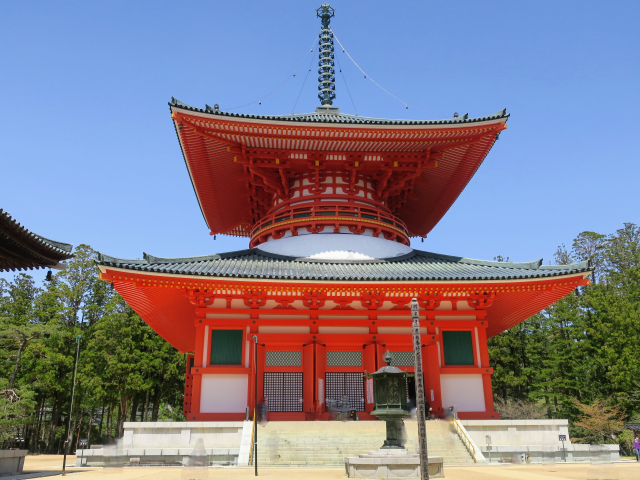
Spend your early afternoon exploring Danjo Garan, the central temple complex built by Kobo Daishi. The standout structure is the Konpon Daito, a towering 48-meter-tall two-tiered vermilion pagoda. Inside, a vibrant three-dimensional mandala featuring the Cosmic Buddha surrounded by statues and painted pillars greets visitors.
┌───────────────────────────────────────────────────────────────────────┐ | KONPON DAITO | | | | /\ | | / \ | | /____\ | | / \ | | /________\ <-- 48m Vermilion Pagoda | | | [ ] | | | |_________| | | | | Inside: 3D Mandala with Cosmic Buddha & Sculpted Deities | └───────────────────────────────────────────────────────────────────────┘ Next, walk to Kongobuji, the head monastery of Shingon Buddhism. Inside, stroll past sliding screen doors painted with gold leaf and crane motifs to reach Banryutei, Japan's largest rock garden. Two granite dragons emerge from a sea of meticulously raked white gravel, symbolizing the protection of the complex.
04:30 PM – Check-In at a Shukubo (Temple Lodging)
Check into your temple lodging (shukubo) for the evening. Accommodations like Eko-in or Shojoshin-in offer authentic cultural immersion: spacious tatami-mat rooms, sliding paper shoji screens, private garden views, and steaming hot baths.
06:00 PM – Evening Monastery Dinner & Night Walk
Enjoy an elaborate multi-course Shojin Ryori dinner served directly to your room by resident monks.
After dark, put on a light coat and head back out to Okunoin Cemetery. The mossy stone lanterns along the path cast warm, flicker-like glows against the giant cedar trunks. The nighttime stillness creates a peaceful, reflective atmosphere that few tourists get to experience.

Day 2: The Ridge Runner – Conquering the Takano-Ryujin Skyline
06:00 AM – Morning Prayer & Goma Fire Ritual
Wake early to the soft ring of temple bells. Join the monks in the main hall for morning prayers. Listening to rhythmic sutra chanting under rows of glowing brass lanterns sets a focused tone for the day. Following prayers, witness the Goma Fire Ritual: monks burn wooden prayer sticks in a consecrated fire, symbolic of clearing mental clutter and negative energy.
+-----------------------------------------------------------------------+ | GOMA FIRE RITUAL | | | | 1. Wood Sticks Written with Wishes/Prayers | | 2. Sacred Consecrated Hearth in Main Temple Hall | | 3. Rhythmic Sutra Chanting accompanied by Taiko Drumming | | 4. Flames Consume Impurities and Offer Spiritual Energy | +-----------------------------------------------------------------------+ 07:30 AM – Temple Breakfast & Departure
Enjoy a light breakfast of rice porridge (okayu), pickled plums (umeboshi), and hot green tea. Return to your room, pack your bag, check out, and head to your Toyota 86.
08:30 AM – The Grand Drive: Entering Route 371
Section: Koyasan Outskirts to Goma-san Tower (20 km)
Slide into the driver’s seat. Turn the key or push the start button; the engine catches quickly. Warm up the oil as you navigate through Koyasan's southern gate onto National Route 371—the Takano-Ryujin Skyline.
[ Koyasan Gate ] | |-- (Km 0 - 5): Gentle climb through dense pine forests |-- (Km 5 - 15): Fast, mid-speed sweeping turns on ridge crests |-- (Km 15 - 20): Technical hairpins & sharp elevation gains v [ Goma-san Tower ] (Elevation: 1,372m) Originally built as a toll road before being dedicated as a free national highway, the Skyline was engineered specifically to follow the high mountain ridges. Within minutes of passing the outer trailheads, the trees drop away on both sides, leaving pure asphalt running along mountain peaks.
This is where the Toyota 86 reveals its true character. With its low center of gravity, firm suspension, and 50/50 weight distribution, the chassis responds instantly to wheel inputs. Second gear, 4,500 RPM—squeeze the throttle coming out of an open right-hand turn. The steering offers precise road feedback, letting you feel every subtle change in asphalt texture.
The road features a satisfying mix of driving elements:
The S-Curves (Km 8–12): Smooth, flowing left-right transitions where you can maintain a comfortable rhythm without heavy braking.
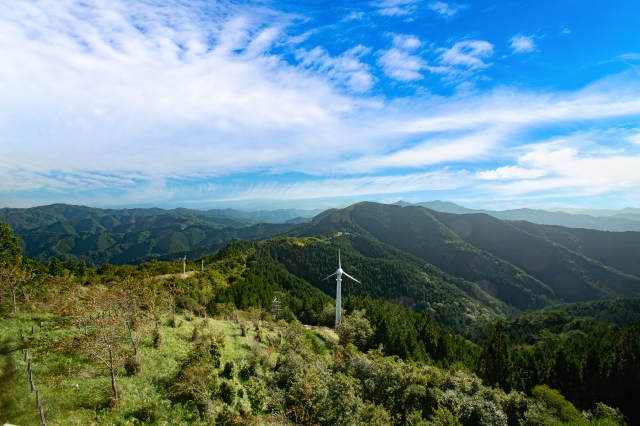
The Ridge Run (Km 13–18): High-elevation stretches with dramatic drop-offs on either side, offering unobstructed views of deep green valleys stretching off into the horizon.
/ \ / \ / \ / \ / \ / \ / \_______/ \_______/ \ [Valley Floor] / Deep Valleys on Left & Right \ ~~~~~~~~~~~~~~~~~~/ \~~~~~~~~~~~~~~~~~~ \_______ TAKANO-RYUJIN ___________/ \ SKYLINE / \_______________/ 10:00 AM – Pitstop: Goma-san Tower & Mount Goma Peak
Elevation: 1,372m
Near the midpoint of the Skyline sits the Goma-san Sky Tower roadside rest center. Park your 86 in the upper lot among local enthusiasts—on any given morning, you'll spot neat JDM sports cars, roadsters, and touring motorcycles resting their engines.
+-----------------------------------------------------------------------+ | GOMA-SAN SKY TOWER | | | | * Peak Altitude: 1,372 meters above sea level | | * Tower Height: 33 meters | | * Facilities: Observation Deck, Cafe, Local Product Shop | | * Highlights: Panoramic views of Kii Peninsula mountain ranges | +-----------------------------------------------------------------------+ Head up to the observation platform for a panoramic 360-degree view across the Kii Mountain Range. On a clear morning, you can see layer upon layer of blue-green mountain peaks stretching all the way to the Pacific ocean horizon. Grab a hot, freshly brewed canned coffee from the vending machine—a staple of Japanese road culture—and take in the quiet mountain surroundings.
11:00 AM – The Downhill Descent: Goma-san to Ryujin Onsen
Section: Goma-san Tower to Ryujin Valley (17 km)
The southern half of the Skyline drops down toward the Hidaka River Valley. Downhill driving tests brake pedal feel and balance control.
[ Goma-san Tower (1,372m) ] \ \-- Heavy engine braking in 2nd/3rd gear \-- Off-camber tight turns \-- Hairpin drops with smooth tarmac v [ Ryujin Onsen Valley (300m) ] Shift down to second gear to use engine braking effectively. The Toyota 86 shines on downhill sections—its light kerb weight means it carries less momentum into technical tight corners, holding its line precisely without pushing into understeer. Brake smoothly before turn-in, hit the apex, and roll back onto the throttle as the corner opens up.
The high-altitude pine forests give way to lush river-valley hardwoods. The air grows warmer and humid, smelling of river rocks and damp foliage as you trace the flow of the upper Hidaka River.
12:30 PM – Arrival at Ryujin Onsen
Elevation: 300m
Tucked away in a steep, forest-lined river gorge, Ryujin Onsen is an authentic hot spring village with over 1,300 years of history. Legend holds that the hot spring was opened by the monk En no Gyoja and later named by Kobo Daishi after the dragon deity protecting the waters. During the Edo period, the rulers of the Kishu Domain built dedicated villas here to unwind.
+-----------------------------------------------------------------------+ | RYUJIN ONSEN HIGHLIGHTS | | | | * Status: One of Japan's "Top 3 Beautifying Hot Springs" | | * Water Type: High sodium-bicarbonate spring (silky, smooth feel) | | * Historic Heritage: Retreat spot for Kishu Tokugawa Clan | | * Signature Dish: Amago (Red-spotted Masu trout) & Wild Boar | +-----------------------------------------------------------------------+ 01:00 PM – Riverside Lunch: Local Mountain Delicacies
Head to a rustic riverside shokudo (eatery) overlooking the clear mountain waters of the Hidaka River.
┌───────────────────────────────────────────────────────────────────────┐ | RIVERSIDE LUNCH MENU | | | | [ Amago Shioyaki ] --> Mountain trout salted & charcoal-grilled | | on bamboo skewers | | [ Botan Nabe ] --> Wild boar meat sliced thin, served with | | mountain vegetables in local miso broth | | [ Sansai Soba ] --> Buckwheat noodles topped with fresh | | harvested mountain ferns and shoots | └───────────────────────────────────────────────────────────────────────┘ Order the local specialties:
Amago Shioyaki: Local red-spotted trout skewer-grilled over glowing oak charcoal, dusted with coarse sea salt. The skin is crispy, while the meat remains tender and sweet.
Sansai Soba: Handmade buckwheat noodles served in a steaming dashi broth topped with freshly gathered mountain ferns, bamboo shoots, and mushrooms.
Botan Nabe (Seasonal): Wild boar meat arranged like peony petals, simmered at your table in a rich local miso broth.
02:30 PM – The Ultimate Soak: Kamigoten or Ryujin Onsen Motoyu
After a morning of mountain driving, visit Kamigoten—a historic inn built in 1639—or the public Ryujin Onsen Motoyu bathhouse.
~ ~ ~ ~ ~ ~ ~ ~ ~ ~ ~ ~ ~ ~ ~ [ Outdoor Rotenburo Bath ] ~ ~ ~ ~ ~ ~ ~ ~ ~ ~ ~ ~ ~ ~ ~ ( Smooth, Silky Mineral Water ) | ( Rocky Riverbank View ) ---------------------------------+--------------------------------- * Soothes driving tension | * Whispering bamboo forests * Rich sodium-bicarbonate water | * Cold clear mountain river below Ryujin water is celebrated throughout Japan as one of the country's "Top Three Beautifying Hot Springs" (Bihada no Yu). Rich in sodium-bicarbonate, the mineral water feels silky smooth against your skin. Step into the outdoor rotenburo bath positioned directly over the rushing river. The combination of warm mineral water, cool mountain breeze, and river views dissolves any remaining driving fatigue.
04:30 PM – Afternoon Return Journey: Route 424 to Osaka
With your body refreshed, return to the car for the easy drive back to Osaka. Take National Route 424 northbound through Wakayama's fruit orchards, renowned for producing citrus fruit (mikan) and green plums (ume).
[ Ryujin Onsen ] | |-- Route 424: Scenic driving through quiet valley orchards |-- Arida / Kainan Expressway Interchange v [ Hanwa Expressway ] | |-- Smooth cruising speed back through Wakayama Plain v [ Osaka Central Return ] As the sun sets over the mountains, merge onto the Hanwa Expressway. The smooth highway ride gives you time to reflect on two packed days of historic temples, mountain roads, local food, and hot spring soaks. Arrive back in central Osaka by 07:00 PM to return your vehicle keys and celebrate your road trip with a piping-hot plate of takoyaki.
Technical Driving Analysis: The Toyota 86 on the Skyline
For automotive enthusiasts, the choice of vehicle determines whether a road trip is simply transport or an unforgettable driving experience. The Takano-Ryujin Skyline is not a high-horsepower drag strip—it is a technical, rhythm-based mountain highway where handling balance, weight management, and precise control matter most.
+-----------------------------------------------------------------------+ | TOYOTA 86 / SUBARU BRZ CHASSIS SPECS | | | | * Engine: 2.0L Naturally Aspirated Boxer (FA20) / 2.4L (FA24) | | * Layout: Front-Engine, Rear-Wheel Drive (FR) | | * Weight Distribution: 53:47 Front-to-Rear | | * Kerb Weight: Approx. 1,240 kg (2,733 lbs) | | * Center of Gravity: 460 mm (Lower than many exotic supercars) | +-----------------------------------------------------------------------+ [ Front Engine (FA20/FA24) ] | +-----------------------+-----------------------+ | | [ Steering Feedback ] [ Drive Power ] | | ( Pure, Unassisted Feel ) ( Rear Wheels ) 1. Low Center of Gravity & Turn-In Precision
Thanks to its flat boxer engine layout, the Toyota 86 features an exceptionally low center of gravity (460 mm). When entering tight off-camber hairpin turns along Route 371, weight transfer feels immediate and predictable. The front end bites cleanly without excessive body roll, allowing you to place the tires right along the apex line.
2. Linear Power Delivery
Unlike high-boost turbocharged vehicles that can break rear tire traction abruptly mid-corner, the naturally aspirated engine delivers power linearly. This makes throttle modulation simple: you can balance the car through long sweeping turns using subtle throttle adjustments.
3. Brake Feel and Heat Management
The downhill section from Goma-san Tower down to Ryujin drops over 1,000 vertical meters across technical corners. The Toyota 86’s light kerb weight prevents brake fade under repeated use. Combined with heel-toe downshifting to utilize engine braking, the middle pedal maintains a firm, confidence-inspiring feel all the way down the mountain.
Takano-Ryujin Skyline: Expert Advice & Cultural Nuances
Understanding Michi-no-Eki (Roadside Stations)
Japan’s roadside station network (Michi-no-Eki) is a highlight of driving through rural Japan. These are far more than standard rest stops; they serve as local cultural hubs, artisan markets, and culinary showcases.
+-----------------------------------------------------------------------+ | WHAT IS A MICHI-NO-EKI? | | | | [ Clean Restrooms ] --> Well-maintained 24/7 public facilities | | [ Local Produce ] --> Fresh farm produce & region-specific goods | | [ Regional Food ] --> Regional specialties cooked fresh to order | | [ EV Charging ] --> Modern fast-charging infrastructure | +-----------------------------------------------------------------------+ Along this route, plan to visit two standouts:
Michi-no-Eki Kudoyama: Famous for fresh local persimmons (kaki), persimmon leaf sushi (Kaki-no-ha Zushi), and historic displays about samurai general Sanada Yukimura.
Michi-no-Eki Goma-san Sky Tower: Offers wild game dishes like deer curry and boar sausage, along with local cedar woodworking items.
Etiquette & Customs for Road Travelers
The "Thank You" Hazard Flashes: When a driver pulls over to let you pass on a narrow mountain road, tap your hazard lights two or three times as you pass. This is Japan's universal highway thank-you signal.
Quiet Hours in Villages: When arriving in quiet towns like Koyasan or Ryujin Onsen early in the morning or late at night, keep engine revs low and avoid idling your vehicle for long periods.
Trash Management: Public trash cans are rare in Japan. Keep a small bag inside your car to carry garbage until you reach a convenience store or Michi-no-Eki station.
Takano-Ryujin Skyline: Detailed Logistics & Pre-Trip Tips
Navigating Japanese road networks in 2026 is simple if you prepare ahead of time.
+-----------------------------------------------------------------------+ | PRE-TRIP CHECKLIST & LOGISTICS | | | | [ Documents ] --> Valid Passport + Home License + International | | Driving Permit (1949 Geneva Convention) | | [ Toll Card ] --> Express Toll Card (ETC) fitted for expressway | | transponders | | [ Navigation ] --> Phone Mount + Offline Maps + Google Maps / Navitime| | [ Currency ] --> Small Yen Cash (1,000 yen bills & coins for parking)| +-----------------------------------------------------------------------+ Express Toll Cards (ETC System)
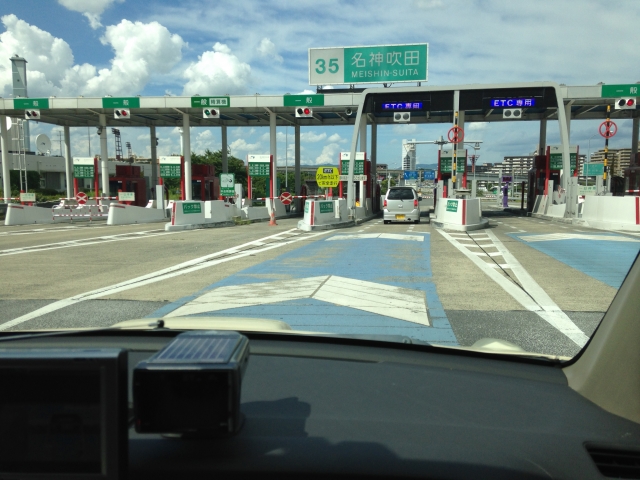
Japan's expressway system relies heavily on the Electronic Toll Collection (ETC) system. When renting your car, request an ETC card for the transponder slot.
[ Expressway Toll Plaza ] ├── [ ETC Lane ] -------> Automatic barrier opens (Card inserted) └── [ Cash/Cashier Lane ] -> Manual payment via cash or credit card Using an ETC card lets you drive smoothly through automated toll lanes marked in purple ETC, skipping manual cash lanes. The card tracks your toll usage, which you settle quickly when returning the car.
Fuel Station Guide: How to Fuel Up Like a Native
Fuel stations in Japan are either Self-Service (セルフ - Serufu) or Full-Service (フル - Furu).
+-----------------------------------------------------------------------+ | JAPANESE FUEL TYPES & TERMINOLOGY | | | | * Regular (レギュラー - Regyurā) --> Red Nozzle (89-91 Octane) | | * High-Octane (ハイオク - Haioku) --> Yellow Nozzle (98-100 Octane) | | * Diesel (軽油 - Keiyu) --> Green Nozzle | | * "Mantan" (満タン) --> Phrase for "Fill it up completely" | +-----------------------------------------------------------------------+ When driving a performance vehicle like the Toyota 86, always use High-Octane (Yellow Nozzle).
At a full-service station:
Roll down your window as the attendant approaches.
Say: "Haioku, mantan, kashu de" (High-Octane, fill it up, paying by credit card).
The attendant will wipe your windows and hand back your receipt with a bow.
Mountain Road Driving Conditions
Seasonal Closures: From early December through late March, parts of the Takano-Ryujin Skyline can experience icy patches, requiring snow tires or winter chain gear. The best driving windows are spring (cherry blossoms) and autumn (vibrant fall foliage).
Speed Limits & Safety: The Skyline has a speed limit of 40–50 km/h. Keep inside your lane, watch out for touring cyclists, and mind local wildlife like deer (shika) or Japanese serow (kamoshika) around dawn and dusk.
Takano-Ryujin Skyline: Comprehensive FAQ
Q1: What documents do I need to rent and drive a car in Japan?
You need three valid documents:
Your original physical Passport.
Your valid Driver's License from your home country.
A valid International Driving Permit (IDP) issued under the 1949 Geneva Convention.
+-----------------------------------------------------------------------+ | REQUIRED DRIVING DOCUMENTS | | | | [ Home Country License ] + [ 1949 Geneva IDP ] + [ Physical Passport]| | | | * Note: Drivers from Switzerland, Germany, France, Belgium, Monaco, | | and Taiwan require an official Japanese translation instead of | | an IDP. | +-----------------------------------------------------------------------+ Important Note: Visitors holding driver's licenses from Switzerland, Germany, France, Belgium, Monaco, or Taiwan cannot use a standard IDP. Instead, you must carry an official Japanese translation of your license issued by the Japan Automobile Federation (JAF) or your home country's embassy.
Q2: Is driving on the left side of the road difficult to adjust to?
Most drivers adapt quickly within 15–20 minutes. Modern Japanese rental vehicles feature clear sightlines, automatic turn-signal cancels, and intuitive controls. The Toyota 86 offers excellent pedal positioning and clear road visibility, helping you build confidence on the road.
Q3: What happens if I am not comfortable driving a Manual Transmission (MT)?
While car enthusiasts enjoy manual driving on technical passes, automatic transmission (AT) versions of sports models like the Toyota 86 are widely available. Automatic models feature steering wheel paddle shifters, letting you control gear changes manually without using a clutch pedal.
Q4: Are there toll fees on the Takano-Ryujin Skyline?
No. The Takano-Ryujin Skyline was converted from a toll road into a free public highway (National Route 371). You only pay standard expressway tolls when traveling between Osaka and the mountain approach roads.
Q5: How do I handle navigation if I don't read Japanese Kanji?
Modern rental cars come equipped with multi-language GPS systems (English, Chinese, Korean). You can enter destinations using phone numbers or Japanese MapCodes. Using Google Maps or Navitime on your smartphone via a reliable dash mount provides clear English turn-by-turn guidance across rural routes.
The Final Thoughts: Take the Wheel of Your Japan Journey
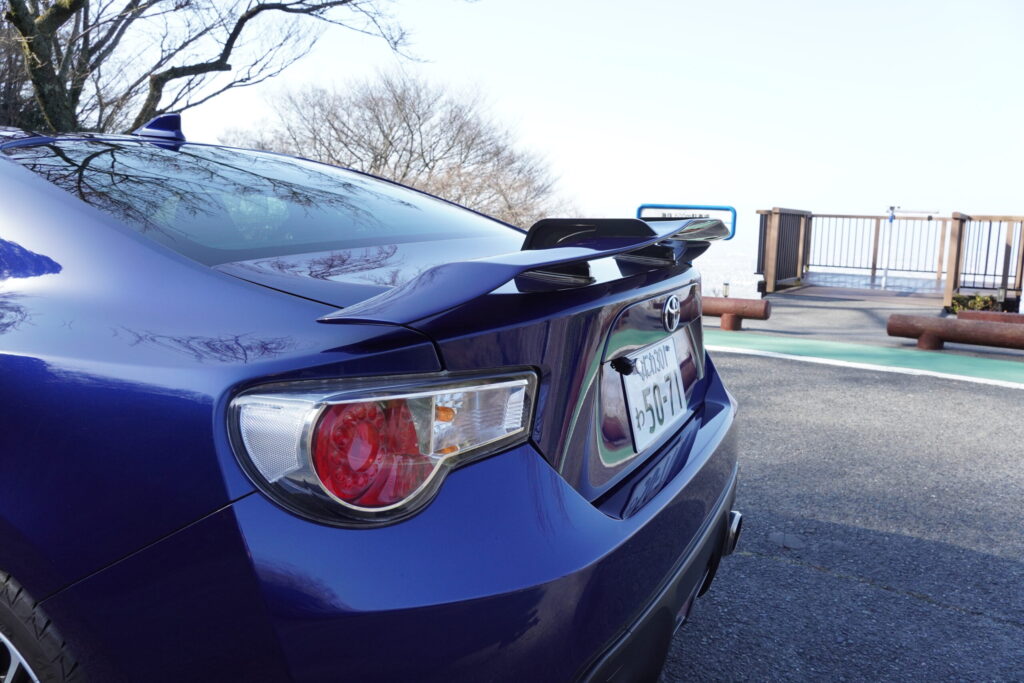
Travel is ultimately about the memories you choose to create. You can join the crowds boarding standard tour buses, following rigid schedules and watching scenic mountain passes fade in the rear-view mirror. Or you can take the wheel, downshift into a sweeping corner, feel the engine respond, and discover the hidden beauty of Japan on your own terms.
+-----------------------------------------------------------------------+ | YOUR ROAD TRIP CHECKLIST | | | | [ ] Reserve your JDM sports car at Omoren Osaka Central | | [ ] Prepare your Passport & 1949 Geneva Convention IDP | | [ ] Request an ETC card for seamless expressway toll travel | | [ ] Pack a lightweight bag and get ready for the open road | +-----------------------------------------------------------------------+ When you are ready to experience the legendary Takano-Ryujin Skyline the way it was meant to be driven—behind the wheel of a meticulously maintained JDM machine like the Toyota 86—your journey starts with the right vehicle partner.
========================================================================= OMOREN OSAKA CENTRAL (おもしろレンタカー) Your Gateway to Iconic JDM Sports Cars & Scenic Kansai Drives ========================================================================= At Omoren Osaka Central (おもしろレンタカー大阪中央店), we share your passion for performance driving and genuine road adventures. Conveniently located in central Osaka, our specialized fleet includes iconic Japanese Domestic Market sports cars like the Toyota 86, tuned and prepared for dynamic road trips through Kansai’s mountain passes.
Whether you are a seasoned automotive enthusiast seeking dynamic twisties or an adventurous traveler eager to explore "Secret Japan," our bilingual team will help you set up your vehicle, configure your ETC transponder, and send you off on an unforgettable trip.
Don't just visit Japan—drive it.
Book your driver's car today at Omoren Osaka Central and create your own story on the Takano-Ryujin Skyline.