
The Philosophy of Driving in Japan: Why the Steering Wheel Beats the Train Track
For years, my life moved along fixed lines. As a former train conductor for Kintetsu Railway, I lived by the exact second, listening to the rhythmic clack-clack of steel wheels on rails and watching the Kansai landscape slice past the window frame in predictable, unyielding geometry. Trains in Japan are a marvel of human engineering and punctual perfection—there is no denying that. They will get you to the major stations, the grand shrines, and the neon-soaked tourist meccas with flawless precision.
However, steel tracks are a double-edged sword. They dictate where you go, when you arrive, and what you see. They keep you locked in a shared corridor with thousands of other travelers, moving along the well-trodden paths of mass tourism.
When I finally stepped out of the conductor’s cabin, swapped my uniform for street clothes, and set out to explore Japan behind the wheel of a sports car, the entire country transformed before my eyes.
Driving in Japan unlocks a dimension of the country that train passengers never get to experience: Secret Japan. It is the Japan of mist-shrouded mountain passes (touge), quiet fishing villages frozen in time, coastal cliffs where the Sea of Japan crashes against basalt columns, and roadside stalls serving seafood caught just hours prior.
Setting out from the bustling metropolis of Osaka, the contrast becomes immediately apparent. Within an hour of driving north, the concrete jungle dissolves into lush green corridors. The highway narrows, giving way to sweeping curves, elevation changes, and coastal tarmac that begs for a driver's touch.
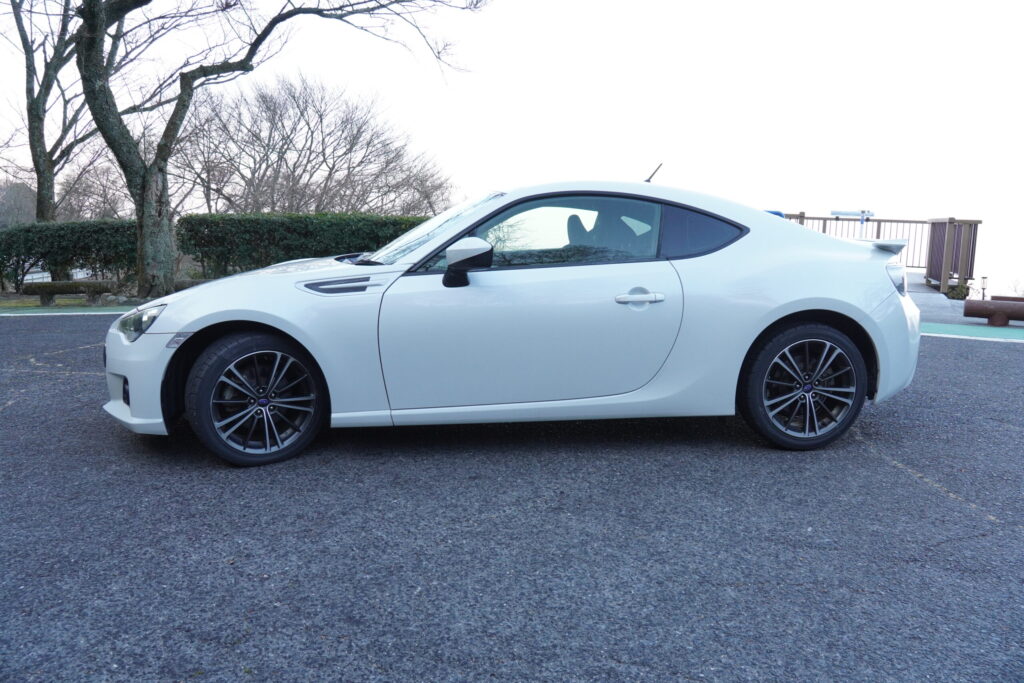
To truly experience this secret side of Kansai, you need the right tool for the job. You do not want an autonomous, soul-less appliance on wheels. You want a front-engine, rear-wheel-drive pure sports car—specifically, the razor-sharp Subaru BRZ (or its twin, the Toyota 86). With its ultra-low center of gravity, naturally aspirated boxer engine, and telepathic steering response, the BRZ does not just transport you; it connects your senses directly to the asphalt.
When you navigate the dramatic coastal bends of the Tango Peninsula with the mechanical growl of a flat-four engine echoing off sea walls, you realize something profound: the journey itself is the destination.

The 2-Day Tango Peninsula Itinerary: Deep Dive into Kansai's Undiscovered Coast
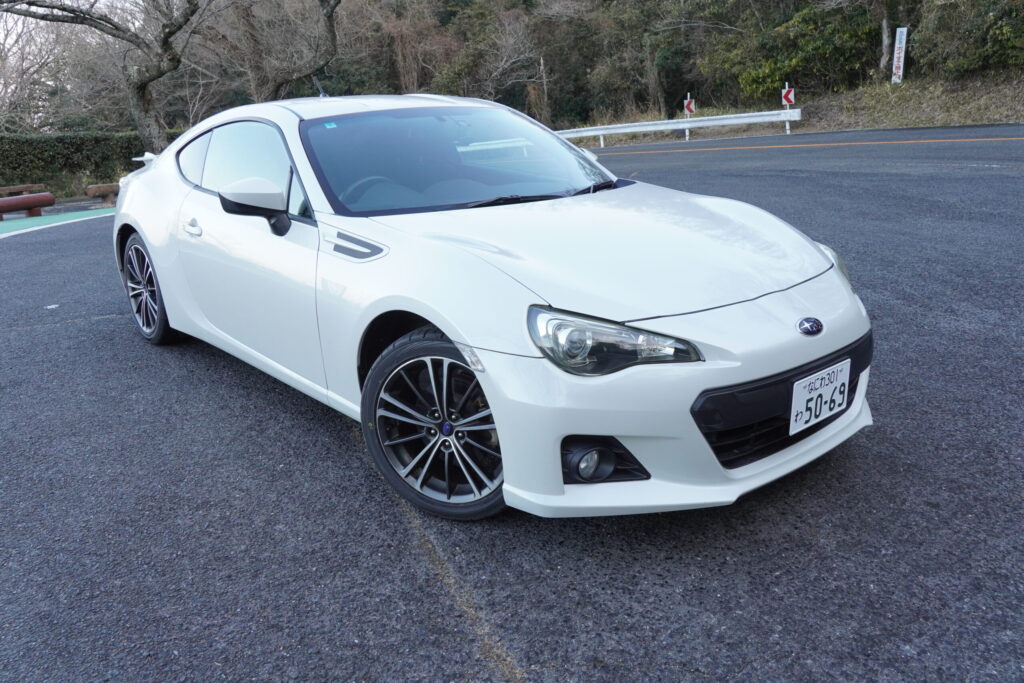
The Tango Peninsula (丹後半島), jutting out into the Sea of Japan in northern Kyoto Prefecture, is one of Japan's most breathtaking yet criminally underrated driving destinations. While millions of tourists crowd into Kyoto City's overcrowded temples, the northern coast offers rugged sea cliffs, ancient maritime history, legendary driving roads, and some of the finest seafood in the country.
This comprehensive two-day itinerary takes you from the urban sprawl of Osaka right into the heart of the Tango Peninsula aboard a Subaru BRZ.
DAY 1: From Osaka Metropolis to the Ancient Sea Gates
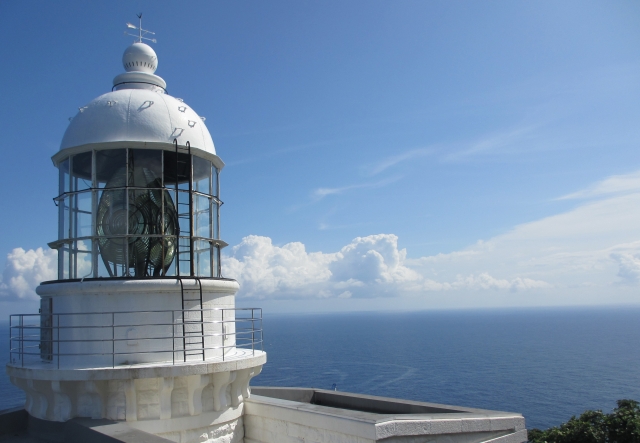
[07:00 AM] Departure from Osaka Central │ ▼ (Hanshin & Inariyama Expressway / Kyoto-Jukan Expressway) [09:00 AM] Amanohashidate (The Bridge to Heaven) │ ▼ (Route 178 - Coastal Sweep) [11:30 AM] Ine no Funaya (The Floating Boathouses of Ine) │ ▼ (Lunch: Local Seafood Sashimi) [01:30 PM] Kyogamisaaki Lighthouse & Touge Run │ ▼ (Sunset Drive along Route 178) [05:00 PM] Sunset at Tateiwa (Standing Rock) & Taiza Onsen Check-in 07:00 AM – Departure from Osaka: Awakening the Boxer Engine
Your journey begins early in the crisp morning air of Osaka. Cold-starting the Subaru BRZ brings a low, deep rumble from the boxer engine—a subtle promise of the dynamics to come. Adjust your seat, drop the driving position low toward the pavement, grip the leather-wrapped steering wheel, and head north.
Leaving Osaka, you join the Hanshin Expressway before connecting to the Kyoto-Jukan Expressway. As the urban high-rises give way to the emerald hills of rural Kyoto, set the cruise control and let the BRZ warm up. The road gently climbs through long tunnels carved directly through mountain granite, revealing deep river valleys cloaked in morning fog upon exit.
09:00 AM – Arrival at Amanohashidate: The Bridge to Heaven
Location: Miyazu Bay, Kyoto Prefecture
Geological & Cultural Significance: One of Japan’s official "Three Scenic Views" (Nihon Sankei). A natural 3.6-kilometer sandbar covered in over 8,000 pine trees spanning Miyazu Bay.
Exiting the expressway at Miyazu-Amanohashidate IC, you take Route 178 toward Amanohashidate. Park the BRZ near Kasamatsu Park on the northern side of the bay. Take the cable car or chairlift up to the observation deck.
To see Amanohashidate properly, perform the traditional matanokoki—bend over and look at the sandbar through your legs. From this inverted angle, the pine-covered strip appears like a green dragon floating across the blue sky, connecting heaven and earth.
The air here smells of salt mixed with mountain pine. Take a quick morning walk through the ancient pine groves before returning to the car, where the real driving begins.
10:30 AM – The Coastal Prelude: Route 178 North
Stepping back into the low-slung cockpit of the BRZ, thumb the engine start button. The route from Amanohashidate toward Ine on Route 178 is a magnificent warm-up.
The road closely hugs the coastline of Miyazu Bay. The pavement is smooth, with long, sweeping gentle turns that allow you to feel the BRZ’s chassis settle. The hydraulic-like feedback from the electric power steering delivers every detail of the road surface directly to your palms. To your right, the sapphire waters of the bay ripple under the morning sun; to your left, forested hillsides drop steeply down to the asphalt.
11:15 AM – Ine no Funaya: The Venice of Japan
Location: Ine Town, Yoza District, Kyoto Prefecture
Historical Significance: A preserved historic district featuring over 230 traditional wooden Funaya (boathouses) dating back to the Edo Period.
Arriving in Ine feels like stepping into a watercolor painting. The town is built around a protected, quiet bay. The unique architecture features two-story wooden structures where the ground floor serves as a garage for fishing boats (opening directly into the water), while the upper floor acts as the family living space.
Park the BRZ at the entrance of the village or at the Ine Bay Observation Deck (Mukaiyama Park). From above, the bay forms a perfect natural harbor, sheltered from the rough waves of the open Sea of Japan.
Walk down to the waterline along the narrow lanes. The quietness is punctuated only by the gentle lapping of waves against wooden hulls and the occasional call of black kites soaring overhead.
Lunch Highlight: Stop at a local waterfront restaurant for a bowl of Kaisendon (fresh seasonal seafood over warm rice), featuring yellowtail (Buri), sea bream, and sweet squid caught in Ine Bay that very morning. The fish is pristine—firm, sweet, and bursting with umami.
01:30 PM – The Masterpiece: Cape Kyogamizaki & The Northern Winding Road
Leaving Ine behind, Route 178 begins its dramatic transformation into a world-class driver's road. This is where the Subaru BRZ leaves ordinary cars far behind.
The road climbs aggressively up the coastal cliffs of Cape Kyogamizaki, the northernmost tip of the Tango Peninsula. The elevation changes rapidly, throwing a series of tight hairpins, off-camber S-curves, and blind crests at you.
Drop the BRZ into second gear. The manual transmission shifts with a short, notch-like precision. As you squeeze the throttle, the naturally aspirated engine climbs smoothly through the rev range, filling the cabin with a mechanical roar. Because the BRZ weighs under 1,300 kg, it changes direction with zero hesitation. There is no body roll—just pure, neutral grip as the mechanical limited-slip differential pushes you out of the apex.
Pull over at the Kyogamizaki Lighthouse Parking Area. A 10-minute forest walk leads you to the historic white stone lighthouse perched on a sheer 140-meter basalt cliff. Standing at the lookout, the vast expanse of the Sea of Japan stretches out infinitely toward the horizon. The wind is fierce, carrying the raw, wild power of the northern ocean.
03:30 PM – Driving Route 178: The West Coast Descent
From the lighthouse, head west along Route 178 toward Kamoto and Tango-cho. This section of road is pure motoring bliss. Carved directly out of volcanic rock cliffs, the road snakes along the shoreline, elevated high above crashing white waves.
Driving Dynamics: Test the BRZ's chassis balance through the flowing rhythm of mid-speed chicanes. The low hood line offers an incredible view of the apexes, allowing you to place your front wheels precisely where you want them.
Visual Wonders: You will pass through a series of dramatic sea tunnels. Open the windows as you pass through—the sound of the boxer engine bouncing off the raw concrete walls is music to any gearhead's ears.
05:00 PM – Sunset at Tateiwa (Standing Rock) & Taiza Onsen
As the afternoon sun begins its slow descent toward the Sea of Japan, arrive at Tateiwa in Tango-cho.
Geological Feature: Tateiwa is a colossal 20-meter tall monolith of columnar jointed basalt protruding directly from the sandy beach at the mouth of the Takeno River. According to local legend, a Prince trapped a demon inside this massive stone.
Park the car along the coastal overlook. As the sun hits the horizon, the sky bleeds into shades of deep orange, violet, and crimson, casting the dark silhouette of Tateiwa against glowing waves.
Check into a local Ryokan (traditional Japanese inn) in the historical hot-spring village of Taiza. Slip into a steaming outdoor onsen (hot spring) filled with mineral-rich thermal water to soak away the driving fatigue while listening to the distant roar of the ocean waves.
Dinner: Indulge in a seasonal feast featuring world-renowned Taiza Crab (during winter months) or fresh rock oysters, snow crab, and local Wagyu beef grilled over charcoal.

DAY 2: Hidden Mountain Passes, Ancient Weaving, and Scenic Returns
[08:30 AM] Departure from Taiza Onsen │ ▼ (Route 685 & 652 - Mountain Touge) [09:30 AM] Nariaki Observation Deck (Tango Sky Line) │ ▼ (Route 312 - Inland Valley) [11:30 AM] Yosano Silk Town (Tango Chirimen Heritage) │ ▼ (Lunch: Local Izushi Hand-crafted Soba) [01:30 PM] Izushi Castle Town & Mountain Run │ ▼ (Ayabe-Wachi Road / Kyoto-Jukan Expressway) [05:00 PM] Return Journey to Osaka Central 08:30 AM – Morning Mountain Run: The Tango Sky Line
Wake up early, enjoy a traditional breakfast of grilled fish, miso soup, and local rice, and step back out into the cool morning air. Today, you trade the ocean waves for mountain crests.
Set your destination inland along Route 652, climbing toward the Tango Sky Line (Nariaki Pass). Unlike the open ocean vistas of Route 178, these mountain pass roads (touge) are narrow, dense with greenery, and technically challenging.
This is the natural habitat of the Subaru BRZ. The low-rpm torque pulls the car out of tight hairpin corners easily, while the sharp brakes allow you to scrub speed smoothly right before turn-in. Sunlight filters through the dense canopy of cedar and beech trees, creating a dappled light effect on the asphalt as you work the three pedals and wheel in rhythmic harmony.
09:30 AM – Nariaki Observation Deck
At the summit, pull into the Nariaki Viewpoint. From here, you get a bird's-eye view looking back down over the entire Miyazu Bay and the distant stripe of Amanohashidate. Morning mist frequently pools in the valleys below, creating a surreal scene where mountain peaks rise like islands out of a white sea of cloud.
11:30 AM – Yosano Silk District: The Sound of Shuttles
Descend the mountain pass into the quiet valley of Yosano.
Cultural Context: The Tango region has been the premier producer of Tango Chirimen (a unique textured silk crepe fabric) for over 300 years. Even today, a vast majority of Japan’s high-grade Kimono obi (sashes) and fabrics originate right here.
Park the car in the Chirimen Kaido Historic District. As you walk down the preserved street lined with Edo and Taisho-era wooden merchant houses, a distinct rhythmic clicking sound fills the air—the sound of traditional mechanical looms weaving silk inside historic workshops.
Visit a local textile museum or artisan shop to feel the soft texture of hand-woven silk. The craftsmanship and dedication to perfection seen in these weavers mirror the engineering precision found in Japanese sports cars.
01:30 PM – Izushi Castle Town: Soba & Feudal Streets
Drive southwest across the prefectural border into Hyogo Prefecture to visit Izushi, a charming castle town often referred to as "Little Kyoto."
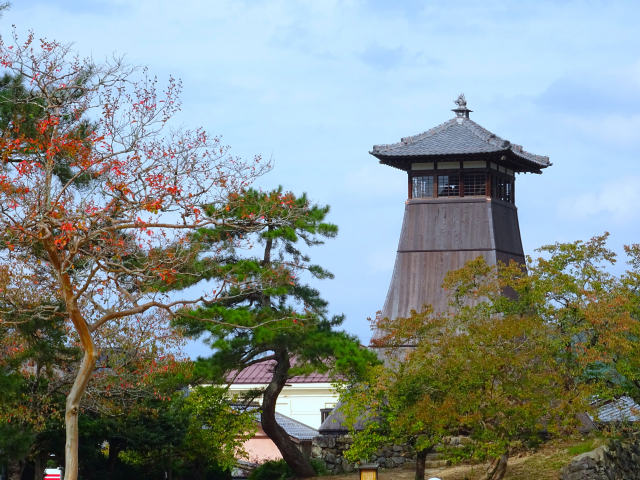
Park near the iconic Shinkoro Clock Tower—the oldest operational wooden clock tower in Japan, built on the stone foundations of the former castle gate in 1871.
Gastronomic Highlight - Izushi Sara Soba: Izushi is famous throughout Japan for its unique style of serving buckwheat noodles (Soba). Instead of one large bowl, the noodles are served in small portions across five tiny ceramic dishes (sara). Mix your dipping sauce with fresh grated mountain yam (tororo), raw egg, and spring onions. The noodles are firm, fragrant, and immensely satisfying after a morning of active driving.
03:30 PM – The Homeward Stretch: Wachi Valley to Osaka
From Izushi, take Route 426 toward Route 9, linking back to the Kyoto-Jukan Expressway via the picturesque rural town of Ayabe.
This inland driving route winds alongside clear, stone-filled rivers through farmland where traditional thatched-roof farmhouses still stand. The BRZ settles into a comfortable highway cruise as dusk approaches.
As the sun sets, the green countryside gradually fades back into the glowing, neon-lit skyline of Osaka. By 05:30 PM, you arrive back in the city center—tired, exhilarated, and fundamentally changed by the realization of what lies just beyond the highway exits of Japan.
Expert Advice & Cultural Nuances: Mastering the Japanese Road Trip
Driving through rural Japan is a joyful experience, but it comes with its own unique set of cultural rules, hidden gems, and operational norms that every overseas driver should know.
The Magic of Michi-no-Eki (Roadside Stations)
Forget dirty highway rest stops with stale fast food. Japan’s network of over 1,100 Michi-no-Eki (道の駅) are local cultural hubs that celebrate the region they inhabit.
What to Expect: Every Michi-no-Eki features immaculately clean restrooms, 24/7 parking, local produce markets, regional hot food stalls, and tourist information centers.
Tango Peninsula Must-Visits:
Michi-no-Eki Ine-no-Funaya: Offers commanding panoramic views of the bay and serves fresh local fish soups.
Michi-no-Eki Tango Kingdom Shokuno-Miyako: One of the largest rest stops in Kansai, featuring mini-breweries, artisanal sausage shops, and handmade gelato using local dairy.
Pro Tip: Try the seasonal soft-serve ice cream (Soft-cream) at every stop. From black sesame and local soy sauce flavors to sweet Tango melon and matcha, it is an essential Japanese road trip ritual.
┌─────────────────────────────────────────────────────────────────┐ │ MICHI-NO-EKI CHECKLIST │ ├─────────────────────────────────────────────────────────────────┤ │ ✔ Fresh local produce & regional snacks │ │ ✔ Clean 24/7 rest facilities │ │ ✔ Unique regional soft-serve ice cream flavors │ │ ✔ Collector's stamp station for road-trippers │ └─────────────────────────────────────────────────────────────────┘ Driving Etiquette on Narrow Touge Roads
When driving scenic winding roads like Route 178 or mountain passes around Tango, keep these unwritten rules in mind:
The Hazard Light Thank-You (Katai): If a local driver or truck pulls over on a narrow turn to let your faster sports car pass, tap your hazard lights twice after overtaking as a polite "thank you."
Speed Limits vs. Traffic Flow: Speed limit signs on rural coastal roads often read low (40 km/h or 50 km/h). Drive at a safe pace that matches the natural flow of local traffic, especially around tight residential corners.
Yield to Local K-Trucks: You will frequently encounter tiny white 660cc mini-trucks (Kei-trucks) driven by local farmers or fishermen. They know these roads better than anyone—give them space and patience.
Detailed Logistics & Pre-Trip Tips for International Drivers
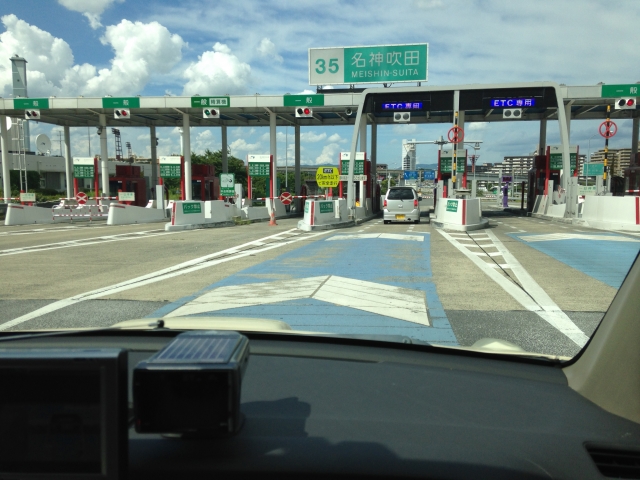
Driving a JDM sports car in Japan in 2026 is simple if you are properly prepared. Here is everything you need to know before turning the key.
Navigation and Tolls: The ETC Card Advantage
Japan’s expressway network relies heavily on electronic tolling.
ETC (Electronic Toll Collection): Make sure your rental car is equipped with an ETC card reader and that you rent an active ETC card. This allows you to drive through dedicated blue "ETC" lanes at highway gates without stopping to pay cash, saving significant time and unlock off-peak toll discounts.
Navigation: Modern JDM rentals feature English GPS units, but pairing your smartphone to use Apple CarPlay or Google Maps via Bluetooth is often the most updated route for real-time traffic updates.
Mastering Japanese Gas Stations (GS)
Fueling up in Japan is an efficient, highly polite affair. There are two types of stations: Full Service and Self Service (セルフ).
Full Service Protocol:
Pull up to the pump (indicated by color: Red = Regular / Yellow = High Octane Premium / Green = Diesel).
The attendant will direct you. Roll down your window.
Key Phrase: Say "High Octane, Mantan, Cash-u" (or Credit Card-u).
High Octane (ハイオク - Haioku) is REQUIRED for high-performance engines like the Subaru BRZ / Toyota 86.
Mantan (満タン) means "Fill it to the top."
The attendant will often offer to wipe your windshield and hand you a wet towel for your dashboard.
┌─────────────────────────────────────────────────────────────────┐ │ JAPANESE GAS STATION GUIDE │ ├─────────────────┬─────────────────────┬─────────────────────────┤ │ Fuel Type │ Pump Handle Color │ Vehicle Match │ ├─────────────────┼─────────────────────┼─────────────────────────┤ │ High-Octane │ YELLOW │ Subaru BRZ / JDM Sports │ │ Regular │ RED │ Standard Passenger Cars │ │ Diesel │ GREEN │ Trucks / Heavy SUVs │ └─────────────────┴─────────────────────┴─────────────────────────┘ The Thrill of Driving a Manual Transmission JDM Car
The Subaru BRZ is engineered around the connection between driver and machine. Operating a manual gearshift with your left hand (in right-hand drive Japan) takes about 10 minutes of adjustment if you come from a left-hand drive country, but quickly becomes second nature.
The pedal placement in the BRZ is designed perfectly for heel-and-toe downshifting. As you drop down gears entering a sharp coastal corner on Route 178, blipping the throttle matches the revs smoothly, keeping the chassis perfectly poised. It turns every turn into a rewarding moment of mechanical skill.
Comprehensive FAQ for Overseas Drivers
1. What documentation do I need to drive a rental car in Japan?
You must present three items when picking up your vehicle:
Your Original Driver’s License from your home country.
A valid International Driving Permit (IDP) issued under the 1949 Geneva Convention.
Your Passport.
Important Note: IDPs issued under the 1968 Vienna Convention are NOT accepted in Japan. Drivers holding licenses from specific countries like Germany, Switzerland, France, Taiwan, Belgium, and Monaco must present an official Japanese translation of their license issued by the JAF (Japan Automobile Federation) or their respective embassy, rather than an IDP.
2. Is driving on the left side of the road difficult to adapt to?
Most drivers adapt within 15 to 30 minutes. In a right-hand drive car like the Subaru BRZ, your body sits toward the center line of the road, which naturally helps keep you properly aligned in the lane. Follow the car ahead of you, take your time at intersections, and remember: keep the driver side closest to the middle of the road.
3. Do I need winter tires for the Tango Peninsula?
If you are driving between late December and early March, yes. The Tango Peninsula faces the Sea of Japan and receives significant snowfall (Yukiguni). Always request studless winter tires from your rental provider during these months. From April to November, standard sports performance summer tires are ideal.
4. What happens if I encounter a toll booth without an ETC card?
If you do not have an ETC card, you must enter the green manual lane (一般 - Ippan), take a paper ticket upon entry, and pay with cash (Japanese Yen) or credit card to the attendant or automated machine when exiting.
The Final Thoughts: Take the Wheel of Secret Japan
The real beauty of Japan does not live behind the glass windows of a high-speed bullet train, nor does it exist on overcrowded tour buses shuffling between designated selfie spots.
It lives on the winding ribbons of asphalt along the Tango Peninsula. It hides in the coastal sea breeze blowing past open car windows on Route 178. It reveals itself in the mechanical melody of a Subaru BRZ dropping two gears as you carve through a pristine mountain pass at sunrise.
When you return to Osaka after two days of unadulterated road travel, you will not just have pictures—you will have memories carved into your mind by every apex, every ocean sunset, and every turn of the wheel.
Your journey into Secret Japan begins the moment you turn the key.
Ready to Drive?
Stop observing Japan like a spectator. Take control of your adventure with Omoren (Omoshiro Rent-a-Car) Osaka Central.
Located conveniently in the heart of Osaka, Omoren specializes in meticulously maintained, high-performance Japanese sports cars—including pure, manual-transmission Subaru BRZ and Toyota 86 models, built for drivers who truly love the road.
Vehicle Choice: Hand-picked, enthusiast-grade JDM icons equipped with sports suspension, tuned exhausts, and crisp manual gearboxes.
Foreign-Driver Friendly: Full support with English guidance, ETC card rentals, and local driving recommendations.
Don't settle for an ordinary vacation. Reserve your JDM sports car today at Omoren Osaka Central, hit the starter button, and set out to conquer the breathtaking coastlines of the Tango Peninsula!