
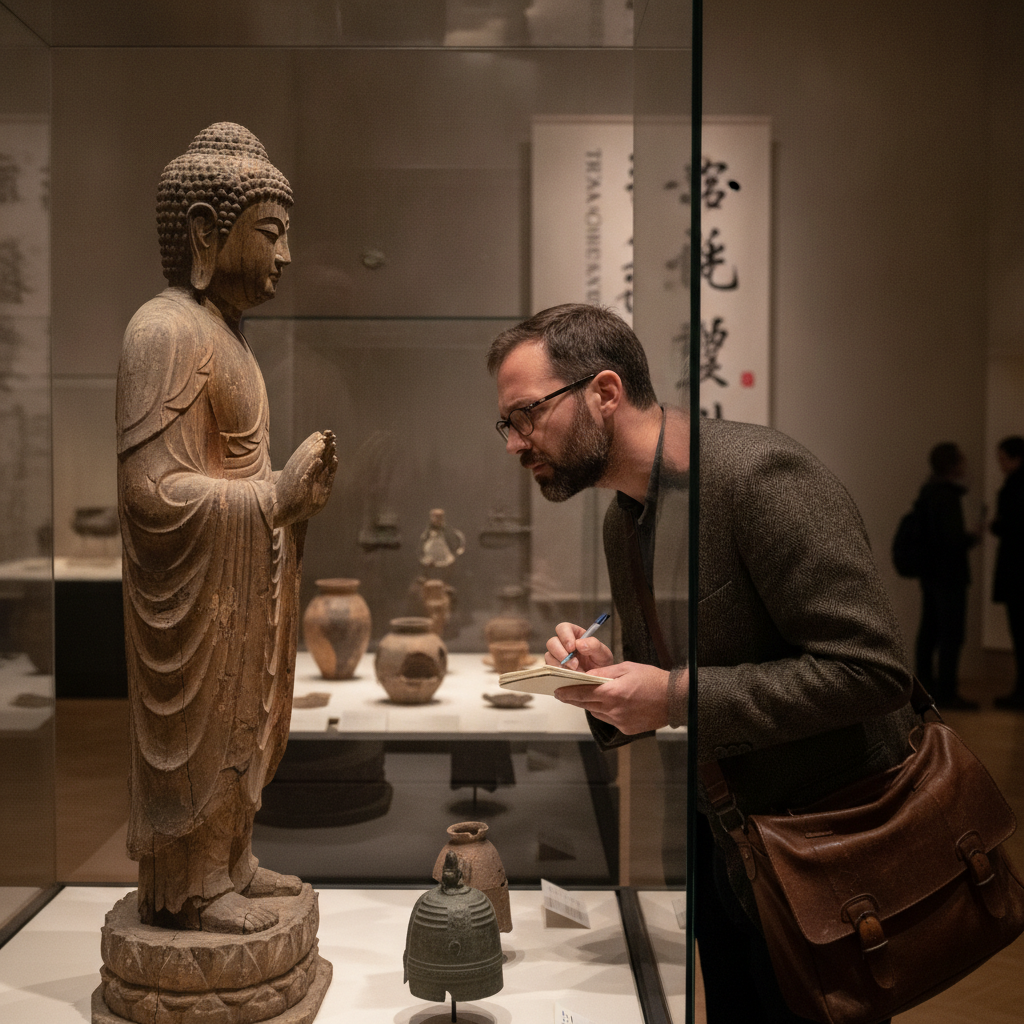
Ah, Japan. The land of bullet trains, meticulously timed public transport, and an efficiency that often leaves visitors awestruck. Indeed, during my years as a conductor for Kintetsu Railways, I witnessed firsthand the incredible precision and reach of our rail network. From the bustling heart of Osaka to the serene temples of Nara, the trains delivered millions of passengers with unparalleled reliability. But allow me, a former conductor who has since traded his uniform for the thrill of a steering wheel and the open road, to let you in on a profound secret: the true, unvarnished soul of Japan, its deepest historical echoes, its most breathtaking hidden vistas, and its most intimate cultural encounters, are not found gazing out a train window. They are discovered with your hands on the wheel, the rumble of a finely tuned engine beneath you, and the freedom of the road unfolding ahead.
Nara Historical Walk, Ancient History, Temples & Shrines, Historic Sites, Museums - The Philosophy of Driving in Japan
For too long, the narrative of Japanese travel has been dominated by the shinkansen and local lines. While undeniably convenient for city-to-city transfers, they are, by their very nature, conduits. They follow established routes, stop at designated stations, and offer a curated, albeit magnificent, experience. But what about the ancient village nestled in a verdant valley, accessible only via a winding country lane? What about the forgotten Shinto shrine, cloaked in primeval forest, its stone lanterns silently guarding centuries of prayers, too remote for a bus route? This, my friends, is the 'Secret Japan' I speak of, and it is exclusively unveiled from behind the wheel of a car.
Consider the Kansai region, with vibrant Osaka as your pulsating starting point. While the trains will whisk you to the main arteries of Kyoto and Nara, they will never grant you the spontaneity to pull over for a photograph of a sun-drenched rice paddy, nor the flexibility to linger at a small, family-run pottery studio you stumbled upon. Public transport, by design, dictates your pace. A car, especially a spirited JDM machine like the Subaru BRZ or Toyota 86, empowers you. It transforms travel from mere transit into an immersive adventure, a dialogue between you, the road, and the very landscape of Japan.
To truly delve into the ancient history, the profound spirituality of the temples and shrines, the solemn majesty of historic sites, and the treasure troves of museums in the Nara area, a car is not just an option – it is a necessity for the discerning explorer. The scattered nature of many ancient Kofun tombs, the secluded location of some of Japan's most significant Buddhist temples, and the rural charm of areas like Asuka, the very birthplace of the Japanese nation, demand the freedom of personal transport. It allows you to craft your own narrative, to chase the mist-shrouded peaks at dawn, or to witness a sunset paint the ancient landscape in hues unseen by the train-bound masses. It's about feeling the road, smelling the cedar forests, and hearing the subtle hum of your engine harmonizing with the cicadas – sensations utterly lost in the sterile confines of a train carriage. This is not just driving; it is an act of communion with Japan's soul.
Nara Historical Walk, Ancient History, Temples & Shrines, Historic Sites, Museums - The 2-Day Itinerary: Deep Dive

Prepare yourselves, fellow adventurers and purveyors of asphalt artistry, for an odyssey into the ancient heart of Japan. This isn't merely a trip; it's a meticulously crafted two-day immersion, designed to satisfy the history buff, the culture seeker, and most importantly, the driver who craves the tactile thrill of a manual transmission and the precision of a JDM legend. Our chariot for this grand exploration will be none other than the magnificent Toyota 86 or Subaru BRZ – a perfectly balanced machine, eager to carve through Japan's storied roads, connecting you directly to the tarmac and the soul of the land.
Day 1: From Osaka's Pulse to Nara's Ancient Embrace
08:00 AM - 09:00 AM: The Anticipation in Osaka
The morning mist still clings to the urban canyons of Osaka as you settle into the low-slung cabin of your 86/BRZ. The scent of genuine leather and performance plastics fills the air, a stark contrast to the aroma of freshly brewed coffee wafting from nearby cafes. You grip the leather-wrapped steering wheel, the shift knob cool beneath your palm. With a precise twist of the key, the horizontally opposed engine barks to life with a throaty growl, a promise of the exhilarating journey ahead. The city hums, but your focus is singular: the ancient wonders of Nara await. With a smooth clutch engagement and a precise shift into first, we peel away from the urban sprawl, heading east on the Hanwa Expressway. The early morning traffic is light, allowing the 86/BRZ to stretch its legs, the engine revving cleanly as you accelerate onto the highway. The sensation is sublime – responsive, direct, and invigorating. The journey itself becomes an integral part of the adventure.
09:00 AM - 10:00 AM: Carving the Path to Nara
The transition from the concrete jungle to the verdant embrace of the Kansai countryside is swift and dramatic. The highway gives way to arterial roads, then to increasingly charming prefectural routes. As we approach Nara, the roads begin to undulate, offering tantalizing glimpses of the handling prowess of your 86/BRZ. The steering, a masterpiece of communicative feedback, allows you to feel every nuance of the tarmac. The road twists and turns, a ballet of precise inputs and perfectly executed heel-and-toe downshifts. The engine note, a mechanical symphony, rises and falls with each gear change. The scenery outside transforms from suburban sprawl to pockets of forest, then expansive rice fields shimmering under the morning sun, dotted with traditional farmhouses. You sense the history seeping into the landscape, a preamble to the profound ancient narratives we are about to uncover.
10:00 AM - 12:00 PM: Todai-ji Temple & Nara Park – A Colossal Encounter
As we navigate the final approach into Nara, parking becomes remarkably straightforward, a testament to thoughtful urban planning for drivers. We secure our 86/BRZ, its sleek lines contrasting beautifully with the ancient backdrop, and step out into the crisp Nara air. The first major stop is the awe-inspiring Todai-ji Temple, home to the Great Buddha. The sheer scale of the Daibutsu-den (Great Buddha Hall) is breathtaking – the largest wooden building in the world, a testament to ancient Japanese architectural and spiritual ambition. As you approach through the Nandaimon Gate, guarded by two fierce Nio guardian statues carved with incredible detail, the sense of stepping back in time is palpable. The scent of ancient wood and incense hangs heavy in the air. Inside, the colossal bronze statue of Vairocana Buddha, serene and majestic, emanates an aura of profound peace. Its history is as immense as its size, a symbol of national unity and prayer in the 8th century. Around the temple, Nara Park teems with friendly sika deer, considered messengers of the gods. Interacting with these gentle creatures, offering them 'shika senbei' (deer crackers), adds an element of whimsical charm to the sacred journey. The sunlight filters through the ancient trees, dappling the mossy ground, and the faint chime of temple bells drifts on the breeze. It's a multisensory experience that begins our deep dive into Japan's ancient soul.
12:00 PM - 01:00 PM: Kofuku-ji Temple – Pagoda's Elegance
A short, pleasant walk from Todai-ji brings us to Kofuku-ji Temple, another jewel in Nara's crown and a UNESCO World Heritage site. While its original grandeur was even greater, its remaining structures, particularly the stunning Five-storied Pagoda (Goju-no-to), are magnificent. Standing tall against the vibrant blue sky, it’s Japan’s second-tallest pagoda, a graceful silhouette that has weathered centuries of change. The gentle wind whispers through its eaves, carrying echoes of countless generations who have sought solace here. The temple's National Treasure Museum houses an exquisite collection of Buddhist art, including the captivating Ashura statue, its three faces and six arms conveying a complex range of emotions. Here, the art and history blend seamlessly, offering profound insights into the spiritual and artistic achievements of the Nara period. The contrast between the imposing Daibutsu and the elegant pagoda provides a wonderful balance to our morning's historical exploration.
01:00 PM - 02:00 PM: Lunch – Nara's Culinary Delights
After immersing ourselves in ancient grandeur, it’s time to nourish the body. Nara offers unique culinary experiences that reflect its rich history. We'll seek out a traditional establishment for lunch. Imagine savoring “kakinoha-zushi,” bite-sized sushi wrapped in persimmon leaves, a local specialty that dates back centuries. The delicate flavor of the cured fish, often mackerel or salmon, infused with the subtle fragrance of the persimmon leaf, is a revelation. Or perhaps “chagayu,” a comforting tea porridge, a staple since ancient times, served with an array of delicate pickles. The rich umami and delicate textures are a testament to Japan's culinary artistry, a humble yet profound connection to the past. Each mouthful is a discovery, a story whispered through generations of chefs. The interior of the restaurant, often minimalistic yet elegant, provides a serene backdrop to this delicious pause, allowing the morning’s historical impressions to settle.
02:00 PM - 03:30 PM: Isuien Garden & Neiraku Museum – Tranquil Beauty
With our palates satisfied, we seek a different kind of beauty: the meticulously crafted landscape of Isuien Garden. This classical Japanese garden, one of Nara's finest, utilizes the principle of “shakkei” or borrowed scenery, incorporating the Nandaimon Gate of Todai-ji and the distant Wakakusa-yama hill into its expansive design. Walking through its winding paths, past tranquil ponds reflecting ancient trees and delicate bridges, is a meditative experience. The air is cool and fragrant, filled with the gentle rustle of leaves and the distant chirping of birds. Adjacent to the garden is the Neiraku Museum, housing a remarkable collection of ancient Chinese and Korean ceramics, bronze ware, and seals. This private collection offers a fascinating glimpse into the broader East Asian cultural sphere that heavily influenced ancient Japan. It’s a perfect interlude, offering both natural serenity and artistic enlightenment, a quiet moment of reflection before our next major historical encounter. The tranquility here is a balm for the senses, a momentary escape from the grand narratives of emperors and colossal Buddhas, yet still deeply rooted in the aesthetic sensibilities of Japan's past.
03:30 PM - 05:30 PM: Kasuga Taisha Shrine – Forest, Lanterns, & Deeper Spirituality
Our 86/BRZ awaits, eager for the next stretch. We embark on a brief, exhilarating drive towards Kasuga Taisha Shrine. The approach itself is magical: a long, winding path through a primeval forest, lined with thousands of moss-covered stone lanterns that have stood for centuries. The dappled sunlight filtering through the dense canopy creates an ethereal glow, an atmosphere of deep reverence. The engine note of the 86/BRZ, subtly echoing through the trees, adds a modern counterpoint to this ancient pilgrimage route. Kasuga Taisha, founded in the 8th century, is renowned for its vibrant vermilion architecture and its countless bronze lanterns, suspended from the eaves of its buildings. The shrine is dedicated to the deities responsible for the protection of Nara and the prosperity of the nation. Stepping into its inner sanctum, you feel the profound connection to nature and the divine that has shaped Japanese spirituality for millennia. The air is thick with history, the gentle chime of unseen bells carried on the wind. The vibrant colors of the shrine stand in stunning contrast to the deep greens of the surrounding forest, creating a visual feast. The sheer number of lanterns, particularly during lantern festivals, is a sight of breathtaking beauty, a luminous link to a timeless past.
05:30 PM - 06:30 PM: Evening Drive & Check-in
As the sun begins its slow descent, casting long shadows across the ancient city, we make our way to our accommodation. Whether a traditional ryokan offering the timeless comfort of tatami mats and futons, or a modern hotel with views of Nara's historical landscape, the drive is brief and reflective. The 86/BRZ handles the gentle evening traffic with effortless grace, its headlights cutting through the twilight. The day's myriad impressions – the colossal Buddha, the graceful pagoda, the tranquil garden, the spiritual forest – swirl in your mind, a rich tapestry of ancient Japan. The freedom of having your own vehicle means no rushing for the last train; you simply enjoy the quiet beauty of the evening drive.
07:30 PM onwards: Dinner & Rest
For dinner, perhaps indulge in “Yoshino-kuzu,” a delicate kudzu starch dish, or a multi-course kaiseki meal if staying at a ryokan, showcasing seasonal ingredients with artistic presentation. The flavors are subtle, refined, a culinary art form that mirrors the aesthetic beauty encountered throughout the day. After a day of profound exploration, the comfort of your chosen accommodation beckons. As you drift to sleep, the images of ancient emperors, diligent monks, and the silent strength of monumental wooden structures fill your dreams, punctuated by the faint memory of the 86/BRZ's responsive purr. Day one has been an unparalleled success, a testament to the power of combining historical inquiry with the sheer joy of driving.
Day 2: Delving Deeper into Japan's Origins – Asuka & Horyu-ji
08:30 AM - 09:30 AM: Morning Drive to Asuka – Unveiling the Cradle of Japan
Awakening refreshed, the prospect of venturing beyond Nara's immediate embrace is exhilarating. Today, the 86/BRZ truly comes into its own, allowing us to explore areas less frequented by typical tourists – the very cradle of Japanese civilization: Asuka Village. We bid farewell to central Nara and point our sleek JDM machine southwest. The roads quickly transition into charming country lanes, winding through picturesque valleys and past ancient burial mounds (kofun). This is where the 86/BRZ shines; its nimble chassis and perfectly weighted steering make these backroads a joy to navigate. The engine hums a contented tune as you shift through the gears, the responsive acceleration carrying you effortlessly up gentle inclines and around sweeping bends. The air is fresh, scented with rich earth and blooming flowers. This is the heartland, the landscape where emperors walked and ancient beliefs were forged. Every curve in the road feels like a turn in the pages of history.
09:30 AM - 12:00 PM: Asuka Village – Birthplace of a Nation
Asuka Village is not a grand city but a sprawling, bucolic landscape dotted with extraordinary historical treasures. Here, amongst tranquil rice paddies and rolling hills, lie the remnants of Japan's first permanent capital. Our first stop is the Ishibutai Kofun, a massive stone burial mound, the largest megalithic structure in Japan, believed to be the tomb of Soga no Umako, a powerful statesman of the Asuka period. Walking around this imposing structure, you can almost hear the echoes of ancient court intrigues and power struggles. Its sheer size and the precision of its construction, using gargantuan granite blocks, are astounding given the technology of the 7th century. From there, we might drive (or cycle, if you prefer a brief break from the car) to the mysterious Masuda no Iwafune, a colossal carved stone object of unknown purpose, perched atop a hill. Its enigmatic presence sparks endless theories – an ancient observatory? A deity? The journey between these sites in the 86/BRZ is part of the experience, the freedom to stop at a local farm stand, or to simply pull over and gaze at the idyllic scenery, is priceless. The quietude of Asuka, broken only by the chirping of birds and the distant thrum of your engine, allows for deep contemplation of Japan’s formative years. It's a place where history feels alive, not merely preserved behind glass.
12:00 PM - 01:00 PM: Lunch in Asuka – Taste of the Countryside
Lunch in Asuka is a delightful affair, often found in quaint, family-run eateries that specialize in fresh, local produce. Expect simple yet incredibly flavorful dishes that highlight the bounty of the region. Perhaps “asuka nabe,” a milky hot pot that dates back to ancient times, a comforting and unique flavor profile. Or freshly harvested vegetables, grilled or lightly simmered, showcasing the natural sweetness of ingredients grown in this fertile land. The pace here is slower, the atmosphere warm and inviting. It's an opportunity to truly connect with the local culture, enjoying food prepared with generations of love and tradition. The aroma of simmering broths and freshly steamed rice fills the air, a humble yet profound culinary experience that grounds you in the present while surrounded by the past.
01:00 PM - 02:00 PM: Drive to Horyu-ji – A Spiritual Journey
With satisfied appetites, we set off for Horyu-ji, another UNESCO World Heritage site and an essential stop for understanding Japan's ancient Buddhist heritage. The drive from Asuka to Horyu-ji takes us along slightly wider, yet still scenic, prefectural roads. The 86/BRZ performs flawlessly, its precise handling making every turn an engaging experience. The landscape continues to be a tapestry of agriculture and small, traditional villages, interspersed with small hills and forests. This drive itself is a journey through time, away from the more urbanized zones, allowing your mind to prepare for the profound spiritual experience that awaits at Horyu-ji. The engine's gentle thrum becomes a comforting companion as you cruise, anticipating the next historical revelation.
02:00 PM - 04:30 PM: Horyu-ji Temple – The World's Oldest Wooden Structures
Horyu-ji Temple is nothing short of miraculous. Home to the world's oldest surviving wooden structures, it stands as an unparalleled testament to early Japanese Buddhist architecture and art. Founded by Prince Shotoku in the early 7th century, its serene grounds contain masterpieces like the Kondo (Main Hall) and the Five-storied Pagoda, both displaying incredible architectural ingenuity and artistic expression that have endured for over 1300 years. The deep, rich color of the ancient wood, burnished by centuries of sun and rain, is captivating. Stepping inside the Kondo, with its ancient Buddhist statues emanating an otherworldly calm, is a truly profound experience. The air here feels heavy with history, with the countless prayers and meditations that have filled these spaces over more than a millennium. The peaceful atmosphere of the precinct, the meticulously maintained gardens, and the sheer antiquity of the structures combine to create an unforgettable sense of awe. This is not just a temple; it is a living museum, a bridge to a distant past, beautifully preserved and deeply spiritual. You can almost feel the presence of Prince Shotoku and the early Buddhist masters who walked these very grounds.
04:30 PM - 05:30 PM: Lingering Moments & Final Nara Views
Before beginning our journey back to Osaka, we take a moment to absorb the last vestiges of Nara's ancient charm. Perhaps a final drive through a scenic route, or a stop at a local viewpoint to gaze over the patchwork of fields and distant hills, bathed in the soft glow of the late afternoon sun. The 86/BRZ, having proven itself an ideal companion for both spirited driving and serene cruising, feels like an extension of your will. The subtle scent of pine and rich earth fills the cabin as you reflect on the incredible depth of history and culture absorbed over these two days. The feeling of discovery is immense, a sense of having truly unlocked a “Secret Japan” far beyond the confines of ordinary tourist routes.
05:30 PM - 07:00 PM: Return to Osaka
As the sun dips lower, painting the western sky in fiery oranges and soft purples, we merge onto the highway, heading back towards the vibrant energy of Osaka. The journey is smooth, the 86/BRZ effortlessly eating up the miles. The modern rhythm of the highway provides a stark yet satisfying contrast to the ancient tranquility we’ve just experienced. The city lights begin to twinkle in the distance, growing brighter with every kilometer, a welcoming beacon after our profound historical immersion. The drive back offers a chance to reminisce, the memories of ancient temples, colossal Buddhas, and serene gardens blending with the visceral thrill of driving a performance car on Japan's excellent roads. You feel invigorated, enriched, and deeply connected to the heart of this incredible country.
Nara Historical Walk, Ancient History, Temples & Shrines, Historic Sites, Museums - Expert Advice & Cultural Nuances
Driving in Japan, especially outside the major urban centers, is a unique and rewarding experience that offers glimpses into the authentic local life that public transport simply cannot. Beyond the well-trodden paths, there's a world of cultural nuances and practical wisdom that can elevate your road trip from good to unforgettable.
The Michi-no-Eki: Japan's Roadside Sanctuaries
Forget the soulless rest stops you might be accustomed to. Japan's “Michi-no-Eki” (Roadside Stations) are cultural institutions in themselves. As a former train conductor, I've seen the efficiency of stations, but Michi-no-Eki offer something different: a genuine connection to the local community. These aren't just places to refuel and use the restroom; they are vibrant hubs showcasing the very best of their region. Here, you'll find farmers selling incredibly fresh, seasonal produce directly from their fields – everything from glistening strawberries to obscure local vegetables you've never seen before. Artisans display their crafts, from delicate pottery to handcrafted textiles. Many Michi-no-Eki boast excellent restaurants serving regional specialties, often using ingredients sourced just kilometers away. Imagine pulling up in your 86/BRZ, its engine cooling gently, and stepping into a bustling market filled with the aromas of freshly baked goods and sizzling local dishes. It's an opportunity to discover unique souvenirs, sample obscure regional snacks, and immerse yourself in the local economy. Always prioritize stopping at a Michi-no-Eki over a generic convenience store; the rewards are immense, offering a true taste of “local Japan”.
Unearthing Culinary Gems: Where the Locals Eat
While guidebooks point to popular eateries, the real gastronomic treasures are often tucked away in unassuming corners, known only to locals. How do you find them? My advice, gleaned from countless drives across Japan, is to look for smaller, less flashy establishments. If you see a small, curtained entrance (“noren”) with bicycles parked outside and hear the gentle murmur of conversation inside, it's often a good sign. Don't be afraid to venture a few blocks off the main tourist drags. Many small towns surrounding Nara's historical sites have fantastic family-run “shokudo” (diners) or “izakaya” (gastropubs) that serve incredibly authentic and delicious food at reasonable prices. Pointing at menu pictures or using a translation app is perfectly acceptable. These places offer more than just food; they offer a genuine slice of Japanese life, a chance to observe daily interactions and feel the warmth of local hospitality. Trust your instincts, and you might discover your new favorite Japanese dish.
Mastering the Road: Driving Etiquette and Safety
Japanese roads are generally well-maintained and clearly signposted, but there are cultural nuances to observe. Firstly, courtesy is paramount. Drivers are generally polite and patient. Yield to pedestrians, even if they aren't explicitly in a crosswalk, especially in residential areas or near temples where foot traffic is common. Speed limits are strictly enforced, particularly on highways, and while local drivers might occasionally push the limits on winding mountain roads, it’s always safest and most respectful to adhere to the posted signs. The 86/BRZ’s spirited performance doesn’t mean abandoning caution. Be mindful of narrow country lanes, especially in older villages; some can be surprisingly tight. And always, always be vigilant for cyclists and mopeds, which are common on smaller roads. Japan operates on the left-hand side of the road, which takes some adjustment for right-hand drive countries, but the clear lane markings and disciplined driving culture make it easier to adapt than you might expect. Enjoy the precision of the roads, the lack of aggressive driving, and the overall sense of order, allowing you to fully appreciate the scenery and the driving experience in your JDM machine.
Nara Historical Walk, Ancient History, Temples & Shrines, Historic Sites, Museums - Detailed Logistics & Pre-Trip Tips
Embarking on a Japanese road trip requires a bit of preparation, but the rewards of seamless travel and deep exploration are immeasurable. As someone who's spent years navigating these roads, both by train schedule and by steering wheel, I can tell you that understanding the logistical landscape is key to an unhindered adventure.
The Magic of ETC: Effortless Tolls
By 2026, the Electronic Toll Collection (ETC) system is virtually ubiquitous and indispensable for highway travel in Japan. Think of it as your express pass through toll gates. When you rent your 86/BRZ, ensure it comes equipped with an ETC card reader, and rent an ETC card along with it. As you approach a toll gate, simply drive through the green ETC lane, and the card will automatically deduct the toll. No fumbling for cash, no language barriers, and significantly faster transit. This is especially crucial for multi-day trips involving extensive highway use, like our journey to Nara. Without an ETC card, you'll need to use the general lanes, take a ticket upon entry, and pay cash or credit card at your exit, which can be slower and more complicated. Embrace the efficiency of ETC; it's a game-changer for stress-free Japanese road trips.
Fueling Your Adventure: Japanese Gas Stations
Operating a car in Japan means understanding the fueling process, which can differ slightly from what you're used to. Japan primarily uses two grades of gasoline: “Regular” (レギュラー - rejyura) and “High Octane” (ハイオク - hai-oku). Your 86/BRZ, a performance vehicle, thrives on High Octane, so always opt for the red pump. Most gas stations are self-service (セルフ - serufu), where you operate the pump yourself. The screens are usually in Japanese, but many now offer English translation options. If not, don’t hesitate to ask for help; the staff are typically very friendly. A common phrase you'll hear, or might need to say, is “Mantan!” (満タン!), meaning “fill 'er up!” or “full tank.” Full-service stations (usually indicated by staff actively guiding you) offer an experience of unparalleled hospitality, with attendants cleaning your windows, emptying your trash, and even directing you back onto the road with meticulous care. It's a small cultural interaction that adds to the charm of the journey. Always ensure you have enough fuel, especially when venturing into more rural areas where stations can be sparse.
Parking Prowess: Navigating Spaces
Parking in Japan, particularly near popular tourist sites, requires a bit of strategy. Most major temples and attractions, like Todai-ji and Horyu-ji, have designated parking lots, often paid “coin parking” (コインパーキング - koin paakingu). Prices vary but are generally reasonable. Your navigation system (often integrated into the rental car) will be your best friend here; inputting the phone number or map code of your destination will usually lead you directly to nearby parking. In smaller towns or rural areas, parking might be free or available at Michi-no-Eki. Always look for official parking signs and avoid parking illegally, as fines can be steep and towing swift. The compact dimensions of the 86/BRZ make it easy to maneuver into tight spots, a distinct advantage in Japan’s often-dense urban and historical landscapes. Remember to fold your side mirrors when parked in narrow areas, a common courtesy.
The High of JDM Manual: Connecting with the Road
For the true enthusiast, renting an MT (manual transmission) JDM car like the 86/BRZ isn't just about transport; it's an integral part of the adventure. The visceral connection you forge with the machine, the precise engagement of the clutch, the satisfying click of the short-throw shifter, the rhythmic dance of heel-and-toe on winding mountain passes – this is pure automotive poetry. The 86/BRZ, with its perfectly balanced chassis, responsive steering, and eager naturally aspirated engine, is designed for this very experience. It communicates every ripple in the tarmac, every nuance of grip, directly to your fingertips and the seat of your pants. It transforms a simple journey into a dynamic conversation between driver and machine, allowing you to truly 'feel' the roads of Japan, to savor every curve and every acceleration. This isn't just seeing Japan; it's experiencing it through a thrilling mechanical symphony, a sensation that lingers long after the engine is turned off.
Nara Historical Walk, Ancient History, Temples & Shrines, Historic Sites, Museums - Comprehensive FAQ
As a seasoned traveler and former conductor turned JDM rental owner, I understand the questions that naturally arise when planning such an ambitious and rewarding journey. Here are answers to some of the most common inquiries:
Do I need an International Driving Permit (IDP) to drive in Japan?
Absolutely yes. For individuals from countries that are signatories to the 1949 Geneva Convention, an International Driving Permit (IDP) obtained in your home country prior to arrival in Japan is mandatory. This IDP must be presented along with your valid domestic driving license and your passport at all times while driving in Japan. It's crucial to understand that the IDP is merely a translation of your home license; it is not valid on its own. Please note that the IDP is valid for one year from its issue date, or one year from the date of entry into Japan, whichever comes first. For citizens of certain countries, such as Germany, Switzerland, France, Belgium, and Taiwan, specific Japanese translation documents are required instead of or in addition to an IDP. Always verify the specific requirements for your country of origin well in advance of your trip.
What about car insurance?
When you rent a car in Japan, comprehensive insurance is typically included or highly recommended. It’s vital to opt for full coverage, including collision damage waiver (CDW) and non-operation charges (NOC) waiver, which covers the rental company's loss of income if the car is damaged and out of service. This gives you complete peace of mind, allowing you to focus on the joy of driving without worrying about unforeseen circumstances. Always clarify the extent of your coverage with the rental company before departure.
I'm nervous about driving a manual transmission (MT) car in Japan. Should I opt for an automatic?
While an automatic transmission offers convenience, especially if you're not accustomed to driving MT or driving on the left, the joy of piloting an 86/BRZ with a manual gearbox is unparalleled. If you're proficient with MT, I strongly encourage it. The engaging experience it offers on Japan’s diverse roads, particularly the winding routes to ancient sites, is truly special. However, if you have any reservations about your MT skills, especially given the new environment of driving on the left and navigating Japanese roads, an automatic option will still provide an incredible road trip experience. Safety and comfort should always be your priority.
What are the road conditions like in winter, and do I need special tires?
While our Nara historical exploration generally avoids the high mountain passes, winter conditions can affect some parts of the Kansai region. Major roads and highways are typically well-maintained and cleared of snow quickly. However, if you plan to visit mountainous areas or travel during colder months (December to March), especially after heavy snowfall, winter tires (スタッドレスタイヤ - sutaddoresu taiya) or snow chains might be necessary. Rental companies can equip vehicles with winter tires if requested in advance. Always check local weather forecasts and road conditions before embarking on a winter journey, especially on smaller, less-traveled routes. For this specific Nara itinerary, heavy snow is less common, but being prepared is always wise.
Are the roads well-signed in English?
On major highways and tourist routes, road signs often feature English translations in addition to Japanese, making navigation relatively straightforward. However, on smaller prefectural roads or within remote villages, English signage can be sparse. This is where a reliable GPS navigation system (often built into the rental car with English language options) or a mapping app on your smartphone (e.g., Google Maps) becomes invaluable. Always keep your navigation devices charged and consider downloading offline maps for areas with potentially spotty mobile reception.
Nara Historical Walk, Ancient History, Temples & Shrines, Historic Sites, Museums - The Final Call: Your JDM Odyssey Awaits
This journey into Nara's ancient heart, navigated from the driver's seat of a responsive JDM machine, is more than just a vacation; it's an expedition into the very soul of Japan. It’s about the freedom to chase the sun-drenched rice paddies, to discover secluded shrines shrouded in mist, and to feel the raw, unfiltered history beneath your wheels. The thrill of a precisely executed downshift as your 86/BRZ carves a winding path towards a millennium-old temple, the symphony of its engine harmonizing with the whispers of ancient forests – these are the moments that transform a trip into an indelible memory. You’ve journeyed through the philosophical underpinnings of road travel in Japan, meticulously traced a two-day itinerary through ancient Nara, absorbed expert advice, and mastered the logistics. Now, all that remains is to answer the call of the open road.
As a former Kintetsu conductor who now dedicates his life to sharing the unparalleled joy of driving in Japan, I assure you: there is no better way to truly unlock the country's hidden treasures than with a JDM performance car. The curated experience, the connection to the machine, the access to “Secret Japan” – it’s all waiting for you. For the adventurer, the car enthusiast, and the seeker of authentic experiences, the ultimate Japanese road trip begins not on a train platform, but at a rental car counter. When you're ready to trade the predictable for the profound, to feel the pulse of Japan through the steering wheel, and to embark on an adventure crafted by passion and precision, your chariot awaits.
Look no further than Omoshiro Rent-a-car Osaka Chuo. With a fleet hand-picked by enthusiasts, including the very 86s and BRZs that promise the exhilarating experience described herein, they are the trusted gateway to your unforgettable JDM odyssey. As someone who has lived and breathed both Japanese transport and the thrill of the drive, I can personally attest to their dedication to providing not just a car, but the keys to an unparalleled Japanese adventure. Your journey into ancient Nara, through the heart of Japan's history, is just a booking away. Let the engine roar, and let the adventure begin!
