
There is an indisputable magic to Japan’s iconic rail system. Having spent years wearing the uniform of a Kintetsu Railway conductor—listening to the rhythmic, hypnotic clack-clack of steel wheels echoing across the Kansai plain, watching carefully formatted timetables sync down to the precise second—I will be the first to tell you that Japanese trains are a miracle of engineering and civil order. They are punctuality brought to life.
However, trains carry an inherent limitation: they run on fixed tracks.
When you sit on a train, you are a passive observer of a structured line, looking out at a landscape framed by overhead catenary wires and concrete noise barriers. You see the places where the masses are meant to go. But what about the quiet, misty mountain passes that slice through the spine of Shiga Prefecture? What about the winding coastal ribbons along Lake Biwa, where the asphalt dips so close to the water you can smell the fresh, cool lacustrine breeze? What about the ancient forest roads leading to forgotten shrines tucked far deep into the Suzuka Mountains, miles away from the nearest station platform?
To truly uncover what I call "Secret Japan," you must step off the platform, leave the train schedule behind, and take the wheel yourself.
                                  MAP OVERVIEW

                      [ North Lake Biwa / Oku-Biwako Parkway ]
                                         │
                                         ▼
                            [ Historic Hikone Castle ]
                                         │
                                         ▼
    [ Osaka ] ──(Meishin Expwy)──► [ East Biwa / Eigenji ] ──► [ Suzuka Skyline ]
When you embark on a road trip starting from the urban pulse of Osaka and head northeast toward Shiga Prefecture and historic Hikone, driving transforms from mere transportation into a visceral, immersive ritual. The journey is not just about arriving at a location; it is about the precise sensation of shifting gears as the topography transforms, feeling the mechanical feedback of a well-balanced chassis through tight hairpin bends, and stopping at a roadside farm stand whenever a mist-shrouded mountain peak catches your eye.
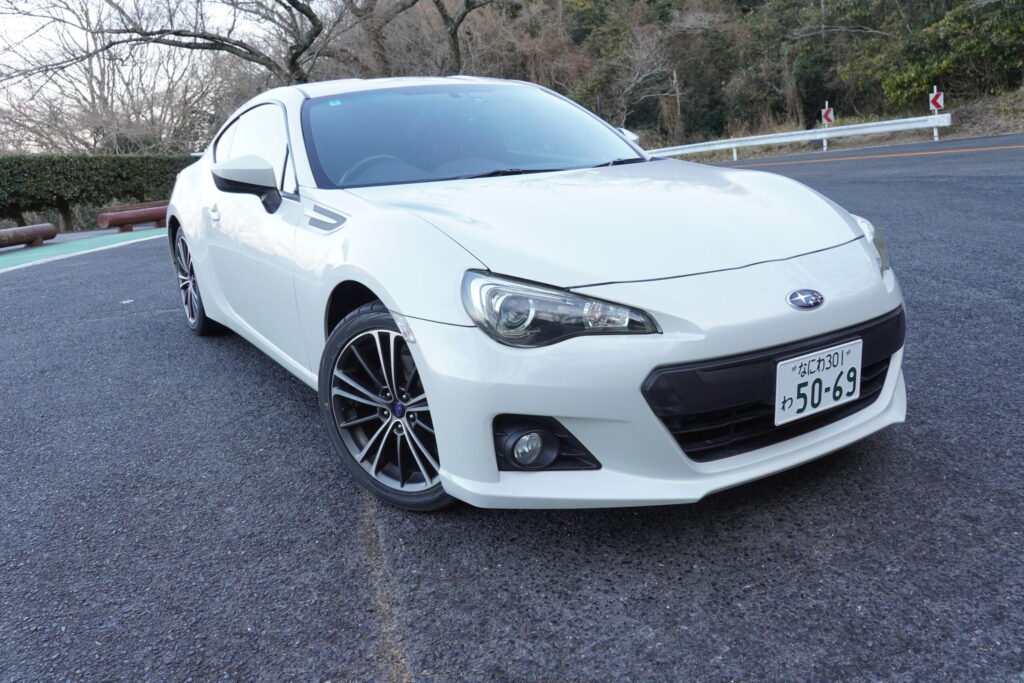
In this ultimate guide, we bypass the crowded tourist buses and train cars. Instead, we fire up the boxer engine of a lightweight, rear-wheel-drive sports car—specifically the legendary Subaru BRZ—and set out to explore the profound depth of Shiga and Hikone over two unforgettable, action-packed days.

1. Shiga & Hikone: The Philosophy of Driving in Japan
To understand why driving through Shiga Prefecture is the ultimate road trip for dynamic travel enthusiasts, one must first understand the unique geography of the Kansai region. Shiga is dominated by Lake Biwa (Biwako), Japan’s largest freshwater lake, which has served as the historic cultural crossroads of the main island of Honshu for over a millennium. For centuries, warlords, merchants, and monks traveled along the Nakasendo and Tokaido highways framing the lake to reach the ancient capital of Kyoto.
While train lines like the JR Tokaido Line efficiently slice along the eastern shore, they miss the vast, dramatic topography surrounding the basin. Shiga is ringed by rugged mountain chains: the Hira Mountains to the west, the Ibuki Mountains to the north, and the Suzuka Mountains to the east. Connecting these mountains to the lake’s edge is a network of impeccably maintained, twisty two-lane asphalt roads, high-altitude tollways, and scenic lake routes that rank among the finest driving roads in East Asia.
+-----------------------------------------------------------------------------------+
|                        RAIL vs. ROAD: KANSAI PERSPECTIVE                          |
+------------------------------------+----------------------------------------------+
| Train Travel (Kintetsu / JR)       | Sports Car Driving (JDM / Subaru BRZ)        |
+------------------------------------+----------------------------------------------+
| • Fixed timetables & routes        | • Total spatial freedom & spontaneous stops  |
| • Station-to-station tourist hubs  | • Access to high-mountain pass vistas        |
| • Passive viewing behind glass     | • Visceral feedback: pure mechanical driving |
| • Crowded carriages during peak    | • Private, immersive journey through nature  |
+------------------------------------+----------------------------------------------+
Choosing a lightweight JDM (Japanese Domestic Market) sports icon like the Subaru BRZ—or its mechanical twin, the Toyota 86—completely reshapes your relationship with the Japanese countryside. The BRZ is built around a low center of gravity, an ultra-responsive naturally aspirated 2.4-liter flat-four engine, and a precise, short-throw 6-speed manual transmission. On the tight, technical twists of Japanese mountain roads (touge), high horsepower is irrelevant; weight balance, steering feel, and crisp throttle response are king.
As you navigate out of the sprawling neon geometry of Osaka and onto the elevated expressways leading toward Shiga, the car becomes an extension of your senses. You are no longer just looking at Japan through a window; you are feeling its topography through the steering wheel, hearing the mechanical resonance of the boxer engine echo off mossy rock walls, and experiencing the country's ancient history on your own terms.
2. The 2-Day Itinerary: Deep Dive
Day 1: The Ascent from Osaka to the Historic Heart of Hikone
DAY 1 TIMELINE:
07:00 AM ── Departs Osaka (Meishin Expressway)
08:30 AM ── Meishin Expressway to Suzuka Foothills
10:00 AM ── The Suzuka Skyline (Touge Driving)
12:30 PM ── Omi-Hachiman & Omi Beef Culinary Experience
03:00 PM ── National Treasure Hikone Castle
06:30 PM ── Kaiseki Dinner & Ryokan Unwinding
07:00 AM – Departure from Osaka: Urban Grid to Open Highway
Your adventure begins in the early morning air of Osaka. As the city slumbers, you light up the Subaru BRZ’s flat-four engine. The low hum settles into a steady, metallic idle. Merging onto the Hanshin Expressway and transitioning toward the Meishin Expressway northbound, you leave behind the towering steel lattice of Osaka’s skyline.
The early morning hours offer smooth, uncrowded tarmac. Within 30 minutes, the concrete urban sprawling gives way to gentle rolling hills as you cross into Kyoto Prefecture and press onward toward the gateway of Shiga. The BRZ tracks dead straight on the smooth Japanese highway pavement, its communicative steering keeping you connected to the road while the suspension absorbs expressway seams with taut, German-rivaling composure.
08:30 AM – The Gateway to Shiga: Crossing the Mountain Frontier
Passing through the Yamashina and Otsu tunnels, the landscape suddenly opens up to reveal the vast, shining expanse of Lake Biwa off to your left, glistening under the morning sun. But rather than taking the flat, straight highway directly along the water, we take an immediate detour east toward the Suzuka Mountain range via National Route 421 and Route 477.
Here, the air cools noticeably. The highway shrinks into a pristine two-lane blacktop flanked by towering cedar forests (Sugi). The scent of fresh pine and damp earth fills the cabin through the cracked side windows. This is the transition zone where urban Kansai dissolves into deep, traditional Japan.
       [ Osaka Bay ]
            │ (Hanshin / Meishin Expressway)
            ▼
       [ Otsu / Lake Biwa South ]
            │ (Route 421 / Route 477)
            ▼
  ┌───────────────────────────────────┐
  │  THE SUZUKA SKYLINE TOUGE DRIVE   │
  │  Elevation Gain: ~800m            │
  │  Hairpin Turns: Technical & Tight │
  └───────────────────────────────────┘
10:00 AM – The Suzuka Skyline: Touge Masterclass
We reach the base of the legendary Suzuka Skyline (Route 477), a famous mountain pass that snakes up and over the ridge separating Shiga and Mie Prefectures. Formerly a toll road, this public mountain pass is a holy grail for driving enthusiasts.
Slide the BRZ’s gear lever into 2nd gear, dump the clutch smoothly, and feel the rear wheels bite into the pavement. The road climbs aggressively through a series of sweeping banked curves and sharp, technical hairpins. Thanks to the BRZ’s front-engine, rear-wheel-drive layout and ultra-low center of gravity, body roll is non-existent. You feel the front tires load up as you clip each apex, the mechanical feedback through the rack giving you total confidence.
                       SUZUKA SKYLINE ELEVATION PROFILE
  Elevation (m)
   1000m ─────────────────────────────────────────── Top Pass (Tunnel Vistas)
    800m ─────────────────────────────── / \ ─────── Mountain Crest
    600m ──────────────────────────────/   \────── TECHNICAL HAIRPINS
    400m ─────────────────────────────/     \───── Dense Cedar Forest
    200m ── [ Start: Shiga Base ] ───/       \──── [ Descent: Yunoyama ]
As you punch through the top of the pass through mountain tunnels carved into granite rock, pull over into one of the designated roadside lookouts. Stepping out of the car, the silence is profound—broken only by the tick-tick-tick of the BRZ's hot exhaust cooling in the crisp alpine air. Below you, a sea of mist rolls across the valley, with the distant waters of Lake Biwa shimmering in the sunlight like liquid silver.
12:30 PM – Descent to Omi-Hachiman & Gastronomic Indulgence
Descending the western slope of the mountains, we head toward the historic canal town of Omi-Hachiman. Before exploring the culture, it is time for lunch. Shiga is world-renowned for Omi Beef (Omi-gyu), one of Japan’s top three wagyu brands alongside Kobe and Matsusaka, with a rich history dating back over 400 years to the Edo Period.
+-----------------------------------------------------------------------------------+
|                        OMI BEEF: GOURMET PROFILE & MARBLING                       |
+------------------------------------+----------------------------------------------+
| Origin                             | Shiga Prefecture (Old Omi Province)          |
| History                            | Over 400 years (Presented to Shoguns)        |
| Textural Profile                   | Extremely fine marbling, melt-in-mouth fat   |
| Recommended Cut for Drivers        | Teppanyaki Sirloin or Charcoal Sukiyaki      |
+------------------------------------+----------------------------------------------+
Park the BRZ in a secure lot near the historic preservation zone and settle into an authentic local establishment. Opt for an Omi-gyu Teppanyaki or Sukiyaki lunch set. The beef features delicate, lace-like marbling (sashi). When cooked on a scorching iron plate, the fat melts at a low temperature, releasing a buttery, nut-like aroma. Paired with local Shiga-grown rice and local vegetables, it is a culinary revelation that fuels the second half of your day.
After lunch, take a brief walk along the Hachiman-bori Canal, where traditional white-walled storehouses (Kura) line the water, shaded by weeping willows. Merchant boats once plied these waters; today, it stands as a pristine living museum of old Japan.
       [ Omi-Hachiman Canal Walk ]
                   │
                   ▼
       [ Route 8 / Lake Shore Route ]
                   │
                   ▼
  ┌───────────────────────────────────┐
  │   HISTORIC HIKONE CASTLE ROUTE    │
  │   Approaching via Castle Moat     │
  └───────────────────────────────────┘
03:00 PM – Arrival in Hikone: National Treasure Hikone Castle
Leaving Omi-Hachiman, take the scenic Lakeside Route (Prefectural Route 2) heading north toward Hikone. This road runs parallel to Lake Biwa, offering smooth cruising with panoramic views of the water stretching off to the horizon.
By mid-afternoon, the grand white keep of Hikone Castle (Hikone-jo) comes into view, standing proudly atop Mount Hikone.
                        HIKONE CASTLE ARCHITECTURE
                                    /\
                                   /  \        <- Original 3-Story Keep (1622)
                                  /____\
                                 |  ||  |      <- Gun & Arrow Ports (Sama)
                                /________\
                               |          |    <- Curved Stone Ramparts (Gobo-tsumi)
                         =======\========/=======
                        |   Inner Water Moat     |
                        ==========================
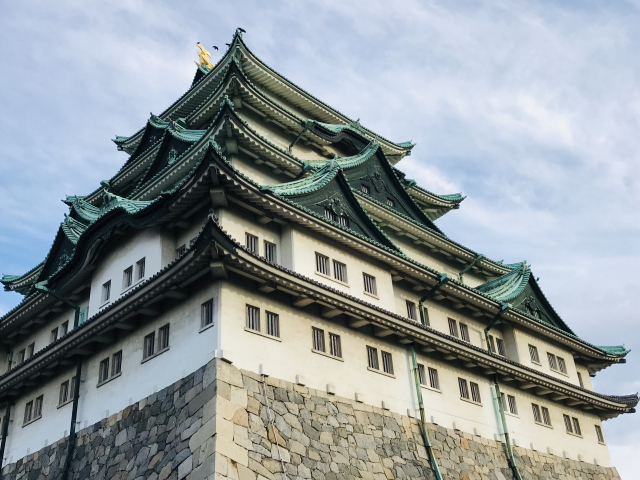
Hikone Castle is one of only five castles in Japan designated as National Treasures whose original main keeps have survived intact since the feudal era without being destroyed by war or natural disasters. Completed in 1622 by the powerful Ii Clan, who served as top advisors (Tairo) to the Tokugawa Shogunate, the fortress is a masterclass in samurai military architecture.
Park at the base of the outer moat and cross the wooden bridge. As you ascend the steep, deliberately uneven stone steps—designed by feudal engineers to trip up invading soldiers clad in heavy armor—you pass through massive timber gates. The main keep rises three stories high, featuring an elaborate combination of gables (Hafu), gold-leaf accents, and blackened timber framework.
Climb the dangerously steep internal wooden ladders inside the keep to reach the top floor. Looking out through the small wooden windows where archers once stood, you get a 360-degree command view: the entire city of Hikone spread out below, the sparkling expanse of Lake Biwa to the west, and the dark wall of the Suzuka Mountains to the east.
05:00 PM – Stroll Through Genkyuen Garden
At the foot of the castle lies Genkyuen Garden, a breathtaking 17th-century Japanese landscape garden built in the kaiyushiki (strolling) style. Designed to mimic the famous palace gardens of Tang Dynasty China as well as scenic views of Omi Province, the garden centers around a large pond fed by the castle moat, dotted with small wooden bridges, stone lanterns, and teahouses.
                        GENKYUEN GARDEN LAYOUT
   [ Castle Keep Vista on Mount Hikone ]
                 ^
                 │ (Visual Borrowing / Shakkei)
   +-------------│-----------------------------------+
   |             │    [ Phoenix Bridge ]             |
   |     ~~~~~~~~│~~~~~~~~~~~~~~~~~~~~~~~~           |
   |    ~   [ Central Teahouse ]          ~          |
   |   ~       (Ryusho-an)                  ~        |
   |  ~                                      ~       |
   |  ~  [ Mirror Pond / Central Islet ]     ~       |
   |   ~                                    ~        |
   |     ~~~~~~~~~~~~~~~~~~~~~~~~~~~~~~~~~~~         |
   +-------------------------------------------------+
Walk along the winding gravel paths as the late afternoon light turns warm and golden. The reflection of Hikone Castle’s main keep appears perfectly mirrored on the glassy surface of the central pond—a technique known as shakkei or "borrowed scenery."
06:30 PM – Ryokan Check-in, Kaiseki Feast & Evening Relaxation
Check into a traditional Ryokan (Japanese luxury inn) located along the shores of Lake Biwa near Hikone. After placing your boots at the entrance and slipping into tatami footwear, change into a soft cotton yukata robe.
                          EVENING RYOKAN FLOW
  [ Onsen Bath ] ──► [ Multi-Course Kaiseki Dinner ] ──► [ Stargazing / Rest ]
  Rich Mineral        Fresh Lake Biwa Trout,             Quiet Lake Breeze,
  Hot Springs         Omi Beef & Seasonal Veggies        Total Body Recovery
Soak away the day’s drive in an open-air natural hot spring bath (rotenburo) overlooking the quiet lake. The warm mineral water soothes tired driving muscles.
Dinner is a elaborate multi-course Kaiseki banquet served in your room or a private dining area. The feast highlights local seasonal delicacies: sweet freshwater trout (Ayu) grilled over white oak charcoal with salt, crispy mountain vegetable tempura, local fermented funazushi (the ancient precursor to modern sushi), and delicate Omi beef hotpot cooked in a savory dashi broth.
As the quiet night falls over Shiga, rest deeply—day two holds high-altitude lakeside passes and technical coastal driving.

Day 2: The Loop of Lake Biwa & The Oku-Biwako Parkway
DAY 2 TIMELINE:
08:00 AM ── Traditional Ryokan Breakfast
09:00 AM ── Route 8 North towards Nagahama
10:30 AM ── The Oku-Biwako Parkway (High-Altitude Ridge Driving)
01:00 PM ── Lake Shore Lunch: Freshwater Trout & Soba
02:30 PM ── Route 161 South: Shirahige Shrine's Floating Torii
05:00 PM ── Sunset Return Run to Osaka
                          DAY 2 LAKESIDE ROUTE
  [ Hikone ] ──► [ Nagahama ] ──► [ Oku-Biwako Parkway ]
                                          │
  [ Osaka ]  ◄── [ Shirahige Shrine ] ◄──┘
08:00 AM – Morning Refreshment & Vehicle Check
Wake up to the soft light reflecting off Lake Biwa. Enjoy a traditional Japanese breakfast featuring grilled local salmon, miso soup cooked with local red miso (Aka-miso), rolled omelet (Tamagoyaki), and steamed Koshihikari rice.
Step outside to where the Subaru BRZ is parked. In the crisp morning air, check your tire pressures, wipe down the windshield, and check the oil level—a habit every sports car enthusiast appreciates. The boxer engine fires up with a crisp, mechanical exhaust note, ready for the technical roads ahead.
09:00 AM – Coastal Cruise: Nagahama to North Lake Biwa
We set off north along Prefectural Route 9 and Route 8, following the curving shoreline of northeastern Lake Biwa toward Nagahama. The morning road is calm and smooth. To your left, the vast inland sea stretches to the horizon, dotted with small fishing boats harvesting local lake prawns and trout.
Pass through the historic town of Nagahama, known for its traditional glassblowing workshops and black-walled merchant district (Kurokabe Square). Keep pressing north as the flat lakeside terrain gives way to steep, emerald-green mountains plunging straight into the northern tip of the lake.
                   OKU-BIWAKO PARKWAY TOPOGRAPHY
  Elevation (m)
   400m ───────────────────────────── [ Tsuzuki Point Vista ]
   300m ────────────────────────────/                         \
   200m ───────────────────────────/                           \
   100m ──────────────────────────/                             \
     0m ── [ Lake Surface Level ] ─────────────────────────────── [ Exit ]
10:30 AM – The Oku-Biwako Parkway: Mechanical Bliss
Now begins one of the premier driving experiences in central Japan: The Oku-Biwako Parkway (Prefectural Route 512). This 18.8-kilometer ridge road winds along the northern peninsula of Lake Biwa, elevated hundreds of meters above the water.
The road is a driver’s playground. It features a one-way traffic system on its most technical section, allowing you to use the full width of the lane through tight hairpins, sweeping crests, and blind S-bends without fear of oncoming traffic.
                          BRZ CHASSIE DYNAMICS
        [ Low Boxer Engine Placement ] -> Low Center of Gravity
        [ Taut Double-Wishbone Rear ] -> Precise Apex Tracking
        [ Short-Throw 6-Speed Manual ] -> Instantaneous Power Control
Drop the BRZ into 3rd gear, heel-toe downshift into 2nd gear for a sharp hairpin, and roll onto the throttle. The naturally aspirated boxer engine revs cleanly toward its redline, sending a sweet, mechanical raspy exhaust note ringing through the dense green canopy. The steering is razor-sharp; you can place the front tires within millimeters of the inner rumble strips.
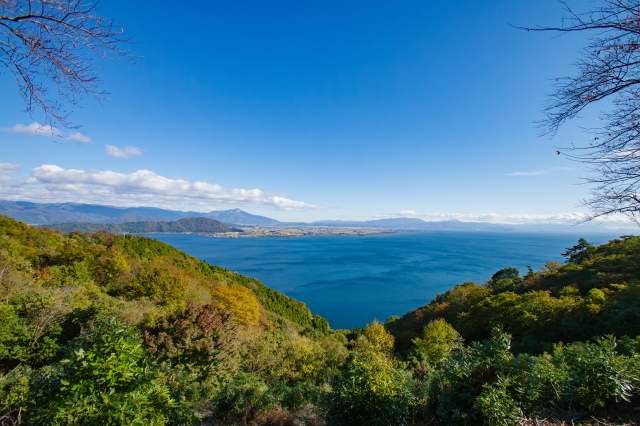
Halfway along the parkway, pull into the Tsuzuki Point Observation Deck (Tsuzuki-misaki). From this high elevation, you enjoy an unobstructed, panoramic 180-degree view across the northern realm of Lake Biwa. The water here is deep blue, crystal clear, and surrounded by untouched, dense wilderness.
                TSUZUKI POINT OBSERVATION VISTA
        +-----------------------------------------------+
        |  [ Dense Pine Ridge ]                         |
        |             \                                 |
        |              \  ~~~~~~~~~~~~~~~~~~~~~~~~~~~~  |
        |               ~ Deep Blue Northern Water ~   |
        |               ~     (Chikubu Island)     ~   |
        |               ~~~~~~~~~~~~~~~~~~~~~~~~~~~~   |
        |  [ Subaru BRZ Parked ]                        |
        +-----------------------------------------------+
Looking out over the deep water, you will see Chikubu Island (Chikubushima), a sacred island shrouded in mystery that has been revered as a holy site for over 1,500 years. Home to Hogonji Temple and Tsukubusuma Shrine, the island rises steeply out of the lake like a dark green emerald.
01:00 PM – Lake Shore Lunch: Northern Delicacies
Descend from the Oku-Biwako Parkway down to the quiet northwest shore of the lake near Makino. Park near a local rustic eatery tucked under timber beams.
Order a steaming bowl of Handmade Buckwheat Soba paired with fresh Lake Biwa Smelt (Wakasagi) Tempura. The fish are sweet, delicate, and fried to crispy perfection in clean sesame oil. The mountain spring water used to make the noodles gives the soba an incredible elasticity and clean, nutty flavor profile.
+-----------------------------------------------------------------------------------+
|                     NORTHERN SHIGA CULINARY HIGHLIGHTS                            |
+------------------------------------+----------------------------------------------+
| Dish                               | Key Characteristics                          |
+------------------------------------+----------------------------------------------+
| Wakasagi (Lake Smelt) Tempura      | Light, crispy, harvested fresh from cold waters|
| Handmade Ju-wari Soba              | 100% buckwheat, kneaded with mountain water  |
| Biwa Trout (Biwa-masu) Sashimi     | Sweet, rich in healthy fats, delicate salmon |
+------------------------------------+----------------------------------------------+
02:30 PM – Route 161 South & Shirahige Shrine: The Floating Torii
After lunch, head south along National Route 161, which traces the western coast of Lake Biwa back toward Kyoto and Osaka. The road offers a stunning contrast to the northern pass—you are cruising at water level, with the massive wall of the Hira Mountains towering to your right and the blue lake stretching to your left.
                             SHIRAHIGE SHRINE
                                   /\
                                  /__\       <- Vermilion Torii Gate
                                 | || |
     ~~~~~~~~~~~~~~~~~~~~~~~~~~~~| || |~~~~~~~~~~~~~~~~~~~~~~~~~~~~~
     ~~~~~~~~~~~~~~~~~~~~~~~~~ [ Lake Biwa ] ~~~~~~~~~~~~~~~~~~~~~~~~
As you enter Takashima City, pull into the parking area for Shirahige Shrine (Shirahige-jinja). Known as the oldest shrine in Shiga Prefecture (founded over 1,900 years ago), Shirahige is famous for its grand vermilion Torii gate that stands directly inside the waters of Lake Biwa.
The bright red gate contrasts against the deep blue water, framed by the mountains in the far distance. It is often called the "Itsukushima of Omi." Take a moment to stand on the elevated stone observation platform (Shinen) to safely appreciate this sacred scene and snap photos of your JDM sports car with the shrine grounds in the background.
                     SHIRAHIGE SHRINE SITE LAYOUT
  [ Main Shrine Grounds ] ── (Pedestrian Overpass) ── [ Observation Deck ]
                                                             │
                                                             ▼
                                                    [ Floating Torii Gate ]
                                                      (In Lake Biwa)
05:00 PM – The Sunset Highway Run Back to Osaka
Leaving Shirahige Shrine, continue south along Route 161 as the late afternoon sun begins to drop behind the Hira Mountain range. The sky transitions into deep shades of orange, violet, and soft rose, reflecting across the calm surface of the lake.
                 SUNSET RETURN ROUTE DYNAMICS
  [ West Biwa Coast ] ──► [ Kosei Expressway ] ──► [ Kyoto-Higashi IC ]
                                                          │
                                                          ▼
  [ Osaka Central ]   ◄── [ Meishin Expressway ] ─────────┘
Merge onto the Kosei Bypass, connecting smoothly to the Meishin Expressway at Kyoto-Higashi Interchange. As the highway descends back into the glowing urban plain of Osaka, you feel a deep sense of contentment. In just two days, you have covered hundreds of kilometers of pristine mountain passes, experienced centuries of samurai history at Hikone Castle, savored world-class wagyu and local lake cuisine, and forged an unforgettable bond with a true Japanese sports car.
3. Expert Advice & Cultural Nuances
To travel through rural Japan by car like an absolute seasoned veteran, you need to understand several unique cultural institutions and driving customs that make a Japanese road trip so distinct.
===================================================================================
                       RURAL JAPAN DRIVING ESSENTIALS
===================================================================================

  [ MICHI-NO-EKI ] ──► Roadside stations for local food, regional produce, & rest.
  [ ETIQUETTE ]    ──► Hazards flash (2-3 times) as a "thank you" to courteous drivers.
  [ NARROW TOUGE ] ──► Yield at yellow-marked pullouts on single-lane roads.
  [ GAS STATIONS ] ──► Full-Service vs. Self: Know "Mantan" (Fill up) & "High-Octane".
===================================================================================
The Magic of Michi-no-Eki (Roadside Stations)
Unlike standardized highway service areas found in Western countries, Japan’s network of over 1,100 Michi-no-Eki (Roadside Stations) are cultural destinations in their own right. Located along national highways, these government-designated rest stops are designed to showcase the agriculture, crafts, and food culture of the local municipality.
- What to Look For: Every Michi-no-Eki in Shiga features unique regional items. At Michi-no-Eki Biwako-Ohashi Kome-プラザ, you can sample freshly baked bread made from local Shiga rice flour. At stations near the mountains, look for fresh wild mountain vegetables (Sansen), local honey, and soft-serve ice cream (Softcream) infused with regional flavors like green tea, local milk, or Japanese chestnut.
- Facilities: They offer spotless public restrooms, vending machines stocked with hot cans of boss coffee, real-time weather and traffic map displays, and free parking—making them perfect staging points during a hard touge drive.
+-----------------------------------------------------------------------------------+
|                        HIGHWAY SERVICE AREA vs. MICHI-NO-EKI                      |
+------------------------------------+----------------------------------------------+
| Service Area (SA / PA)             | Michi-no-Eki (Roadside Station)              |
+------------------------------------+----------------------------------------------+
| Located on toll expressways        | Located on local national highways           |
| Standardized food court brands     | 100% locally sourced regional specialties    |
| Quick refueling & highway rest     | Cultural immersion, farm markets, crafts     |
+------------------------------------+----------------------------------------------+
Japanese Driving Etiquette & The "Thank You" Hazards
Driving in Japan is marked by extreme courtesy, patience, and mutual respect. Adopting these small behavioral habits will make your driving smooth and enjoyable:
- The Hazard Light Thank You: If a car slows down to let you merge out of a side street, gas station, or driveway, tap your hazard lights for 2 to 3 flashes once you are in front of them. This is the universal Japanese sign for "Thank you" (Arigatou gozaimasu).
- Yielding on Single-Lane Touge: On tight mountain roads, you may encounter single-lane stretches with small turnout cutouts marked with yellow lines or signs reading Sutappu (Step/Yield). If an oncoming car approaches, the vehicle closer to the turnout should pull over to allow the other to pass cleanly.
- Pedestrian Crosswalks: Japanese police strictly enforce pedestrian right-of-way at unmarked crosswalks. If a pedestrian is waiting at a zebra crossing, you must bring your vehicle to a complete stop.
4. Detailed Logistics & Pre-Trip Tips
Navigating Japan’s road system in a performance manual car requires a basic understanding of road logistics, fuel systems, and vehicle dynamics.
                             JDM COCKPIT SETUP
     +---------------------------------------------------------------+
     |  [ ETC Card Installed ]   --> Express Electronic Tolls       |
     |  [ High-Octane Fuel Only ]--> "High-Oku Mantan" at Pumps     |
     |  [ 6-Speed Manual Gear ]  --> Heel-Toe Dynamic Control       |
     |  [ Low Center of Gravity]--> Precision Cornering in Touge    |
     +---------------------------------------------------------------+
Navigating Tolls with the ETC Card
Japan’s expressway network (K高速道路 - Kosokudoro) uses an automated electronic toll collection system known as ETC (Electronic Toll Collection).
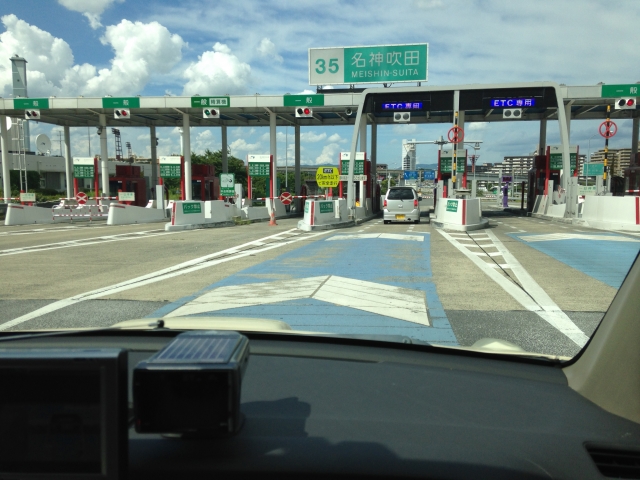
- How it Works: Renting a car equipped with an ETC card reader (and renting a physical ETC card from your rental provider) is mandatory for a stress-free trip. As you approach an expressway toll gate, select the dedicated blue "ETC" lane.
- Speed Limit at Gates: Slow down to 20 km/h. The overhead gate barrier will read the wireless chip on your card, display the toll amount on an LED overhead screen, sound a chime inside your dashboard unit, and open automatically without you having to stop or handle cash.
- Payment: All toll fees are calculated automatically and settled on your credit card when you return the vehicle at the end of your rental period.
     EXPRESSWAY TOLL GATE APPROACH
     +-------------------------------------------------+
     |   [ ETC LANE ]         [ CASH / MANUAL LANE ]   |
     |   (Blue Sign)               (Green Sign)        |
     |        │                         │              |
     |   Slow to 20 km/h          Stop Completely      |
     |   Auto Gate Barrier        Pay Cash/Credit      |
     +-------------------------------------------------+
Fueling Up: The Gas Station Playbook
Gas stations (Gasorin Stand) in Japan are categorized as either Full Service (Furu) or Self Service (Serufu).
When driving a performance car like the Subaru BRZ, you must use Premium High-Octane Gasoline (labeled as ハイオク - High-Oku at pumps, typically color-coded in Yellow).
+-----------------------------------------------------------------------------------+
|                        JAPANESE GAS NOZZLE COLOR CODES                            |
+------------------------------------+----------------------------------------------+
| Fuel Type                          | Pump Nozzle Color Code                       |
+------------------------------------+----------------------------------------------+
| High-Octane (Premium - BRZ/86)     | YELLOW (ハイオク - High-Oku)                 |
| Regular Unleaded (Standard Cars)   | RED (レギュラー - Regura)                    |
| Diesel (Trucks/Specific Diesels)   | GREEN (軽油 - Keiyu)                         |
+------------------------------------+----------------------------------------------+
Handy Phrases for Full-Service Gas Stations:
- "High-oku, mantan de onegai shimasu." (High-Octane, full tank please.)
- "Kurejitto kaado de." (I will pay by credit card.)
- "Gomi wo sute-te moraemasu ka?" (Could you please discard this small trash for me?)
At full-service stations, staff will often clean your windshield with a damp towel and hold traffic so you can merge safely back onto the highway.
The Thrill of the Manual JDM Experience
Driving a lightweight sports car with a 6-speed manual transmission through the mountains of Kansai offers a level of visceral engagement that modern automatic luxury cars cannot match.
                    BRZ COCKPIT PEDAL ARRANGEMENT
                        [ Clutch ] [ Brake ] [ Throttle ]
                               \       |        /
                                \      |       /
                         (Heel-Toe Downshift Zone)
The Subaru BRZ’s pedal layout is designed specifically for heel-toe downshifting. As you brake firmly before entering a corner, a quick flick of your right heel blips the throttle while your left foot operates the clutch, matching engine revs instantly for a smooth transition into lower gear. The mechanical connection—the short throw of the gear stick, the firm brake pedal feel, the instant throttle response—elevates every kilometer of the journey into pure motoring joy.
5. Comprehensive FAQ
+-----------------------------------------------------------------------------------+
|                            FREQUENTLY ASKED QUESTIONS                             |
+-----------------------------------------------------------------------------------+
| Q1: What driving license documentation is required in Japan?                       |
| Q2: Is rental insurance recommended for mountain driving?                         |
| Q3: Is driving a manual JDM car on the left side of the road difficult?           |
| Q4: What are the seasonal road conditions in Shiga and Hikone?                    |
+-----------------------------------------------------------------------------------+
Q1: What official driving documents do I need to legally drive in Japan?
A: To legally rent and operate a motor vehicle in Japan, visitors must present three documents at the rental counter:
- Your original Valid Driver's License from your home country.
- An official International Driving Permit (IDP) issued under the 1949 Geneva Convention. (Note: Permits issued under the 1968 Vienna Convention or other formats are not legally accepted in Japan).
- Your physical Passport with the entry stamp.
Important Exception: Drivers holding licenses issued in Taiwan, Switzerland, Germany, France, Belgium, Monaco, or Slovenia do not use an IDP. Instead, they must present their home license alongside an official Japanese translation issued by the Japan Automobile Federation (JAF) or their respective embassy in Japan.
(For a complete breakdown of international license eligibility criteria and specific country regulations, review the guidelines on the official rental portal before booking).
                     DOCUMENT VERIFICATION FLOW
  [ Home Driver's License ] + [ 1949 Geneva IDP ] + [ Passport ] = READY TO DRIVE!
Q2: What insurance coverage should I select for a sports car road trip?
A: It is strongly recommended to select full comprehensive collision coverage, including a Non-Operation Charge (NOC) Waiver. The roads in Japan are impeccably maintained, but mountain passes (touge) feature tight stone gutters (U-ditch drains) along the inner edges and narrow stone bridges. Comprehensive coverage ensures complete peace of mind while enjoying technical driving roads.
Q3: How difficult is it to adapt to driving a right-hand drive (RHD) manual car on the left side of the road?
A: Most drivers adapt within 15 to 30 minutes. Japan drives on the left side of the road, meaning the driver's seat is on the right side of the vehicle. In a manual car, you will shift gears with your left hand.
Because the BRZ’s gearshift pattern is standard (1st gear is top-left), the mechanical muscle memory translates easily. Japan's strict lane markings, clear directional road arrows painted on the tarmac, and calm traffic flow make the transition surprisingly natural.
                      RIGHT-HAND DRIVE (RHD) LAYOUT
                      +---------------------------+
                      |   [ Passenger ] [ Driver ]|
                      |                     │     |
                      |                Gear Shifter|
                      |              (Left Hand)  |
                      +---------------------------+
Q4: What are the seasonal road conditions around Shiga and Lake Biwa?
A:
- Spring (April – May): Ideal driving weather. Pleasant temperatures, dry asphalt, and blooming cherry blossoms lining the shores of Lake Biwa and castle moats.
- Summer (June – August): Warm and lush. High-altitude mountain passes like the Suzuka Skyline offer cool, refreshing alpine air away from the urban heat.
- Autumn (September – November): World-class foliage (Momiji). The mountain routes through Shiga explode into vibrant fiery reds, oranges, and deep golds.
- Winter (December – March): The northern tip of Lake Biwa and high mountain passes experience snowfall. Studded snow tires (Sutaddoresu) are required on vehicles traveling through northern Shiga during winter months.
6. The Final Thoughts: Your Journey Begins Here
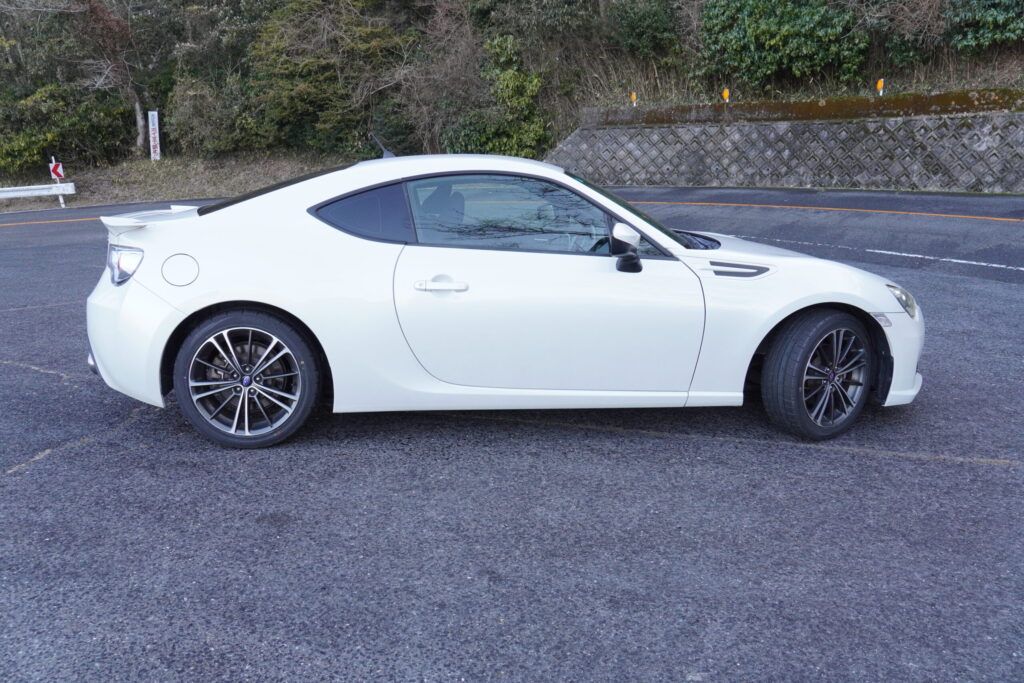
The true essence of travel lies in freedom—the unscripted moments when you take a sudden turn onto a winding mountain road simply because it looks inviting, or pull over beside an ancient lakeside shrine as the sun sets over the water.
Japan is waiting to be discovered far beyond the crowded station platforms and standardized tour routes. The winding ribbons of tarmac through the Suzuka Mountains, the ancient timber gates of Hikone Castle, the breathtaking overlooks of the Oku-Biwako Parkway, and the rich culinary heritage of Omi beef are all waiting for you.
All you need is the right key in your hand.
When you are ready to turn this dream road trip into reality, step into Omoshiro Rent-a-Car Osaka Central. Located conveniently in the heart of Osaka, they specialize in offering impeccably maintained, iconic Japanese Domestic Market (JDM) sports cars—including the razor-sharp, pure manual Subaru BRZ and Toyota 86.
===================================================================================
                       YOUR JDM ROAD TRIP CHECKLIST
===================================================================================

  [✓] Passport, Home Driver's License & 1949 Geneva IDP
  [✓] Reserved Subaru BRZ / Toyota 86 Manual
  [✓] Requested ETC Card for Automatic Expressways
  [✓] Route Mapped: Osaka ➔ Suzuka Skyline ➔ Hikone ➔ Oku-Biwako
===================================================================================
Engineered for drivers who love the pure art of motoring, these cars transform a simple vacation into an unforgettable driving odyssey through Secret Japan.
Fire up the boxer engine, slot the lever into first gear, and head out onto the open highway. The roads of Shiga and Hikone are calling.