
The Philosophy of Driving in Japan: Why the Steering Wheel Beats the Rail
I spent the best years of my youth watching the world blur through the tempered glass of a Kintetsu train cockpit. As a conductor, I knew every switch, every signal, and every rhythm of the iron rail. I loved the punctuality, the efficiency, and the orderly hum of the tracks. But there was always a haunting feeling—a sense of being a prisoner to the schedule. I saw the hidden mountain passes, the mist-clad valleys, and the lonely shrines tucked away in the deep creases of the Kii Peninsula, but I could never stop. I was always destined to keep moving to the next station.
That is why I left the rails for the asphalt.
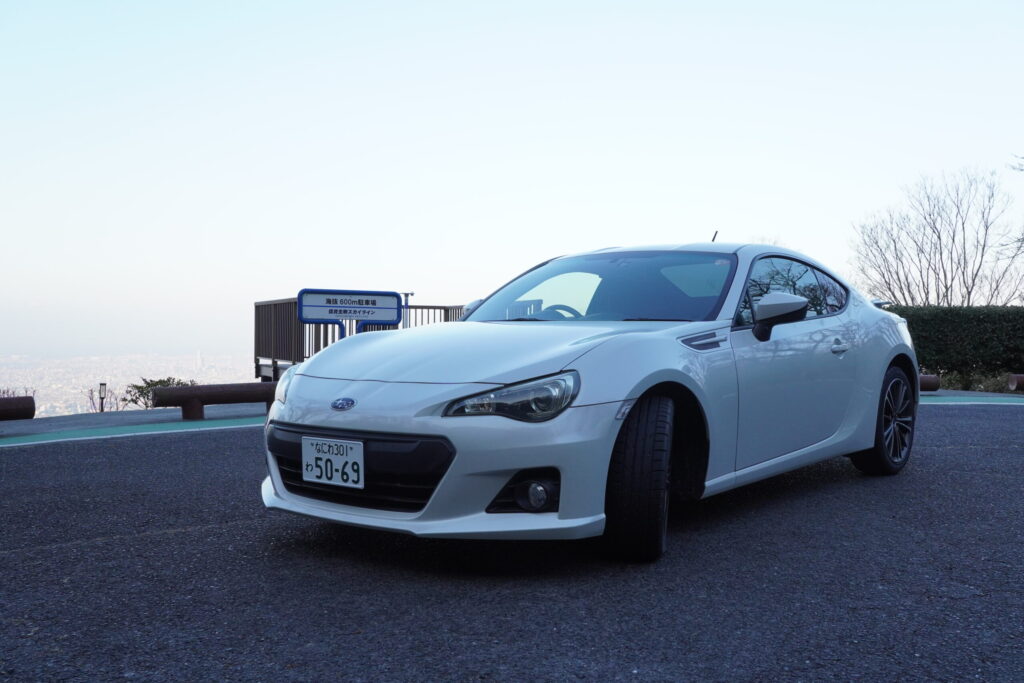
In the Kansai region, the train network is a masterpiece of engineering, but it is also a filter. It allows you to see the highlights, but it excludes the essence. To truly understand the "Secret Japan"—the Japan that isn't featured on glossy flyers at tourist information desks—you need to take control. When you are behind the wheel of a machine like the Subaru BRZ, you are not just a passenger in the country; you are an active participant in its landscape.
The BRZ is not merely a car; it is a surgical instrument for the winding roads of Nara. Its low center of gravity, its telepathic steering, and the visceral, metallic bark of its boxer engine turn a mundane transit into a symphony of mechanical engagement. Driving through Japan is a sensory overload. It is the smell of cedar forests after a light drizzle, the sharp intake of breath as a hairpin turn reveals a hidden waterfall, and the rhythmic thrum-thrum of tires on ancient, winding mountain roads.
When you drive, the rigid itinerary of the train schedule evaporates. You become the master of your own pace. You stop at the unnamed Michi-no-Eki (roadside stations) to buy fresh persimmons; you pull over at a narrow overlook simply because the sunset is painting the valley in shades of impossible amber. For the adventure-seeker, the car is the only bridge to the real soul of Japan. It is the freedom to get lost, and in that loss, to find the authentic heartbeat of the Yoshino mountains.

The 2-Day Itinerary: Deep Dive into the Heart of Yoshino
This is not a sightseeing tour; it is a pilgrimage. You are heading into the mountainous spine of Nara Prefecture, a place where history is measured in millennia and the roads were carved by the determination of mountain hermits.
Day 1: The Ascent into Legend
08:00 – Depart Osaka The morning air in Osaka is thick with the scent of coffee and urban anticipation. Slide into the driver’s seat of your BRZ. Adjust your mirrors. The cockpit feels intimate, purposeful. Engage first gear—the mechanical click is satisfyingly heavy—and pull away from the city. You aren’t commuting; you’re escaping.
10:00 – The Gateway: Entering the Kii Mountain Range As you approach the outskirts of Nara, the urban sprawl gives way to the deep, intoxicating green of the cedar forests. The roads begin to tighten. The BRZ thrives here. As you climb toward the Yoshino area, the road transitions into a series of technical, snaking curves. Feel the chassis settle into the apexes. The steering is sharp, responding to your slightest input as you carve through the dense canopy.
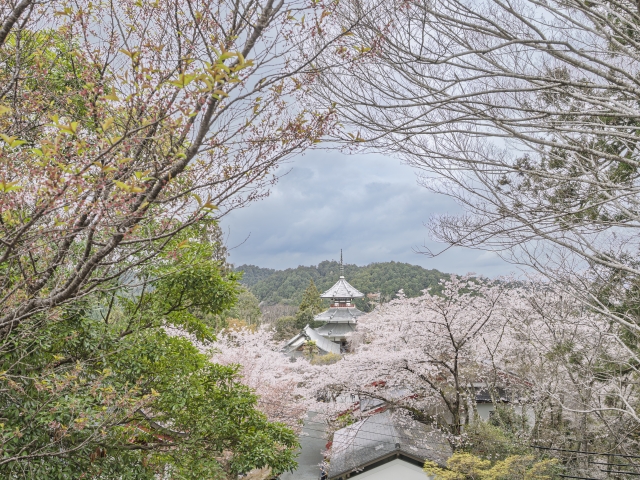
12:00 – Lunch in the Shadows of Senbon-zakura You arrive at the base of Yoshino. Park the car and walk the ancient paths. Legend says there are 30,000 cherry trees here, stretching from the foot of the mountain to the summit. Even if you are not here during the peak bloom, the sheer scale of the forest is humbling. Find a local eatery tucked away from the main thoroughfare. Order the Kakinoha-zushi (sushi wrapped in persimmon leaves). The vinegar-cured mackerel and subtle tannins of the leaf create a flavor profile as complex as the mountain air.
14:00 – The Winding Path to Kinpusen-ji Drive the narrow, steep incline toward Kinpusen-ji, the spiritual heart of the region. The road is unforgiving, demanding your full attention. The BRZ’s boxer engine growls in the low gears as you navigate the narrow ascent. Standing before the Zao-do Hall—the second-largest wooden structure in Japan—you feel the weight of history. The towering pillars of zelkova wood were harvested from these very mountains centuries ago.
16:00 – The Golden Hour at Hanayagura Viewpoint Take the winding route up to the Hanayagura viewpoint. As the sun begins to dip below the distant ridges of the Omine range, the entire valley turns a surreal, burnished gold. The silence here is profound, broken only by the cooling of your engine’s exhaust. This is the Japan that isn't on a train map.
19:00 – A Night of Silence Stay in a traditional ryokan deep in the mountain folds. Fall asleep to the sound of a distant mountain stream.

Day 2: The Backroads of the Gods
09:00 – The Tsubakuro Line Leave the main road. The Tsubakuro Line is a driver’s paradise. It is a technical road that winds through the remote pockets of Nara. The BRZ is in its element here, handling the elevation changes with poise. You will pass through tiny hamlets where time seems to have halted in the Showa era.
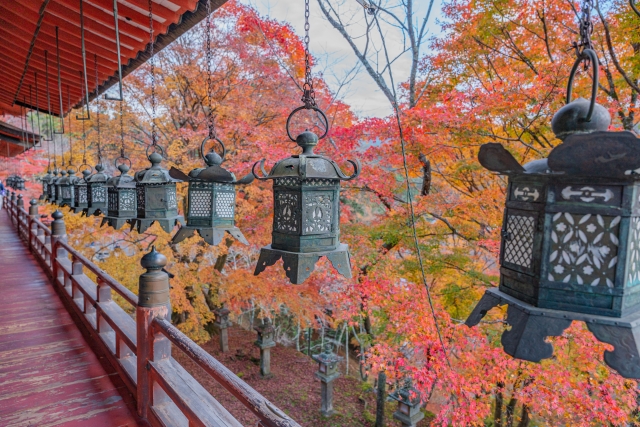
11:30 – The Hidden Falls of Tanzan Navigate toward the Tanzan Shrine. The path is narrow, framed by overhanging maples that turn into a tunnel of fire during the autumn. The architecture here, particularly the thirteen-story wooden pagoda, is a masterclass in structural elegance. It is a place for quiet reflection, far from the chaotic pulse of Kyoto or Tokyo.
13:30 – Lunch at a Local Roadside Haven Find a small local stand near the base of the mountains. Eat Somen noodles in a cold mountain stream setup if the season permits, or warm, hearty Kitsune Udon if the air is crisp. The texture of the hand-pulled noodles is a testament to the artisan tradition of the region.
15:00 – The Long Way Back Instead of heading straight back to the highway, take the southern route around the mountains. The road follows the bends of the Yoshino River. This is where you practice your heel-and-toe downshifts, matching the engine speed to the corners. The BRZ rewards smooth, deliberate inputs. The connection between machine, road, and driver is seamless.
17:30 – Returning to the Concrete Jungle As you re-enter the outskirts of Osaka, the mountain air fades, replaced by the warm, humming energy of the city. You return the car, but the rhythm of the mountain roads remains in your hands.
Expert Advice & Cultural Nuances
Driving in Japan is a practice in mindfulness.
The Michi-no-Eki Culture: These are not your typical highway rest stops. They are culinary embassies. Each one features local produce—think giant, sweet strawberries, artisanal soy sauce, or smoked river fish. Never bypass a Michi-no-Eki if you see a crowd of local cars; it’s the best indicator of quality food nearby.
Driving Etiquette: You will notice a high level of discipline. Drivers rarely use their horns; the horn is a last resort, not a tool for frustration. Use your hazard lights briefly to thank a driver who lets you merge—a small, universal sign of Japanese road politeness.
The Hidden Gems: When you see a small, narrow road branching off into the woods, it is usually a path to a tiny, forgotten shrine. Do not be afraid to explore, but always respect private land. If you see a blue rope across a narrow road, it is a sign that you have reached the end of the public passage.
Detailed Logistics & Pre-Trip Tips
Navigating Japan in 2026 is easier than ever, provided you understand the nuances.
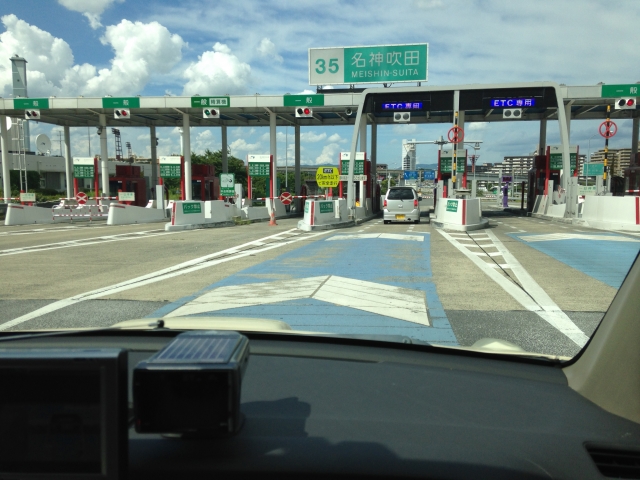
The ETC System: You must ensure your rental has an Electronic Toll Collection (ETC) card. This allows you to breeze through toll gates without stopping. Without it, the highway costs and the manual ticket systems will become a tedious chore.
The Gas Station Ritual: Most gas stations in rural areas are semi-attended. You pull up, and an attendant may wave you into a specific lane. If you want a full tank, the golden word is "Mantan." Say it with a smile, and they will know exactly what to do.
MT Mastery: You are choosing a manual transmission (MT) car, specifically the BRZ. It is the ultimate expression of the "driver’s car." Japan’s roads, with their varying grades and tight corners, were designed to be conquered with a stick shift. You will find that the roads in the mountains are often steep—practice your hill starts before you leave the city. There is no better feeling than perfectly rev-matching into a hairpin turn in the Yoshino highlands.
Comprehensive FAQ
Do I need a special license? Yes. You must possess a valid passport, your home country’s driver’s license, and an International Driving Permit (IDP) issued according to the 1949 Geneva Convention. You must carry all three documents at all times. If you have any doubt about the status of your IDP, ensure you clarify this with your consulate before arrival. It is a strict legal requirement.
Is it difficult to drive an MT car in Japan? If you are comfortable with a manual transmission, you will find the experience exhilarating. The roads are well-maintained, and the signage is excellent. Just remember: keep left.
What about the winter? The Yoshino area can see significant snowfall. Between December and March, snow tires or chains are absolutely mandatory. If you are not experienced with snowy, icy mountain roads, it is best to stick to the lower elevations.
Are there hidden costs? Highways in Japan can be expensive. Always factor in the cost of tolls. However, the experience of having the road to yourself is worth every yen.
The Final Thoughts
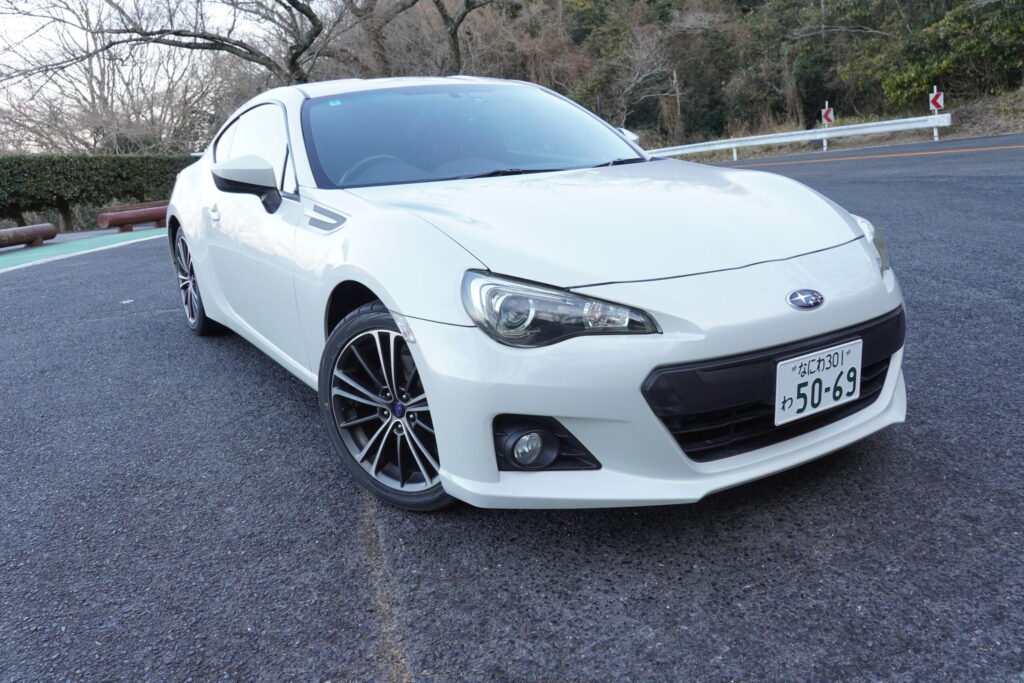
You have read the maps, you have felt the spirit of the mountains, and you know the call of the BRZ. Japan is not a country to be observed from behind a window or a train door. It is a country to be driven.
If you are ready to stop being a tourist and start being an explorer, it is time to take the wheel. Experience the raw mechanical joy of a perfectly tuned JDM machine on the winding, sacred roads of Nara.
Visit おもしろレンタカー大阪中央店 (Omoshiro Rent-A-Car Osaka Chuo) to reserve your machine. The mountains are waiting, the engine is warm, and the road is yours to command. Book your ride today and find your own Secret Japan.