
From the rhythmic clickety-clack of the train tracks, a sound once as familiar as my own heartbeat during my days as a Kintetsu conductor, I've come to embrace an entirely different rhythm: the growl of a well-tuned Japanese engine, the satisfying thunk of a manual gearbox, and the exhilarating hum of tires gripping ancient asphalt. While Japan's rail network is a marvel of efficiency, a symphony of punctuality and precision, it often whisks you from one major hub to another, offering only fleeting glimpses of the 'real' Japan through a window pane. It's a fantastic way to get there, but it's not truly a way to experience there.
For those who crave more than just a destination, who seek the journey itself, there is no substitute for the open road. This is the 'Secret Japan' I speak of, a tapestry of hidden hamlets, mist-shrouded mountain passes, and unexpected coastal vistas that remain tantalizingly out of reach for the public transport traveler. As someone who has driven the length and breadth of this magnificent country, and now runs a JDM specialty rental car business in Osaka, I can tell you unequivocally: the true spirit of discovery here lies behind the wheel.
Imagine yourself behind the wheel of a Subaru BRZ – lightweight, perfectly balanced, and singing a sweet, throaty song as you navigate roads that wind through emerald rice paddies, past meticulously manicured tea plantations, and into the very heart of Japan’s historical soul. Osaka, the vibrant, beating heart of Kansai, serves as your perfect launchpad for such an automotive adventure. It's a city alive with energy, offering a direct artery to the ancient lands of Nara, a mere whisper away from its modern pulse.
This isn't merely about transportation; it's about transformation. It's about unlocking a deeper connection to this ancient land, feeling the road beneath you, breathing in the crisp air, and dictating your own pace. It's about finding those hidden tea houses, stumbling upon forgotten shrines where time seems to stand still, and chasing the sunset over a landscape sculpted by millennia. It's about the freedom to pause, to breathe, to immerse yourself in a moment that no train schedule or bus route could ever afford. This is the philosophy of driving in Japan: absolute freedom, unparalleled immersion, and the thrill of discovery, all amplified by the intimate connection only a JDM sports car can provide.
Nara World Heritage Tour, One-Day Trip, Historical Walk - The 2-Day Itinerary: Deep Dive
While many attempt the Nara World Heritage Tour as a whirlwind one-day trip from Osaka, I, with my deep appreciation for both Japan's profound history and the open road, firmly believe that to truly savor this experience – to let the ancient wisdom seep into your bones and the exhilarating drives thrill your spirit – a two-day itinerary is not just recommended, but essential. This isn't just a drive; it's a pilgrimage, an immersion, a dance between machine and history. Buckle up in your BRZ, because we're about to rewrite the history books, one winding road at a time.
Day 1: Osaka to Nara – Ancient Echoes and Thrilling Drives
7:00 AM: Osaka Departure – The Dawn of an Adventure
The first rays of the morning sun begin to paint the skyscrapers of Osaka in hues of rose and gold. The Subaru BRZ hums with a barely contained eagerness, its low-slung stance and purposeful lines promising an adventure. A quick check of the tires, a final adjustment of the mirrors, and the satisfying clack into first gear. We're off. The city slowly wakes around us, the initial urban navigation a gentle prelude. The BRZ’s nimble handling makes light work of the city streets, its compact dimensions proving an asset even before we hit the open road. The promise of ancient wonders and winding roads pulls us eastward, a palpable excitement building with every passing kilometer.
8:00 AM - 9:00 AM: The Ribbon of Asphalt – Expressway to Serenity
We seamlessly transition onto the Kinki Expressway, leaving the urban sprawl behind. The BRZ settles into a comfortable rhythm on the expressway, the engine a subdued thrum at cruising speed. This isn't about raw, unbridled power here, but the smooth, responsive ride that makes Japanese highways a joy. The city gradually recedes, replaced by glimpses of suburban landscapes giving way to more verdant fields and distant hills. The air, crisp and fresh, filters through the open windows, carrying faint whispers of dew and distant pine. The smooth efficiency of the Japanese highway system allows for a moment of quiet contemplation, a deep breath before diving into the historical heartland. The BRZ’s cabin, surprisingly refined for a sports car, ensures a comfortable and composed journey, the anticipation of Nara building with every mile.
9:00 AM - 12:00 PM: Todai-ji and Nara Park – Giants of History, Whispers of Wildness
The BRZ finds its spot in a discreet parking area near Nara Park, its vibrant paint shimmering under the morning sun, a modern marvel nestled among ancient whispers. Stepping out, the air is thick with history, and an immediate sense of reverence descends. But then, a rustle in the bushes, and a gentle nudge – the famed Nara deer. These graceful creatures, considered messengers of the gods, roam freely, their calm demeanor a stark contrast to the buzzing city we left behind. Their presence, a charming and sometimes mischievous introduction, adds an immediate layer of enchantment to the historical journey.
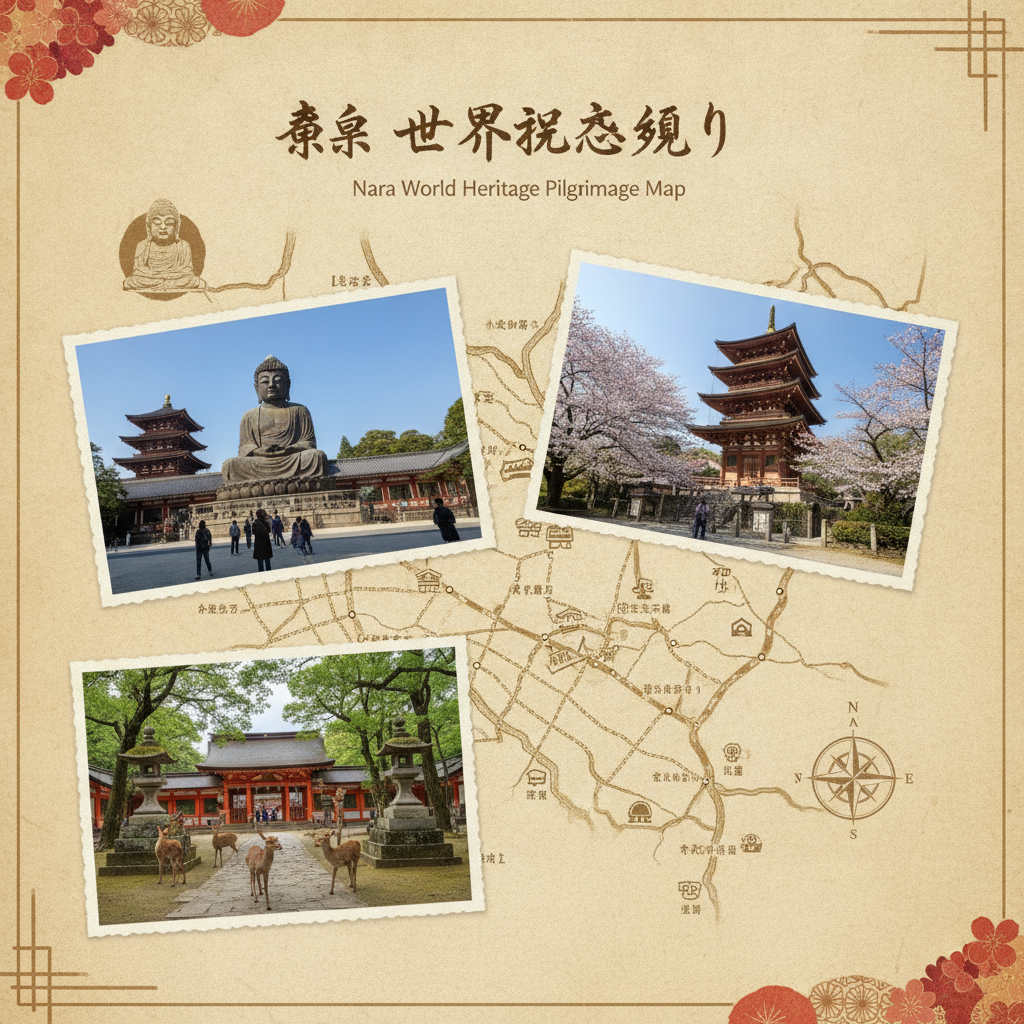
Approaching the Nandaimon Gate, the scale begins to truly impress. Its massive timbers, weathered by centuries, frame a vista of colossal guardians, the Kongō Rikishi. Passing beneath, the air seems to shift, heavier with the weight of prayer and time. And then, there it is: Todai-ji. The construction of Todai-ji in the 8th century was not merely an architectural feat; it was an act of profound national purpose, orchestrated by Emperor Shomu to bring spiritual unity and ward off plagues and disasters. The sheer scale of the project, requiring vast resources and countless artisans, speaks to the fervent Buddhist faith of the era. The forest giants – towering cedar and cypress – were felled and transported, then meticulously crafted into the colossal pillars and beams that support this monumental structure. Standing within the Daibutsuden, the Daibutsu Hall, the air itself seems to hum with the echoes of ancient prayers. The Great Buddha, seated majestically, his face emanating infinite compassion, is a masterpiece of bronze casting, a technological and artistic marvel of its time. Imagine the dedication of those who forged and assembled this immense figure, piece by piece, an undertaking that would challenge even modern engineering. The silence within the hall, broken only by the soft shuffling of visitors, deepens the sense of awe, connecting you directly to the spiritual aspirations of a nascent nation. To stand before such a monument, knowing it has silently witnessed over a millennium of human history, is humbling. It’s a moment where the roar of the BRZ's engine fades entirely, replaced by the profound silence of ages.
Nara Park itself, encompassing Todai-ji, is an integral part of the experience. Its sprawling lawns, ancient trees, and gentle hills provide a serene backdrop to the historical monuments. The interaction with the deer, respectfully bowing for crackers, adds a unique and charming dimension to this World Heritage site. It’s a place where history and nature dance in perfect harmony, a testament to Japan’s enduring reverence for both.
12:00 PM - 1:00 PM: Kasuga Taisha – Vermillion Splendor in Ancient Woods
From Todai-ji, a pleasant walk through the verdant depths of Nara Park leads us to Kasuga Taisha. The path itself is an experience, winding beneath ancient cedars and towering cryptomerias, a journey into an enchanted forest. The air grows cooler, imbued with the scent of damp earth and verdant moss. Thousands of moss-covered stone lanterns, donated over centuries by worshippers, line the path, each one an offering, their ancient forms lending an ethereal glow to the dappled sunlight. Each lantern, a miniature monument, tells a story of personal faith. As we draw closer, the vibrant vermillion of the shrine emerges, a startling splash of color against the deep greens of the primeval forest, almost as if it’s been painted onto the very canvas of nature.
Founded in the 8th century by the powerful Fujiwara clan, Kasuga Taisha is a Shinto masterpiece, its intricate wooden structures painted in a brilliant red that seems to pulse with spiritual energy. The hundreds of bronze lanterns, gleaming softly within its corridors, create a mystical ambiance, particularly when lit during the festivals. It's a place where the veil between the earthly and the divine feels incredibly thin, where every whisper of the wind through the ancient cedars feels like a message from the past. The annual Kasuga Wakamiya On-Matsuri festival, where costumed participants recreate ancient processions, brings this history vividly to life, and one can almost hear the faint strains of ancient music carried on the wind. The interplay of light and shadow, the vibrant colors against the deep forest green, creates a mystical ambiance that feels truly unique to Japan's Shinto heritage – a profound reverence for nature intertwined with human artistry.
1:00 PM - 2:00 PM: Lunch – A Taste of Nara's Heritage
After such an immersive journey through history, the senses crave a different kind of nourishment. Nara's culinary scene, while perhaps less boisterous than Osaka's, offers its own quiet delights. We seek out a small, unassuming eatery tucked away from the main tourist paths, its wooden facade hinting at generations of tradition. Here, we indulge in kakinoha-zushi, a local specialty of sushi wrapped in persimmon leaves. The delicate flavor of the cured mackerel or salmon, infused with the subtle aroma of the leaf, is a testament to Nara's refined palate. Each bite is a miniature journey, a perfect counterpoint to the grandeur of the morning. Paired with a warm bowl of locally produced somen noodles or perhaps a refreshing local tea, it’s a moment of quiet contentment, allowing the mind to process the profound historical experiences of the morning. The hushed atmosphere, the subtle flavors, and the gentle clatter of ceramic dishes create a truly authentic Japanese dining experience.
2:00 PM - 4:00 PM: Kofuku-ji & Isuien Garden – Pagodas and Panoramic Beauty
Refreshed, we head to Kofuku-ji, another of Nara's iconic World Heritage sites, easily accessible on foot from the park. Its towering five-story pagoda, one of Japan's tallest, stands sentinel over the city, a graceful silhouette against the azure sky. The temple's history is deeply intertwined with Nara's, a powerful center of Buddhist learning, housing invaluable national treasures. Even amidst the ongoing reconstructions, the spiritual gravity of the place is undeniable, an echo of its former glory. The scale of the pagoda, soaring upwards, is a constant reminder of the architectural prowess of ancient Japan. The temple grounds, though less expansive than Todai-ji, offer a serene walk through history, with various halls and treasures to explore, each telling a part of Nara's complex Buddhist past.
Just a stone's throw away, the tranquil beauty of Isuien Garden offers a peaceful retreat. This exquisite traditional Japanese garden, incorporating Todai-ji and Mount Wakakusa as 'borrowed scenery' in its design, is a masterpiece of landscape art. Strolling along its meticulously manicured paths, past koi-filled ponds and ancient tea houses, the mind calms, and the heart finds solace. Every stone, every tree, every ripple in the water is placed with deliberate intent, creating a harmony that is both visually stunning and profoundly peaceful. It's a perfect moment to reflect on the day's historical journey, the sounds of distant traffic and the world beyond fading into a gentle murmur. The scent of damp earth and blooming flora fills the air, a delightful sensory interlude before we embark on our next driving adventure.
4:00 PM - 5:30 PM: Drive to Horyu-ji – The Winding Path to Ancient Wonders
As the afternoon light begins to soften, it's time to reacquaint ourselves with the BRZ. Its direct steering and responsive chassis make even short urban drives enjoyable, but now we're headed west, towards Ikaruga, for a different kind of World Heritage experience: Horyu-ji. The drive itself is a delightful departure from the urban sprawl. We take local roads, winding through small towns and agricultural lands, the BRZ’s nimble handling making light work of the turns. The landscape shifts, becoming more rural, the air scented with freshly tilled earth and distant pines. The road, a ribbon of asphalt unfolding before us, encourages a focused, engaged drive, a perfect prelude to the ancient wonders ahead. The BRZ's naturally aspirated 2.4-liter Boxer engine, though not a fire-breathing monster, offers a linear, satisfying surge of power, making effortless work of these country roads. The precise throttle response allows for smooth acceleration out of corners, and the balanced chassis inspires immense confidence, truly connecting driver to the machine.
Horyu-ji is not just old; it's a miracle of preservation. To stand before its pagoda and Golden Hall is to witness structures that have defied earthquakes, typhoons, and the relentless march of time for over 1300 years. These buildings predate many of Europe's grand cathedrals and are a testament to the sophisticated woodworking techniques of the Asuka period. The five-story pagoda, in particular, with its beautifully proportioned tiers, exemplifies a mastery of joinery that eschewed nails, relying instead on interlocking timbers – a structural genius that allows the buildings to sway and absorb seismic shocks. Prince Shotoku, the visionary who commissioned this temple, sought to introduce Buddhism as a civilizing force, and Horyu-ji became a crucible of early Japanese art, religion, and governance. The treasures within, from ancient Buddhist sculptures to intricate wall paintings, offer an unparalleled window into this pivotal era. The drive to Horyu-ji in the BRZ, through the gentle hills and fields, felt like a deliberate journey back through time, each turn of the wheel bringing us closer to a tangible piece of humanity’s enduring heritage. The quiet dignity of the temple complex offers a profound counterpoint to the earlier grandeur of Todai-ji, inviting deeper contemplation.
5:30 PM - 7:00 PM: Sunset Drive to Accommodation – The Road's Embrace
As the sun begins its slow descent, painting the western sky in fiery oranges and deep purples, we begin our drive towards our chosen accommodation. Rather than staying directly in the bustling center, we opt for a traditional ryokan nestled slightly outside Nara City, promising tranquility and a taste of authentic Japanese hospitality. The roads leading there are less traveled, offering sweeping curves and gentle undulations, perfect for letting the BRZ stretch its legs just a little. The engine's note, no longer a roar, but a contented purr, accompanies the fading light. The landscape transforms under the golden hour, rice fields glowing, ancient trees casting long, dramatic shadows. This is where the car truly becomes an extension of yourself, a silent partner in the appreciation of Japan's breathtaking natural beauty. The precise weighting of the steering, a perfect balance of feedback and assistance, allows you to place the car exactly where you want it, making the most of these serene, flowing roads. The feeling of absolute control, the direct feedback from the road, transforms mere travel into an engaging, thrilling experience. Even the scent of the countryside, a blend of fresh earth, distant pine, and sometimes the faint aroma of traditional Japanese charcoal fires, adds another layer to this rich sensory tapestry. The vibrant colors of the sunset, framed by the BRZ's windshield, create a moving masterpiece, a perfect end to a day of historical immersion and driving exhilaration.
7:00 PM Onwards: Evening Serenity – Local Flavors and Rest
At the ryokan, the transition from road warrior to serene guest is complete. A warm welcome, the soft rustle of a yukata, and the delicate flavors of a multi-course kaiseki dinner await. Each dish, a miniature work of art, celebrates local seasonal ingredients, a culinary journey in itself, a perfect reflection of Japan's meticulous approach to food. The day's historical explorations and exhilarating drives melt away in the soothing warmth of a private onsen, allowing the body and mind to completely unwind. The night in Nara is quiet, peaceful, punctuated only by the chirping of cicadas and the distant calls of night birds. The deep tranquility offers a stark contrast to the lively hum of Osaka, allowing for deep rest. Tomorrow, new adventures beckon, and the BRZ waits patiently, ready for another day of exploration, its form silhouetted against the soft glow of the ryokan’s traditional lanterns.
Day 2: Nara’s Hidden Gems & Scenic Return – The Road Less Traveled
7:00 AM - 8:00 AM: Morning Reflection & Departure
The aroma of freshly brewed tea and a traditional Japanese breakfast fills the ryokan. As the morning mist gently lifts from the surrounding hills, casting a soft, ethereal glow, there's a sense of renewed energy. The BRZ, freshly gleaming from the night's dew, waits in the quiet courtyard. Its compact size makes it surprisingly easy to maneuver even in tight traditional Japanese spaces. With a final bow to our hosts, we slip into the bucket seats, the scent of leather and subtle fuel a familiar comfort. Today, we delve deeper into Nara's quieter, yet equally profound, World Heritage sites before a spirited drive back to Osaka, seeking out the roads less traveled and the stories less told.
8:00 AM - 10:00 AM: Yakushi-ji & Toshodai-ji – Architectural Elegance and Spiritual Calm
Our first destination takes us slightly southwest of the main Nara Park area, a pleasant ten-minute drive that allows the BRZ to warm up with some gentle bends through the quiet streets of Nishinokyo. Yakushi-ji, another UNESCO World Heritage site, is renowned for its elegant East Pagoda, a truly exquisite example of Nara Period architecture. Its unique triple-roof design, appearing as six stories, gives it an almost ethereal lightness. The main hall, housing the Yakushi Nyorai (Medicine Buddha) triad, exudes a powerful sense of healing and peace. Standing before these structures, one can almost hear the murmurs of monks from over a thousand years ago, chanting their prayers. Yakushi-ji, with its gleaming modern reconstructions alongside the venerable East Pagoda, demonstrates a dynamic commitment to its heritage. The original temple was founded by Emperor Tenmu for the recovery of his ailing empress, imbuing it with a compassionate, healing aura. The East Pagoda, dating back to 730 AD, is an architectural marvel, its unique mokoshi or skirt roofs giving it a graceful, almost dancing appearance. It is said to represent the purity and power of Buddhist doctrine.
Just a short, picturesque drive further along quiet, tree-lined roads, we arrive at Toshodai-ji. This temple, founded by the Chinese monk Ganjin in the 8th century, holds a special place in Japanese Buddhist history. Ganjin’s arduous journey to Japan, overcoming blindness and numerous obstacles, is a saga of unparalleled determination. When he finally arrived, he established the ordination platform, fundamentally shaping Japanese Buddhism. The temple’s Golden Hall, a magnificent and austere structure, and the Lecture Hall, transported from the Imperial Palace, are sublime examples of Nara period artistry. The grounds, filled with ancient trees and tranquil ponds, invite quiet contemplation. The BRZ’s subtle engine note fades into the rustling leaves, a modern presence in a truly ancient setting. The drive between these two sites, a gentle, contemplative glide in the BRZ, felt like traversing a sacred landscape, each curve and straight section leading deeper into the heart of early Japanese faith. The serenity here is profound, a perfect antidote to the bustling energy of the main city center.
10:00 AM - 12:00 PM: Nishinokyo Area & Local Exploration – Beyond the Main Path
Having soaked in the grandeur of Yakushi-ji and Toshodai-ji, we take some time to explore the Nishinokyo district itself. This area, less frequented by the mass tourist crowds, offers a glimpse into local Nara life. Small shops selling traditional crafts, unassuming cafes, and local shrines dot the landscape. It's a chance to simply wander, to observe, to truly feel the pulse of a historical city that continues to thrive. Perhaps we stop for a matcha tea and some wagashi at a small local shop, the quiet hum of conversation and the delicate flavors a stark contrast to the earlier morning's historical immersion. This is the beauty of having your own set of wheels – the freedom to diverge from the well-trodden path, to uncover the serendipitous delights that lie just beyond the guidebooks. The BRZ, parked discretely on a side street, becomes our silent companion, always ready for the next spontaneous discovery, its sleek lines blending surprisingly well with the traditional surroundings. This autonomy allows for a deeper, more personal connection to the place, away from the curated experiences.
12:00 PM - 1:00 PM: Farewell Lunch in Nara – A Last Culinary Delight
For our final lunch in Nara, we seek out something distinct, perhaps a restaurant specializing in miwa somen, a delicate noodle dish with a history stretching back over 1200 years. Served either hot or cold, with various toppings and broths, it’s a refreshing and flavorful experience, perfectly suited for a midday meal. Or perhaps a modern take on Nara's regional ingredients, showcasing how tradition beautifully intertwines with contemporary culinary artistry. The meal is not just about sustenance; it’s a moment to reflect on the depth of Nara's cultural offerings, from its towering temples to its subtle gastronomical treasures. The quiet atmosphere of a local eatery provides the perfect backdrop for savoring these last flavors, the subtle textures and aromas lingering on the palate, a delightful culinary memory to accompany the historical insights.
1:00 PM - 2:30 PM: Scenic Drive Towards Osaka – The Open Road Calls
With our hearts full of history and our palates satisfied, it's time to point the BRZ towards Osaka. But we won't simply retrace our steps on the expressway. Instead, we opt for a more scenic route, perhaps taking a slightly longer path that skirts the base of the Ikoma Mountains, offering panoramic views of the Kansai plain. The BRZ truly comes alive on these roads; the tight, responsive steering, the perfectly weighted clutch, and the precise gear shifts make every curve an exhilarating dance. The engine's eager growl accompanies us as we climb gentle inclines and sweep through broad, open turns. Each apex, each sweeping curve, becomes a delightful exercise in control and finesse. The short-throw shifter of the manual gearbox, a crisp snick as you select gears, connects you intrinsically to the machine. You feel the transmission working, the engine revving to meet your demands, the tires biting into the asphalt. It's an intoxicating ballet of man and machine, a dance of momentum and grip. The exhaust note, a deeper, more resonant growl as the revs climb, echoes off the passing hillsides, a visceral soundtrack to the unfolding scenery. Whether it’s a gentle climb through a forested pass or a series of tight S-bends, the BRZ’s low center of gravity and communicative chassis make every mile an event, a joyous affirmation of the art of driving. Imagine cresting a hill and seeing the Nara basin spread out behind you, a patchwork of rice paddies and ancient temples, now shrinking into the distance as you head towards new horizons. The road then dips, inviting you into a series of flowing curves, each one a perfectly orchestrated movement. The sensation of the BRZ's suspension gracefully absorbing imperfections, maintaining composure through quick changes of direction, is incredibly satisfying. It's not about outright speed; it's about the feeling of flow, the seamless transition from braking into a corner, downshifting with a perfectly executed rev-match, and then smoothly powering out, the horizon rushing towards you. The feeling of absolute control, the direct feedback from the road, transforms mere travel into an engaging, thrilling experience. Even the scent of the countryside, a blend of fresh earth, distant pine, and sometimes the faint aroma of traditional Japanese charcoal fires, adds another layer to this rich sensory tapestry.
2:30 PM - 4:00 PM: Michi no Eki Stop – A Local Gem
Before fully rejoining the expressway network, we make a strategic stop at a Michi no Eki, a roadside station. These aren't just gas stations; they are vibrant hubs of local culture and commerce. This particular Michi no Eki, nestled amidst rolling hills, offers an authentic glimpse into regional life. Inside, you'll find an astonishing array of local produce – plump, sweet strawberries, artisanal pickles, freshly baked goods, and unique regional snacks that make perfect souvenirs. We stretch our legs, perhaps grab a freshly brewed local coffee, and browse the shelves. It’s a chance to interact with local vendors, to sample some truly unique flavors, and to simply absorb the relaxed, community-focused atmosphere. The BRZ sits proudly in the parking lot, attracting curious glances, a testament to the allure of JDM culture even in rural Japan. These stops are integral to the Japanese road trip experience, offering not just amenities but a genuine connection to the local heartbeat, a delightful contrast to the ancient grandeur of the morning.
4:00 PM - 5:00 PM: Final Approach to Osaka – City Lights and Memories
Refreshed and laden with local goodies, we re-enter the expressway system for the final leg of our journey back to Osaka. As we approach the city, the landscape gradually shifts back to urban, the iconic skylines slowly emerging on the horizon. The setting sun casts long shadows over the bustling metropolis, its lights beginning to twinkle in the gathering dusk. The BRZ, which felt so at home on the winding rural roads, effortlessly navigates the multi-lane urban arteries, a testament to its versatility and refined road manners. The two days have been a kaleidoscope of ancient history, breathtaking natural beauty, and the pure, unadulterated joy of driving a finely tuned Japanese machine. From the colossal Daibutsu to the serene gardens, from the vibrant vermillion of Kasuga Taisha to the timeless elegance of Horyu-ji, Nara has unveiled its layers of history. And through it all, the BRZ has been more than a car; it has been a partner in discovery, connecting us to the land and its stories in a way public transport simply cannot. The engine's final, contented thrum as we pull into our destination in Osaka signals not an end, but the lingering memory of an extraordinary adventure, a promise of many more to come.
Nara World Heritage Tour, One-Day Trip, Historical Walk - Expert Advice & Cultural Nuances

More than just a convenient stop for fuel or a bathroom break, Japan’s Michi no Eki, or ‘Roadside Stations’, are vibrant micro-economies and cultural showcases. As a former train conductor, I’ve seen the efficiency of stations, but Michi no Eki offer something profoundly different: a direct, tangible connection to the local community. Each one is unique, reflecting the produce, crafts, and culinary specialties of its region. You might discover an unexpected array of artisan cheeses in one, freshly harvested mountain vegetables in another, or intricate traditional pottery. Many boast incredible views, local history museums, or even small hot springs. It’s a perfect opportunity to stretch your legs, discover a unique souvenir that isn't mass-produced, and sample local delights, from freshly baked melonpan to seasonal soft-serve ice cream. Engaging with the vendors, even with a language barrier, adds to the charm; their pride in their local wares is palpable. Don't rush these stops; they are an integral part of the Japanese road trip experience, offering genuine insight into the heartland.
While the World Heritage sites are essential, the true magic of driving in Japan lies in the freedom to stumble upon your own 'secret Japan'. Forget rigid itineraries; allow for spontaneity. Follow signs that intrigue you, even if you don't fully understand them. Keep an eye out for small, moss-covered shrines tucked away on country lanes, or the inviting steam of a local onsen bathhouse that's clearly patronized by locals. For food, venture a block or two away from the main tourist streets. Look for establishments with simple, unassuming exteriors, perhaps a handwritten menu (even if you can't read it, the atmosphere speaks volumes), and a few bicycles parked outside. These are often the places serving authentic, delicious, and affordably priced local cuisine. Trust your instincts, and be open to the unexpected. The BRZ, with its easy maneuverability, is your perfect partner for these delightful detours, allowing you to turn down that intriguing side road without a second thought.
Japanese roads are remarkably well-maintained and generally safe, but there are distinct nuances. Drive on the left. Speed limits are strictly enforced and often lower than what you might be accustomed to – typically 40-60 km/h on local roads and 80-100 km/h on expressways. Pay close attention to traffic signs; while many are bilingual, some smaller ones may not be. White lines indicate stopping, yellow lines no stopping. Japanese drivers are generally courteous and patient. Do not honk unnecessarily; it’s considered rude. Always yield to pedestrians, especially near temples and shrines. Be particularly vigilant in residential areas and around schools, where children might be present. When turning left (which is across oncoming traffic in Japan), be patient and wait for a clear gap. Expressway tolls are paid via ETC or cash, generally at manned booths if you don't have an ETC card, but as you'll learn, ETC is the way to go.
Parking can seem daunting, especially in urban centers, but with a BRZ, its compact size is a distinct advantage. Look for coin parking lots (pākinggu), clearly marked with signs, usually featuring a mechanical arm that raises after payment. Familiarize yourself with how they work; payment is typically made at a central machine before exiting. In smaller towns and near major attractions like Todai-ji, larger paid parking lots are available. Avoid parking in unauthorized areas; towing is swift and expensive. Many hotels and ryokans will offer parking, but it's always wise to confirm when booking. In rural areas, you'll find more free parking, especially at Michi no Eki or smaller, lesser-known attractions. Don't be afraid to utilize multi-story parking garages, often found near train stations, for secure and convenient parking in denser areas; the BRZ's agility makes navigating tight ramps a breeze.
Nara World Heritage Tour, One-Day Trip, Historical Walk - Detailed Logistics & Pre-Trip Tips
As we approach 2026, Japan's allure continues to grow, attracting visitors from across the globe. This means an increase in tourism, particularly in popular areas like Nara. While public transport can become crowded, especially during peak seasons and holidays, having your own BRZ gives you an unparalleled advantage. You can choose to visit popular sites during off-peak hours (early morning is always best!) or explore lesser-known, equally fascinating spots that remain tranquil even when the main attractions bustle. Traffic on expressways, while generally fluid, can become heavy around major cities during rush hour or long weekends, so planning your departure and return times accordingly is prudent. Always keep an eye on real-time traffic updates via your smartphone's navigation app to adjust your route if necessary, although the joy of driving a BRZ often makes even a slight delay enjoyable.
An ETC (Electronic Toll Collection) card is an absolute game-changer for driving in Japan. It’s like having a fast pass for every toll booth. When you rent a car, inquire about renting an ETC card along with it. The process is simple: slot the card into the reader in the car, and as you approach an ETC lane (clearly marked in purple), the barrier will automatically lift. Your tolls are tallied and paid electronically, avoiding the hassle of fumbling for change at every booth. Not only does it save time, but some ETC-only exits or routes offer slightly better flow and even discounted rates. For an authentic Japanese road trip, an ETC card is non-negotiable; it streamlines your journey and enhances the smooth flow of the drive, keeping you in sync with the efficiency of Japan.
Fueling up in Japan is a unique cultural experience. You'll encounter both full-service and self-service stations. At full-service stations, friendly attendants will guide you, often bowing and even cleaning your windows. The magic word for a full tank is 'Mantan' (満タン) – pronounced mahn-tahn. You'll typically be asked if you want 'Regular' (レギュラー, regyuraa), 'High-Octane' (ハイオク, haioku), or 'Diesel' (軽油, keiyu). For your BRZ, it’s High-Octane. Don't be surprised if they offer to throw out your trash or give you a small hand towel! Self-service stations are becoming more common; usually, you select your fuel type and amount on a touchscreen, pay at the pump (cash or credit card), and then pump the fuel yourself. It's an efficient system, but a little Japanese might come in handy for the screen prompts. Always pay attention to the color of the nozzle: red for regular, yellow for high-octane, green for diesel. Your BRZ will take yellow (high-octane) and will thank you for it with its crisp engine response.
Beyond the logistics of finding parking, mastering the art of Japanese parking takes a little nuance. In multi-story garages, spaces can be narrower than in some Western countries, so the BRZ's compact dimensions are a definite asset. Always reverse into spaces when possible, as it makes for an easier, safer exit. Watch out for automated parking systems where your car is lifted and stored – these are fascinating but require careful attention to the instructions. On smaller, winding roads near rural attractions, you might find informal parking areas. Always park considerately, ensuring you don't block access or disrupt local residents. Having a physical map or an offline map download can be a lifesaver if GPS signals are spotty in mountainous or heavily forested areas, particularly in the more remote areas you'll undoubtedly discover with the freedom of your BRZ.
For the true car enthusiast, the allure of driving a JDM manual transmission car like the BRZ is an experience unto itself. This isn't just about getting from A to B; it's about the profound connection you forge with the machine and the road. The tactile feedback from the shifter, the precise engagement of the clutch, the satisfying surge of acceleration as you perfectly execute a downshift into a corner – these are sensations that electronic nannies and automatic gearboxes simply cannot replicate. The BRZ’s engaging chassis and linear power delivery make it incredibly rewarding to drive at any pace, transforming even mundane journeys into mini-adventures. It forces you to be present, to anticipate, to feel the road. It’s a mechanical symphony, a dance of revs and ratios, enhancing every single moment of your Japanese road trip. This is the difference between simply seeing Japan and truly experiencing it with every fiber of your being, a visceral connection that elevates travel to an art form.
Nara World Heritage Tour, One-Day Trip, Historical Walk - Comprehensive FAQ
Do I need an International Driving Permit (IDP) to drive in Japan?
Absolutely essential. To drive legally in Japan, you will need an International Driving Permit (IDP) issued under the 1949 Geneva Convention on Road Traffic, along with your valid domestic driving license and your passport. Make sure your IDP is valid and presented with your original license. Please note, licenses issued under other conventions or bilateral agreements may have different requirements. Always carry all three documents with you when driving; they are your key to unlocking Japan’s roads.
What about car rental insurance?
All rental cars in Japan come with mandatory basic insurance coverage. However, I highly recommend opting for additional, comprehensive coverage for complete peace of mind. This typically covers collision damage waiver (CDW) and personal accident insurance. Read the terms carefully, understand your deductible, and clarify what is and isn't covered. Having full coverage means you can fully immerse yourself in the driving experience without worrying about minor incidents, allowing you to focus solely on the adventure ahead.
I'm a bit rusty with manual transmission. Will driving a JDM MT car be difficult?
If you're comfortable with manual transmission, don't hesitate! The BRZ is an incredibly forgiving and enjoyable car to drive manually. The clutch is light, and the gear throws are precise. Japanese roads are generally smooth, and traffic, while dense in cities, tends to be orderly. If you haven't driven MT in a while, perhaps practice a bit before your trip, but trust me, the reward of driving a JDM legend manually in its home country is immeasurable. The BRZ’s communicative nature will make you feel like a pro in no time, and the pure mechanical feedback is a joy you won't want to miss.
What are winter road conditions like in Nara?
While Nara is not typically known for heavy snowfall like Hokkaido or the Japan Alps, winter months (December to February) can bring occasional snow or icy conditions, especially in higher elevations or early mornings. Always check local weather forecasts before you set out. Rental cars are usually equipped with all-season tires, but if you plan to venture into more mountainous regions or during a forecast of significant snow, inquire about snow tires or chains. For a Nara World Heritage tour, general winter driving precautions should suffice, but staying updated on conditions is always wise to ensure a safe and enjoyable journey. The BRZ's balanced handling offers confidence in varying conditions, but preparedness is key.
Nara World Heritage Tour, One-Day Trip, Historical Walk - The Final Call: CTA
As the BRZ comes to a final, contented rest in Osaka, its engine cooling with soft metallic sighs, the memories of your Nara World Heritage Tour surge through you. You haven't just visited ancient temples; you’ve engaged with them, driven to their very gates, felt the whispers of history through the very wheels of your machine. You've experienced the exhilarating freedom of the open Japanese road, the thrill of carving through winding passes, and the profound satisfaction of uncovering hidden gems at your own pace. The journey through Nara’s World Heritage sites has been more than a sightseeing trip; it has been a dialogue with the past, facilitated by the precision and passion of a modern JDM icon.
This isn't merely a trip; it's an awakening, a visceral connection to the soul of Japan, forged through the unique lens of a JDM driving adventure. The sleek lines of the BRZ, its responsive chassis, and the engaging manual gearbox weren't just transport; they were an integral part of your discovery, amplifying every sight, every sound, every moment. You’ve tasted the history, smelled the ancient forests, and heard the thrilling symphony of a performance engine in its natural habitat. This profound immersion is the true essence of experiencing Japan.
Are you ready to write your own chapter in Japan's story? To trade the passive passenger seat for the driver's exhilaration? To feel the pulse of this incredible nation beneath your fingertips as you navigate its storied roads? Then there's only one place to start. For the ultimate JDM driving experience, for cars like the iconic BRZ that transform a journey into an adventure, I wholeheartedly recommend Omoshiro Rentacar Osaka Chuo. They understand the passion, they provide the machines, and they are your gateway to unlocking the secret roads and ancient wonders of Japan. Don't just tour Japan; drive it. Feel it. Live it. Your JDM adventure awaits!
