
1. Kyoto Keihoku Drive - The Philosophy of Driving in Japan
As a former conductor for the Kintetsu Railway, my early career was defined by strict timetables, steel tracks, and the polished precision of Japan's world-renowned public transit network. Trains are without question the heartbeat of Japanese transportation. They sweep smoothly through metropolis corridors and carry millions daily with effortless efficiency. But rail lines are bound by steel and schedule. They follow the valleys, bypass the rugged peaks through deep subterranean tunnels, and deliver you strictly from designated Platform A to Platform B.
When you rely solely on trains and tour buses, you experience Japan through a frame: beautiful, curated, but strictly structured. You miss the spaces in between—the quiet asphalt ribbons that wind up into misty, cedar-scented ridges, the roadside shrines standing silently beside mountain streams, and the isolated mountain hamlets where traditional thatched roofs still catch the morning light.
To discover what I call "Secret Japan," you need a steering wheel in your hands, three pedals under your feet, and a finely tuned engine responding to your every input.
Starting a road trip from Osaka opens up the entire Kansai region in a way no rail pass ever could. Within forty-five minutes of leaving the urban grid, the dense neon towers give way to rolling hills. Crossing northward toward the ancient capital of Kyoto, you bypass the standard, crowded tourist corridors of Arashiyama and Gion. Instead, you point the nose of your sports machine toward Route 162—the legendary Shuzan Highway—and climb into Keihoku.
Keihoku is a pristine, mountainous enclave nestled in the northern reaches of Kyoto City. Geographically raw and culturally timeless, this region served for centuries as the timber heartland for Japan’s imperial capitals, providing the massive Sugi (Japanese cedar) logs used to construct the historic temples of Nara and Kyoto. Yet despite being administratively part of Kyoto, Keihoku feels lightyears removed from the bustling tour buses of the city center.
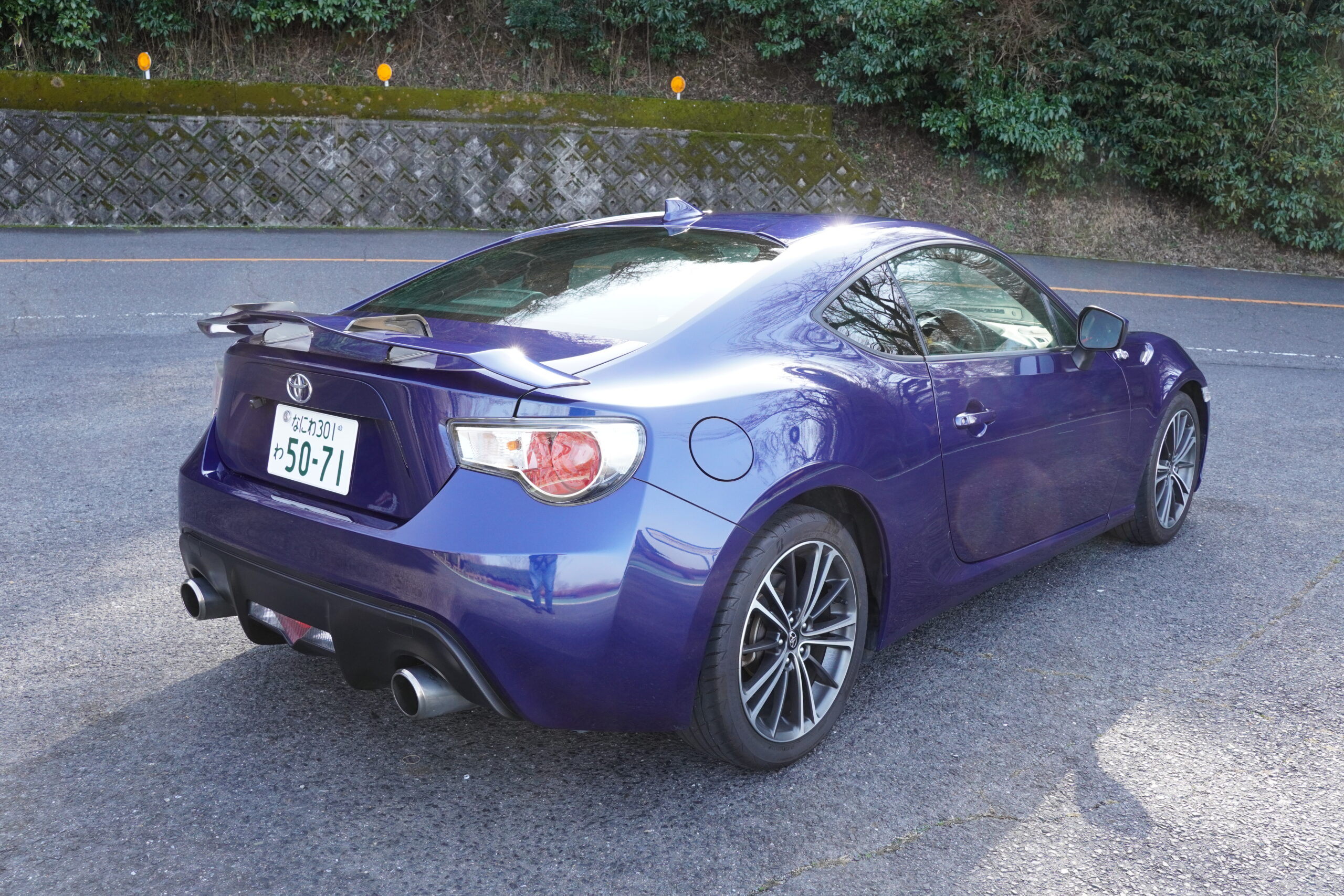
Driving here is not merely about transportation; it is an active, sensory immersion. In a lightweight, rear-wheel-drive sports car like the Toyota 86 or Mazda Roadster (ND), every turn on these mountain roads becomes an dialogue between driver, machine, and landscape. You feel the changing pavement textures through the communicative steering rack, hear the crisp mechanical rev-match on downshifts echoing off rock faces, and smell the deep damp earth and pine needle aroma flowing through the cabin. This article is your definitive guide to escaping the beaten path and experiencing the true soul of Japanese driving.

2. Kyoto Keihoku Drive - The 2-Day Itinerary: Deep Dive
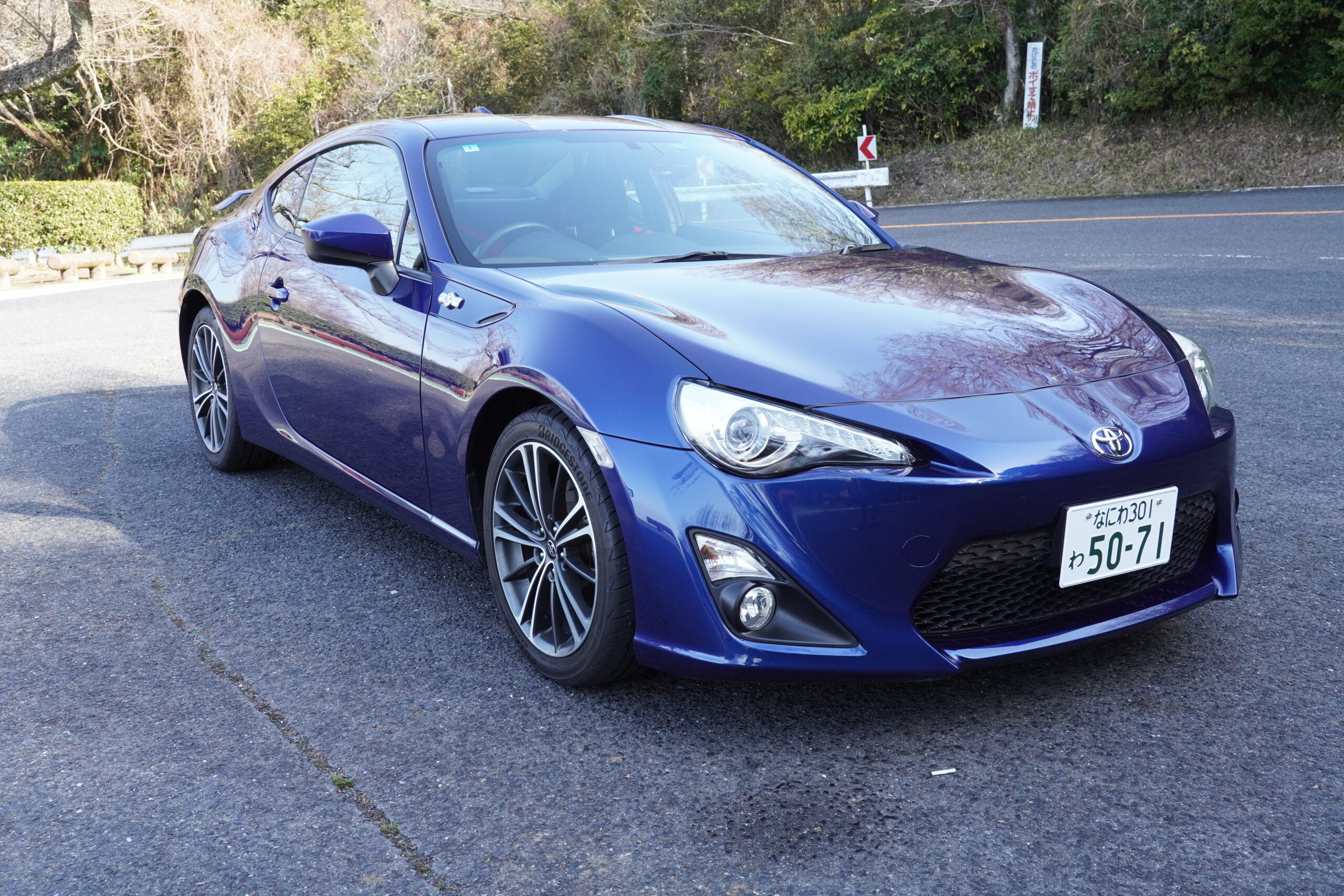
This detailed two-day itinerary takes you from the bustling energy of Osaka deep into the tranquil, winding mountain passes of Keihoku, Kyoto, before returning via scenic rural loops.
DAY 1: Into the Timber Kingdoms & Mountain Passes
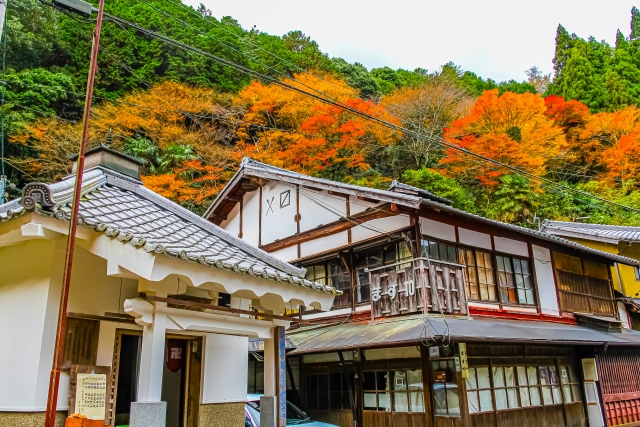
08:00 AM – Departure from Central Osaka
Your journey begins early in Osaka. Settle into the low-slung bucket seat of your sports car—whether it is the razor-sharp handling Toyota 86 or the light, open-top Mazda Roadster ND. Adjust your mirrors, engage the clutch, and slot the short-throw shifter into first gear. Merging onto the Hanshin Expressway northbound, the city slowly wakes up. The morning sun reflects off glass skyscrapers as you head toward Route 423, transitioning smoothly from urban highways to rural prefectural roads.
09:30 AM – The Gateway: Route 162 (Shuzan Highway)
Leaving the northern outskirts of Kyoto behind, you enter Route 162, locally famous as the Shuzan Highway. This stretch of road is revered among Japanese driving enthusiasts. The asphalt is smooth, dark, and well-maintained. The road begins with sweeping mid-speed curves that follow the contours of the Kiyotaki River. As the elevation increases, the forest thickens with towering Kitayama Cedar trees—straight, slender trunks that reach dramatically toward the sky.
In the early autumn, just before the full peak of Koyo (autumn foliage), the canopy is a brilliant tapestry of vibrant greens interspersed with early flashes of crimson maple and golden ginkgo. Pressing the throttle through third gear, the engine note reverberates against the dense forest wall. The chassis remains planted and balanced, responding instantly to light steering inputs.
11:00 AM – Historic Exploration: Joshokoji Temple
Location: Keihoku-Idocho, Ukyo Ward, Kyoto
Context: A tranquil Zen temple established in 1362 by Emperor Kogen.
Park the car in the quiet gravel lot surrounded by ancient trees. Stepping out of the vehicle, the sudden silence of the forest is striking, broken only by the rustle of leaves and the distant murmur of the Katsura River tributaries.
Walking up the stone steps lined with moss-covered lanterns, you reach the main hall of Joshokoji Temple. Unlike Kyoto’s crowded central temples, here you can sit peacefully on the wooden veranda (Engawa) overlooking pristine gardens. The garden transitions gently into the natural forest mountain behind it, a technique known as Shakkei (borrowed scenery). Before the heavy autumn crowds arrive, the quiet crispness of the morning air here provides a profound sense of serenity.
12:30 PM – Lunch: Local Mountain Cuisine at a Keihoku Eatery
After an invigorating morning drive, turn off Route 162 into the central Keihoku valley for lunch. Stop at a rustic local restaurant specializing in Soba (buckwheat noodles) and local mountain vegetables (Sansai).
Order a bowl of freshly hand-rolled cold Soba served with crisp vegetable tempura featuring locally harvested shiitake mushrooms, sweet potato, and wild mountain greens. The buckwheat noodles have a distinct firm texture and earthy flavor, perfectly complemented by a savory, dashi-rich dipping sauce.
02:00 PM – Cruising the Ribbons: Route 363 & Kurama River Valleys
Driving Experience: Narrow single-lane to tight double-lane technical curves, low-speed technical hairpin turns.
Re-engage the starter button and head further north toward Route 363. This road narrows as it traces the contours of the clear riverbed. Here, a lightweight sports car like the Mazda Roadster ND excels. With its near 50:50 weight distribution and minimal curb weight, navigating narrow S-bends requires minimal effort—just pure, intuitive flow.
The scenery shifts continuously: open agricultural valleys with traditional wooden farmhouses give way to narrow rock canyons where cedar branches arch completely over the road, creating a natural green tunnel. Keep an eye out for local wildlife; wild deer and Japanese serow (Kamoshika) occasionally peer out from the tree line.
04:30 PM – Check-In: Traditional Kominka Homestay / Ryokan in Keihoku
Check into a renovated Kominka (traditional Japanese thatched-roof farmhouse) converted into a private guest residence. These historic structures feature heavy wooden beams crafted without nails, tatami mat rooms, and traditional sliding doors (Fusuma).
06:30 PM – Dinner: Botan Nabe (Wild Boar Hotpot)
For dinner, enjoy a traditional local specialty: Botan Nabe. Freshly prepared slices of wild boar meat are arranged meticulously on a platter to resemble the petals of a peony flower (Botan). The meat is simmered in a rich, miso-based broth along with locally grown burdock root, leeks, tofu, and mountain mushrooms.
The broth is hearty, savory, and deeply warming after a day spent driving cold mountain passes. Pair the meal with locally brewed Kyoto sake crafted using pure mountain spring water.

DAY 2: Hidden Villages, Lake Views, and Coastal Overlooks
08:30 AM – Morning Cold Start & Mist Over the Valley
Morning in Keihoku arrives with a thick, ethereal blanket of fog clinging to the cedar-covered peaks. The cool, dense morning air is ideal for internal combustion engines. Fire up the engine; the exhaust note settles into a smooth, steady idle in the crisp morning atmosphere.
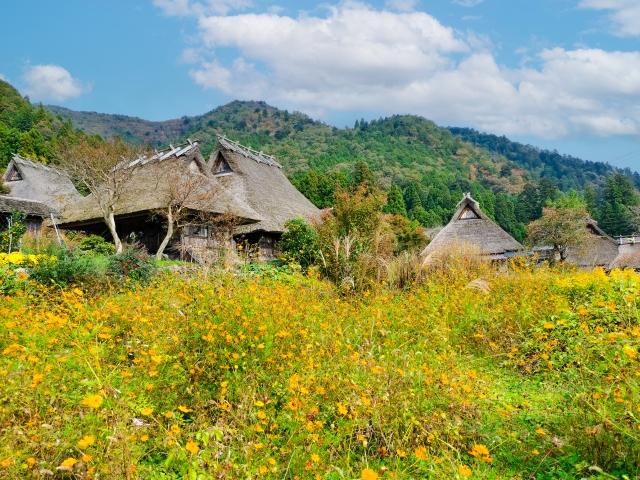
09:00 AM – The Scenic Ascent: Miyama Thatched Village (Kayabuki no Sato)
Route: Take Route 19 North from Keihoku into the Miyama valley (approx. 40 minutes).
Highlights: Traditional thatched-roof houses (Kayabuki), pristine river vistas, technical driving curves.
Route 19 follows the winding path of the Yura River. The road surface is broad and offers exceptional visibility, allowing for a smooth, sweeping driving rhythm.
Arriving at Kayabuki no Sato in Miyama, you step into a living historical landscape. Over thirty traditional thatched-roof farmhouses are preserved here, set against steep, forested hillsides. Stroll through the quiet village lanes, where vegetable gardens are carefully tended and fresh spring water flows through narrow stone channels along the paths.
11:30 AM – Crossing to Lake Biwa via Prefectural Route 367
Turn east across the mountain ridges heading toward Lake Biwa, Japan's largest freshwater lake. The road climbs steadily over mountain passes featuring tighter chicane sections. In a Toyota 86, the precise pedal placement allows for perfect heel-and-toe downshifts as you set up for tight right-angle hairpin turns before opening the throttle on short straightaways.
01:00 PM – Lunch: Omi Beef Bowl on the Shores of Lake Biwa
Descend from the mountains to the western shores of Lake Biwa near Takashima. Stop at a lakeside dining spot for a bowl of Omi Beef Donburi. Omi beef is one of Japan's top three historic Wagyu brands, known for its delicate marbling and rich tenderness. Slices of seared Wagyu are served over steaming Japanese rice, topped with a soft-boiled egg and savory soy glaze.
03:00 PM – Coastal & Scenic Highway Return
Begin the southern journey back toward Osaka, taking scenic bypasses that skirt the edge of the mountains. Stop briefly at a roadside lookout point to view the afternoon sunlight reflecting off the expansive surface of Lake Biwa.
05:30 PM – Return to Osaka
As twilight falls, merge back onto the expressways heading into central Osaka. The bright neon signs and bustling urban atmosphere welcome you back, providing a dramatic contrast to the serene, ancient forest highways of Keihoku you navigated just hours prior.
3. Kyoto Keihoku Drive - Expert Advice & Cultural Nuances
Driving through rural Japan offers an intimate window into local life, but it comes with unique cultural norms and practical road customs that every international traveler should understand.
The Culture of Michi-no-Eki (Roadside Stations)
Japan’s Michi-no-Eki are far more than mere highway rest stops. They are vibrant community hubs designed to support local agriculture and rural tourism.
Local Produce & Crafts: Each station carries unique items grown or made within a few miles—such as fresh Keihoku wild honey, cedarwood crafts, locally made soft-serve ice cream (Chestnut or Uji Matcha flavors), and freshly baked rice cakes (Mochi).
Driver Amenities: They offer free 24/7 parking, spotless public restrooms, regional tourist maps, and local dining options.
Key Stop: Michi-no-Eki Woody Keihoku is an essential stop along Route 162, offering custom wood crafts, fresh local lunches, and detailed local road information.
Rural Driving Etiquette & Mountain Safety
Narrow Passes (Kudo): Some mountain backroads shrink down to single-lane paths with occasional pull-out spots (Dai-ichi). If you see an oncoming vehicle, pull into the nearest designated widening point on your left to let them pass. A brief double-flash of your hazard lights is the universal Japanese sign for "thank you."
Speed Limits & Pace: Rural speed limits in Japan can appear slow on paper (often 40 km/h to 50 km/h). Drive smoothly, respect village speed zones strictly, and pull over safely to let faster local drivers pass if you are casually sightseeing.
Agricultural Vehicles: In farming areas like Keihoku and Miyama, mini-trucks (Kei-trucks) frequently enter roads from farm plots. Maintain generous follow distances around blind corners.
4. Kyoto Keihoku Drive - Detailed Logistics & Pre-Trip Tips
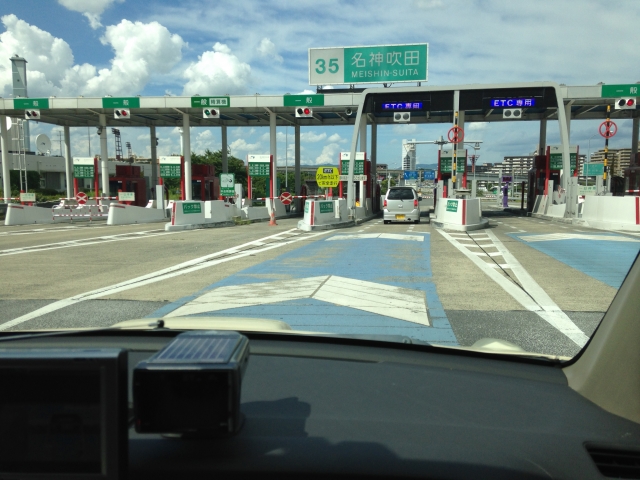
Navigating Japanese roads in a high-performance manual vehicle requires a bit of practical preparation. Here are the crucial technical and logistical details for a seamless road trip:
Expressways & The ETC Card System
ETC (Electronic Toll Collection): Expressways in Japan use toll systems. Vehicles equipped with an ETC card reader allow you to pass through designated green "ETC" gates without stopping to pay cash. The tolls are logged automatically and settled when you return the rental car. Always ensure your rental vehicle includes an active ETC card slot and card.
Refueling Etiquette at Japanese Gas Stations
Gas stations (Gasorin Susutendo) in Japan are divided into Full Service (Mantan) and Self-Service (Serufu).
Fuel Types: High-performance Japanese sports cars like the Toyota 86 or Mazda Roadster ND strictly require High-Octane (ハイオク - Haioku) fuel to ensure proper engine calibration and performance. Standard fuel is Regular (レギュラー - Regyurā).
Driving a JDM Manual Transmission (MT)
Driving a manual transmission sports car on winding Japanese mountain passes is a deeply satisfying experience. The Toyota 86 offers a crisp, mechanical shift feel with short pedal travel, ideal for precise rev-matching on downshifts. The Mazda Roadster ND provides a light clutch feel and an incredibly responsive chassis that dances through tight mountain hairpins. Remember that in Japan, vehicles drive on the LEFT side of the road, and the driver sits on the RIGHT side of the car.
5. Kyoto Keihoku Drive - Comprehensive FAQ
What documentation do I need to rent and drive a car in Japan?
To drive legally in Japan, you must present the following documents at the rental counter:
Your original Valid Driver's License from your home country.
A valid International Driving Permit (IDP) issued under the 1949 Geneva Convention. (Note: Permits issued under the 1968 Vienna Convention are NOT accepted in Japan).
Your original Passport.
Drivers holding licenses from specific nations (such as Switzerland, Germany, France, Taiwan, Belgium, and Monaco) require an official Japanese translation of their native license provided by JAF (Japan Automobile Federation) instead of an IDP.
Is it difficult to adjust to driving a Manual (MT) RHD car in Japan?
If you already know how to operate a manual transmission car, adjusting to Right-Hand Drive (RHD) takes about 15 to 30 minutes of conscious focus. The pedal arrangement remains identical (Clutch on the left, Brake in the middle, Gas on the right). The gear shift pattern is also identical (1st gear is top-left). The primary difference is operating the gear shifter with your left hand.
What are the road conditions in Keihoku during autumn?
In early to mid-autumn, road conditions are generally dry, clear, and ideal for sports driving. As late autumn approaches into winter (late November to December), morning black ice can form on shaded mountain curves and bridge surfaces. Always check weather advisories prior to heading into higher elevations.
6. Kyoto Keihoku Drive - The Final Thoughts
The true magic of Japan does not exist behind the glass windows of a packed tour bus or along the standardized rails of a train line. It is waiting for you in the quiet mountain passes, the mist-shrouded cedar forests, and the ancient asphalt ribbons of Keihoku. It is found in the mechanical purr of a perfectly balanced rear-wheel-drive engine, the tactile engagement of a manual gear shift, and the complete freedom to stop wherever the view demands it.
Your journey into the heart of secret Kansai begins the moment you step into a driver-focused machine crafted specifically for the joy of the open road.
Ready to trade the crowded tourist corridors for the open mountain curves of Kyoto?
Reserve your dream JDM sports car—from the razor-sharp Toyota 86 and Subaru BRZ to the iconically balanced Mazda Roadster ND—at Omoren (Omoshiro Rent-a-Car) Osaka Chuo Branch. Pick up your keys in central Osaka, hit the ignition, and chart your own path into the real Japan today.