Mt. Rokko Driving in a Subaru BRZ - The Philosophy of Driving in Japan
For over a decade, I viewed the Japanese archipelago through the narrow glass framing the conductor’s cab of a Kintetsu commuter train. Day in and day out, I was part of the precision clockwork that defines Japan’s world-renowned rail network. The trains here are engineering marvels—silent, punctual to the second, and hyper-efficient. But iron rails bound you to a predetermined path. They slice through valleys and tunnel through mountains without ever allowing you to stop, explore, or truly feel the contour of the terrain. As a conductor, I stared out at the mist-shrouded peaks running parallel to our tracks, wondering what incredible discoveries hid beyond the train platform's edge.
When I stepped away from the railway and took to the open road, my entire perception of Japanese travel transformed. Behind the wheel of a proper driver's car, Japan ceases to be a checklist of crowded bullet train stations and mega-cities. It morphs into a hidden, living landscape—a "Secret Japan" accessible only to those who hold a steering wheel.
While public transport in the Kansai region efficiently shuttles millions between Osaka, Kyoto, and Kobe, it completely misses the soul of the Japanese countryside. The true magic of Kansai doesn't lie within the concrete walls of Shin-Osaka Station; it is found in the ribbons of asphalt that climb into the clouds just minutes outside the urban sprawl.
Starting a driving adventure from Osaka offers an extraordinary contrast. Within thirty minutes of navigating Osaka’s neon-lit grid, you can transition onto mountain passes that feel thousands of miles removed from civilization. This brings us to the ultimate driving sanctuary hovering above the Kansai metropolis: Mount Rokko (六甲山).
Rising nearly 1,000 meters above the Bay of Osaka, the Rokko Mountain Range forms a dramatic green spine backdrop to the city of Kobe. While tourists line up for hours to ride the cable cars or squeeze into crammed buses to reach the summit, true driving enthusiasts know that Mount Rokko is, above all else, a sacred temple for driving dynamics.
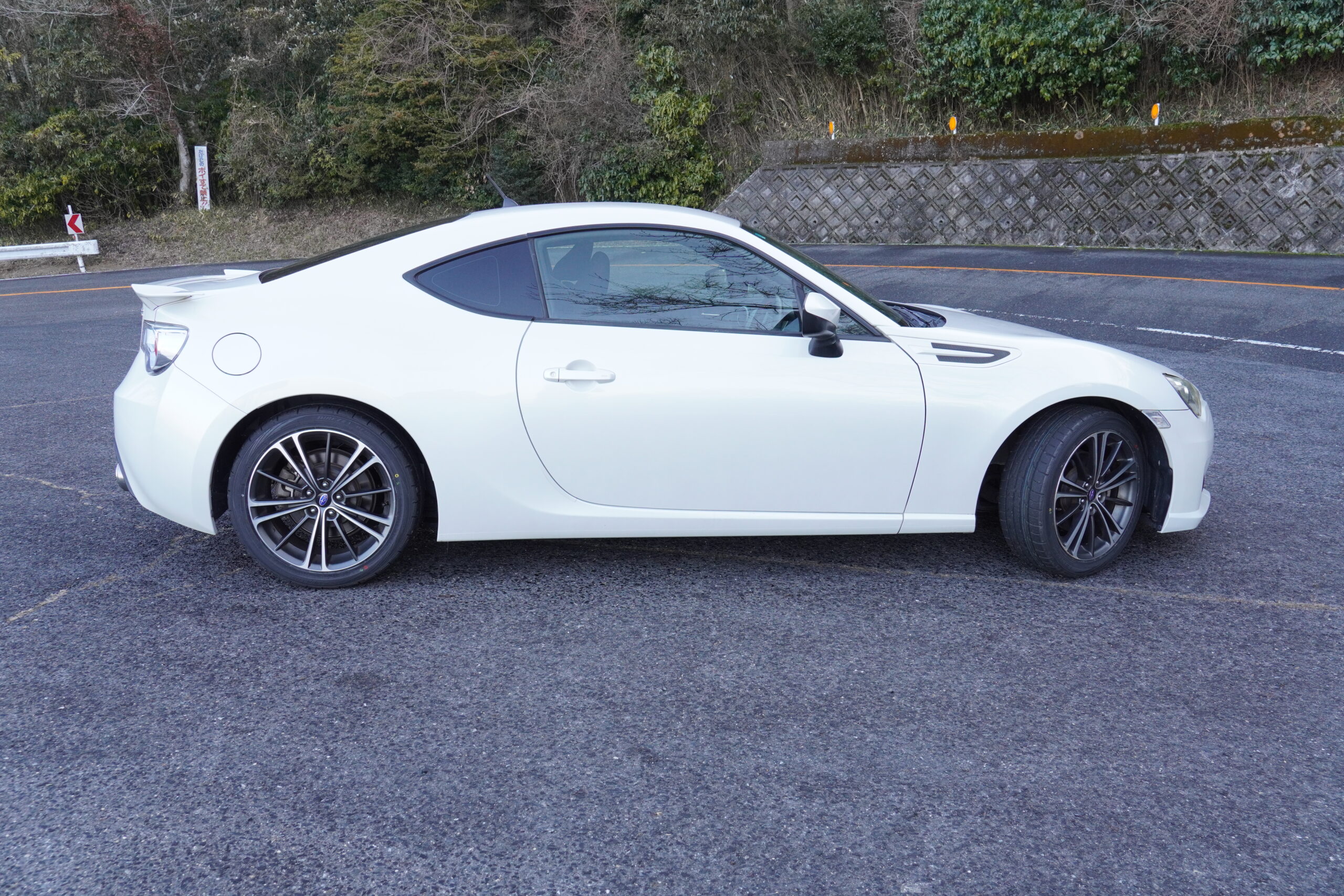
To truly appreciate Mt. Rokko, you need a vehicle that speaks the language of technical winding roads. You don't want a heavy, hyper-horsepower supercar that suffocates on narrow mountain passes, nor do you want a lifeless rental economy hatchback. You need a lightweight, front-engine, rear-wheel-drive sports machine built specifically for the twisties: the Subaru BRZ.
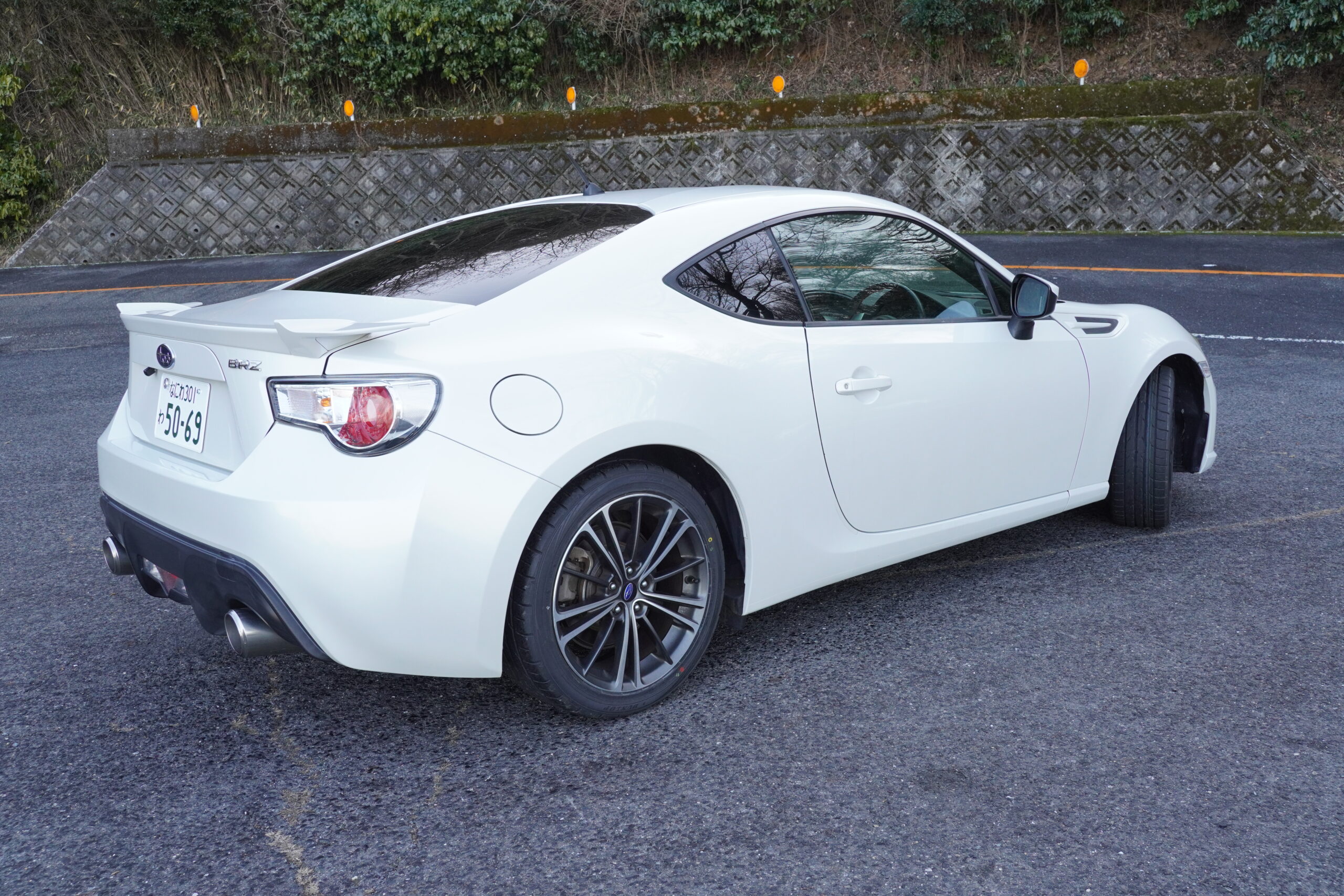
The Subaru BRZ, with its ultra-low center of gravity, naturally aspirated boxer engine, crisp 6-speed manual transmission, and telepathic steering, transforms Mt. Rokko from a scenic overlook into an immersive sensory symphony. In a BRZ, every apex on Rokko becomes an intimate dialogue between rubber, tarmac, and driver.
Driving here—especially during the cool, crisp morning hours when mist clings to the cedars and the asphalt remains empty—reveals a side of Japan that train passengers will never know. The early air is fresh, cooling the engine intake, and as the sun breaks over Osaka Bay, the roads belong entirely to you.

Mt. Rokko Driving in a Subaru BRZ - The 2-Day Itinerary: Deep Dive
Day 1: The Ascent, Technical Ridge Lines, and Summit Retreat
06:00 AM – Departure from Central Osaka: The Dawn Breakout
Your journey begins in the calm early hours in central Osaka. The city, usually buzzing with frantic energy, sleeps under a pale grey morning twilight. Settling into the low-slung bucket seat of the Subaru BRZ, you thumb the starter button. The 2.4-liter FA24 boxer engine settles into a purring rumble. The mechanical tactile feedback of the short-throw shifter immediately sets the tone for the day.
Navigating out of the city via the Hanshin Expressway Route 3 (Kobe Line), the tarmac is clear. As you cross the city boundaries, the towering skyline of Osaka softens into the distant horizon behind you, while the massive, dark silhouette of the Rokko Mountain Range looms directly ahead. The morning cool air flows through the BRZ’s cabin, a refreshing change from the dense humidity of the city below.
07:00 AM – The Foothills of Kobe & The Western Rokko Driveway
Exiting at Ashiya, you leave the expressway and approach the gateway of the mountain: the Western Rokko Driveway (西六甲ドライブウェイ). The road immediately changes character. The smooth asphalt begins to snake upward, flanked by dense Japanese red pine and cedar forests.
Here, the Subaru BRZ shows its dynamic brilliance. Sinking your left foot into the clutch, you execute a crisp heel-toe downshift into second gear. The boxer engine responds instantly. Because the engine sits extremely low in the chassis, body roll is virtually non-existent. You tip the BRZ into the first series of hairpins. The hydraulic-like steering precision lets you place the front tires within millimeters of the inner curb. The scent of evergreen pines and damp earth fills the car through the cracked window, mixing with the gentle warm mechanical aroma of brake pads warming up.
08:30 AM – Morning Coffee & Panoramic Light at Mt. Rokko Garden Terrace
After negotiating dozens of tight switchbacks and elevation changes, you reach the summit area and roll into the parking lot of Mt. Rokko Garden Terrace. At nearly 900 meters above sea level, the temperature here is noticeably cooler—often 5 to 6 degrees Celsius lower than downtown Kobe.
Stepping out of the BRZ, you are greeted by a breathtaking panorama. Below lies the expanse of Osaka Bay, stretch from the lights of Kansai International Airport all the way across to the Kobe port district. Early morning light cuts through the mountain haze, painting the waters of the bay in shimmering shades of silver and gold. Enjoy a freshly brewed drip coffee at the observation deck while listening to the mechanical pinging of your cooling BRZ exhaust.
10:30 AM – Geological Marvels: The Granite Spine of Rokko
Mount Rokko is a geological phenomenon formed by active tectonic uplift that began over one million years ago. The mountain is comprised almost entirely of coarse-grained granite, which gives its ridges sharp, jagged profiles.
Driving along the ridge road toward Rokko Alpine Botanical Garden, you feel this unique geology directly through the chassis of the BRZ. The road surface transitions between smooth modern tarmac and older, grippy asphalt laid directly over the granite bedrock. The car’s suspension reads the road like braille, delivering pure feedback without feeling harsh.
12:30 PM – Mountain Gastronomy: Kobe Beef and Alpine Herbs
A morning of high-focus mountain driving builds an appetite. Park the BRZ near the central summit area and head to a rustic mountain lodge specializing in local Hyogo produce. Indulge in a lunch featuring local Kobe Beef—grilled over charcoal so the rich marbling melts instantly—served alongside mountain vegetables (sansai) harvested directly from the surrounding valleys. The rich, savory umami of the beef paired with crisp, cold alpine spring water provides the perfect fuel for the afternoon stint.
02:30 PM – The Technical Downhill: Omote-Rokko Driveway to Arima Onsen
With lunch digested, you take the wheel for one of the most famous stretches of asphalt in Japanese motorsport history: the Omote-Rokko Driveway (表六甲ドライブウェイ) before looping toward the northern slopes heading to Arima Onsen.
Historically a hotbed for early street-racing culture (touge), this section features rapid sequences of S-curves, tight hairpins, and elevation drops.
In the BRZ, descending this road is a lesson in momentum and balance. The low curb weight (around 1,270 kg) means braking distances are minimal. You balance the car on the edge of grip, feeling the rear end track cleanly as the limited-slip differential works its magic out of every corner exit. The mechanical exhaust note echoes off the concrete retaining walls lining the cliff faces.
05:00 PM – Arrival at Arima Onsen: Ancient Thermal Waters
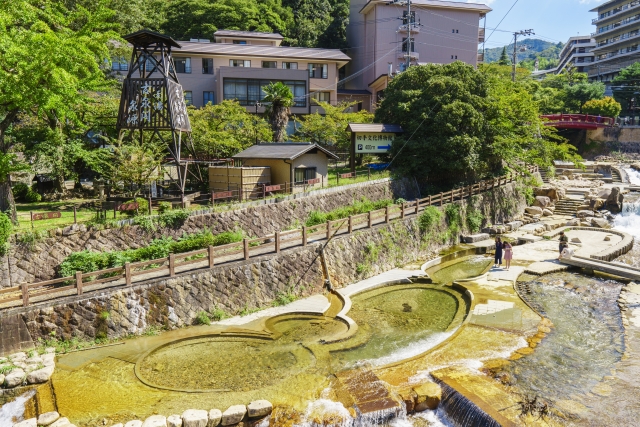
By late afternoon, you descend into the northern valley of Mt. Rokko and arrive at Arima Onsen (有馬温泉), one of Japan's oldest and most revered hot spring towns, with a history spanning over 1,300 years.
Park the car at your traditional ryokan (Japanese inn). The contrast between the modern, precise engineering of the Subaru BRZ and the timeless, wooden lantern-lit streets of Arima is striking. Walk through the narrow stone alleyways filled with steam rising from geothermal vents.
07:00 PM – Kaiseki Dinner & Onsen Soaking
Slip into a yukata (cotton kimono) and immerse yourself in Arima’s famous thermal springs:
Kinsen (Gold Spring): Rich in iron and salt, turning the water a deep reddish-brown color. Exceptional for soothing tired muscle joints after hours of performance driving.
Ginsen (Silver Spring): Clear, radium and carbonate-rich water that clears the skin and relaxes the mind.
Follow your soak with a multi-course Kaiseki dinner featuring seasonal seafood from the Seto Inland Sea, Tajima beef, and delicate local root vegetables.
Day 2: The Ridge Passes, Coastal Sweep, and Sunset Descent
07:00 AM – Cold Engine Start & Morning Mist on Oku-Maya
Wake early to the scent of cedar and mountain air. After a hearty traditional breakfast of grilled salmon, miso soup, and steamed rice, you return to the BRZ. The morning cold start brings the boxer engine to life with a deep, throat-clearing growl.
Your route for the morning takes you along the Oku-Maya Driveway (奥摩耶ドライブウェイ). Early in the morning, a thick blanket of sea mist frequently rolls up from the bay, swirling through the Japanese cypress trees lining the crest of Mt. Maya. Driving through these mist-draped sweeping turns feels otherworldly, as if you are piloting a craft through the clouds.
09:00 AM – Kikuseidai: The "10 Million Dollar" Morning View
Drive out to Kikuseidai (掬星台), one of the three most famous observation points in all of Japan. While famous for its night scenery, visiting in the early morning offers unbelievable clarity. From this 700-meter vantage point, you can trace your entire driving route from Osaka across the entire Kobe coastline.
11:30 AM – The Driver's Playground: Ura-Rokko Driveway
Before heading back toward the coast, tackle the Ura-Rokko Driveway (裏六甲ドライブウェイ) on the northern slope. This stretch features wide, impeccably paved asphalt with rhythmic, flowing corners that allow you to explore the mid-range torque of the BRZ’s 2.4-liter engine.
Third gear becomes your sweet spot here. The car surges forward effortlessly between 3,500 and 6,000 RPM, the mechanical engine sound filling the cabin while the chassis absorbs pavement bumps with composure.
01:30 PM – Coastal Transition: Kobe Harbor & Meriken Park
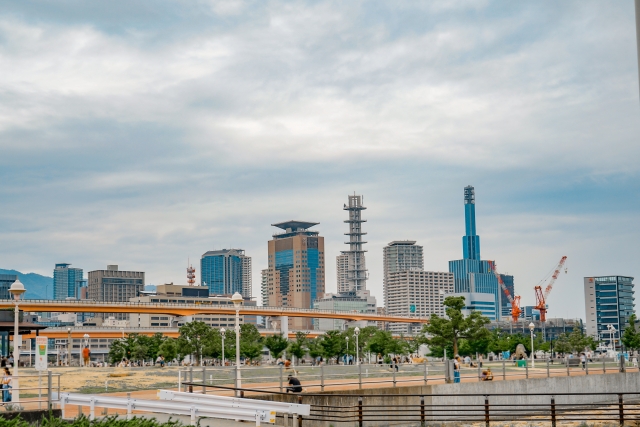
Descend the mountain passes down into the vibrant port city of Kobe. Transitioning from the solitude of high-altitude mountain passes to the sea-level maritime atmosphere of Meriken Park demonstrates the versatility of a car-based itinerary.
Park near the waterfront, framed by the red steel lattice of the Kobe Port Tower and the blue waters of the Seto Inland Sea. Enjoy a casual lunch of local Kobe pork steam buns (butaman) and freshly roasted coffee by the harbor front.
04:00 PM – Sunset Cruise on the Hanshin Expressway
As late afternoon approaches, join the elevated ribbon of the Hanshin Expressway heading back east toward Osaka. Driving at high speed along the elevated expressway as the sun sets behind Mount Rokko turns the sky brilliant shades of violet, orange, and deep crimson.
Looking in your rearview mirror, you see the dark, towering mass of the mountain range you conquered just hours earlier. The BRZ settles into a calm, effortless highway cruise, its engine humming along seamlessly.
06:30 PM – Return to Osaka City
You arrive back in central Osaka as the city’s neon lights begin to flash on. In two days, you have experienced high-altitude mountain passes, centuries-old hot spring traditions, technical motorsport roads, and stunning coastal drives—an incredible journey completely impossible by train.
Mt. Rokko Driving in a Subaru BRZ - Expert Advice & Cultural Nuances
Driving in Japan is an incredibly rewarding experience, but it comes with unique cultural nuances and hidden practicalities that every international traveler should master.
The Magic of Michi-no-Eki (Roadside Stations)
Unlike standard highway rest areas found across western countries, Japan’s network of roadside stations—known as Michi-no-Eki (道の駅)—are regional cultural hubs.
When driving around the base of Mt. Rokko and northern Kobe, keep an eye out for these stations. They offer:
Fresh Local Produce: Farmers bring seasonal fruits like Yamanashi peaches, Hyogo strawberries, and fresh mountain vegetables daily.
Regional Specialties: Taste hyper-local snacks such as Arima Carbonated Rice Crackers or fresh dairy soft-serve ice cream made from Rokko pasture milk.
Driver Refreshment: Clean facilities, free regional maps, and vending machines stocked with hot canned coffee (try Boss or Georgia black coffee to stay sharp).
Driving Etiquette on Japanese Mountain Passes (Touge)
The "Thank You" Hazards: When another driver pulls into a turn-out bay to let your faster car pass on a narrow mountain road, flash your hazard lights two or three times once you pass. This is the universal Japanese gesture for "Thank you."
Pull-Out Zones: If you are cruising slowly to take in the views and notice a local driver appearing behind you, gently pull into the next roadside lay-by or turn-out bay to let them proceed.
Narrow Blind Corners: Many mountain roads around Rokko feature convex mirrors installed on telephone poles at blind curves. Train your eyes to check these mirrors before entering tight turns—they reveal oncoming traffic well before it enters your line of sight.
Mt. Rokko Driving in a Subaru BRZ - Detailed Logistics & Pre-Trip Tips
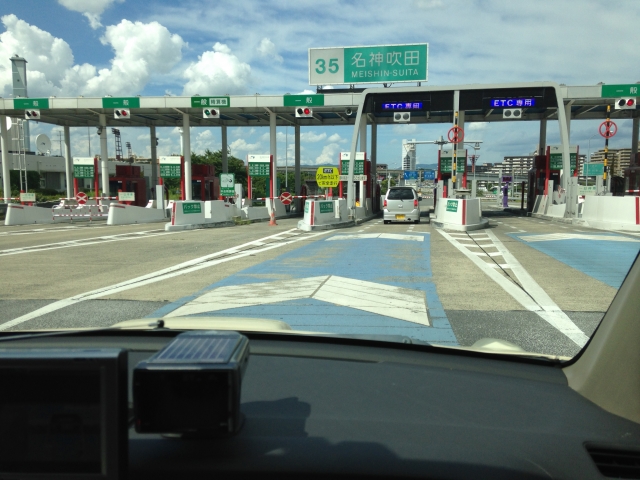
Navigating Japan’s road infrastructure requires a few specific logistical preparations. Having these sorted before turning the key ensures your trip is effortless.
ETC (Electronic Toll Collection) Cards
Japan’s highway network, including the Hanshin Expressway system connecting Osaka and Kobe, relies heavily on electronic tolls.
How it Works: An ETC card is a smart card inserted directly into a dedicated reader unit built inside your rental car’s glovebox or dashboard.
Why You Need It: Expressway toll booths have dedicated "ETC-Only" lanes. Passing through an ETC lane allows you to cruise through at 20 km/h without stopping to pay cash, saving significant time. Tolls are automatically calculated and settled cleanly when you return the vehicle.
Fueling Up: Mastering the Japanese Gas Station (Gasorin Stand)
Gas stations in Japan come in two varieties: Full Service and Self Service (セルフ).
When driving a performance car like the Subaru BRZ or Mazda Roadster, always use Premium/High-Octane gasoline (ハイオク - Haioku).
Key Phrases at Full-Service Stations:
"Haioku Mantan, Keshudai de" = Premium High-Octane, Full Tank, paying by Credit Card.
"Mantan" means "Fill it up!"
The Thrill of Driving a Manual Transmission JDM Icon
Driving a modern JDM sports car like the Subaru BRZ, Toyota 86, or Mazda Roadster (ND) in its home country is a bucket-list experience. The tactile thrill of working through a tight 6-speed manual gearbox while matching revs down steep mountain drops creates a connection to the road that no automatic transmission can replicate.
Mt. Rokko Driving in a Subaru BRZ - Comprehensive FAQ
What documentation do I need to rent and drive a car in Japan?
You must present three items when collecting your rental vehicle:
Your Original Physical Passport.
Your Valid Home Country Driver’s License.
An International Driving Permit (IDP) issued under the 1949 Geneva Convention.
Crucial Note: IDPs issued under the 1968 Vienna Convention are NOT recognized in Japan. Ensure your permit specifically references the 1949 Geneva Convention before departing your home country. Drivers holding licenses from specific jurisdictions (such as Switzerland, Germany, France, Taiwan, Belgium, and Monaco) require an official Japanese translation of their native license provided by the Japan Automobile Federation (JAF) instead of an IDP.
Is driving on Japanese mountain passes difficult for foreigners?
Not at all, provided you remain attentive. Japan drives on the LEFT side of the road, with the steering wheel positioned on the RIGHT side of the vehicle. Japanese drivers are remarkably polite, patient, and disciplined. Speed limits on mountain roads are modest, allowing you plenty of time to read road signs, which are clearly dual-titled in Japanese Kanji and English script.
Should I worry about winter road conditions on Mt. Rokko?
During the deep winter months (typically late December through February), high-altitude roads around the summit of Mt. Rokko can occasionally experience localized ice or light snowfall. If traveling during this window, ensure your rental vehicle is equipped with studless winter tires (スタッドレスタイヤ). From spring through late autumn, road conditions are dry, clear, and ideal for performance driving.
Mt. Rokko Driving in a Subaru BRZ - The Final Thoughts
The true spirit of Japan isn't found sitting passively in a train car watching the world pass through tinted windows. It is found on the winding crests of Mt. Rokko, behind the wheel of a finely tuned Japanese sports car, listening to the boxer engine echo through dense pine forests as the morning fog clears over Osaka Bay.
When you are ready to stop being a mere spectator and step into the driver's seat of your own Japanese adventure, your journey begins in Osaka.
At Omoresan Rent-A-Car Osaka Central (おもしろレンタカー大阪中央店), we share your passion for the road. Operated with deep automotive expertise, we specialize in providing immaculate, enthusiast-focused manual vehicles—from the surgical precision of the Subaru BRZ and Toyota 86 to the pure, lightweight joy of the Mazda Roadster (ND).
Skip the crowded tourist buses. Escape the rigid train schedules. Reserve your iconic JDM driver's car today at Omoresan Rent-A-Car Osaka Central, key in the coordinates for Mt. Rokko, and discover the thrilling Secret Japan waiting for you beyond the highway turnoff.