
Osaka to Nose Valley - The Philosophy of Driving in Japan
As a former conductor on the Kintetsu Railway, I spent years listening to the rhythmic clack-clack of steel wheels gliding effortlessly along fixed iron tracks. Public transit in Japan is legendary—punctual, hyper-efficient, and undeniably convenient. Yet, for all its structural perfection, a train is inherently bound by rigid schedules, predefined rails, and crowded platforms. It takes you precisely where everyone else goes. It carries you past the landscape, but rarely lets you step directly into its quiet, breathing heart.
To truly uncover "Secret Japan"—the misty, pine-scented corridors, hidden centuries-old shrines nestled along moss-covered ravines, and rolling rural landscapes completely untouched by mass tourism—you must step off the platform and get behind the wheel. When you set out from the concrete jungle of Osaka and cross into the northern reaches of Osaka Prefecture towards the serene Nose Valley (能勢), the transition is profound.
Within forty-five minutes, the towering skyscrapers and dense neon mesh of the metropolis dissolve into crisp mountain air, sweeping rice terraces, and narrow, twisty ribbons of asphalt. Driving through Osaka’s rural hinterlands offers an unparalleled freedom: the liberty to pull over at a roadside farm stand selling freshly harvested roasted chestnuts, to take an unscheduled left turn up a single-lane mountain pass, or to simply pause at the crest of a ridge as the golden autumn sun dips below the horizon.
When you undertake this pilgrimage in a driver-focused, lightweight sports machine like a Toyota 86 or Subaru BRZ, the journey transforms from simple transportation into a visceral sensory masterpiece. With its low center of gravity, naturally aspirated front-engine, rear-wheel-drive arrangement, and crisp, mechanical short-throw manual shifter, every bend in the road becomes a dialogue between driver, machine, and nature. In a country celebrated for its engineering precision, driving a iconic JDM sports coupe through the rustic satoyama (里山) landscape—where human life and natural ecosystems exist in gentle harmony—is the ultimate expression of automotive freedom.

Osaka to Nose Valley - The 2-Day Itinerary: Deep Dive
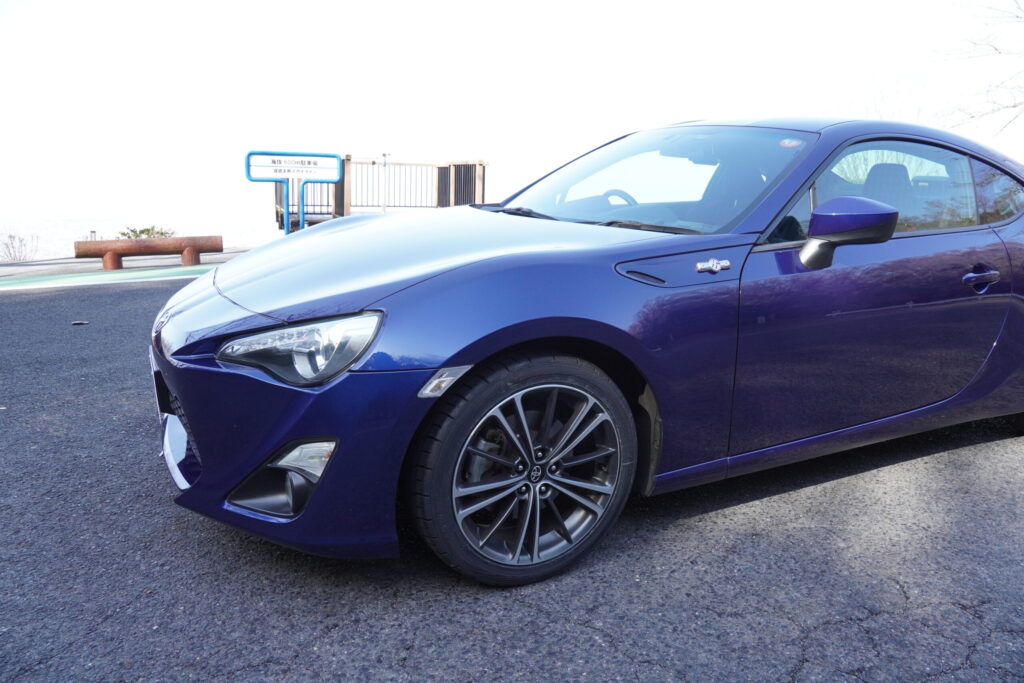
Day 1: Cruising the Golden Ridge Lines & Mountain Passes
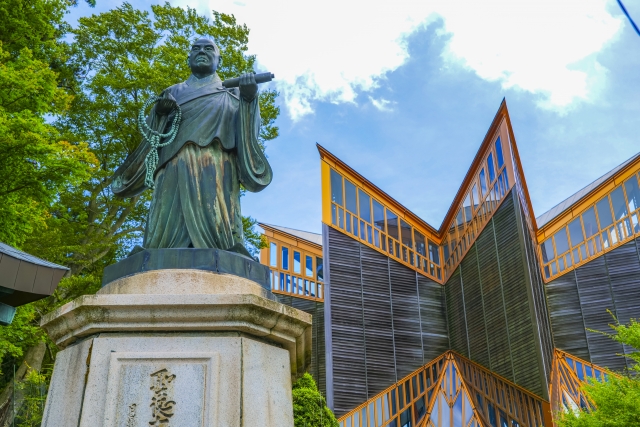
08:00 AM – Osaka Departure & Urban Breakout
Your adventure begins in central Osaka. Slipping into the driver's seat of the Toyota 86, the low-slung bucket seats hug your hips while the tactile leather-wrapped steering wheel sets a purposeful tone. Push the start button; the 2.0-liter boxer engine fires to life with a characterful, raspy rumble. As you ease the clutch out and navigate the grid of Osaka’s morning traffic, head northbound via the Hanshin Expressway Route 11 Ikeda Line. As urban viaducts give way to the green rolling foothills of Northern Osaka, the air temperature noticeably drops, and the sky opens up into a rich, autumnal blue.
09:15 AM – Hankyu Oasis & The Gateway to Route 173
Leaving the highway at Ikeda, transition onto National Route 173 (Nose Kaido). This historic trade route once carried salt, timber, and mountain delicacies between the ancient capital regions and the Sea of Japan coast. As you cross the border into Nose Town, the scenery abruptly transforms into a classical Japanese satoyama landscape: timber-framed farmhouses with thatched or traditional dark-tiled roofs, terraced rice paddies glowing in hues of harvest gold, and thick stands of Japanese cedar and maples transitioning into fiery reds and oranges.
10:00 AM – The Ancient Giant: The Oseki-no-Osumugi Cedar (野間の大けやき)
Location: Noma, Nose Town
Key Highlights: 1,000-year-old sacred Zelkova tree, local roast coffee, traditional rural atmosphere.
Your first stop is the legendary Noma Keyaki (Zelkova tree), a natural monument boasting a trunk circumference of over 14 meters and a canopy that stretches like a protective emerald umbrella across the valley floor. Standing beneath its ancient branches, which have weathered a millennium of autumns, offers a humbling pause. Breathe in the crisp, damp scent of fallen leaves and rich soil. Right next to the tree, grab a freshly brewed espresso from the local "Keyaki Coffee" popup truck. The rich, dark roast pairs exquisitely with the crisp morning mountain air while you chat with local drivers who often stop by with unique classic cars.
11:30 AM – Taming the Winding Asphalt: The Myoken Sanroku Pass
Climb back into the 86, adjust your driving position, and blip the throttle down into second gear. It is time to tackle the winding ascents surrounding Mount Myoken (妙見山). Route 606 and Prefectural Route 4 offer a thrilling sequence of tight hairpin turns, smooth elevation changes, and technical S-curves lined with fiery Japanese maples (momiji).
Here, the Toyota 86 shines in its true element. The electric power steering provides razor-sharp feedback, allowing you to place the front tires with millimeter precision along the apex. Drop down a gear, heel-toe matching the engine revs, and feel the mechanical balance of the RWD chassis rotate neatly through every bend. The mechanical howl of the engine echoing off the rock faces creates an intoxicating soundtrack.
01:00 PM – Satoyama Gastronomy: Traditional Hand-Cut Soba at Nose Soba Outlets
After an exhilarating drive, reward yourself with an authentic regional lunch. Nose is renowned for its pristine mountain spring water, which forms the vital foundation for exceptional handmade buckwheat noodles (soba). Pull into a local timber-built soba-ya hidden in the valley.
Order the Shin-soba (freshly harvested autumn buckwheat noodles) served cold on a bamboo mat (Zaru Soba) accompanied by seasonal vegetable tempura—crispy maitake mushrooms, sweet mountain yam, and freshly plucked maple leaves dipped in delicate batter. The clean, earthy flavor of the noodles and the satisfying crunch of the tempura provide the perfect fuel for an afternoon of exploration.
02:30 PM – Sacred Summit: Mount Myoken & Reikokuji Temple
Drive up the winding access road toward the peak of Mount Myoken. At the summit sits the impressive Seireikaku (星嶺), a striking modern architectural structure constructed of glass and wood, shaped like the star emblem of the Myoken deity. Walk the quiet temple grounds where priests have chanted prayers for centuries. The panoramic vista from the summit viewpoint stretches all the way back across the Osaka Plain to the shimmering waters of Osaka Bay.
04:30 PM – Dusk at Gyokuryu-ji & Check-in at a Rural Onsen Ryokan
As the late afternoon sun casts long, amber shadows across the valleys, take a leisurely drive down to Gyokuryu-ji Temple, affectionately known locally as the "Maple Temple." In mid-to-late autumn, the temple's courtyard becomes a crimson carpet of leaves, framed by delicate wooden lanterns.
Conclude Day 1 by checking into a local Ryokan (traditional Japanese inn) featuring natural hot springs (onsen). Slip into the steaming mineral waters of an outdoor bath (rotenburo), feeling the cool autumn night air on your face while your muscles completely relax after a day of spirited driving. Follow this with a multi-course Kaiseki dinner featuring local Nose wild boar hot pot (Botan Nabe), seasonal river fish grilled over charcoal, and sweet local chestnut rice.

Day 2: Hidden Valleys, Geological Marvels & Coastal Horizons
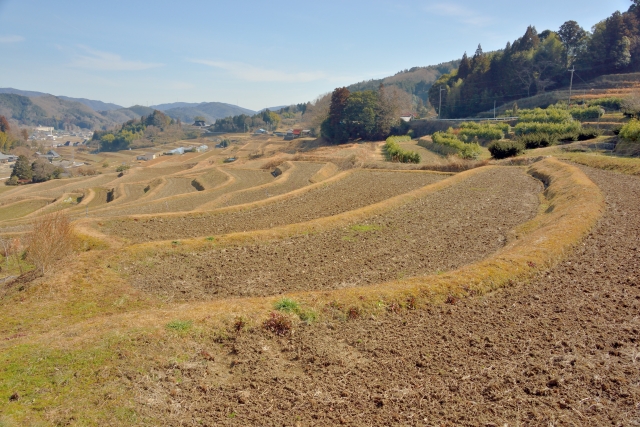
08:30 AM – Morning Cold Start & Fog-Shrouded Terraces
Awake to the cool autumn mist floating lazily over the rice fields. After a heartening breakfast of miso soup, grilled salmon, and steamed rice, start up the 86. The cold engine idle settles into a smooth, steady purr.
Drive early towards the Nagasawa Terraced Rice Fields (長沢の棚田). In early morning light, the mist hanging in the stepped valleys creates an ethereal scene straight out of an ink-wash landscape painting. The narrow agricultural roads leading to the viewing points require careful throttle control and deliberate steering inputs—a rewarding challenge in a manual sports car.
11:00 AM – Geological Wonders: Ruri-kei Gorge (瑠璃渓)
Location: Sonobe, near the Nose border
Highlights: 4-kilometer scenic ravine, waterfalls, unusual rock formations, vibrant maple canopies.
Head northwest along Prefectural Route 54 toward Ruri-kei Gorge, a designated Place of Scenic Beauty stretching over four kilometers along a crystal-clear mountain stream. Park the car at the gorge entrance and take a brisk 45-minute walk along the stone pathways. The gorge features twelve famous scenic spots, including roaring waterfalls, deep emerald pools, and giant erosion-sculpted granite boulders shrouded in vibrant crimson and gold maples. The sound of rushing water combined with the rustle of dry leaves underfoot offers a grounding, peaceful interlude.
01:00 PM – Culinary Stop: Nose Chestnut Delicacies & Wild Game
Nose is nationally famous for its Guri-Kuri (Silver Chestnuts), large, exceptionally sweet chestnuts harvested every autumn. Stop at a local cafe or roadside pavilion for lunch to sample chestnut-infused dishes, such as savory chestnut rice bowls or fresh-baked chestnut tarts paired with hot drip coffee. If you prefer something heartier, try a local burger made with locally sourced venison or Nose beef.
02:30 PM – The Driving Peak: Kameoka to Nose Mountain Loop
Spend your early afternoon enjoying the ultimate driving loop connecting Kameoka and Northern Nose via National Route 372 and Route 477. This loop features sweeping medium-speed sweepers, sudden elevation drops, and excellent road surface quality.
Setting the Toyota 86 into Sport mode (or turning off traction control on clear, dry stretches for experienced drivers), feel how the car tracks faithfully through high-G cornering. The RWD setup allows you to gently feed in power at the exit of corners, feeling the rear suspension load up cleanly as you accelerate out onto the straightaways. It is pure, unadulterated motoring joy—free from heavy urban traffic and surrounded by fiery autumn foliage.
05:00 PM – Golden Hour Sunset View & Scenic Descent
Before returning south towards Osaka, pull up to a western-facing mountain overlook along Route 173. Watch as the autumn sun paints the skyline in dramatic hues of violet, magenta, and burnt orange, casting a warm glow across the hood of your sports car. Take a moment to reflect on two full days of immersive driving through a region that feels a world away from the neon glow of the metropolis, yet lies right in its backyard.
Osaka to Nose Valley - Expert Advice & Cultural Nuances
Driving in Japan’s countryside offers a rich, culturally immersive experience, provided you understand the subtle rhythms and unwritten etiquette of the Japanese road.
The Wonder of Michi-no-Eki (道の駅)
Roadside rest stops in Japan, known as Michi-no-Eki, are far more than mere gas station plazas; they are vibrant hubs of local culture and agriculture. In Nose, a visit to Michi-no-Eki Nose (Kuri-no-Sato) is an absolute priority.
Fresh Produce: Farmers bring in freshly harvested crops daily—look for Guri chestnuts, fresh shiitake mushrooms, local honey, and Yuzu citrus.
Local Souvenirs: Pick up artisanal wooden crafts, local sake, and hand-packaged soba noodles.
Regional Snacks: Try fresh-baked chestnut soft-serve ice cream or warm croquettes made with Nose beef.
Driving Etiquette on Narrow Country Roads (Koku-do & Fuku-do)
Yielding on Single-Lane Roads: Many scenic routes in Nose narrow down to single-track asphalt with periodic turnout spaces (Dai-bi-sho). If you see an oncoming car, pull into a turnout on your left and flash your hazard lights briefly to signal the other driver to proceed.
The Hazard Light Thank You: When another driver pulls over to let you pass, or yields right-of-way when entering a road, give two brief flashes of your hazard lights. This universal Japanese gesture of gratitude (Arigatou hazards) instantly marks you as a respectful, knowledgeable traveler.
Speed Limits & Safety: Speed limits on rural roads are typically set between 40 km/h and 50 km/h. While a sports car like the 86 entices you to push hard, always maintain high vigilance for elderly pedestrians, agricultural equipment, and occasional wildlife like deer or wild boars entering the roadway.
Osaka to Nose Valley - Detailed Logistics & Pre-Trip Tips
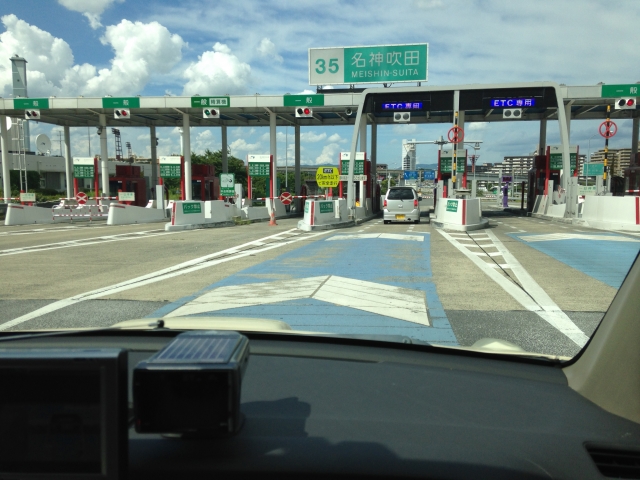
Planning a smooth Japanese road trip requires a firm grasp of essential logistical details, from highway payment systems to gas station etiquette.
Electronic Toll Collection (ETC) Cards
Japan's expressway network relies on the Electronic Toll Collection (ETC) system. When renting your vehicle, always request an ETC card.
How it Works: Insert the ETC card into the card reader embedded inside the glovebox or dashboard.
At the Tollgate: Approach the dedicated blue "ETC" lane at toll plazas at a reduced speed (below 20 km/h). The barrier gate will automatically lift as the wireless system processes your entry or exit.
Payment: All toll fees are calculated automatically and settled conveniently when you return your rental car.
Fueling Up: Master the Japanese Gas Station
Gas stations in Japan are classified into self-service (Self) and full-service (Full). Knowing a few basic Japanese phrases will make your fueling experience effortless:
The Thrill of Manual JDM Driving
Renting a manual transmission (MT) Toyota 86 or Subaru BRZ brings driving down to its purest elements. The tactile feel of three pedals, a short-throw shifter, and rev-matching downshifts as you carve through Nose's mountain valleys transforms an ordinary vacation into an unforgettable motoring experience.
Osaka to Nose Valley - Comprehensive FAQ
What driver's license documentation is required to drive in Japan?
To legally drive in Japan, you must present an International Driving Permit (IDP) issued under the 1949 Geneva Convention, alongside your original home country driver's license and passport.
Is driving a manual transmission car in Japan difficult for visitors?
Japan drives on the left side of the road, meaning the driver's seat is on the right side of the vehicle, and manual gear shifting is done with your left hand. While this may feel unfamiliar for the first 15 minutes, the intuitive ergonomics of the Toyota 86 make adaptation remarkably quick. Roads in Nose are well-maintained, clear of heavy urban clutter, and ideal for getting comfortable with a right-hand drive (RHD) layout.
What insurance coverage should I select?
It is strongly recommended to select full comprehensive insurance coverage, including Collision Damage Waiver (CDW) and Non-Operation Charge (NOC) Protection. This ensures complete peace of mind when navigating narrow rural roads or maneuvering in tight parking spaces.
Is winter driving in Nose dangerous?
Autumn (October through late November) offers pristine driving conditions with clear skies and colorful foliage. However, if you plan a trip between late December and February, mountain roads in Nose can occasionally experience icy patches or light snowfall. Renting a vehicle equipped with studless winter tires is essential during those months.
Osaka to Nose Valley - The Final Thoughts
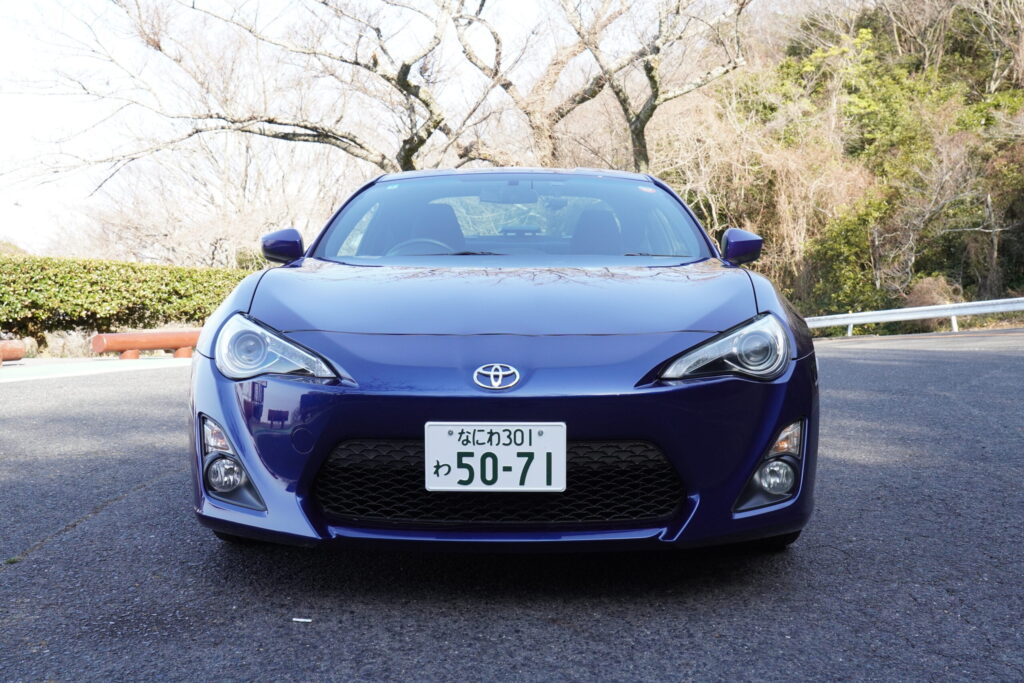
The crowded tourist buses circling Osaka's central spots only scratch the surface of what Kansai truly has to offer. The real soul of Japan isn't found sitting on a rigid train schedule or staring out of a bus window—it is found out on the open road. It is waiting for you in the quiet morning mists of Nose Valley, in the scent of charcoal-grilled soba, in the ancient branches of thousand-year-old cedars, and in the thrill of dropping a gear as you apex a crisp mountain bend.
Your key to unlocking this unforgettable journey is waiting for you. Renting a well-maintained, high-performance JDM sports car like the Toyota 86 or Subaru BRZ turns the act of travel into an art form.
Take control of your Japanese adventure, feel the mechanical pulse of an iconic RWD sports car beneath you, and discover the hidden beauty of Osaka’s satoyama on your own terms. Visit Omoren (Omeshiro Rent-a-Car) Osaka Chuo to reserve your ultimate JDM machine today and set off on the drive of a lifetime!