
Driving a BRZ through Shiga and Omihachiman: The Philosophy of Driving in Japan
For years, I viewed the Japanese landscape through a framed cab window. As a former train conductor for the Kintetsu Railway, my life was measured in rigid schedules, track gauge millimeters, and the rhythmic, hypnotizing click-clack of steel on steel. I know the public transit network of Japan better than most—it is an absolute engineering miracle of precision, cleanliness, and punctuality. Yet, as incredible as the train network is, it inherently limits your perception of the country. Trains carve linear paths through established corridors, carrying millions of travelers between densely packed, hyper-organized nodes. They show you the polished display cases of Japan, but they leave the quiet passages in between entirely untouched.
When I traded the conductor’s key for the tactile feedback of a manual gearshift, my understanding of Japan radically shifted. I realized that the true soul of this archipelago—the "Secret Japan" that travelers endlessly seek—doesn't lie within the urban glow of bullet train stations. It hides beyond the reach of the rail lines, along the winding coastal bypasses, across forgotten mountain passes (toge), and through sleepy lakeside villages where time moves to the natural rhythm of the water.
To truly experience Japan with raw, unmediated intimacy, you need to be behind the wheel of a machine that communicates directly with the road. You need the visceral connection of a driver's car. Choosing an asphalt adventure over a train ticket gives you absolute freedom: the liberty to stop at a roadside farm stand because the morning mist is hitting the persimmon trees just right, to follow an unmarked paved lane up a lush mountain ridge, or to pull over by an ancient stone canal as dusk turns the sky into a watercolor canvas of indigo and gold.
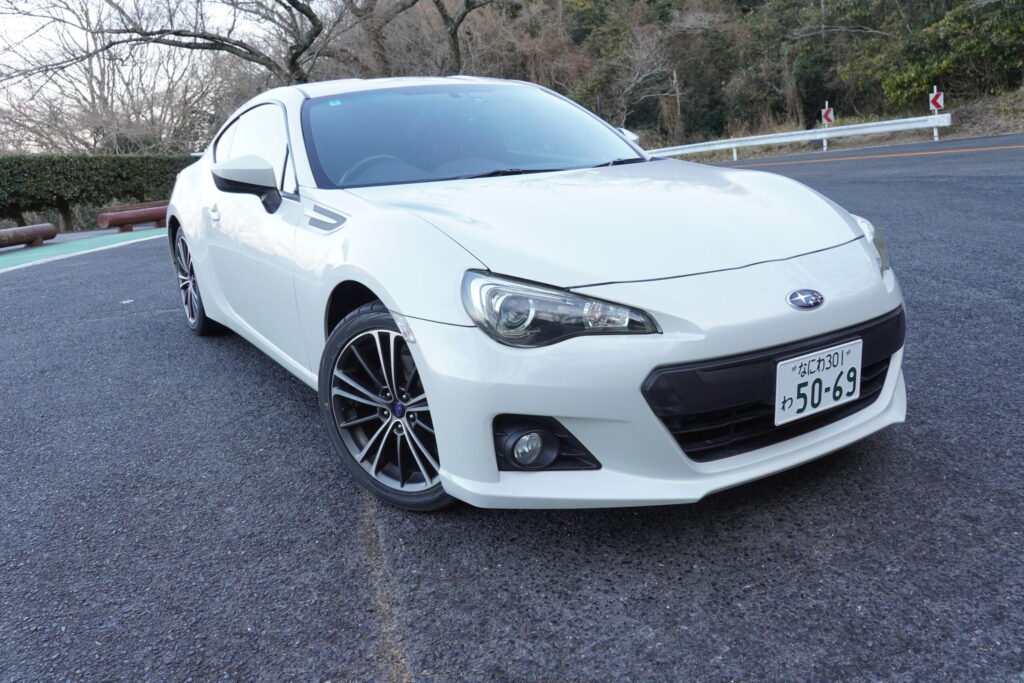
When departing from the bustling metropolis of Osaka towards the historical heartland of Shiga Prefecture, this choice becomes transformative. While tourists crowd the commuter lines to Kyoto, a pure driver can steer northeast, firing up the boxer engine of a Subaru BRZ, and unlock a world of tranquil water canals, feudal heritage, and extraordinary driving roads. Navigating the perimeter of Lake Biwa—Japan’s ancient liquid center—in a lightweight, rear-wheel-drive sports car transforms a simple vacation into an unforgettable motoring journey. This is not merely transportation; it is an active exploration of Japan’s living history and natural beauty, experienced through the mechanical harmony of man and machine.

Driving a BRZ through Shiga and Omihachiman: The 2-Day Itinerary: Deep Dive
Day 1: From the Urban Grid to the Historic Canals of Omihachiman
08:00 AM – Departure from Osaka: The Awakening of the Boxer Engine
Your journey begins in the early morning light of Osaka. As you turn the key or press the start button of the Subaru BRZ, the naturally aspirated 2.4-liter flat-four engine catches with a sharp, crisp bark before settling into a deep, steady rumble. Adjust your driving position: the low hip point instantly aligns you with the chassis, setting the stage for precise vehicle control.
Merging onto the Hanshin Expressway, you leave the concrete jungle behind. Navigating through the urban interchange ramps, the light, communicative steering of the BRZ gives you an instant sense of tactile connection. Keep your eye on the tachometer as you merge toward the Meishin Expressway northbound. The morning sun glances off the sleek aluminum hood as you set a course for Shiga Prefecture. The transition from Osaka's dense skyline to the sweeping mountain corridors surrounding Kyoto is swift.
09:30 AM – The Scenic Ascent via the Hiei-zan Driveway
Instead of taking the standard highway straight into Shiga, exit toward the mountains separating Kyoto and Lake Biwa to experience one of Japan’s iconic mountain toll roads: the Hiei-zan Driveway. As the road ascends into the dense forest, the BRZ comes alive. Shift down to 3rd gear, heel-toe matching the revs, and feel the balanced front-engine, rear-wheel-drive architecture effortlessly balance the car's weight through tight hairpins.
The scent of pine and fresh mountain air fills the cabin through cracked windows. The asphalt here is immaculate, hugging the curves of the ridge. Halfway up, pull over at the view points. Below you, the vast, shimmering expanse of Lake Biwa stretches into the horizon like an inland sea. The contrast between the mechanical hum of your car and the silent, misty lake down below captures the essence of sports car touring in Japan.
11:30 AM – Descending to Lake Biwa Shoreline & Route 558
Descending the eastern slope toward Lake Biwa, join Route 558, a scenic coastal road running parallel to the water. The driving dynamic shifts from technical mountain corners to a relaxed, rhythm-driven cruise. Light glints off the water, reflecting against the metallic paint of your BRZ. The low center of gravity keeps the car feeling rock-solid even along uneven lakeside asphalt.
As you glide through small fishing communities, you will see traditional wooden houses with dark tiled roofs, local fishermen tending their nets, and birdlife soaring above the reed beds (yoshi). The engine purrs smoothly at 2,500 RPM, offering quick access to torque whenever you clear local traffic.
01:00 PM – Arrival in Omihachiman & Hachiman-bori Canal
Arriving in the historic merchant town of Omihachiman, park the BRZ in a secure municipal lot near the foot of Mount Hachiman. Stepping out of the low sports seat into the quiet streets feels like stepping back in time to the Edo period.
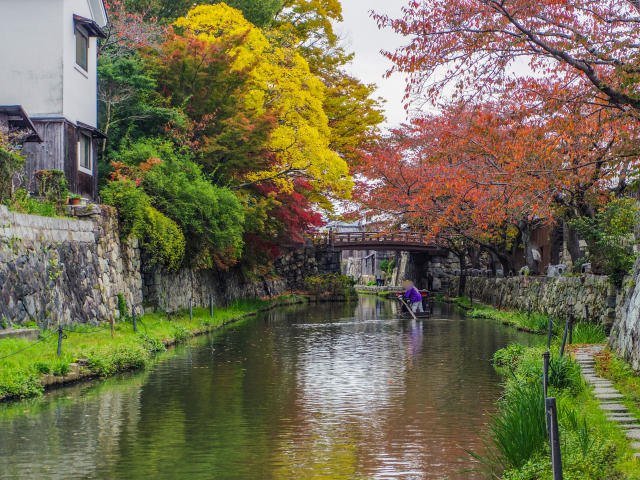
Walk toward the famous Hachiman-bori Canal. Built in the late 16th century by Toyotomi Hidetsugu, this historic canal connected the town directly to Lake Biwa, allowing Omi merchants (Omi Shonin) to transport goods across feudal Japan. Stroll along the flagstone paths lined with white-walled storehouses (kura), weeping willows, and vintage stone lantern posts. The gentle splash of wooden rowing boats carrying travelers along the water echoes through the quiet canal corridors.
+-----------------------------------------------------------------------+
|                       DAY 1 ROUTE SNAPSHOT                            |
+-----------------------------------------------------------------------+
|  Osaka Central  -->  Hiei-zan Driveway  -->  Lake Biwa Shoreline      |
|  (Expressway)        (Mountain Pass)        (Scenic Route 558)        |
|                                                     |                 |
|                                                     v                 |
|  La Collina     <--  Hachiman-bori Canal <--  Omihachiman Historic    |
|  (Sweets)            (Boat Cruise)            Merchant District       |
+-----------------------------------------------------------------------+
02:30 PM – Traditional Omi Beef Lunch & Canal Boat Cruise
For lunch, indulge in Shiga's culinary treasure: Omi Beef (Omi-gyu). As one of Japan’s top three wagyu brands alongside Kobe and Matsusaka, Omi beef is prized for its exquisite marbling, melt-in-your-mouth tenderness, and rich flavor. Visit a local heritage restaurant housed in a converted merchant building to enjoy a traditional sukiyaki or seiro-mushi (bamboo-steamed beef with seasonal vegetables).
After lunch, take a relaxed 30-minute ride on a traditional hand-rowed wooden boat through the Hachiman-bori canal. Gliding silently under historic bridges while your boatman shares local folklore provides a deep, peaceful contrast to the responsive energy of the morning drive.
04:00 PM – Exploring Vories Architecture & Sweet Stop at La Collina
Omihachiman is home to remarkable Western-style architecture designed by William Merrell Vories, an American architect who lived here in the early 20th century. Drive your BRZ down the quiet backstreets to view the Vories Memorial Hall and nearby historic wooden chapels. The precise handling of the compact BRZ makes maneuvering through these narrow, historical streets effortless.
Next, drive five minutes northeast to La Collina Omihachiman. Designed by famous architect Terunobu Fujimori, this fairy-tale-like confectionery headquarters features a massive grass-covered roof that changes colors with the seasons. Park the car, walk through the organic wooden arcades, and try their world-famous, freshly baked Baumkuchen paired with a cup of locally roasted coffee.
06:00 PM – Check-in at a Lakeside Ryokan & Kaiseki Dinner
Drive along the eastern edge of Lake Biwa to your night’s accommodations—a traditional ryokan (Japanese inn) situated right on the lake shore. Park the BRZ where you can catch a glimpse of its silhouette against the tranquil waters.
Check into your tatami-matted room, change into a yukata, and soak in a natural thermal hot spring bath (onsen). In the evening, enjoy a multi-course kaiseki dinner featuring local delicacies: wild lake trout, sweetfish (ayu), local mushrooms, and rice grown in the nutrient-rich soils of Shiga.

Day 2: The Water Reed Labyrinths, Mountain Passes & Lake Perimeter Loop
07:30 AM – Early Morning Drive: Suigo Meguri (The Water Reed District)
Wake up before the crowds and fire up the BRZ. Early morning is magic in Shiga. Drive toward the Suigo area, the protected wetland district surrounding Lake Nishino-ko.
The roads here trace narrow levees between endless fields of giant water reeds (yoshi). Low-lying morning mist hovers over the mirror-like water channels. With no traffic around, flick the BRZ into manual sports mode, keeping the throttle gentle. The crisp morning air flowing through the climate vents combined with the subtle rumble of the boxer engine creates a pure, meditative motoring state. Stop at an embankment overlook to watch the golden sunrise reflect off the quiet marshland.
09:30 AM – Mount Hachiman Ropeway & Castle Ruins Hike
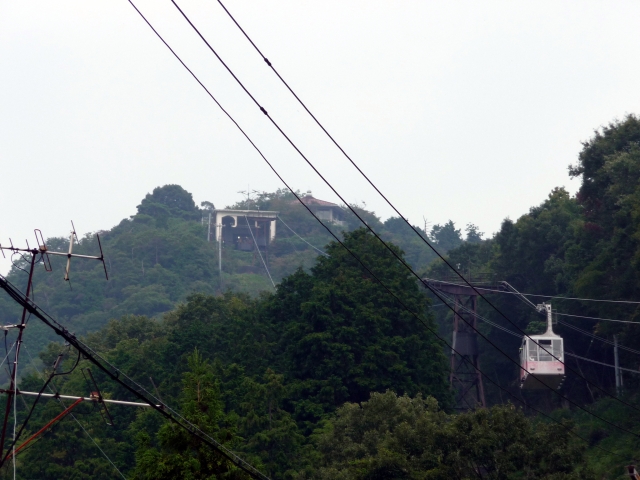
Return toward town and take the Hachiman-san Ropeway to the summit of Mount Hachiman (272m). The short cable car ride brings you to the site of the historic Hachiman Castle, built in 1585.
Walk along the stone foundation ruins and visit Murakumo Murakumo-gosho Zuiryu-ji Temple at the top. From the summit observation decks, you get a stunning 360-degree panorama: to the west lies the endless blue expanse of Lake Biwa, to the east are the sprawling agricultural fields, and below is the neat grid of the historic canal town. Looking down, you can trace the exact driving routes you'll be tackling for the rest of the day.
+-----------------------------------------------------------------------+
|                       DAY 2 ROUTE SNAPSHOT                            |
+-----------------------------------------------------------------------+
|  Lake Nishino-ko  -->  Mt. Hachiman Ropeway  -->  Oku-Biwa Skyline    |
|  (Morning Wetlands)    (Panoramas)                (Technical Driving) |
|                                                           |           |
|                                                           v           |
|  Osaka Return     <--  Biwako Valley         <--  West Coast Loop     |
|  (Sunset Drive)        (Mountain Peak View)       (Route 161)         |
+-----------------------------------------------------------------------+
11:30 AM – The Driver’s Playground: Oku-Biwako Parkway
Now comes the driving highlight of the trip. Head north along Route 8 before turning onto the Oku-Biwako Parkway, a famous winding drive that stretches along the northern peninsula of Lake Biwa.
This route offers continuous elevation changes, smooth hairpin curves, and dramatic cliffside views over the deepest parts of the lake. The Subaru BRZ is in its absolute element here. Its 50/50-feeling chassis weight balance, precise electric power steering, and responsive chassis communication allow you to slice through corners with complete confidence. Downshift into second gear for tight hairpin turn-ins, feel the rear tires dig in as you clip the apex, and roll onto the throttle as the road opens up. The natural engine note echoes off the lush green forest canopy.
01:30 PM – Seafood Lunch at Nagahama or Makino
After finishing the technical driving section of Oku-Biwako, head down toward the northwestern shore. Stop for lunch near Makino or Nagahama.Try local specialties like Saba-zushi (cured mackerel sushi) or Funazushi (a traditional fermented sushi with origins dating back over a thousand years), washed down with cold green tea.
If traveling during autumn or late spring, take a quick detour through the famous Metasequoia Avenue in Makino—a breathtaking 2.4-kilometer straight road lined with over 500 tall Metasequoia trees that form a natural cathedral over your car.
03:30 PM – Biwako Valley & The Western Coast Return Drive
Begin your journey south along the scenic western shore of Lake Biwa via Route 161. On your right rise the majestic Hira Mountains; on your left, the vast blue waters of the lake.
Stop at Biwako Valley, where a high-speed ropeway carries you to a ridge 1,100 meters above sea level. Step out onto the Biwako Terrace, a stylish wooden deck featuring infinity pools that seem to spill directly into the lake far below. Enjoy an afternoon espresso while looking back across the entire expanse of Shiga Prefecture, tracing the miles you traveled in your BRZ over the past two days.
06:00 PM – Sunset Highway Cruise back to Osaka
As the sun begins to drop behind the Hira Mountain range, cast golden rays across the lake water. Rejoin the Meishin Expressway heading south toward Osaka.
The BRZ settles effortlessly into a comfortable high-speed highway cruise. The sports seats provide comfortable support, preventing fatigue after two days of spirited driving. The hum of the tires against the asphalt, the warm glow of the dashboard gauges, and the memory of winding water canals and mountain passes mark the perfect end to an extraordinary motoring journey.
Driving a BRZ through Shiga and Omihachiman: Expert Advice & Cultural Nuances
The Magic of Japan’s "Michi-no-Eki" (Roadside Stations)
One of the greatest joys of exploring Japan by car is the culture surrounding Michi-no-Eki—government-designated roadside rest areas that are far more than mere places to use the restroom. In Shiga, Michi-no-Eki serve as local community hubs, showcase regional agriculture, and offer unique artisan foods.
When driving through the Omihachiman area, keep an eye out for these rest stops. They are perfect places to park your BRZ safely, stretch your legs, and sample hyper-local snacks that you will never find in city convenience stores. Look for freshly prepared Omi beef croquettes, soft-serve ice cream made with fresh local dairy, and seasonal fruits like crisp Shiga persimmons or sweet strawberries.
Navigating Rural Etiquette and Narrow Roads
Driving through historic Japanese towns like Omihachiman requires an appreciation for local spatial awareness. Many roads within the canal districts were laid out centuries before the invention of the automobile. They can be extremely narrow, often flanked by open stone drainage ditches (u-ditch).
Here are key tips for a smooth experience:
Yield with Courtesy: When encountering an oncoming car on a narrow lane, look for small pull-out spots (daiki-jo). A quick flash of your headlights is the universal Japanese sign telling the other driver, "Go ahead, I am waiting for you."
Hazards as Thanks: If a driver pulls over to let you pass on a narrow street, give two brief flashes of your hazard lights after passing. This simple gesture of gratitude (arigato-haza) is deeply ingrained in Japanese road culture.
Quiet Village Driving: When driving through residential historic zones late at night or early in the morning, keep your engine revs low to respect the peace of the local community.
Driving a BRZ through Shiga and Omihachiman: Detailed Logistics & Pre-Trip Tips
Understanding the Toll System: The Essential ETC Card
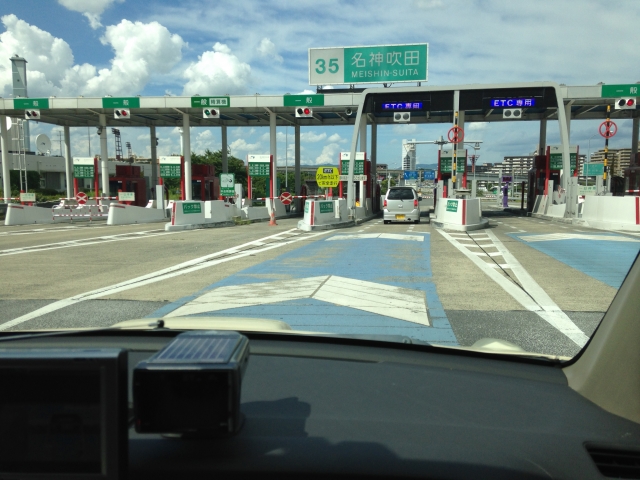
Japan’s highway network is modern, smooth, and fast, but almost all major expressways are toll roads. When renting your BRZ, ensuring you have an ETC (Electronic Toll Collection) Card is absolute essential.
+-------------------------------------------------------------------+
|                  JAPAN TOLL ROAD NAVIGATION GUIDE                 |
+-------------------------------------------------------------------+
|  [ETC ONLY LANE]   --> Must have ETC Card inserted into unit.     |
|                        Bar gates open automatically at 20 km/h.   |
|                                                                   |
|  [CASH / ETC LANE] --> Stop fully if paying with Cash/Credit.     |
|                        Proceed slowly if using ETC.               |
+-------------------------------------------------------------------+
The ETC card is inserted into a dedicated unit hidden inside the glovebox or dashboard of your rental vehicle. As you approach expressway toll gates, look for the purple ETC lanes. Maintain a speed of 20 km/h; the overhead sensor reads your card, the gate opens automatically, and the toll is logged digitally. When you return the car to the rental branch in Osaka, the staff simply reads the card data and settles the exact balance via credit card. This saves you from stopping at manual cash booths and scrambling for Japanese yen notes.
Fueling Up: Mastering the Japanese Gas Station
Fueling a high-performance sports car like the BRZ in Japan is straightforward once you know the vocabulary. The BRZ requires High-Octane Premium Gasoline (High-Oct), color-coded with Yellow pump handles across Japan.
When pulling into a full-service station (Mantan station), roll down your window and use these simple phrases:
"High-Oct, Mantan, Kega-de" (High-octane, full tank, payment by credit card).
The attendant may hand you a damp towel. Use this to wipe down your dashboard or steering wheel while they clean your windshield and side mirrors free of charge!
If using a self-service station (Self), select the yellow icon on the touch screen, insert your card or cash, select the "満量" (Full Tank) button, and fuel up.
Finding & Navigating Japanese Parking
Parking in historic towns requires attention to local laws. Street parking is virtually non-existent in Japan, and parking on the side of a narrow road in Omihachiman is strictly prohibited. Always search for coin-operated parking lots (Coin Parking), marked with a large "P" sign.
Most automated parking spots use a flap-lock system (lock-plate). After pulling into the bay, a metal barrier rises under your car after 3 to 5 minutes. When returning, go to the central payment machine, type in your parking bay number, pay the displayed fee in coins or 1,000-yen bills, and the flap will lower, allowing you to drive away cleanly.
Driving a BRZ through Shiga and Omihachiman: Comprehensive FAQ
Q1: What driving documentation do I need to rent and drive a sports car in Japan?
To legally drive in Japan, you must present three key documents at the rental counter:
Your valid Original Driver's License from your home country.
A valid International Driving Permit (IDP) issued under the 1949 Geneva Convention. (Note: Permits under the 1968 Vienna Convention are NOT accepted in Japan).
Your physical Passport.
If your license is issued in Switzerland, Germany, France, Belgium, Monaco, or Taiwan, an IDP is not accepted; instead, you must bring your original license along with an official Japanese translation authorized by the embassy or JAF (Japan Automobile Federation).
Q2: Is driving a manual transmission (MT) JDM car difficult on Japanese roads?
Not at all, provided you have basic manual driving experience. Japan drives on the left side of the road, meaning the driver seat in a native JDM car is on the right side. You will operate the gear lever with your left hand. The clutch pedal and gear pattern remain identical to left-hand-drive vehicles. The Subaru BRZ features an exceptionally forgiving clutch pedal feel, hill-start assist, and smooth gear gates, making the adjustment natural within 10 minutes of driving.
Q3: What is the winter road condition around Lake Biwa and Omihachiman?
While southern Shiga and Omihachiman generally experience mild winters, northern areas near Oku-Biwako and mountain passes like Hiei-zan can see snowfall and icy roads from mid-December through February. If traveling during these months, request a rental vehicle equipped with studless winter snow tires (studless tires).
Driving a BRZ through Shiga and Omihachiman: The Final Thoughts
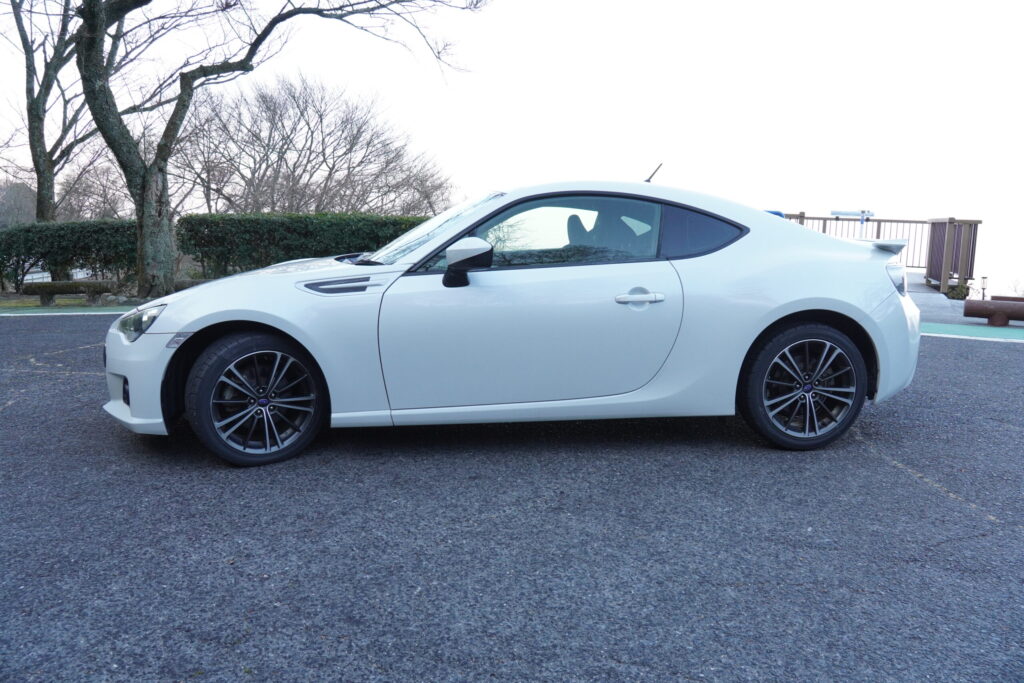
Japan is a country that rewards those who dare to step off the worn tourist trails. While thousands of travelers board cramped commuter trains each day, watching the scenery slide by behind scuffed windows, you can take control of your own journey.
There is an indescribable feeling of mechanical purity when you slip into the low bucket seat of a tuned Subaru BRZ, grab the leather steering wheel with your right hand, resting your left hand on the manual shifter, and listen to the engine note hum against ancient mountain pass rock faces. From the historic canal walls of Omihachiman to the high-speed curves of the Oku-Biwako Parkway, the open roads of Shiga are waiting to be explored.
Your ultimate Japanese motoring adventure begins in Osaka. At Omoresort Car Rental Osaka Central Branch (おもしろレンタカー 大阪中央店), we don't just lease transportation—we hand you the keys to pure driving passion. Our meticulously maintained fleet of iconic JDM sports cars, including manual Toyota 86s and Subaru BRZs, are prepped, detailed, and tuned specifically for enthusiasts who appreciate the art of driving.
Stop watching Japan from a train window. Reserve your JDM sports car today at Omoresort Car Rental Osaka Central Branch, ignite the engine, and craft your own unforgettable story on the legendary roads of Japan.