
1. Kyoto Miyama Driving Guide - The Philosophy of Driving in Japan
As a former conductor for the Kintetsu Railway, my life used to be dictated by strict timetables, fixed steel tracks, and the rigid rhythm of urban transit. Train travel in Japan is a marvel of modern engineering—efficient, punctual, and clean. Yet, steel rails can only take you where thousands of others have already gone. They slice through concrete jungles and land you right in the middle of overcrowded tourist hubs like Arashiyama or Gion. When the muggy heat of a Kansai summer settles over the neon grid of Osaka and Kyoto, millions of tourists pack into stifling train cars, moving from one air-conditioned sanctuary to another.
To truly experience Japan—to discover its quiet, mist-shrouded, unblemished soul—you must step off the platform and get behind the wheel.
Driving in Kansai offers a profound paradigm shift. Departing from the energetic urban grid of Osaka, a sports car allows you to carve your own path north toward the northern Kyoto prefecture, where the towering peaks of the Tamba Highlands rise to block the sweltering coastal humidity. This region houses "Secret Japan"—a world of moss-covered thatched roof hamlets, emerald-green cedar forests, crystal-clear river valleys, and razor-sharp mountain passes (touge) that remain virtually untouched by standard tour buses.
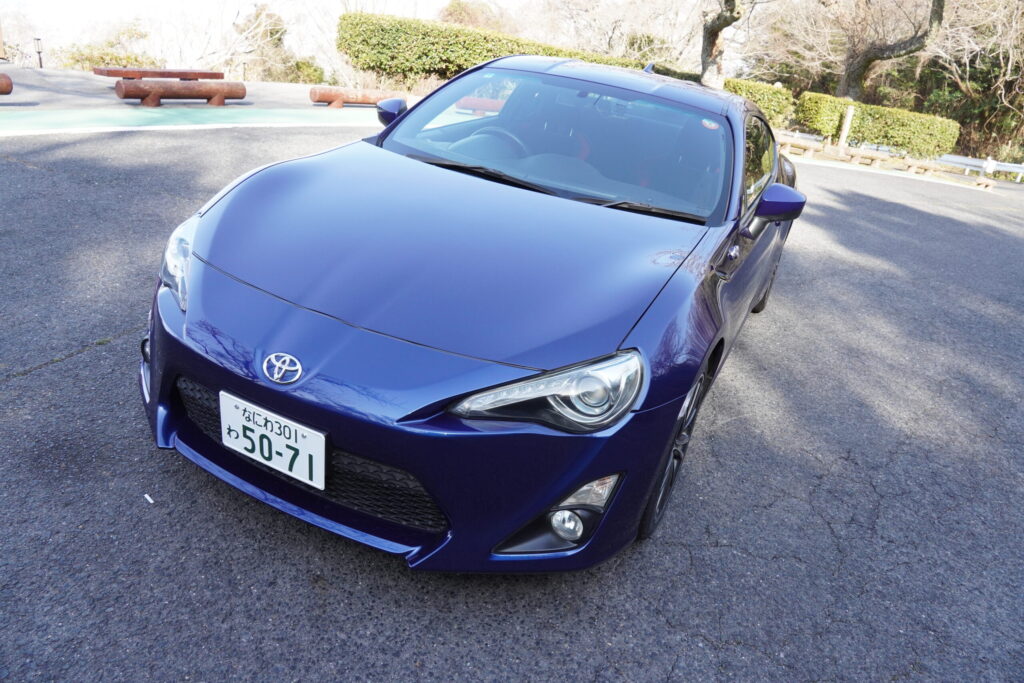
Why choose a lightweight, rear-wheel-drive Japanese Domestic Market (JDM) icon like the Toyota 86 or Subaru BRZ for this journey? Because these cars were forged on these exact mountain roads. Developed with a ultra-low center of gravity, a naturally aspirated boxer engine, and a precise short-throw manual transmission, the 86 isn't built for mindless straight-line speed; it's built for driver engagement. Every turn of the steering wheel on an undulating twisty road translates into immediate, tactile feedback. When you drop down into third gear, heel-toe matching the revs, and feel the chassis rotate smoothly through a sharp hairpin while mountain air rushes through the open windows, you realize this isn't just transportation. It is active exploration.

2. Kyoto Miyama Driving Guide - The 2-Day Itinerary: Deep Dive
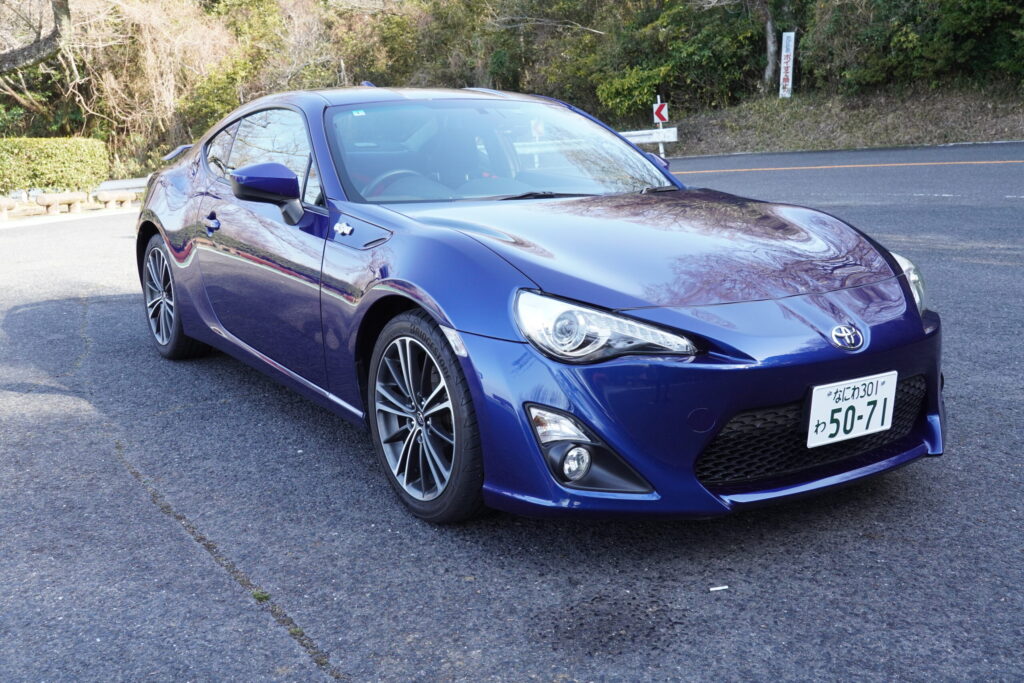
This comprehensive 2-day journey leads you from the heart of Osaka deep into the cool, elevated sanctuary of Miyama in northern Kyoto. Designed specifically for driving enthusiasts, this itinerary balances exhilarating mountain pass driving with cultural immersion in historic, cool-climate mountain settlements.
Day 1: Escaping the City Heat to the Highlands of Miyama
08:00 AM – Departure from Osaka: The Urban Transition
Your adventure begins in central Osaka. Slipping into the low-slung bucket seat of your Toyota 86, you settle in, key the ignition, and listen to the distinct rumble of the 2.0-liter naturally aspirated flat-four engine waking up. Adjusting your mirrors, you ease the short-throw manual shifter into first gear and navigate the morning streets toward the Hanshin Expressway Route 11 (Ikeda Route).
As you clear the city limits and pass Itami Airport, the towering skyscrapers taper into sprawling suburbs, which quickly give way to the green foothills of Hyogo and Kyoto prefectures. The air temperature begins to cool almost immediately as you merge onto National Route 173 northbound, heading directly toward the Tamba mountain range.
10:00 AM – Route 477 & The Keihoku Mountain Passes
Leaving Route 173, you transition onto Route 477—a legendary stretch of road revered by local driving enthusiasts. The landscape transforms rapidly. Dense, towering groves of Kitayama polished cedar frame the road, casting long shadows across the asphalt and dropping the ambient temperature by several degrees.
Here, the Toyota 86 comes alive. The road begins to twist violently along the banks of cold mountain streams. The 86's light kerb weight (around 1,200 kg) and linear throttle response allow you to dance through S-bends with complete confidence. The mechanical grip of the rear-wheel-drive layout allows you to apply power early on corner exits, the engine note echoing off the steep granite canyon walls.
12:00 PM – Arrival in Miyama & Soba Lunch at Hirae
By noon, you drop down into the wide, sunlit Miyama valley. The temperature here is noticeably cooler than in the city grid below, refreshed by alpine breezes coming down from the surrounding peaks.
Stop for a traditional lunch at a local village eatery such as Miyama Soba Hirae. The region is famous for its buckwheat cultivation, fueled by pure mineral water from the Yura River. Order cold Zaru Soba—hand-rolled buckwheat noodles served over ice with a savory dipping sauce, fresh mountain vegetables (sansai), and crispy river fish tempura. The clean, nutty flavor of the fresh noodles perfectly matches the pristine mountain setting.
02:00 PM – Exploring Kayabuki no Sato (The Thatched Village)
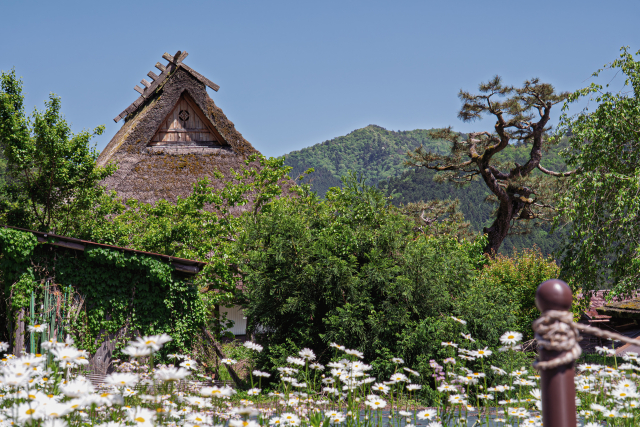
After lunch, drive a short five minutes to Kayabuki no Sato, a hamlet featuring one of the highest concentrations of preserved kayabuki (thatched-roof) farmhouses in Japan. Park your 86 in the dedicated visitor lot and stroll through this living museum.
Unlike heavily commercialized tourist spots, Kayabuki no Sato is a quiet, active community. Walk along the narrow gravel pathways lined with hydrangeas and small vegetable gardens. The steep thatched roofs, designed to withstand heavy winter snowfalls, feature thick layers of reed thatch topped with moss. Take time to visit the Miyama Folk Museum to see how local villagers lived in harmony with the surrounding forest (satoyama culture) for centuries.
04:30 PM – Sunset Run on Route 162 (Zhouzan Highway)
Before checking into your accommodations, take advantage of the late afternoon light for a drive along Route 162, locally known as the Zhouzan Highway. This road features broad, sweeping curves, buttery-smooth pavement, and ideal elevation changes.
With the sun dipping below the ridge line, setting the sky ablaze in shades of amber and violet, shift down into third gear, letting the tachometer needle hover around 5,000 RPM. The balanced chassis of the 86 carves effortlessly through the rhythm of sweeping turns. The crisp evening mountain air floods the cabin, bringing with it the pine scent of the high canopy.
07:00 PM – Ryokan Stay & Local Feasting
Check into a local traditional ryokan or thatched guest house in the Miyama valley. Unwind in a hot thermal bath (onsen) to soothe your driving muscles. Dinner is a lavish feast of local specialties: wild boar hotpot (botan nabe), charcoal-grilled sweetfish (ayu), and seasonal bamboo shoots, washed down with crisp local sake brewed using high-mountain river water.

Day 2: Deep Pass Exploration & Coastline Descent
07:30 AM – Dawn Drive: Sasari Pass (Sasari-toge)
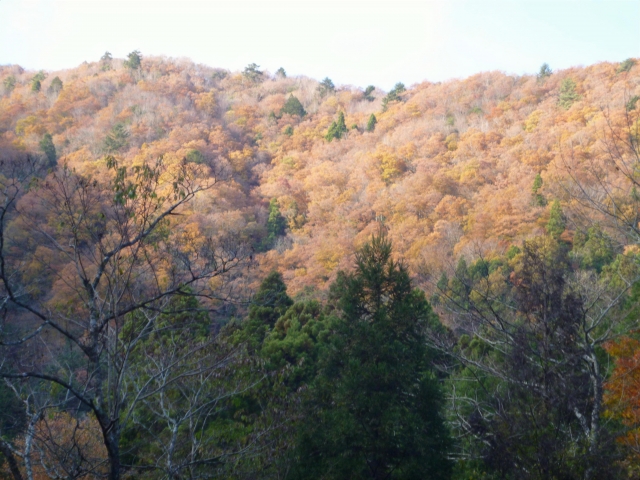
Wake up early to catch the morning mist rising from the valley floor. After a traditional breakfast of warm miso soup, grilled salmon, and steamed rice, fire up the 86 and head east toward Sasari Pass (Route 38).
Sasari Pass is narrow, technical, and intensely rewarding. This is classic single-lane JDM touge territory. Dense fog hangs between the trunks of giant cedar trees, creating an eerie, magical atmosphere. Negotiating the tight hairpins requires precise manual gear selection—frequently dropping into second and first gear. The light steering of the Toyota 86 gives you millimeter precision along narrow cliffside ledges.
10:30 AM – The Secret Waters of Ashiu Forest & Yura River
Descending from Sasari Pass, track along the upper reaches of the pristine Yura River toward the edge of the Ashiu Primary Forest, one of the largest old-growth beech forests in Western Japan. Pull off into a riverside clearing. The water is so transparent you can spot wild trout darting across white quartz gravel. Dip your hands into the ice-cold mountain meltwater—nature’s ultimate cooling refreshment.
01:00 PM – Lake Biwa West Coast Route & Return Journey
Loop back south toward the western shores of Lake Biwa via Route 367 (the historic Saba Kaido, or Mackerel Highway). Stop at a roadside farm stand for a cup of rich, creamy gelato made from fresh local Miyama milk.
As afternoon approaches, join the smooth asphalt of the Kosai Road, taking in views of Lake Biwa stretching out to the horizon like a calm inland sea. The Toyota 86 settles into an effortless cruising gear as you transition back down toward the urban expressway network, returning to Osaka by early evening with a refreshed mind and a deep connection to Japan's hidden mountain heartland.
3. Kyoto Miyama Driving Guide - Expert Advice & Cultural Nuances
To truly enjoy driving through rural Japan, an insider's understanding of local motoring culture is essential.
The Magic of Michi-no-Eki (Roadside Stations)
Japan’s Michi-no-Eki are far more than highway rest stops—they are cultural hubs celebrating local agriculture, craft, and regional gastronomy. In Miyama, Michi-no-Eki Miyama Fureai 広場 (Fureai Hiroba) is an essential stop. Here you can buy fresh wild vegetables harvested that morning, artisan wooden crafts, and famous Miyama milk ice cream. Park your car in the designated spots, grab a cold drink, and interact with local drivers and motorcycle enthusiasts who frequent these spots on weekends.
Technical Driving & Mountain Etiquette
Driving on narrow mountain passes (touge) requires specific courtesies:
- Blind Corners & Mirrors: Many mountain curves feature convex mirrors mounted on poles. Always look up into these mirrors before entering a blind corner to check for oncoming vehicles or cyclists.
- Passing Places (Layovers): When traveling on single-lane roads (1.5-lane roads), if you see a faster local driver behind you, pull into one of the paved layovers on the left to let them pass. Conversely, if a slower truck pulls over for you, flash your hazard lights twice as a brief "thank you."
- Wildlife Awareness: Early morning and late afternoon drives bring out local wildlife, including Japanese macaque monkeys, deer (shika), and wild boars (inoshishi). Drive attentively through wooded stretches.
4. Kyoto Miyama Driving Guide - Detailed Logistics & Pre-Trip Tips
Navigation & ETC Cards
Navigating Japan's rural roadways is remarkably straightforward with modern tech. Ensure your rental vehicle is equipped with an updated English GPS navigation system or smartphone integration (Apple CarPlay / Android Auto).
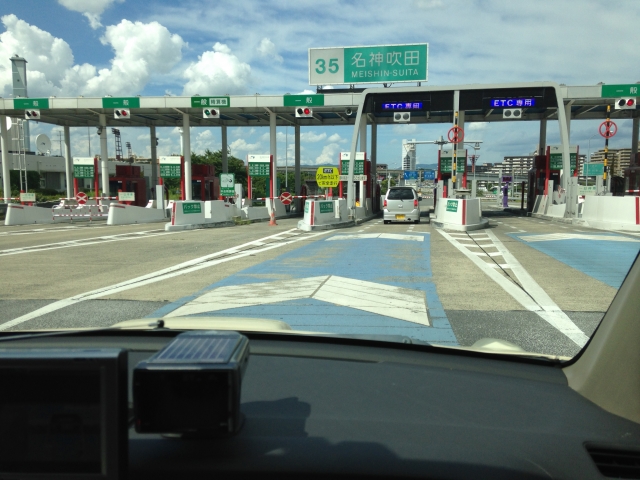
Crucial for smooth transit is an ETC (Electronic Toll Collection) Card. Japan’s expressways are gated by toll plazas. An ETC card inserted into the vehicle’s reader lets you pass through dedicated ETC lanes without stopping to pay cash, saving significant time and unlocking discounted weekend rates.
Fueling Up: The Gas Station Routine
When pulling into a Japanese gas station (Gasorin Stand-o), you'll encounter two types: Full Service (Full) and Self Service (Self).
For Full Service:
- Pull up to the pump and roll down your window.
- Specify the fuel type: "High-Octane" (Premium gasoline required for performance JDM cars like the Toyota 86).
- Say "Mantan" (Full tank).
- Staff will often wipe your windshield and side mirrors while the tank fills.
- Pay via credit card or cash when presented with the tray.
The Thrill of the Manual JDM Experience
Driving a lightweight sports car with a manual transmission adds a layer of driver engagement that modern automatic vehicles simply cannot match. The mechanical feedback of a short-throw shifter, the smooth engagement of the clutch, and the ability to hold revs through mountain turns forge an unforgettable bond between driver, car, and landscape.
5. Kyoto Miyama Driving Guide - Comprehensive FAQ
What driver's license documents are required to drive in Japan?
To drive legally in Japan, you must present three documents at pickup:
- Your original valid driver's license from your home country.
- A valid International Driving Permit (IDP) issued under the 1949 Geneva Convention. (Note: Permits under the 1968 Vienna Convention are NOT accepted in Japan).
- Your original passport.
(Drivers holding licenses from Switzerland, Germany, France, Belgium, Monaco, or Taiwan must present an official Japanese translation of their driver's license provided by JAF or their respective embassy instead of an IDP).
Is full rental insurance included?
Comprehensive rental packages typically offer basic collision damage coverage, but it is strongly recommended to opt for full coverage including Collision Damage Waiver (CDW) and Non-Operation Charge (NOC) waiver for complete peace of mind on narrow mountain roads.
What if I'm rusty driving a manual transmission (MT)?
Japanese roads are well-maintained, driver courtesy is extremely high, and speed limits in rural areas are modest. If you haven't driven a manual in some time, spend 15 minutes practicing in a quiet industrial park or parking area before setting off onto the mountain passes.
6. Kyoto Miyama Driving Guide - The Final Thoughts: Take the Wheel
The misty cedar forests, timeless thatched roofs, and adrenaline-pumping mountain roads of Miyama are waiting. Leave behind the crowded train platforms, fixed schedules, and tourist buses. Experience Japan the way it was meant to be discovered—behind the wheel of an iconic Japanese sports car.
Ready to turn this ultimate driving dream into reality? Head over to Omoren Osaka Chuo (Omoshiro Rental Car Osaka Chuo) to reserve your Toyota 86 or manual JDM sports car today. Uncompromising performance, immaculate vehicle maintenance, and pure driving freedom are just one click away. Step into the driver's seat, turn the key, and discover your own Secret Japan.