
Awaji Island-The Philosophy of Driving in Japan
There is a distinct, melancholic romance to the rhythmic click-clack of railway tracks—a cadence I knew intimately during my years standing at the front of Kintetsu Line trains, watching the signals blink through the damp morning mist of Kansai. For years, my world was bound by steel rails, fixed timetables, and predetermined destinations. I understood the heartbeat of Japan’s colossal transit network better than most. Yet, the moment I stepped off the platform for the final time and traded the master controller of a train for the short-throw manual shifter of a sports car, a profound realization washed over me: trains move people, but cars liberate the soul.
In a metropolis as vibrant, chaotic, and relentlessly dynamic as Osaka, the conventional tourist path is a well-trodden maze of high-speed shinkansen lines and crowded commuter loops. Millions stream through Shin-Osaka and Umeda stations, encapsulated in subterranean tubes, missing the soul-stirring transition of geography, architecture, and atmosphere that happens in the spaces between major hubs. Public transit is an engineering marvel, but it is fundamentally an isolationist experience. It delivers you to a station, not to the destination. It shields you from the salt-laden breeze of the Seto Inland Sea, mutes the mechanical symphony of a flat-four boxer engine climbing a winding mountain pass, and completely bypasses the hidden micro-worlds that define the true essence of rural and coastal Japan.
This is where the concept of "Secret Japan" truly awakens. True Japan does not reside solely behind the neon-drenched canyons of Dotonbori or within the pristine, crowded temple gates of Kyoto. It breathes quietly in the sudden, sharp turns of coastal prefectural roads, in the rustic wooden eaves of forgotten fishing villages where drying squid sways in the afternoon sun, and atop breezy ridges where the ocean stretches infinitely to a hazy horizon. To witness these hidden facets, you need absolute autonomy. You need a machine that communicates with the tarmac beneath your tires, translating every nuance of the asphalt directly to your fingertips.
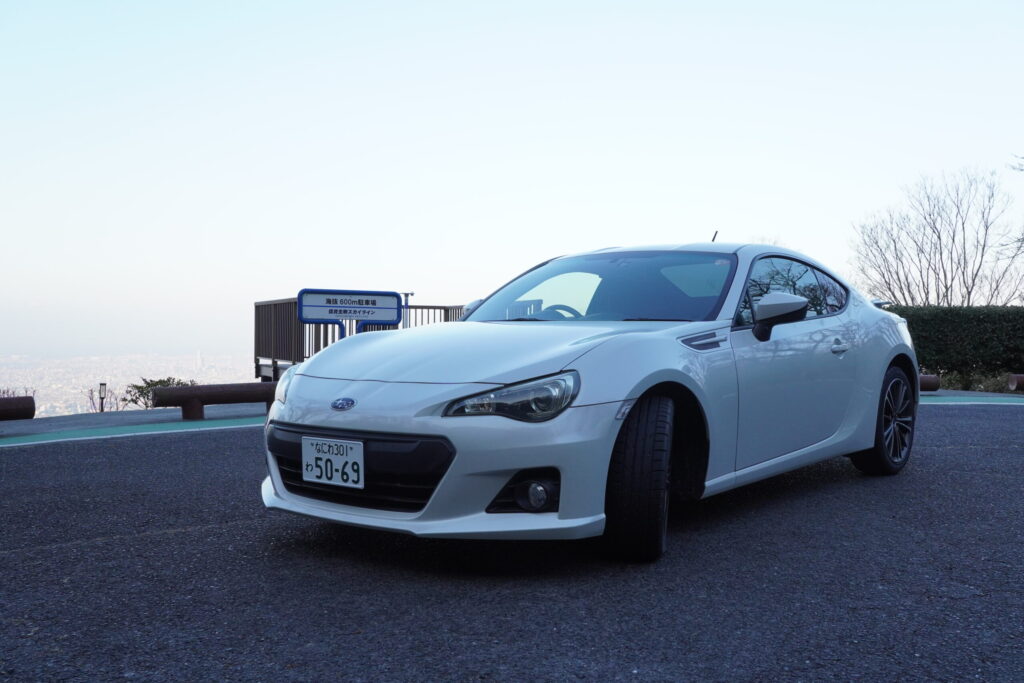
Starting your journey from Osaka—the beating heart of western Japan—places you at the ultimate nexus of exploration. Within minutes of slipping out of the urban sprawl, you cross monumental spans of engineering marvels that fling you across emerald waters into territories untouched by the frantic pace of the city. Among these, Awaji Island—sandwiched between Honshu and Shikoku like a grand emerald stepping stone—stands as the ultimate proving ground for a true driving enthusiast. And when you tackle Awaji’s undulating coastal highways, dramatic elevation changes, and tight, technical switchbacks, you do not want just any generic commuter vehicle. You want a pure expression of Japanese domestic automotive engineering: the Toyota 86 or the Subaru BRZ.
Piloting a BRZ across Awaji Island is a masterclass in automotive dialogue. With its low center of gravity, naturally aspirated flat-four boxer engine screaming eagerly toward its redline, and a chassis tuned for telepathic responsiveness, the BRZ transforms every kilometer of asphalt into a canvas. As you slice through the sea breeze, shifting down smoothly for a tight coastal hairpin with a crisp heel-and-toe blip, you aren't just traveling from point A to point B. You are engaging in a visceral, tactile conversation with the road. This is the ultimate philosophy of driving in Japan: an intimate fusion of mechanical precision, changing landscapes, and the pursuit of unadulterated freedom where every single journey becomes an unforgettable personal legend.

Awaji Island-The 2-Day Itinerary: Deep Dive
Day 1: The Gateway of Giants and the Western Sun
08:00 - 09:30 | Awakening the Boxer: Departure from Osaka
The morning air in Osaka carries the sharp, electric scent of urban awakening, but your mission lies far beyond the concrete labyrinth. Settled low into the deeply bolstered bucket seat of the Subaru BRZ, you reach out to press the engine start button. The 2.4-liter horizontally opposed engine barks to life with a purposeful, guttural exhaust note that settles immediately into a smooth, mechanical purr—the unmistakable calling card of a purist’s sports car. Slipping the precise short-throw shifter into first gear, you guide the car out toward the Hanshin Expressway. The clutch pedal offers a reassuring, progressive weight, whispering promises of mechanical harmony ahead. As you merge onto the highway heading south toward Kobe, the BRZ’s communicative steering gives you instant feedback through the leather-wrapped wheel. The towering concrete jungle gradually gives way to industrial silhouettes, and soon, the glittering expanse of the Osaka Bay opens up on your left, catching the brilliant morning sunlight like scattered diamonds.
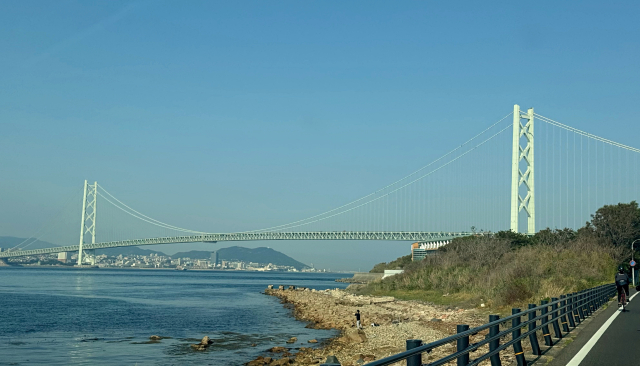
09:30 - 11:00 | Crossing the Akashi Kaikyo Bridge: Flight Over the Emerald Strait
Approaching Kobe, the horizon transforms dramatically as the colossal towers of the Akashi Kaikyo Bridge—the longest suspension bridge in the world—come into breathtaking view. This architectural titan spans the roaring currents of the Akashi Strait, connecting Honshu to the northern gateway of Awaji Island. As you pay the toll and guide the BRZ up the sweeping ramp onto the bridge deck, you are met with an open expanse of sky and sea suspended nearly 300 meters above the water. Crosswinds buffet the sleek, aerodynamic body of the BRZ, but the car remains firmly planted, its rigid chassis and refined suspension geometry maintaining unwavering composure. Through the glass, the view is nothing short of vertiginous: azure waves churn far below, and cargo ships glide like toys across the strait. Driving across this engineering masterpiece feels less like a commute and more like launching a starfighter into the heavens, the low-slung hood pointing unwaveringly toward the green hills rising on the opposite shore.
11:00 - 12:30 | The Northern Coastal Sweep: Route 31 and the Sea Breeze
Dropping off the bridge onto Awaji Island, the chaotic hum of mainland traffic instantly evaporates, replaced by the tranquil, salty breath of the Seto Inland Sea. You immediately dive onto Prefectural Route 31, affectionately known by local driving enthusiasts as the "Awaji Sunset Line." This is where the BRZ truly begins to sing. The road snakes intimately along the rugged coastline, a mesmerizing sequence of gentle sweepers and tight, technical bends that hug the rocky shoreline. Shifting down into third gear, you feed the throttle smoothly as the road opens up, letting the naturally aspirated boxer engine build linear, intoxicating power. The exhaust note bounces off the stone retaining walls on your right, while on your left, white-capped waves crash dramatically against sea-worn boulders. The steering is sharp, almost telepathic, allowing you to place the front tires with millimeter precision as you transition from corner to corner. It is a dance of machine and topography, a pure celebration of momentum and balance.
12:30 - 14:30 | Culinary Sanctuary: The Legendary Onion & Seafood Feast at Iwaya
Pulling into a scenic harbor-side lot near the northern tip of Iwaya, the mechanical ticks of the cooling exhaust pipes blend softly with the cries of local gulls. You have arrived at the culinary sanctuary of Awaji—an island famed throughout Japan for two sacred gastronomic treasures: ultra-sweet, mineral-rich Awaji onions and impossibly fresh seafood hauled straight from the nutrient-dense whirlpools of the surrounding straits. Stepping into a rustic, family-run harbor restaurant where the scent of simmering dashi and grilling fish fills the air, you order the island's crown jewel: the Awaji Beef and Seafood Bowl, crowned generously with caramelized, sweet-as-fruit slow-cooked Awaji onions, accompanied by shimmering slices of fresh sea bream (tai) caught just hours prior. The first bite is an explosion of savory umami—the melt-in-your-mouth richness of the fish contrasting perfectly with the melting, sweet tenderness of the onions caramelized to perfection. It is a profound culinary awakening that anchors you deeply to the soil and sea of this unique island.
14:30 - 17:00 | The Spine of the Island: Conquering Prefectural Route 66 and Mount Eigamine
With lunch settling comfortably, it is time to venture inland, away from the coastal shelf and up into the steep, mist-shrouded spine of the island. You pivot the BRZ eastward and upward onto Prefectural Route 66, a narrow, winding mountain pass that climbs steadily toward the slopes of Mount Eigamine. The landscape shifts dramatically from bright marine blues to a deep, claustrophobic emerald green as towering cedar and cypress trees form a dense, gothic canopy overhead. Sunlight filters through the branches in golden shafts, dancing across the BRZ's dashboard. This section is a technical playground: second-gear hairpins, sudden elevation changes, and cambered turns demand absolute concentration and active mechanical sympathy. The manual transmission shines here; heel-and-downshifting into second before a sharp uphill apex, the chassis loads up progressively, rewarding smooth inputs with utterly neutral, predictable handling. There is a meditative focus required here—every apex, every shift point, and every subtle nuance of the rear-wheel-drive traction creates an unbreakable bond between driver, car, and the winding mountain terrain.
17:00 - 19:30 | Chasing the Golden Hour at Cape Kamikuni and Evening Rest
Descending from the mountain ridges just as the afternoon sun begins its long, fiery descent toward the western horizon, you navigate back out to the coast, heading toward Cape Kamikuni. You park the BRZ on a high bluff overlooking the vast, open expanse of the Harima Nada sea. Killing the engine, absolute silence envelops the cabin save for the ticking of cooling metal and the distant, rhythmic crash of the tide. The sky transforms into an epic canvas of liquid amber, violent violet, and burning crimson, casting long, dramatic shadows across the sculpted lines of the BRZ's bodywork. You sit in quiet reverence, watching the solar disk slip gracefully below the horizon line. As twilight deepens into indigo, you drive leisurely to a traditional hot spring (onsen) ryokan nestled quietly in the southern foothills. Soaking deep in outdoor mineral waters rich in iron and sodium, gazing up at the emerging stars through the steam, the physical exertions of the day melt away completely, leaving only a profound sense of anticipation for tomorrow's chapter.

Day 2: Whirlpools, Southern Legends, and the Return Journey
08:30 - 10:00 | Morning Mist on the Southern Route: Toward Naruto
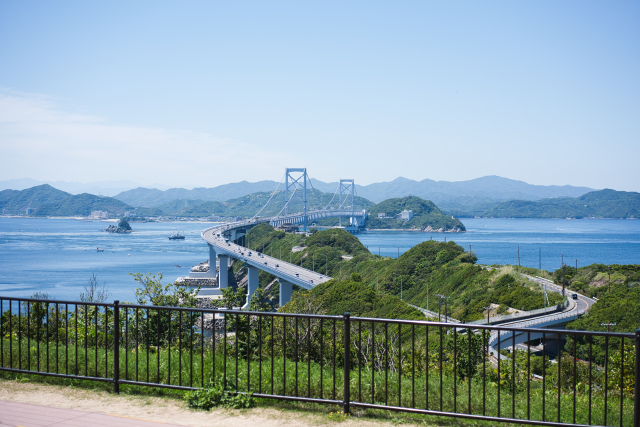
The second day dawns crisp and clear, the morning dew glistening like crushed diamonds across the BRZ’s midnight-blue hood. After a traditional breakfast of grilled local fish, steaming rice, and savory miso soup at the ryokan, you fire up the boxer engine once more. Pointing the nose southward, you tackle the final stretch of the island’s coastal byways toward Naruto. The air is cool and invigorating, and the engine feels exceptionally eager in the dense morning atmosphere. Route 76 winds lazily past terraced rice paddies that gleam like mirrors under the pale morning sun, framing sleepy farming villages where elderly locals nod warmly as the low-slung sports car purrs quietly past their gates. The road hugs the southern cliffs, offering sweeping vistas of distant islands dotting the calm inland sea like sleeping green giants.
10:00 - 12:00 | The Roaring Abyss: Witnessing the Naruto Whirlpools from Uzushio
Arriving at the southern extremity of Awaji Island, the geography compresses dramatically into the narrow Naruto Strait, separating Awaji from Shikoku. Here lies one of nature’s most violent and awe-inspiring spectacles: the Naruto Whirlpools. You board a specialized observation boat that slices out into the churning, jade-colored waters of the strait. Due to the extreme tidal changes between the Pacific Ocean and the Seto Inland Sea, massive volumes of water rush through the narrow channel twice daily, creating colossal, roaring vortices that spin violently on the surface. Standing on the deck, the sheer acoustic power of rushing water fills your ears, and you watch in spellbound fascination as massive whirlpools tear open and collapse in seconds. It is a humbling display of raw terrestrial energy, a stark reminder of the immense geological forces that sculpted this entire archipelago.
12:00 - 14:00 | Coastal Gastronomy: Sea Bream Delicacies at Minamiawaji
Returning to solid ground, your appetite is sharpened by the bracing sea air of the southern straits. You guide the BRZ to a renowned local dining wharf in Minamiawaji known for its mastery of Naruto-tai (Naruto sea bream). These fish battle the ferocious tidal currents daily, resulting in muscular, exceptionally firm flesh packed with concentrated, clean sweetness. You indulge in a multi-course feast featuring Tai-meshi (sea bream cooked in a traditional earthenware pot with dashi and seasonal rice) and translucent, paper-thin slices of sashimi served with freshly grated local wasabi. Each bite is a delicate celebration of texture and ocean flavor, perfectly complementing the morning's aquatic adventure.
14:00 - 16:30 | The Return Sprint: Final Curves and the Osaka Skyline
With the sun climbing high into the afternoon sky, it is time to answer the call of the return journey, tracing the longitudinal spine of Awaji Island northward via the Kobe-Awaji-Naruto Expressway. The BRZ settles into a confident, high-speed cruise in sixth gear, its aerodynamic profile cutting effortlessly through the crosswinds as you cross back over the Akashi Kaikyo Bridge. The suspension absorbs the seamless expansion joints with a sophisticated, firm compliance. As the sprawling concrete silhouette of Osaka re-emerges on the northern horizon, a bittersweet wave of nostalgia washes over you. You realize that this machine has not merely transported you across a geographical boundary; it has served as an instrument of translation, converting asphalt, elevation, and sea spray into a deeply personal narrative of discovery. Returning the car to its home base feels less like the end of a transaction and more like parting ways with a trusted, silent companion who shared an unforgettable adventure.
Awaji Island-Expert Advice & Cultural Nuances
Navigating the hidden arteries of rural and coastal Japan demands a subtle understanding of local etiquette, unwritten rules, and cultural infrastructure that you won’t find in standard travel guidebooks. Chief among these cultural sanctuaries is the ubiquitous Japanese institution known as the Michi-no-Eki (Roadside Station). Far more than simple highway rest stops, Michi-no-Eki are vibrant cultural hubs, agricultural showcases, and culinary treasure troves rolled into one. On Awaji Island, stopping at a Michi-no-Eki like Uzu-no-Oka or Awaji is an absolute mandatory ritual. Here, local farmers deliver hyper-fresh produce every single morning—towering bags of sweet onions, ruby-red strawberries, and rare citrus fruits—alongside artisanal crafts and regional delicacies. It is also where you will encounter local elders who possess an encyclopedic, generational knowledge of every hidden viewpoint and secret fishing cove tucked away in the surrounding hills. Always take time to wander through these markets; they offer the purest, most unfiltered pulse of regional Japanese life.
When venturing off the main expressways onto rural prefectural roads, driving etiquette shifts into a refined dance of mutual courtesy. Japanese drivers are exceptionally orderly, but rural byways often narrow down to single-lane tracks flanked by stone irrigation ditches (suiro). If you encounter an oncoming vehicle on a narrow stretch, standard local practice involves a polite wave of acknowledgment and careful coordination to utilize small designated pull-outs. Furthermore, when parking your sports car at a local temple, shrine, or country store, always observe local painted lines meticulously and ensure your wheels are straight.
For dining outside the main tourist hubs, look for small, unassuming eateries displaying faded noren curtains fluttering softly in the doorway. Don't let language barriers intimidate you; many rural spots feature plastic food displays (sampuru) or photo menus. A polite bow, a cheerful "Sumimasen!" (Excuse me!), and a grateful "Gochisousama deshita!" (Thank you for the wonderful meal) upon leaving will unlock genuine warmth and hospitality from local proprietors who take immense pride in sharing their culinary heritage with respectful travelers.
Awaji Island-Detailed Logistics & Pre-Trip Tips
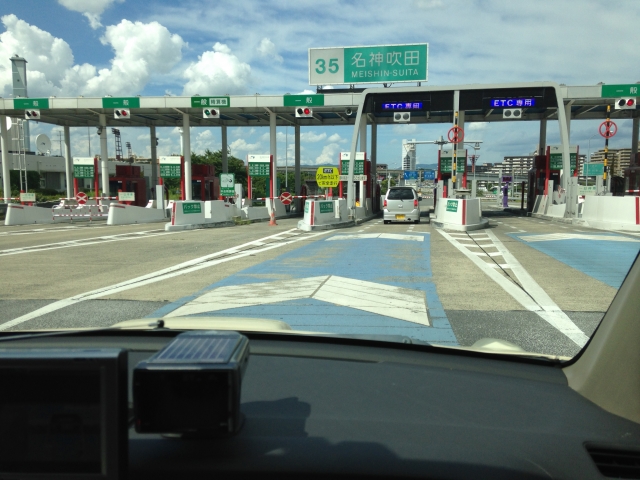
Mastering the logistical landscape of driving in Japan in 2026 requires a blend of modern digital preparedness and an appreciation for classic automotive rituals. First and foremost, highway navigation is streamlined through the ubiquitous ETC (Electronic Toll Collection) system. Having an ETC card installed in your rental vehicle is non-negotiable; it allows you to glide effortlessly through dedicated ETC gates on expressways without stopping for physical tickets or cash transactions, automatically calculating tolls based on distance and time.
When it comes to fueling up your vehicle, visiting a traditional Japanese service station is an authentic cultural experience in its own right. While automated stations exist, full-service stations (furu-sabisu) remain common in regional areas. Pulling up to the pump, you will be greeted enthusiastically by attendants in crisp uniforms. To communicate your fueling needs smoothly, master the single most vital Japanese phrase for any driver: "Mantan" (Man-tan), which translates directly to "Full tank, please." Coupled with specifying your fuel type—such as "High-octane" (Haika) for high-performance sports cars—the attendants will handle the fueling, clean your windshield with surgical precision, and even guide you safely back out into traffic with a respectful bow.
Parking in Japan requires mindfulness and adherence to local regulations. Never park illegally on narrow streets or in front of residential driveways; look for clearly marked pay-and-display lots (coin parking) or designated tourist parking areas.
Finally, for driving enthusiasts, piloting a genuine JDM (Japanese Domestic Market) sports car equipped with a crisp manual transmission (MT) elevates the entire journey into an art form. The mechanical engagement of rowing your own gears through a close-ratio six-speed gearbox, matching revs on downshifts, and feeling the instant, linear throttle response of a naturally aspirated engine provides a level of sensory feedback and driver satisfaction that modern automated vehicles simply cannot replicate. It transforms every winding mountain pass and coastal straightaway into a dialogue between human reflexes and mechanical engineering perfection.
Awaji Island-Comprehensive FAQ
Q: What documents do I need to rent and drive a car in Japan as an international visitor?
To legally rent and drive a vehicle in Japan, foreign visitors must present specific valid documentation at the time of check-in. You must hold a valid driver's license issued in your home country, accompanied by an International Driving Permit (IDP) issued under the 1949 Geneva Convention. In addition, you must present your valid passport for identity and entry-date verification. Please note that drivers from certain specific countries (such as Switzerland, Germany, France, Taiwan, Belgium, Monaco, and Estonia) operate under a different legal framework and require their official domestic driver's license accompanied by an official Japanese translation issued by authorized bodies like the Japan Automobile Federation (JAF) or their respective embassies, rather than a standard IDP. Always verify that your paperwork is current and issued in strict accordance with Japanese legal requirements before arriving at the rental counter.
Q: Can I rent a manual transmission (MT) car if I am accustomed to driving automatic vehicles?
Rental inventories specifically catered to driving enthusiasts often feature iconic manual transmission sports cars. To rent and safely operate a manual vehicle, you must possess a valid driver's license that legally permits the operation of manual transmission automobiles in your home country and feel completely confident with clutch control, hill starts, and manual gear shifting. If you are rusty or unfamiliar with driving a manual car in right-hand-traffic environments, practicing caution or inquiring about automatic variants is advised to ensure safety on unfamiliar roads.
Q: What are the winter driving conditions like on Awaji Island, and do I need snow tires?
Awaji Island enjoys a relatively mild, maritime-influenced climate compared to the heavy snow-belt regions of northern Japan or the Japanese Alps. Severe winter blizzards are rare along the coastal lowlands. However, during deep winter months (January and February), sudden cold snaps, morning frost, or light dusting can occasionally occur on elevated mountain passes such as Mount Eigamine. Rental vehicles operating during winter months are systematically equipped with appropriate seasonal considerations, but drivers should always monitor weather forecasts closely and exercise heightened caution when navigating shaded mountain corners during early morning hours.
Q: How do Japanese toll roads and navigation systems work for foreign drivers?
Modern rental vehicles in Japan are universally equipped with advanced GPS navigation systems that support English language input. You can program destinations easily using telephone numbers or Map Codes (mapcode). For highway tolls, vehicles equipped with an ETC card automatically register tolls as you pass smoothly through electronic gates, with the final accumulated toll balance settled seamlessly via credit card at the time of vehicle return.
Awaji Island-The Final Thoughts
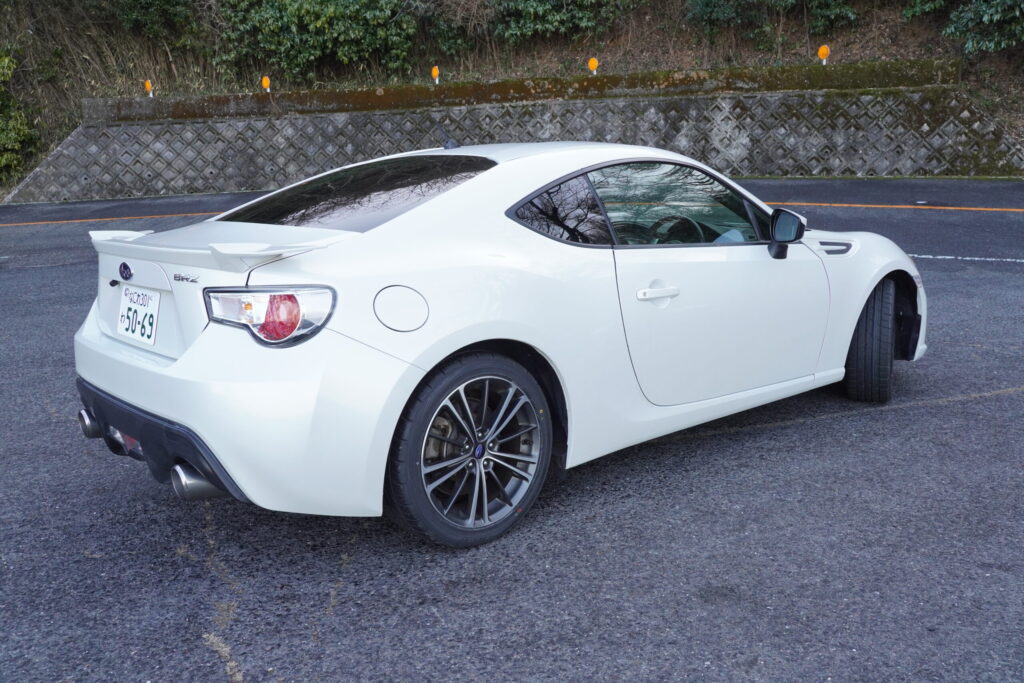
The open coastal highways, mist-shrouded mountain passes, and culinary wonders of Awaji Island are waiting to be written into your personal travel legend. There is a profound difference between being a passive observer on a crowded train and gripping the steering wheel of a finely tuned machine, carving your own path through the beating heart of Japan's most breathtaking landscapes. Stop dreaming about the ultimate driving journey and make it your reality today. Secure your machine, master the open road, and experience the pure, unadulterated soul of JDM engineering. Visit おもしろレンタカー大阪中央店 right now to reserve your high-performance sports car, and let your Japanese driving adventure begin!