
1. Wakayama & Koyasan: The Philosophy of Driving in Japan
Having spent the formative years of my career as a conductor for Kintetsu Railway, I have a deep, rhythmic appreciation for the Japanese rail system. There is a profound beauty in the precision of a limited express train sliding into Namba station exactly at 15:02. However, there is a fundamental limitation to the rails: they are designed to connect the known, the efficient, and the crowded. They take you to the destination, but they often strip away the journey itself.
When you traverse the Kii Peninsula—specifically the rugged, spiritual heart of Wakayama and the sacred heights of Mount Koya—you are not merely traveling from Point A to Point B. You are engaging in a dialogue with the landscape. To experience the true "Secret Japan," you must leave the station platform behind. You need the tactile connection that only a driver’s seat can provide.
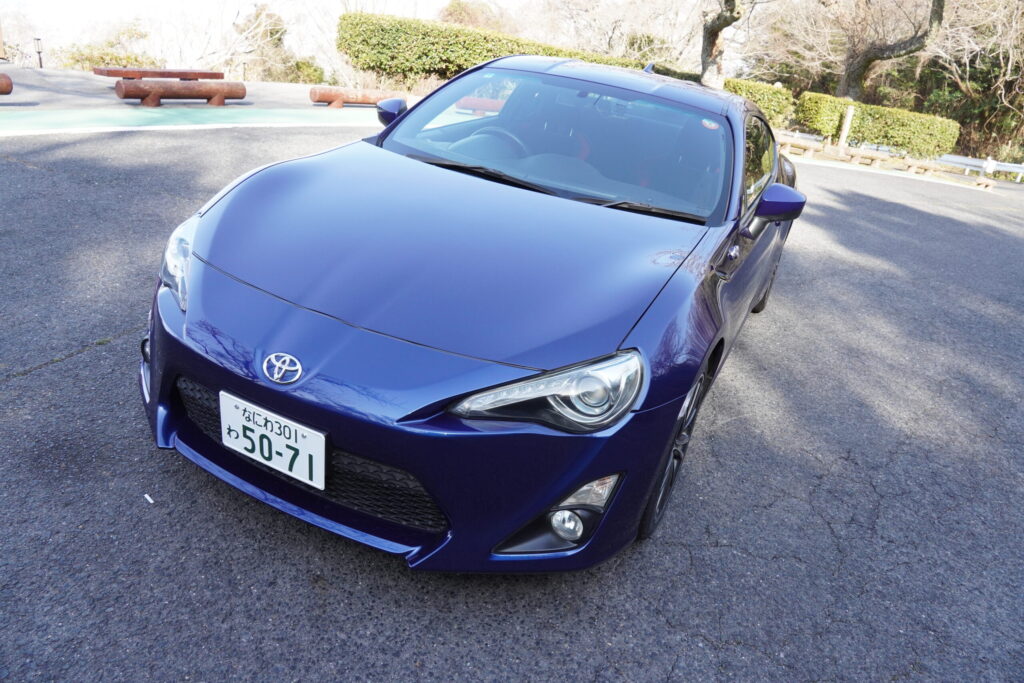
Driving in Japan, particularly in the mountainous regions of Wakayama, is a sensory act of rebellion against the mundane. It is the ability to pull over when you see the light hit a cedar forest in a way that feels ancient; it is the freedom to change your route because a winding mountain road looks too inviting to ignore. For the enthusiast, this is not just transportation; it is an exploration of the soul of the machine. The Toyota 86, with its perfectly balanced chassis and responsive, high-revving engine, is not just a car here—it is an extension of your own intent. It feels at home on the tight, technical hairpins of the Koya-Ryujin Skyline, where the scent of cedar, the sound of the flat-four engine echoing off the valley walls, and the physical thrill of perfectly executed gear shifts turn a mere pilgrimage into a masterclass of driving pleasure.

2. Wakayama & Koyasan: The 2-Day Itinerary: Deep Dive
Day 1: The Ascent to Enlightenment
08:00 – Departure from Osaka Leave the urban sprawl of Osaka. As the concrete buildings fade into the rearview mirror of your 86, focus on the mechanical engagement. The steering feel is communicative; you can feel the transition from the city tarmac to the winding regional roads of Southern Osaka.
10:30 – Arriving at the Gateway: Kudoyama The transition into the mountains is subtle until it isn’t. In Kudoyama, the road narrows, and the gradient begins to climb. The historic town feels like a time capsule. Stop here for a brief walk; the crisp air of the Kii River valley is a precursor to the sacred atmosphere above.
12:00 – The Machina Meets the Mountain: The Route to Koyasan This is where the 86 shines. The climb up to Mount Koya is a rhythmic series of switchbacks. As a former conductor, I know the rigid geometry of tracks; here, the road is fluid. Feel the weight transfer in the 86 as you navigate the hairpins. The 2.0-liter engine pulls willingly, the exhaust note providing a sharp, mechanical percussion against the silence of the massive cedar trees that flank the road.
13:30 – Lunch in the Clouds: Shojin Ryori Dine on Shojin Ryori—the traditional Buddhist vegetarian cuisine of Koyasan. The simplicity of the tofu, seasonal mountain vegetables, and local pickles mirrors the discipline of the monastic life here. It is subtle, earthy, and profound.
15:00 – Okunoin: Walking Among Spirits Park the 86 and walk through the Okunoin cemetery. Over 200,000 tombstones rest beneath towering cedars, some centuries old. The silence is absolute. It is a place where history feels tangible, pressing against you.
17:00 – Sunset at the Danjo Garan Visit the Garan temple complex as the sun begins to dip. The vermillion lacquer of the Konpon Daito pagoda glows with an intensity that seems to vibrate against the deep green of the mountainside.

Day 2: The Skyline and the Coast
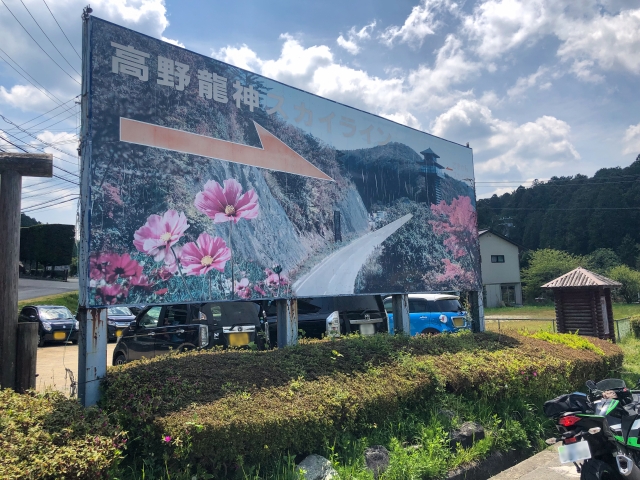
09:00 – The Koya-Ryujin Skyline This is the holy grail for Japanese car enthusiasts. The Koya-Ryujin Skyline is a high-altitude ribbon of tarmac that slices through the peaks. It is a technical road where the 86 feels like a precision instrument. Engage the clutch, drop a gear, and find your rhythm. The horizon is an endless sea of emerald ridges. This is why you drive—to find a road that demands your total focus and rewards you with pure, unadulterated joy.
12:00 – Descending to the Coast: The Road to Yuasa The descent toward the coast is a shift from technical mountain driving to sweeping, open curves. You are heading toward Yuasa, the birthplace of Japanese soy sauce. The architecture here is characterized by the kura (storehouses) of the Edo period.
14:00 – Tasting History Eat fresh shirasu-don (whitebait rice bowl) by the harbor. The salinity of the ocean, the tang of local soy sauce, and the view of the Pacific horizon provide a total sensory reset after the mountain isolation.
16:00 – The Return Sprint The final drive back to Osaka. Take the coastal roads as long as possible. Watch the sun drop into the sea, the sky painting itself in deep oranges and violets, reflecting off the hood of your 86. The drive back is contemplative, a chance to process the dual nature of this journey: the monastic discipline of the mountain and the raw, mechanical freedom of the road.
3. Wakayama & Koyasan: Expert Advice & Cultural Nuances
Japan’s Michi-no-Eki (Roadside Stations) are the unsung heroes of the Japanese road trip. They are far more than gas stations; they are hyper-local cultural hubs. Inside, you will find produce grown by the farmer down the road, local crafts, and often the best regional food you’ll eat all trip. When you stop at one near Ryujin, try the local yuzu products.
A nuance often missed by tourists is the etiquette of the "thank you" flash. If you are driving on a narrow mountain road and a local farmer in a kei-truck pulls over to let you pass, a quick flash of your hazard lights is the universal Japanese "thank you." It’s a small, polite gesture that acknowledges our shared space on these challenging roads.
Regarding the "hidden gems": look for the small onsen (hot springs) that are not listed in the major guidebooks. Often, a tiny sign with a wooden bucket icon is all you get. These are the places where the local community gathers to soak after a day of work. If you enter, keep your voice low, shower thoroughly before entering the water, and embrace the silence.
4. Wakayama & Koyasan: Detailed Logistics & Pre-Trip Tips
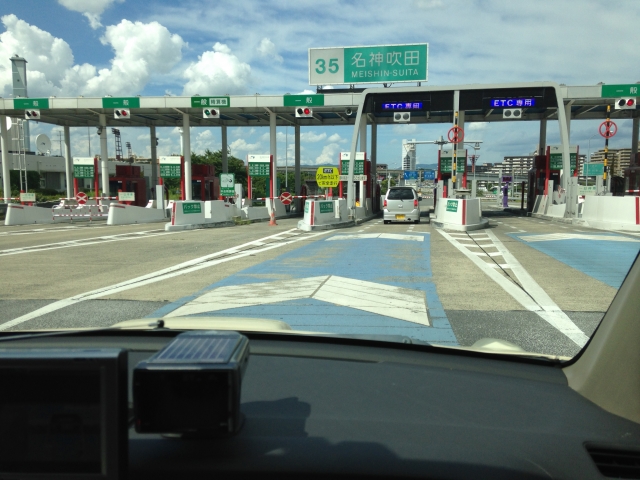
Driving in Japan in 2026 is streamlined but requires respect for the rules. Expressways are toll-heavy, but they are worth it. Ensure your rental is equipped with an ETC (Electronic Toll Collection) card. It allows you to breeze through toll gates without stopping—it is a modern convenience that makes long-distance travel seamless.
When you pull into a gas station, don't be intimidated by the terminology. If you go to a full-service station (which are becoming rare but are still wonderful), simply state "Mantan" (Full tank) and "Regular" or "High Octane" (depending on your car's requirement). It is a simple, satisfying ritual.
Driving an MT (Manual Transmission) car like the 86 in Japan is an elevated experience. The gear shifts are precise, the engagement is mechanical, and the roads are maintained to a level of perfection that makes every kilometer a pleasure. When you are parked in a scenic spot, take a moment to look at the car against the backdrop. The JDM aesthetic is born from this landscape—low, wide, and engineered to conquer the very terrain you are exploring.
5. Wakayama & Koyasan: Comprehensive FAQ
Do I need a special license? Yes. To drive in Japan, you must hold a valid driver's license from your home country, a passport, and an International Driving Permit (IDP) issued under the 1949 Geneva Convention. You must present all three of these documents together at the time of rental. Please ensure your IDP is issued before you leave your home country, as it cannot be obtained once you arrive in Japan.
Is driving a manual car difficult in Japan? If you are comfortable with a manual transmission, you will find Japanese roads to be a joy. The clutch feel on an 86 is progressive and intuitive. If you have any anxiety, start in a quiet area—though in Osaka, traffic is predictable and orderly, which helps.
How do I handle insurance? Always opt for the maximum coverage provided by your rental agency. It provides peace of mind, especially on narrow, winding mountain roads where a minor scrape can turn a dream trip into a bureaucratic nightmare.
What about the winter months? Wakayama is temperate, but the higher elevations of Koyasan can see snow and ice from December to March. Always check the weather reports, and if you are traveling in winter, ensure your vehicle is equipped with winter tires.
6. Wakayama & Koyasan: The Final Thoughts
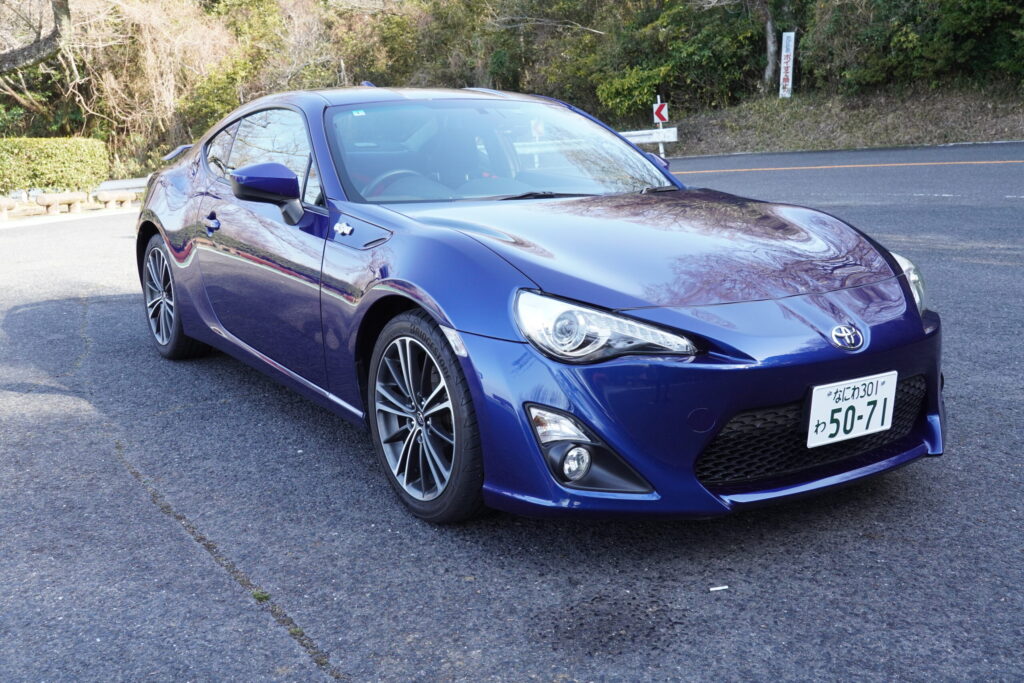
You have read the route. You have felt the phantom vibrations of the flat-four engine. You know that the real Japan does not wait for you on a train platform; it waits on the backroads, where the mist clings to the ancient cedars and the tarmac winds into the unknown.
Stop living the journey through a screen. True freedom is found in the palm of your hand as you grasp the shifter, the world shifting from gray city streets to the vibrant, green heart of the Kii Peninsula. The mountains are calling, and the perfect machine is waiting to take you there.
Visit the Omoren Osaka Chuo store to secure your 86 or BRZ. Your keys are waiting. The road is open. It is time to drive.