
The Philosophy of Driving in Japan: Beyond the Rails
As a man who spent the better part of his youth watching the world go by through the reinforced glass of a Kintetsu train cab, I know the rhythm of Japan’s rail system like the back of my hand. I have counted the rhythmic clack-clack of the bogies, mastered the precise timing of the station departures, and seen millions of faces blur past in a mosaic of mundane commutes. Trains are the arteries of Japan—efficient, punctual, and reliable. But they are also, by design, restrictive. They follow a fixed destiny.
To truly understand Japan, you must leave the station platform behind. You must escape the rigid schedule of the conductor’s watch and take hold of the wheel yourself.
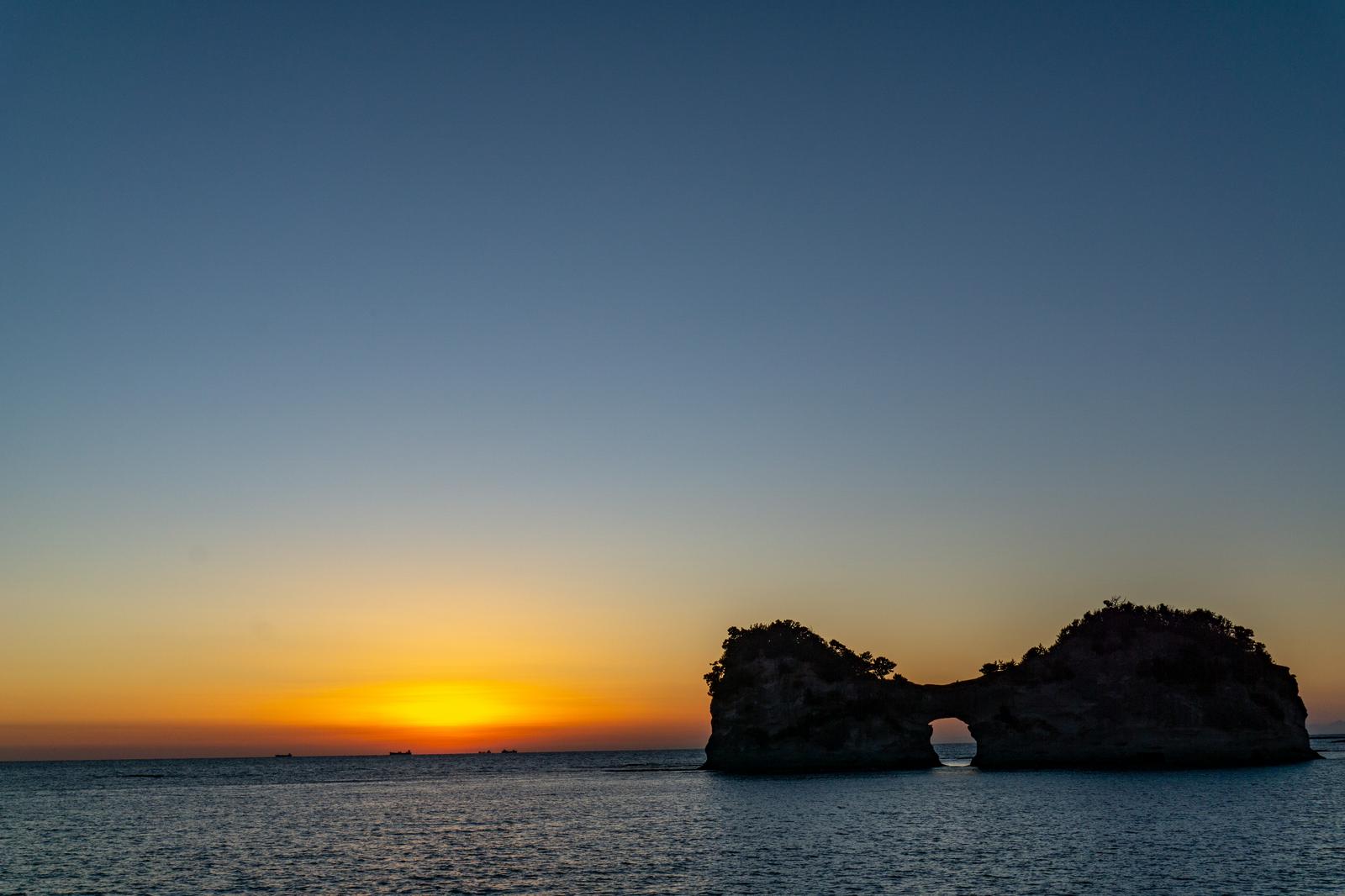
When you rent a performance-oriented machine—specifically a chassis as communicative and razor-sharp as the Subaru BRZ—you aren't just traveling; you are entering into a dialogue with the topography. Driving in Japan, particularly starting from the chaotic, electric pulse of Osaka, is about discovering the "Secret Japan" that exists in the interstices between the tourist maps. It is about the ability to pull over when you see a sea of fog swallowing a mountain pass at dawn, or finding a local shokudo (diner) tucked away in a fishing village that doesn't have an English menu, let alone a train station nearby.
The BRZ represents the pinnacle of this philosophy. Its low center of gravity, the symphony of its naturally aspirated flat-four engine, and its rear-wheel-drive purity make it the perfect translator for the winding coastal roads of the Kii Peninsula. When you are in the cockpit, you aren't a tourist observing the landscape; you are a participant in the landscape’s movement. You feel the camber of the asphalt, the bite of the tires, and the tension of the gears. This is the Japan that doesn’t arrive on a schedule. This is the Japan you earn with every rev.

The 2-Day Itinerary: Deep Dive into the Soul of Shirahama
Day 1: The Ascent into the Wild
08:00 – The Escape from Osaka The morning air in Osaka is thick with the scent of coffee and impending adventure. As you slide into the low-slung driver’s seat of the BRZ, adjust your mirrors, and engage the clutch, you feel the mechanical heartbeat of the car. Exit the city via the Hanshin Expressway, watching the concrete skyline dissolve into the greenery of southern Osaka Prefecture.
10:00 – Into the Kii Mountain Range Leave the highway behind and head toward the mountain roads of Wakayama. The transition is violent and beautiful. The architecture shifts from high-rise steel to weathered cedar wood. You’ll be navigating narrow, winding passages where the road surface is perfectly maintained by the legendary Japanese road crews. Here, the BRZ shines. Shift into second gear, feel the torque pull you out of the hairpin, and listen to the engine note deepen against the mountain wall.
12:30 – Hidden Tastes of the Mountains Stop in a small village near the Kumano region. Look for a place with a noren (curtain) fluttering in the breeze. Order the local specialty: Mehari-zushi (pickled mustard leaf-wrapped rice). The sharp, salty tang of the greens provides the perfect sensory reset before you tackle the next series of curves.
15:00 – The Coastline Revealed As you descend toward the Pacific Ocean, the air changes. It becomes salty, heavy, and crisp. The road opens up into a sweeping vista of the Pacific. This is where you understand why you chose a sportscar. The horizon stretches infinitely, a brilliant azure contrast to the dark, volcanic rock formations of the coastline.
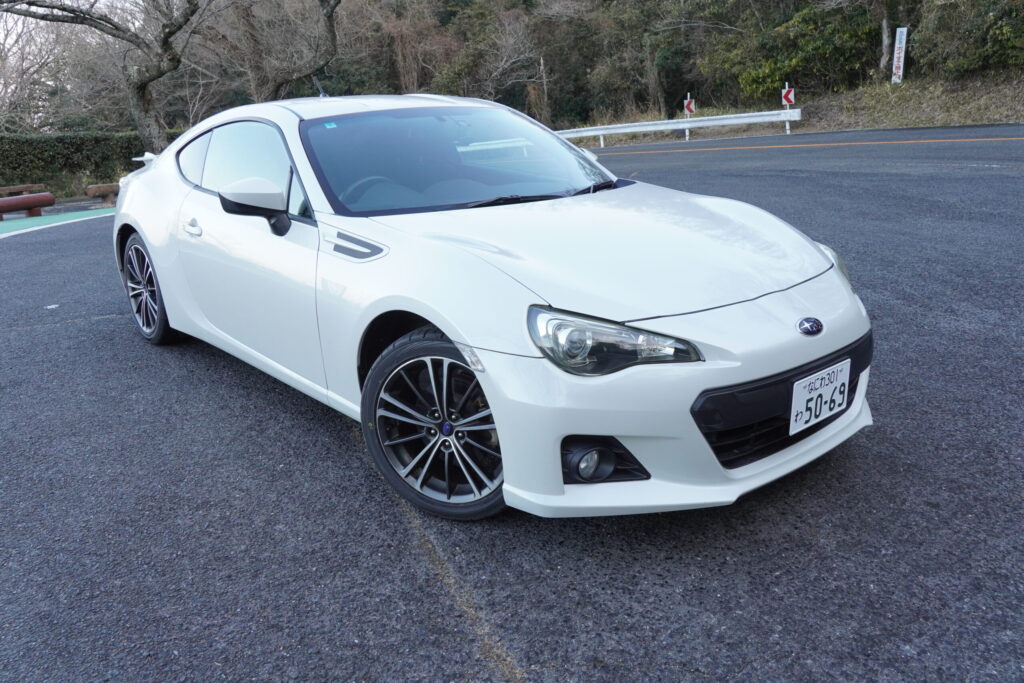
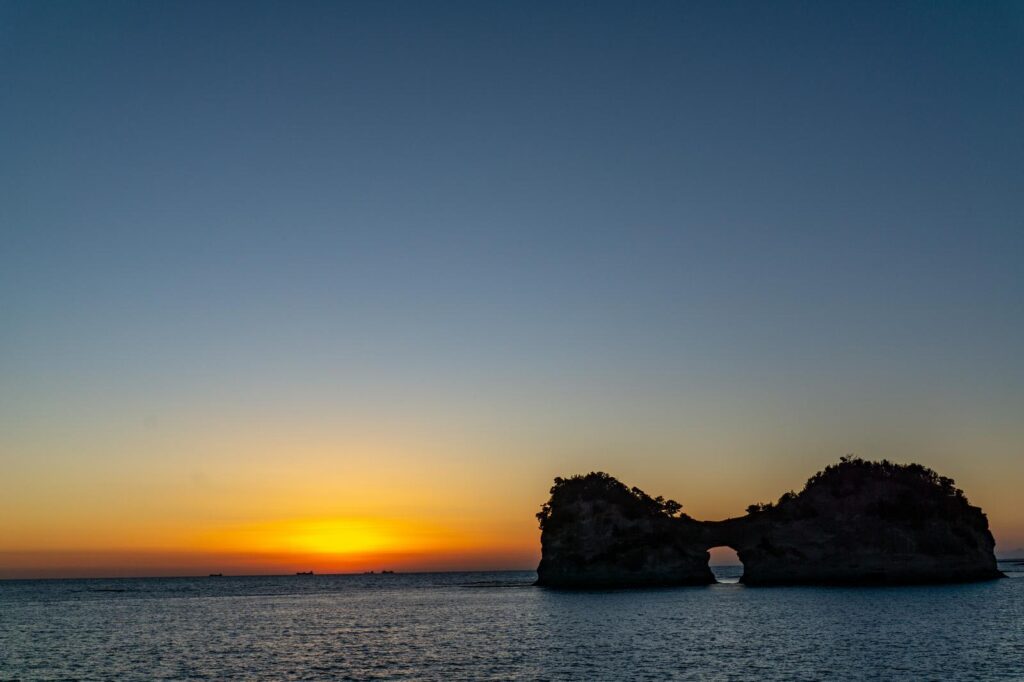
17:30 – Sunset at Engetsu Island Arrive in Shirahama just as the sun begins its dramatic descent. Park your BRZ near the cliffs overlooking Engetsu Island. As the light hits the natural arch in the center of the island, the sky bleeds from tangerine to violet. It is a cinematic moment, one that no train window could ever frame with such intimacy.

Day 2: Geological Wonders and the Joy of the Shift
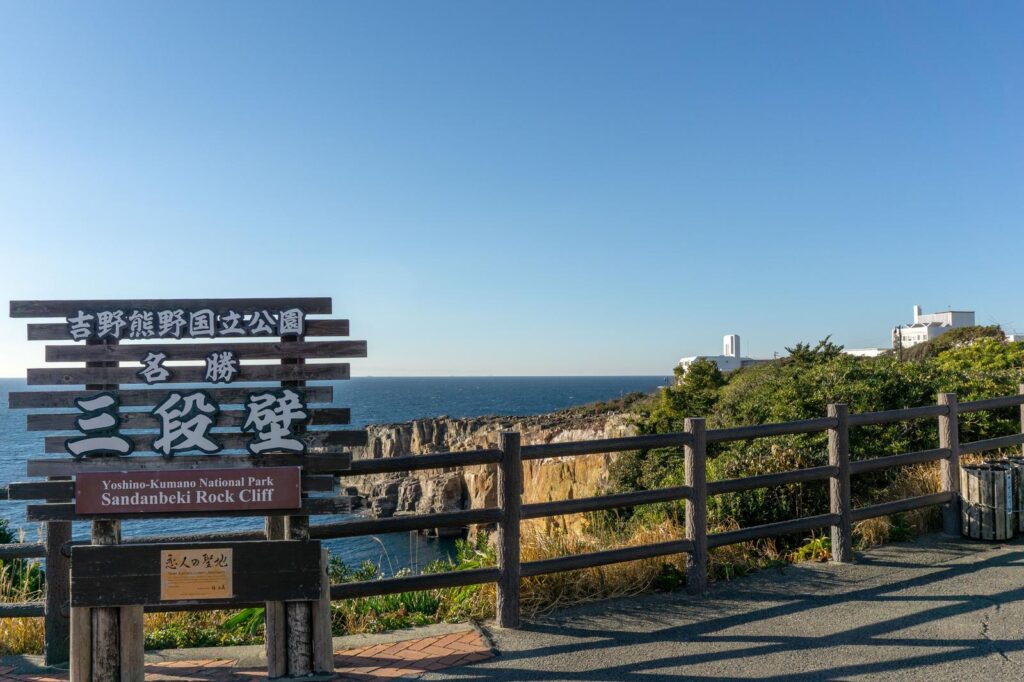
09:00 – Sandanbeki and Senjojiki The geology of Shirahama is savage and beautiful. The Sandanbeki cliffs, rising 50 meters above the churning Pacific, offer a terrifying perspective on nature's power. The sound of the waves slamming into the sea caves below creates a natural reverberation that shakes your very core. Nearby, the Senjojiki plateau—a thousand layers of sandstone polished by the sea—looks like a solidified ocean wave.
12:00 – The Seafood Ritual Shirahama’s seafood is legendary. Find a dockside market where the Ise-ebi (spiny lobster) and Katsuo (bonito) are pulled fresh from the water. Eating raw fish in the land of its origin is a transcendental experience. The texture is firm, the flavor clean and oceanic.
14:00 – The Great Return Drive The return to Osaka via the coastal route is your chance to refine your technique. Use the BRZ’s precise steering to trace the lines through the coastal sweepers. As you cruise, pay attention to the changing light. The ocean glints like shattered glass; the mountain peaks cast long, melancholic shadows. This is your final chance to harmonize with the machine.
18:00 – Back to the Neon Pulling back into Osaka, the transition is jarring. You have been in the wild, in the silence of the mountains and the roar of the sea. You are tired, but your senses are hyper-alert. The car is warm, the smell of brakes and leather lingering in the cabin. You have conquered the journey.
Expert Advice & Cultural Nuances
Driving in Japan is a practice of mutual respect. You will notice that Japanese drivers are incredibly polite—they rarely honk, they merge with grace, and they signal their intentions clearly.
The Michi-no-Eki Culture: These "Roadside Stations" are not just gas stops; they are cultural hubs. You will find local farmers selling mountain vegetables, artisan crafts, and regional delicacies that aren't available anywhere else. Make it a point to stop at these stations to buy local fruits—the quality is world-class.
Local Secrets: If you see a small, nondescript building with a line of Japanese locals waiting outside at 11:30 AM, park the car and join them. It doesn't matter what they are selling; it will be the best meal you have in a week.
Drive Etiquette: Always bow your head slightly when thanking a driver who lets you merge. In rural areas, be mindful of narrow roads where tractors or local delivery trucks might appear around a blind corner. Keep your speed controlled; the goal is the fluidity of the drive, not the top speed.
Detailed Logistics & Pre-Trip Tips
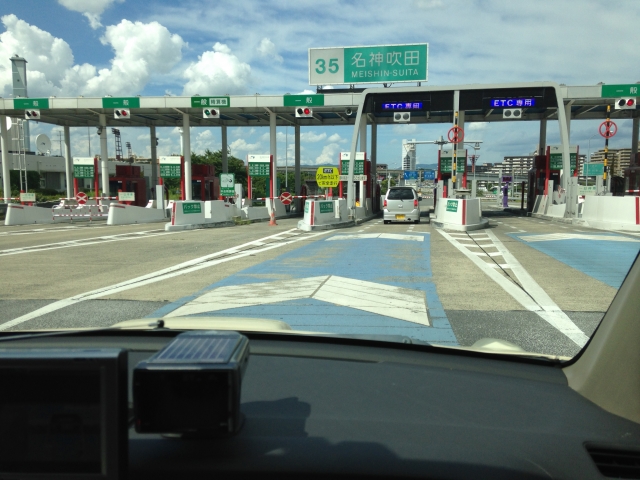
Navigating the roads of Japan in 2026 is seamless, provided you respect the systems.
ETC (Electronic Toll Collection): Japan’s toll roads are expensive but worth every penny for the time they save and the scenic routes they provide. Your rental will come with an ETC card reader. Insert the card before you enter the gate, and the barrier will lift automatically. It is frictionless.
The "Mantan" Ritual: When you stop for gas, pull into a full-service station (often marked by attendants in crisp uniforms). Roll down your window and say "Mantan, onegaishimasu" (Full tank, please). Watch the efficiency of the Japanese service—they will wipe your windows, empty your trash, and check your tires. It is a performance of hospitality.
Parking: Parking in major cities can be tight. Look for Coin Parking lots. You will drive over a small flap that rises to lock your car in place. Remember your stall number, pay at the central machine, and the flap will lower.
The JDM Experience: Driving a manual transmission (MT) car like the BRZ is an engagement of the mind and body. It requires you to know your RPMs, to understand the friction point of the clutch, and to anticipate the road ahead. It turns a drive into a ritual.
Comprehensive FAQ
Do I need a special license? To drive in Japan, you must possess a valid international driving permit issued under the 1949 Geneva Convention. You must carry this alongside your original valid driver’s license from your home country and your passport. If you do not have these three documents, you will not be permitted to drive. Ensure your license is valid and that you have obtained the correct international permit before leaving your home country.
I’m nervous about driving an MT car. Is it difficult? If you have experience driving a manual, the BRZ is a joy—it is forgiving and communicative. If you are a novice, take 15 minutes in a quiet lot to get a feel for the clutch. The reward of matching revs on a mountain downshift is well worth the practice.
What about insurance? All reputable rentals include basic insurance, but always opt for the collision damage waiver. It buys you peace of mind, allowing you to focus on the road rather than the risks.
How is the winter driving? Wakayama is mild, but the mountain passes can be treacherous in deep winter. Always check the weather reports, and ensure your rental is equipped with winter tires if you are heading into the high altitudes between December and March.
The Final Thoughts
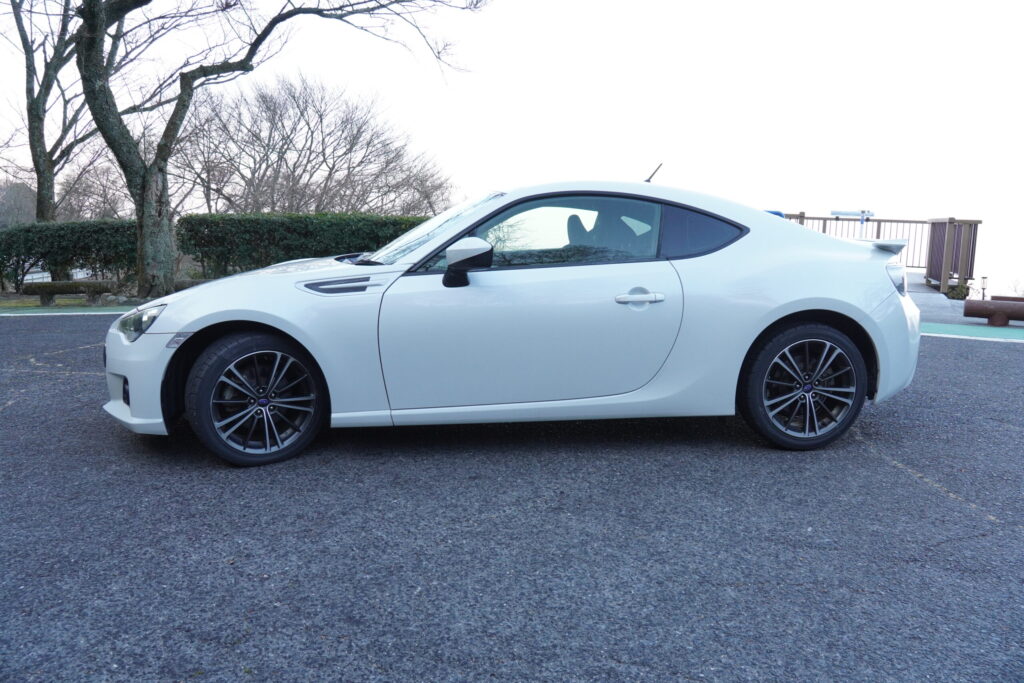
You have read the map. You have imagined the sound of the flat-four engine echoing off the cliffs of Shirahama. You can almost feel the weight of the steering wheel in your hands as you carve through the Kii Peninsula. The only thing missing is the car itself.
Japan is a country best experienced through the lens of a driver, and the roads are waiting. Don't settle for the constraints of a train schedule or the generic comfort of a tourist bus. Take control. Experience the tactile connection between man, machine, and the winding asphalt of the Japanese wilderness.
When you are ready to stop dreaming and start shifting, visit おもしろレンタカー大阪中央店 (Omoshiro Rentacar Osaka Central). We specialize in the machines that turn a trip into a legend. Your BRZ is waiting. Book your experience, secure your machine, and go claim your piece of the road. Your adventure starts the moment you turn the key.