
1. The Philosophy of Driving in Japan: Why the Rail Ends Where the Adventure Begins
For years, my life was defined by the rhythmic clack-clack of steel wheels on tracks. As a conductor for Kintetsu Railway, I saw Japan through the narrow, predetermined lens of a carriage window. I knew the exact timing of every station, the precise hum of the overhead wires, and the sterile comfort of a scheduled arrival. But from my vantage point in the conductor’s cabin, I also saw what the passengers missed: the lush, emerald valleys just beyond the tunnel exits, the winding mountain passes that snakes toward clouds, and the silent, mist-covered shrines that no train platform could ever reach.
That is why I left the rails. I realized that the true soul of Japan—the "Secret Japan"—does not exist in the transit maps of major stations. It exists at the end of a winding mountain road, in the scent of cedar after the rain, and in the visceral, mechanical connection between driver and machine.
Osaka is a sprawling, neon-drenched metropolis, a titan of industry and street food. But it is also a gateway. When you step into a manual transmission car, you are no longer a passenger observing the landscape; you are a participant in it. Public transit dictates your pace, but a car restores your agency. To drive here is to shed the skin of a tourist and become an explorer. You can navigate the tight, technical turns of the Kansai mountains, feel the engine rev-match into a hairpin, and stop at a nameless roadside stall for locally picked mountain vegetables. This isn't just travel; it’s an awakening.

2. The 2-Day Itinerary: Deep Dive into the Hidden Mountains
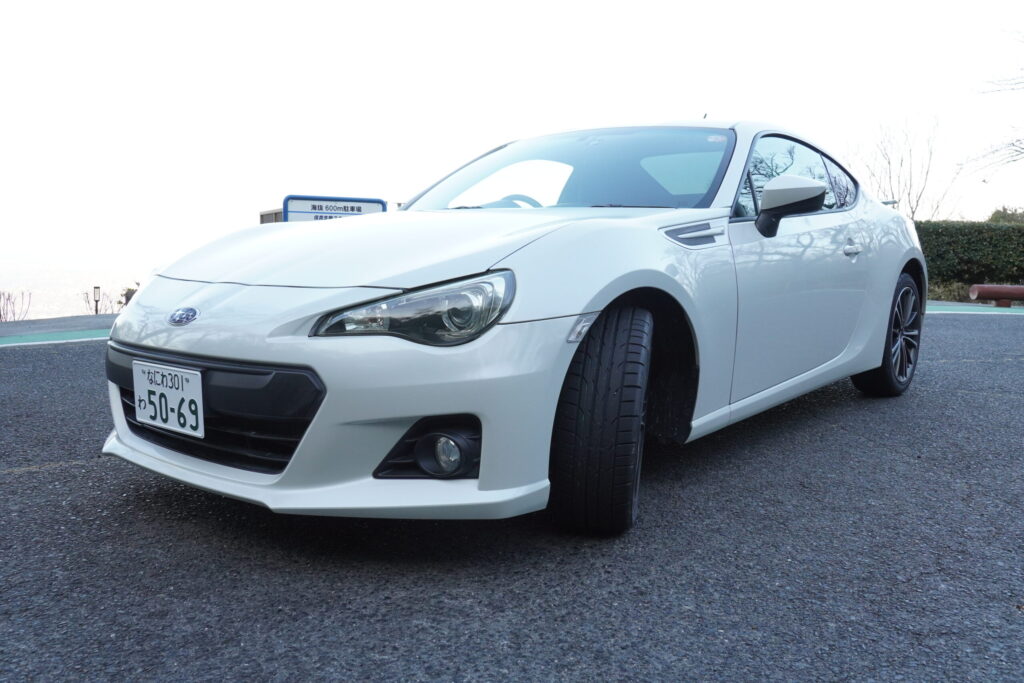
This two-day odyssey takes you from the heart of Osaka to the high-altitude serenity of the Yoshino and Koya regions, specifically tailored for the balance and agility of a Toyota 86 or Subaru BRZ. These cars are the perfect scalpel for these mountain passes—light, rear-wheel-drive, and communicative.
Day 1: The Ascent into History
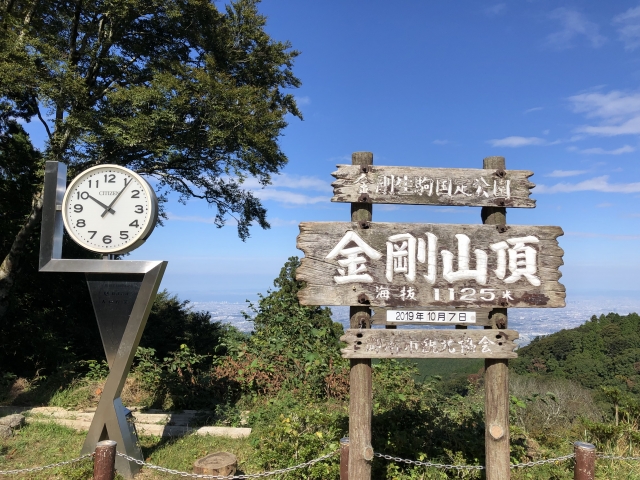
08:00 – Departing the Concrete Jungle: As you leave the Osaka grid, head southeast toward the Kii Peninsula. The city noise fades, replaced by the rising melody of a naturally aspirated flat-four engine. You aren't just driving; you are entering a different geological era.
10:00 – The Entry to the Tōge: The roads begin to narrow. We approach the lower reaches of the Yoshino mountains. The road surface changes from monotonous urban asphalt to the textured, winding ribbons of the mountain passes. The 86/BRZ shines here; the steering is telepathic, allowing you to slice through the curves with surgical precision.
13:00 – Lunch at a Local Hidden Gem: Stop in a small village nestled along the Yoshino River. Avoid the tourist traps. Find a place where the Soba is handmade. The texture of the buckwheat, the earthy aroma of the broth, and the view of the valley floor are the rewards for your navigation.
15:00 – The High Pass: As you climb higher, the trees transition from dense broadleaf to ancient, towering Japanese cedar. The air turns crisp and cool. The road features challenging hairpins that test your ability to heel-toe downshift. The mechanical engagement of the manual gearbox—the tactile click into second gear—is the soundtrack of your journey.
18:00 – The Sanctuary: Arrive at a secluded lodge near the mountains. The sunset paints the ridge in shades of bruised purple and burning orange. Dinner is traditional kaiseki, featuring mountain-foraged mushrooms and local river fish.

Day 2: The Spirit of the Mountain
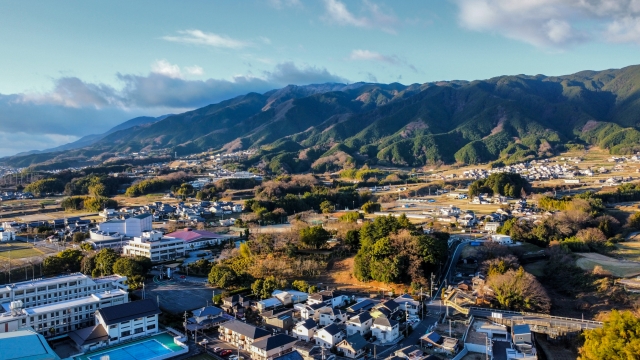
09:00 – The Foggy Departure: Morning in the mountains is a mystical affair. Thick, white fog clings to the valleys, and as you start the engine, the exhaust note echoes off the cliff faces.
11:00 – Driving through the "Cloud Forest": The roads here are tight, technical, and thrilling. You are driving through the heart of the sacred mountains, where Shugendo monks have walked for over a millennium. The road is a testament to Japanese engineering—tunnels carved through solid rock, bridges spanning dizzying gorges.
14:00 – The Hidden Temple: You reach an area accessible only by a long, winding driveway. There is no train station for miles. The silence is profound. Walking the grounds of a temple older than most nations, you realize this is the "Secret Japan" I promised.
17:00 – The Return Sprint: The descent back toward Osaka is where you truly understand the chassis balance of your car. The sun dips behind the western peaks, casting long shadows. You’re descending toward the lights of the city, the descent allowing for a rhythmic, flowing drive.
3. Expert Advice & Cultural Nuances
Japan’s "Michi-no-Eki" (Roadside Stations) are not just gas stops; they are cultural hubs. You will find fresh local produce, regional crafts, and often the best snacks in the prefecture. Make it a point to stop at these—they are where you find the soul of the rural community.
When driving, etiquette is paramount. The Japanese driving culture is courteous. If you are being followed by a faster local driver, it is common to pull over at a designated spot to let them pass. Conversely, never "tailgate" or drive aggressively on public roads. The tōge (mountain pass) is for the mastery of lines and vehicle control, not for speed contests. Treat the road with respect, and you will find the locals treat you with equal warmth.
4. Detailed Logistics & Pre-Trip Tips
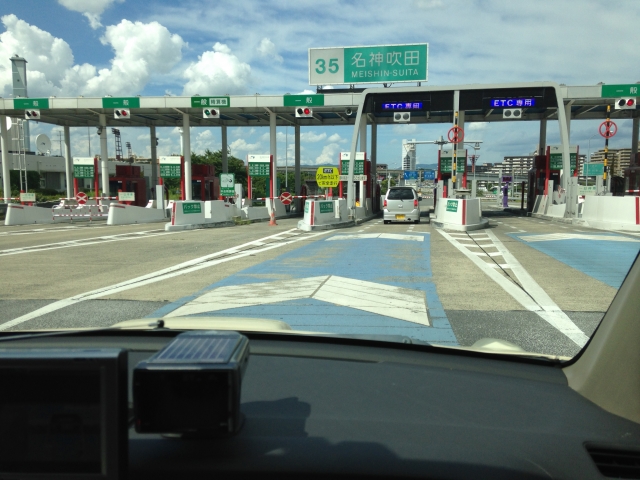
Driving in Japan is a seamless blend of high-tech efficiency and analog charm.
- ETC Cards: Always request an ETC (Electronic Toll Collection) card. It allows you to breeze through toll gates without stopping, and it often provides significant discounts for foreign tourists via specific "Expressway Pass" programs.
- The Gas Station Ritual: Most stations are full-service. When you pull up, you’ll be greeted by staff. Just say, "Mantan, onegai-shimasu" (Full tank, please). It’s a small, pleasant interaction that is part of the road trip experience.
- MT Mastery: Driving a manual transmission (MT) car like the 86/BRZ in Japan is the ultimate way to feel the road. The Japanese obsession with "craft" extends to their car culture. Keep your revs in the power band, enjoy the mechanical precision, and remember: in a car like this, you aren't fighting the road, you are dancing with it.
5. Comprehensive FAQ
- Do I need a special license? Yes. To drive in Japan, you must possess a valid international driving permit based on the Geneva Convention of 1949, your domestic driver's license from your home country, and your passport. Without these three documents, you cannot legally operate a vehicle.
- Is driving an MT car difficult in Japan? Not at all, provided you are experienced. The traffic is orderly, and the roads are well-marked. Just remember to drive on the left side of the road.
- What if I'm not used to mountain roads? Take it slow. These roads are designed for driving pleasure, not racing. Focus on your vision—look where you want to go, not at the obstacle.
- What about winter? Avoid high-mountain passes between December and March unless your vehicle is equipped with snow tires or chains. Always check local weather reports before ascending.
6. The Final Thoughts: Your JDM Adventure Awaits
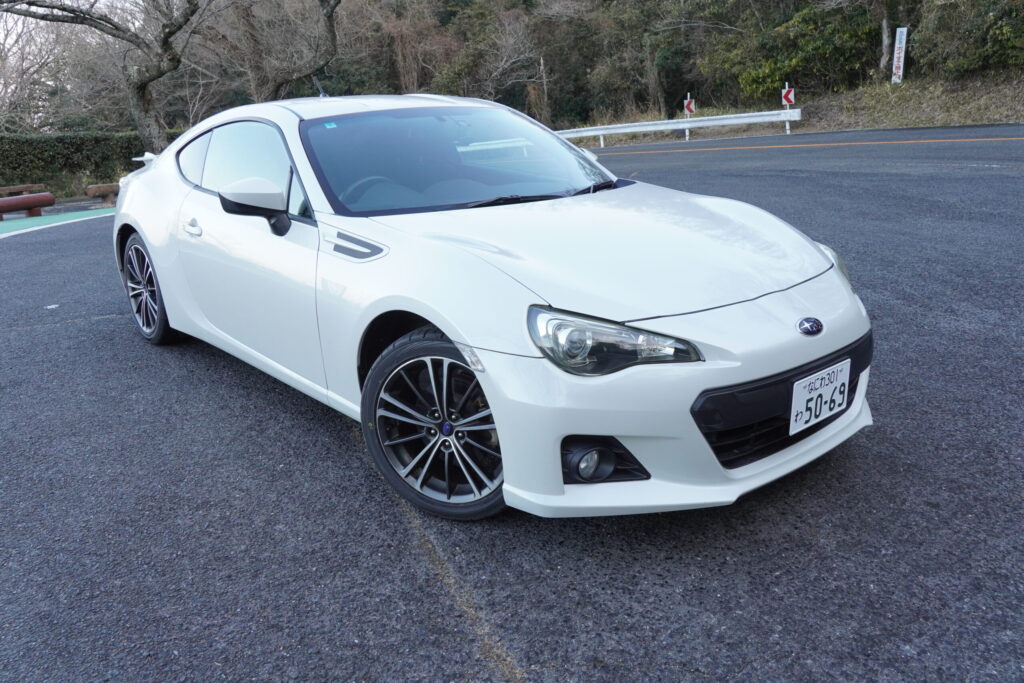
The train will get you to the station, but it won't get you to the places that change you. It won't let you feel the weight transfer of a perfectly executed corner in an 86, nor will it allow you to pull over to watch a sunset that looks like it was painted by the gods.
If you are a seeker of the hidden path, a lover of the manual gearbox, and someone who understands that the destination is secondary to the drive, then you belong on these roads. There is an entire world of mountain passes, coastal routes, and forgotten villages waiting for you.
When you are ready to stop watching Japan from behind glass and start feeling it through the steering wheel, your machine is waiting. Visit the team at the shop in Osaka, pick up your keys, and let’s go find the roads that don’t appear on the maps. Your adventure begins at the ignition.