
Hyogo: The Philosophy of Driving in Japan
As a former conductor for the Kintetsu Railway, I spent years of my life watching the Japanese landscape slide by through the framed windows of a train. There is a precise, rhythmic beauty to rail travel—the clickety-clack of the bogies, the seamless punctuality, and the view of rural life from a distance. But let me be perfectly honest: the train only takes you to where everyone else goes. It brings you to the station, the tourist office, and the well-trodden path. It is a spectator’s experience.
True immersion—the kind that gets under your fingernails and changes your perspective on the archipelago—requires you to take the wheel. When you are behind the steering wheel of a car, specifically a machine like the Toyota 86, the geography of Japan transforms from a series of destinations into a visceral dialogue between driver, engine, and tarmac.
In the Kansai region, people often stick to the loop between Osaka, Kyoto, and Kobe. They see the temples and the neon. But they miss the raw, serrated spine of Hyogo Prefecture. Hyogo is a land of duality: the sophisticated harbor of Kobe gives way, within a few hours, to the mist-drenched peaks of the Tajima highlands and the rugged, wind-scoured coastlines of the Sea of Japan. These "Secret Japan" spots—hidden valleys, mountain passes that cling to the sides of cliffs, and seaside villages where time has seemingly frozen since the Showa era—are invisible to the train passenger. They are accessed only by the serpentine roads that demand a driver’s focus. Driving here isn't just about moving from A to B; it is about feeling the mechanical heartbeat of a vehicle built for the mountain, pushing through corners, and finding that rare, quiet corner of Japan that feels like it belongs solely to you.

Hyogo: The 2-Day Itinerary: Deep Dive
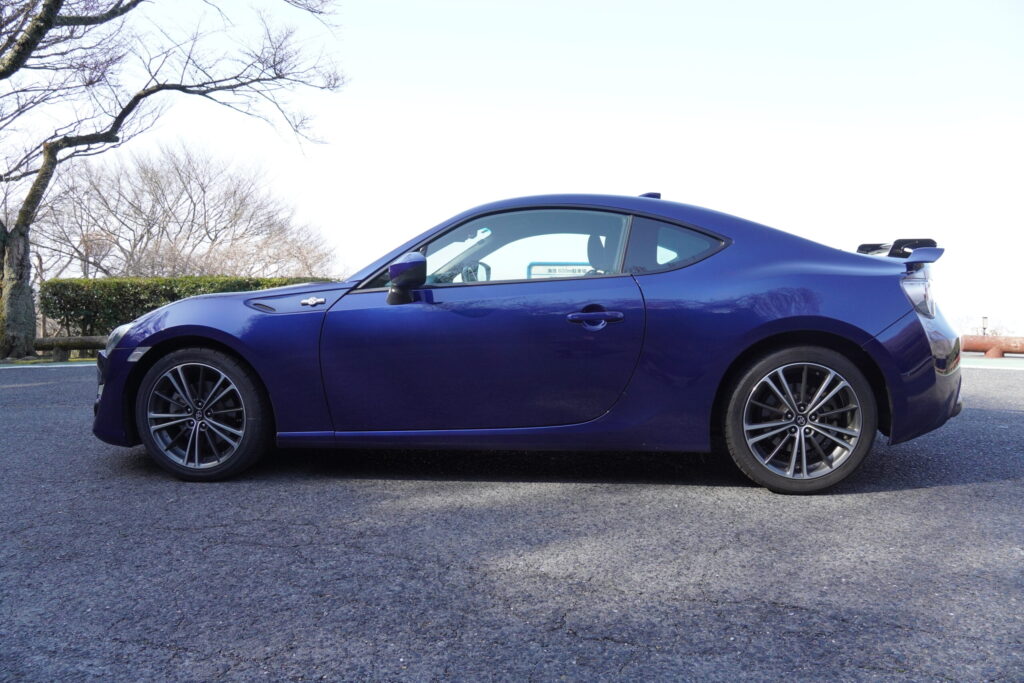
To truly understand the capabilities of the 86 or BRZ, you must leave the flat concrete of the Osaka basin behind. This two-day route will take you through the high-altitude challenges of the Hyogo mountains, pushing your shifting skills to the limit and rewarding you with vistas that make the effort unforgettable.
Day 1: The Mountain Ascent and the Clouds
08:00 – Departure from Osaka Leave the city before the morning congestion hits its peak. As you pull out onto the highway, you’ll immediately appreciate the low center of gravity of the 86. Its boxer engine hums with a refined intensity, waiting to be unleashed.
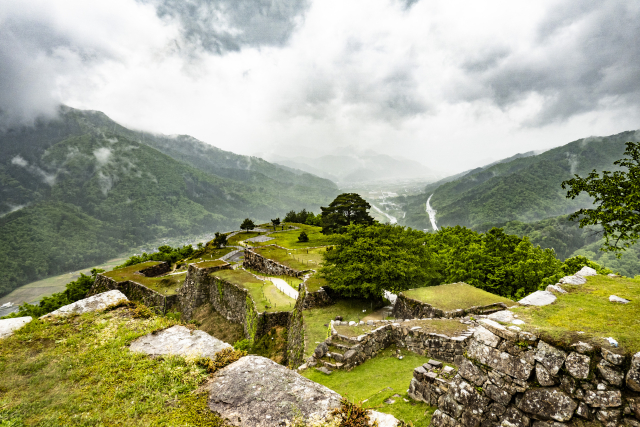
10:30 – Arrival at Takeda Castle Ruins (The Castle in the Sky) Park the car at the base and make the hike up. Known as the "Machu Picchu of Japan," the ruins of Takeda Castle are particularly ethereal when morning mist clings to the valley floor. Standing on these stone ramparts, you aren’t just looking at a view; you are looking at the remnants of feudal power.
12:30 – Lunch in Izushi Drive toward the historic castle town of Izushi. The roads here begin to tighten. As you navigate the provincial routes, you will notice the 86’s steering precision. In Izushi, seek out a local soba shop. Izushi Soba is legendary—served in small, individual plates called sara-soba. The texture of the buckwheat noodles, dipped in a rich, dashi-based sauce, provides the perfect fuel for the afternoon’s driving.
14:30 – The High Pass: Mt. Hyonosen This is why you brought a sports car. The road toward Mt. Hyonosen is a technical masterclass. It is narrow, winding, and demands total respect. In the 86, you will find yourself constantly modulating the throttle through the tight hairpins. The mechanical feedback through the steering wheel is pure, unadulterated JDM engineering. The air grows cooler as you climb, the scent of cedar and damp earth filtering through the cabin.
17:00 – Checking into a Remote Onsen Find a traditional ryokan in the deep valleys near the border of Hyogo and Tottori. There is no better feeling than pulling into a gravel driveway after a day of spirited driving, the engine ticking as it cools, the silence of the forest enveloping you. Sink into an open-air rotenburo bath and let the volcanic waters soothe your muscles.

Day 2: The Sea of Japan and the Coastal Run
09:00 – The Descent to Kasumi After a breakfast of grilled fish and miso, begin your descent toward the coast. The road down is a sweeping, multi-curved descent that tests your braking zones. The 86’s balance is sublime here, allowing you to carry speed through corners that would have lesser cars wallowing.
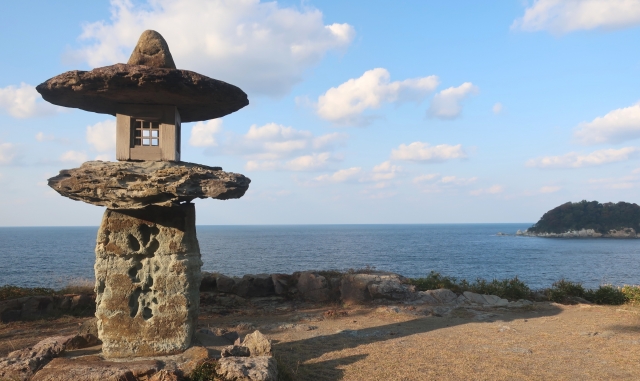
11:00 – Kasumi Coastline The Sea of Japan is not like the Pacific. It is darker, moodier, and more dramatic. The rock formations along the Kasumi coast are jagged, sculpted by centuries of relentless waves. Stop at one of the roadside overlooks. The contrast between the brilliant blue of the sky and the steel-grey of the ocean is a visual spectacle that demands a camera.
13:00 – Fresh Seafood at a Local Port You are now in the prime territory for Matsuba crab (in season) or fresh sazae (turban shell). Stop at a local fishermen’s cooperative. The flavor is sharp, salty, and incredibly fresh—the essence of the ocean on a plate.
15:00 – Driving the Sea-side Routes Instead of rushing back to the highway, take the coastal roads back toward Toyooka. These roads hug the shoreline, offering a rhythmic, flowing driving experience. With the windows cracked open, you can hear the exhaust note echoing off the sea cliffs.
18:00 – The Return to Osaka As you merge back onto the main artery toward Osaka, the neon lights of the city begin to glimmer on the horizon. The journey has changed you—you’ve transitioned from a tourist to an explorer. You’ve mastered the mountains and touched the coast.
Hyogo: Expert Advice & Cultural Nuances
In Japan, the Michi-no-Eki (Roadside Station) is not just a place to buy snacks. It is a cultural barometer. These stations act as hubs for local produce, regional crafts, and community news. For a driver, they are essential. They are the best places to find clean restrooms, local coffee, and, more importantly, insights into road conditions ahead. Don't be surprised to find local farmers selling mountain vegetables or even rare, artisanal pottery at a bargain.
When driving through rural Hyogo, be mindful of the "local rhythm." Japanese drivers are generally courteous, but on narrow mountain passes, they often use their hazard lights to say "thank you" or to warn you of a hazard ahead. If a slower car pulls over to let you pass, it is a gesture of kindness; a quick wave or a flash of your hazard lights back is the standard etiquette.
Finally, seek out the small, nondescript restaurants tucked into the backstreets of mountain towns. If you see a faded noren (curtain) over the door and a collection of local work trucks parked out front, you have found a gem. These places don’t need English menus because the quality of their teishoku (set meals) speaks for itself.
Hyogo: Detailed Logistics & Pre-Trip Tips
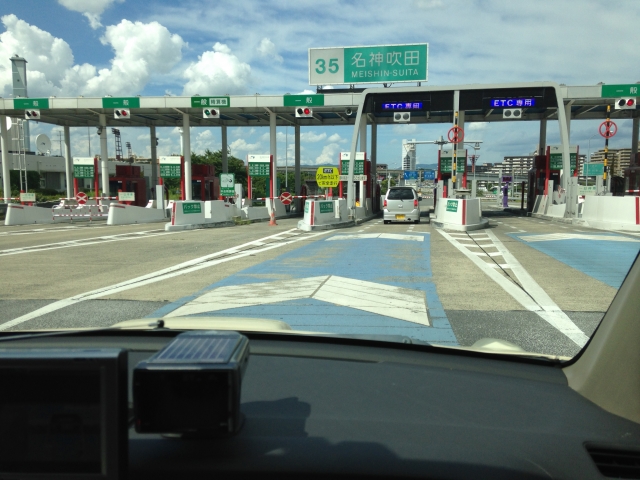
Driving in Japan in 2026 is easier than ever, provided you understand the infrastructure.
ETC (Electronic Toll Collection): You must ensure your rental car is equipped with an ETC card reader. This small device allows you to pass through highway toll booths without stopping. Without it, you will be forced to manually pull tickets and pay cash at every exit, which is a significant inconvenience.
The Gas Station Ritual: In Japan, gas stations are often "full service," but even at self-service stations, you might encounter a staff member. When you pull up, if you need a full tank, say "Mantan" (Full). They will ask, "Regular or High Octane?" JDM sports cars like the 86 typically require High Octane (often marked with a yellow or light green pump handle).
Parking: In cities like Osaka, parking is vertical and tight. Learn to love the Coin Parking lots. These are automated; you park, a flap raises under your car, and when you are ready to leave, you enter your space number at the machine to lower the flap.
The JDM Experience: The Toyota 86 is a driver’s car. It doesn't hide its intentions. Driving a manual transmission (MT) car through the mountains of Hyogo is a tactile experience. You feel every gear shift, every rev-match, and every ounce of torque. It is a symphony of mechanical engagement that connects you to the road in a way that modern automatics simply cannot match.
Hyogo: Comprehensive FAQ
Do I need a special license to drive a manual car? To legally drive in Japan, you must possess a valid driver's license from your home country and an International Driving Permit (IDP) issued in accordance with the 1949 Geneva Convention. You must present both documents along with your passport at the time of rental. Please ensure your IDP is current and issued by the appropriate authorities in your home country.
Is it difficult to drive an MT car in Japan? If you are comfortable with a clutch, you will find the 86’s gearbox exceptionally forgiving and precise. However, remember that Japan drives on the left side of the road. Your gear stick will be on your left hand. It takes a few kilometers to adapt, but the muscle memory comes quickly.
What about winter driving? If you are planning to drive in the northern parts of Hyogo (Tajima region) between December and March, snow tires are mandatory. The mountains can be treacherous with sudden ice. Always check the weather reports at the Michi-no-Eki before pushing into higher elevations.
What if I get into a trouble? Every rental car comes with insurance. In the event of a minor scrape or mechanical issue, stay calm, pull over to a safe area, and call the rental office immediately. They are equipped to guide you through the process, which usually involves contacting local police to file a report for insurance purposes.
Hyogo: The Final Thoughts
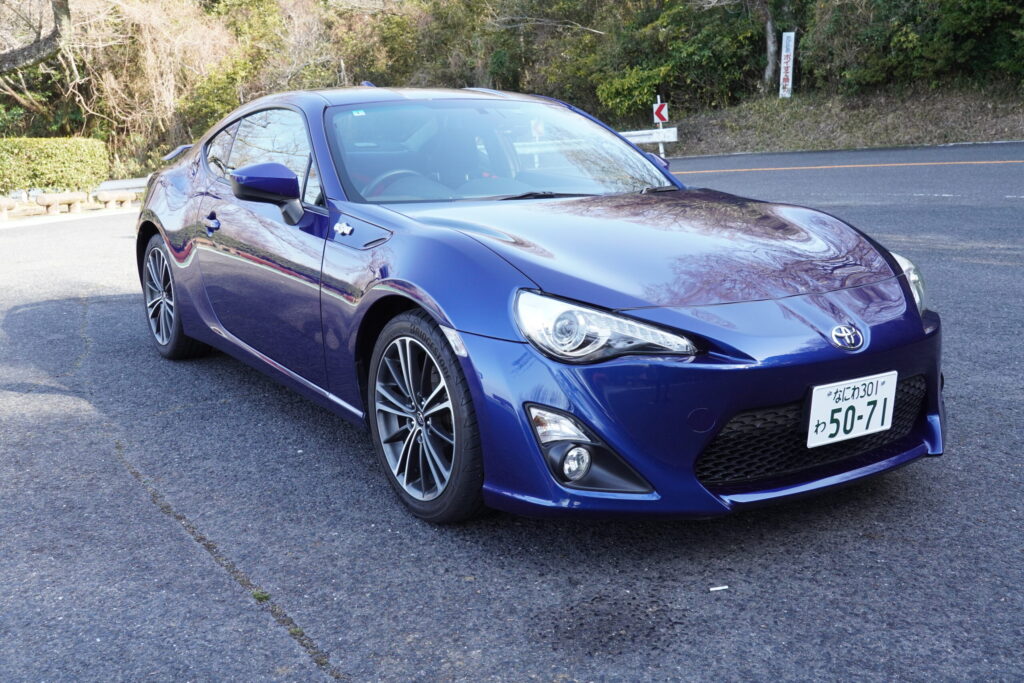
The roads of Hyogo are waiting. They are not merely asphalt—they are ribbons of history, challenge, and breathtaking beauty that only reveal themselves to those bold enough to take the wheel. The sensation of the 86's chassis communicating with the hairpin bends, the scent of the sea air on the coast, and the satisfaction of mastering a route that remains hidden from the masses—this is the true spirit of a Japanese road trip.
Do not be the traveler who views Japan through the tempered glass of a train window. Be the driver. Experience the mechanical perfection of a Japanese sports car in the environment it was engineered to conquer. Your journey into the heart of the landscape starts the moment you turn the key.
For those ready to answer the call of the road, book your machine at Omoshiro Rent-A-Car Osaka Chuo. We provide the keys to your next great adventure. Discover the real Japan, one shift at a time.