
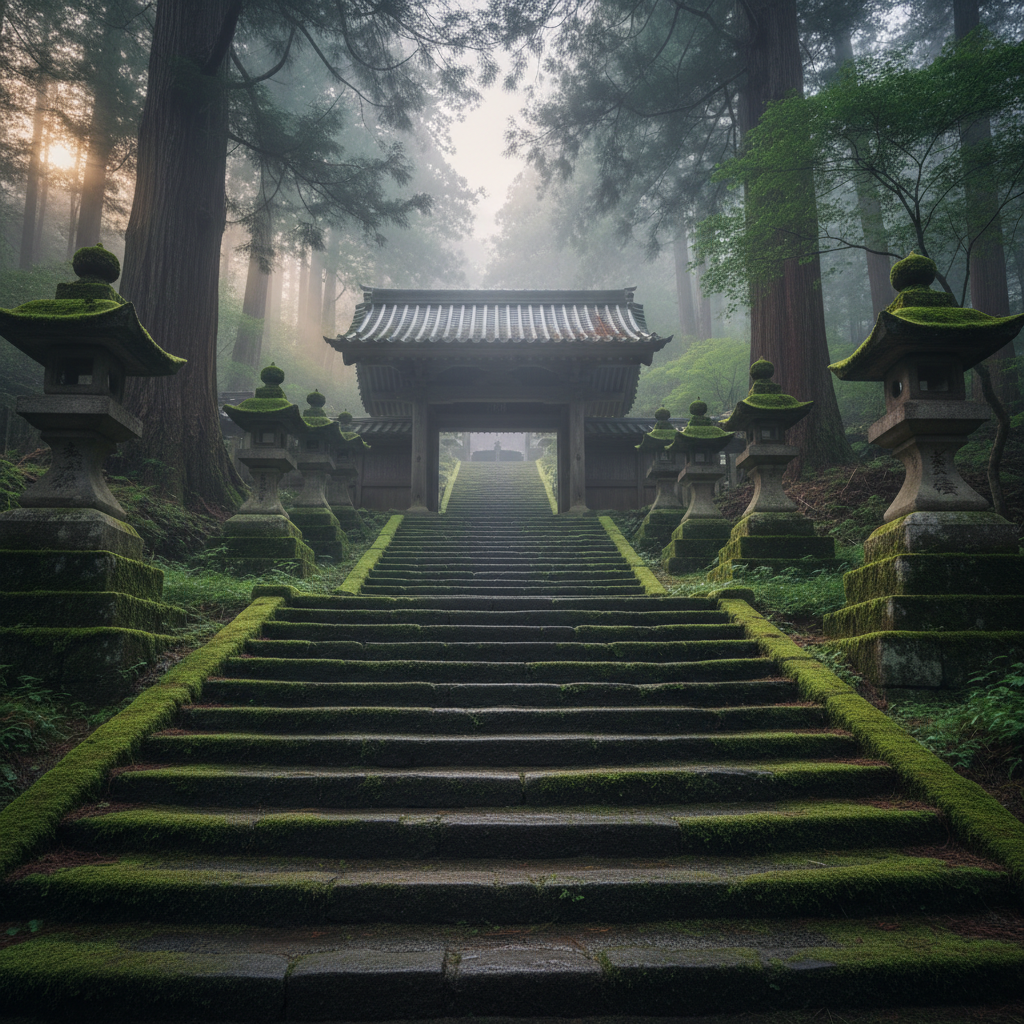
Nara's Hidden Depths, Secret Buddhas, Ancient Temples, Mysterious Drives – The Philosophy of Driving in Japan
For decades, I navigated Japan's intricate railway networks, a Kintetsu train conductor by trade, privy to the pulse of public transportation. I witnessed the efficiency, the punctuality, the seamless flow of millions across this incredible nation. Yet, even as I commanded those steel giants, a profound truth dawned on me: the train, for all its marvels, is a gatekeeper. It escorts you to the grand, the celebrated, the easily accessible. But what about the soul of Japan? What about the whispers of ancient forests, the echoes in forgotten valleys, the mystical allure of places untamed by tourist brochures?
This, my friends, is the realm of the automobile. It is the key to 'Secret Japan,' a landmass that stretches far beyond the reach of train tracks and bus routes. To truly understand Japan, to peel back its layers and taste its authentic essence, you must take the wheel. Especially when your adventure begins in the vibrant heart of Kansai, Osaka. While Osaka offers unparalleled urban exploration, its strategic location is a launchpad to something far more profound: the rugged, spiritual interior of Nara.
Why a car? Let me illustrate. A train journey is a linear experience, a meticulously choreographed ballet of stops and departures. You are a passenger, an observer. A drive, particularly through the serpentine roads of Nara's deep interior, transforms you into a participant. You dictate the pace, choose the detours, and absorb the nuances of the landscape at your own rhythm. Imagine the thrill of downshifting in an 86 or BRZ as you carve through a pristine mountain pass, the engine's growl harmonizing with the wind through ancient cedars. This isn't just transport; it's an extension of your spirit, a direct connection to the road and the land.
Public transport, for all its convenience, leaves you stranded at the foothills of true adventure. The most sacred, the most untouched, the most genuinely mysterious temples and shrines – those that harbor 'hibutsu' (secret Buddhas) shrouded in centuries of reverence – are often found at the end of roads less traveled, roads that weave through landscapes sculpted by geological epochs, where cell service fades and time itself seems to slow. These are the places where a car, especially a performance-tuned JDM marvel like the 86 or BRZ, isn't just a convenience; it's an absolute necessity. It's the vessel that bridges the gap between the known and the unknown, allowing you to not just see, but to deeply *feel* the profound mystery of Japan's ancient spiritual heartland.
This journey isn't for the faint of heart, nor for those content with the beaten path. It's for the adventurers, the seekers, the car enthusiasts who crave the visceral connection between man, machine, and an untamed landscape. It's about escaping the urban clamor, leaving behind the well-trodden routes, and diving headfirst into a Japan that few ever truly experience. Get ready to awaken your senses, to challenge your driving skills, and to unlock the ancient, mystical secrets of Nara's deepest recesses. The train took me to the predictable; the road opened my eyes to the truly extraordinary. Let me guide you to that same revelation.
Nara's Hidden Depths, Secret Buddhas, Ancient Temples, Mysterious Drives – The 2-Day Itinerary: Deep Dive

Prepare yourself for an odyssey into the soul of Japan, a two-day immersion where the raw power of your 86 or BRZ becomes an extension of your adventurous spirit, guiding you through ancient forests, along precipitous gorges, and to the very doorstep of millennia-old mysteries. This isn't a mere sightseeing trip; it's a pilgrimage for the senses, a symphony of winding roads, forgotten legends, and the exhilarating hum of a finely tuned JDM machine.
Day 1: Osaka's Urban Edge to Nara's Mystical Embrace
7:00 AM – The Dawn Departure from Osaka: Engine Roar and Anticipation
The city of Osaka, still stirring from its slumber, offers a crisp, cool air as you settle into the cockpit of your chosen chariot: the magnificent 86 or its sibling, the BRZ. The low rumble of the horizontally-opposed Boxer engine, a signature growl, sends a thrill through you. This isn't just a drive; it's the beginning of an expedition. The sun, a nascent orange glow on the horizon, promises a day of profound discovery. You feel the immediate connection to the road through the responsive steering, a prelude to the intricate dance ahead. The urban concrete quickly gives way to the open highway, the smooth asphalt a canvas for the 86/BRZ’s precise handling. You'll merge onto the Hanshin Expressway, the city skyline receding in your rearview mirror, a symbol of the ordinary world you're leaving behind. The exhaust note deepens as you accelerate, a powerful declaration of freedom.
8:00 AM – Eastward Bound: The Gateway to Ancient Lands
The expressway unfurls before you, a ribbon of concrete guiding you eastward towards Nara Prefecture. The landscapes begin to subtly shift. Apartment blocks are replaced by rolling hills, then increasingly dense pockets of verdant forest. The sky above is a canvas of deepening azure, promising a day of clear visibility for the breathtaking vistas to come. The 86/BRZ cruises effortlessly, a testament to its engineering, the miles melting away as you anticipate the twists and turns ahead. This initial highway stretch, though seemingly mundane, is essential; it's the quiet before the storm, the calm before the exhilarating chaos of mountain roads. You pass through tunnels, emerging into brighter light, each one feeling like a portal to a different dimension. The air, even through the vents, begins to carry the subtle scent of pine and damp earth, a scent you won't find in the city.
9:00 AM – Off the Beaten Path: The Mountain Ascent Begins
Exiting the major highway, the roads narrow, the turns tighten, and the true adventure begins. This is where the 86/BRZ truly comes alive. The precise steering, the balanced chassis, the immediate throttle response – they all converge to create a driving experience that transcends mere transportation. You'll feel the tires grip the asphalt as you begin your ascent into the mountains of Southern Nara. The surrounding scenery transforms dramatically: ancient cedars and towering cypress trees form dense, emerald canopies, dappling the road with shifting patterns of light and shadow. The air grows noticeably cooler, crisper, carrying the earthy perfume of deep forest. The roads, though well-maintained, demand attention, each curve a new challenge, each hairpin a chance to perfectly execute a downshift, the engine rev-matching with satisfying precision. This isn't just driving; it's an intimate conversation with the landscape.
10:00 AM – Ryusenji Temple: Where Ascetics Tread and Waters Flow
Your first profound encounter awaits in the depths of Tenkawa Village: Ryusenji Temple (大峯山龍泉寺). Nestled at the foot of Mount Omine, a sacred peak for the Shugendo practitioners – Japan's mountain ascetics – this temple is a powerful spiritual nexus. Its history stretches back to the 7th century, founded by the legendary En no Gyōja, the father of Shugendo. Geological forces sculpted this landscape over millennia, creating dramatic cliffs and ravines through which the clear, cold waters of the Tenkawa River flow. The very air here crackles with spiritual energy, imbued by centuries of ascetic training and devout prayers. The drive to Ryusenji is a sensory masterpiece: winding roads that hug the mountainside, offering glimpses of emerald valleys below. The precise suspension of the 86/BRZ allows you to absorb every subtle undulation of the road, keeping you connected to the terrain. You'll hear the rushing sound of the stream growing louder as you approach, a natural prelude to the temple's serene atmosphere.
10:30 AM – Exploring Ryusenji: Sacred Waters and Mystical Icons
Park your 86/BRZ in the humble parking area, the engine ticking softly as it cools, its modern hum a stark contrast to the ancient silence of the temple grounds. Step out and immediately feel the profound chill of the mountain air. Ryusenji is renowned for its sacred spring, the “Mizu-no-Gyōjaba” (Water Practice Place), where ascetics perform ritual ablutions in the freezing waters. The main hall houses a powerful statue of Fudō Myō-ō (Acala), a fierce protector deity whose gaze seems to pierce through time. Though not a 'hibutsu' in the strictest sense of being permanently hidden, the profound spiritual weight and the ascetic traditions here evoke that same sense of sacred exclusivity. The vibrant vermillion bridge over the clear stream, the moss-covered stone lanterns, and the ancient cedar trees standing sentinel create a scene of otherworldly beauty. Spend time walking the grounds, breathing in the scented air of damp earth and cedar. The faint echo of a distant bell might carry on the wind, a sound that resonates deeply within your soul.
12:00 PM – Riverside Repast: Flavors of the Mountain
After immersing yourself in Ryusenji's spiritual embrace, it's time to satiate a different kind of hunger. Drive a short distance to a small, unassuming eatery by the Tenkawa River. Here, you'll discover the unpretentious yet deeply satisfying flavors of mountain cuisine. Think freshly caught amago (red-spotted trout), grilled over charcoal to perfection, its delicate flesh flaking away with a hint of smokiness. Or perhaps handmade soba noodles, crafted from local buckwheat, served in a light, fragrant dashi broth, with wild mountain vegetables adding an earthy crunch. The taste is pure, unadulterated, a reflection of the pristine environment. The view from your table might be the glistening river, sunlight dancing on its surface, the sounds of its gentle flow a calming soundtrack to your meal. This is sustenance for both body and spirit, a connection to the very land you're exploring, far from the complex dishes of the city.
1:30 PM – Tamaki Shrine: A World Heritage Sanctuary in the Sky
With newfound energy, recommence your journey, aiming for the remote and utterly mystical Tamaki Shrine (玉置神社). This drive is legendary among enthusiasts. The roads become even more exhilarating, narrower, and more challenging, demanding full engagement from you and your 86/BRZ. You'll climb higher into the Yoshino-Kumano National Park, the elevation granting you ever-more spectacular views. The road winds like a serpent, cutting through primeval forests so dense that sunlight struggles to penetrate, creating an ethereal green twilight. The 86/BRZ’s precise handling and well-weighted steering make light work of the tight corners, allowing you to focus on the breathtaking scenery unfolding around you. The engine sings a happy tune as you ascend, a perfect harmony with the majestic silence of the mountains. This isn't just a drive; it's a profound journey into nature's cathedral, each turn revealing a new, awe-inspiring vista.
2:30 PM – The Mystique of Tamaki Shrine: Ancient Power and Whispering Giants
Tamaki Shrine is not just an ancient temple; it's a designated UNESCO World Heritage site, one of the three grand shrines of Kumano. Perched at an altitude of 1,076 meters, it feels truly isolated, a sanctuary untouched by the passage of time. Its foundation dates back over 2,000 years, an incredibly ancient site of worship dedicated to the gods of the mountains. What makes Tamaki Shrine so profoundly mystical are its gigantic ancient cedar trees, many over a thousand years old, some reaching heights of 50 meters. They stand like silent sentinels, their gnarled branches reaching towards the heavens, creating an atmosphere of overwhelming sacredness. The main shrine buildings, though periodically rebuilt, retain their ancient, elegant architectural style, blending harmoniously with the dense forest. Here, you might encounter faint mist swirling through the ancient trees, adding to the enigmatic atmosphere. The sense of deep history and natural power is palpable, a truly unique experience that resonates with the 'secret' and 'mysterious' aspects of this journey. This is where you feel the profound 'kami' (deities) of Japan truly reside.
4:30 PM – Descent to Dorogawa Onsen: Relaxation and Reflection
As the afternoon wanes, begin your descent from Tamaki Shrine, the views on the way down equally mesmerizing, albeit with a different perspective. The 86/BRZ performs flawlessly, its brakes and engine braking allowing for controlled, smooth descents through the winding passes. Your destination for the night is Dorogawa Onsen, a charming hot spring village tucked away in a mountain valley. This secluded village, historically a base for Omine mountain ascetics, offers a perfect blend of rustic charm and soothing relaxation. The approach to Dorogawa Onsen is picturesque, with the river meandering through the valley, traditional wooden buildings lining its banks, and the faint scent of sulfur from the hot springs carried on the breeze. The last rays of the sun paint the surrounding mountains in hues of gold and amber, a beautiful end to a day of intense exploration.
5:30 PM – Check-in and Onsen Bliss: Soaking in Ancient Waters
Check into your traditional ryokan (Japanese inn) in Dorogawa Onsen. The moment you step through the sliding doors, the serene atmosphere envelops you. Your room, with its tatami mats and futon bedding, offers a simple elegance, a stark contrast to the thrilling drive of the day. But the true highlight awaits: the onsen. Slip into the healing waters, letting the mineral-rich warmth seep into your muscles, melting away any fatigue from the day's drive. The soothing embrace of the hot spring is a ritualistic cleansing, preparing you for the next day's adventures. Imagine soaking outdoors in a rotemburo, gazing up at the stars beginning to prick the darkening sky, the only sounds the gentle gurgle of the water and the distant chirping of crickets. This is pure, unadulterated Japanese bliss, a moment of profound peace and reflection on the day's incredible journey.
7:00 PM – Kaiseki Dinner: A Culinary Journey in the Mountains
Dinner at the ryokan is often a meticulously prepared kaiseki meal, a multi-course feast showcasing local, seasonal ingredients. Expect beautifully presented dishes: delicate sashimi from freshwater fish, crisp tempura of mountain vegetables, hearty local nabe (hot pot), and fragrant steamed rice. Each dish is a work of art, a subtle explosion of flavor that reflects the surrounding environment. The conversation around the table, perhaps with your travel companions or simply with your own thoughts, will be punctuated by the delightful tastes and textures. This isn't just food; it's an experience, a celebration of the region's bounty, served with impeccable Japanese hospitality. The quiet elegance of the dining room, the soft glow of the lighting, and the attentive service make for a truly memorable evening.
9:00 PM – Star-Gazing and Mountain Silence
After dinner, perhaps take a gentle stroll around the quaint village of Dorogawa. Away from city lights, the night sky here is a dazzling spectacle, a canvas of countless stars. The profound silence of the mountains, broken only by the distant murmur of the river, is a rare luxury. Reflect on the ancient temples, the hidden spiritual power, and the sheer exhilaration of navigating those incredible roads in your 86/BRZ. This deep, profound quietude is what 'Secret Japan' truly offers – a chance to reconnect not just with nature and history, but with yourself. Tomorrow promises even deeper exploration into Nara's untouched wilderness.
Day 2: Deep Wilderness, Grand Gorges, and the Return to Civilization
7:00 AM – Serene Morning in Dorogawa: Breathing the Mountain Air
Wake up to the gentle sounds of the village, perhaps a distant temple bell or the chirping of birds. The morning light filtering through your window paints the tatami in soft hues. Take another dip in the onsen, feeling refreshed and invigorated for the day ahead. The mountain air, cool and clean, fills your lungs, awakening your senses. This tranquil start allows you to fully appreciate the peaceful isolation of Dorogawa, a stark contrast to the bustling city life you left behind.
8:00 AM – Hearty Japanese Breakfast: Fuel for the Journey
Enjoy a traditional Japanese breakfast at your ryokan, typically featuring grilled fish, miso soup, steamed rice, pickled vegetables, and perhaps a local specialty. It's a wholesome, energy-rich meal designed to prepare you for a day of demanding driving and exploration. The flavors are clean and balanced, a perfect start to another day of discovering Nara's hidden gems. Fuel your body, just as you'll fuel your 86/BRZ for the roads to come.
9:00 AM – Departure for Totsukawa Village: Deeper into the Wilderness
Bid farewell to Dorogawa Onsen, fire up the 86/BRZ, and feel that familiar surge of power. Today, you journey even deeper into the southern reaches of Nara, towards Totsukawa Village, the largest village in Japan by area, a sprawling expanse of mountains, rivers, and untouched forest. The roads here are even more remote, often single-lane in stretches, twisting and turning with dizzying frequency. This is where the 86/BRZ's compact size and agile handling truly shine. You'll navigate switchbacks, ascend steep inclines, and descend into breathtaking valleys, the engine responding with eager precision to every input. The landscapes are grander, more rugged, the sense of isolation more profound. The vibrant green of the forests stretches endlessly, punctuated by the occasional flash of a remote waterfall or a quaint, isolated farmhouse clinging to a hillside. This is the Japan that demands to be explored by car, a wilderness of unparalleled beauty and challenging roads that delight any true driving enthusiast.
10:30 AM – The Grand Doro-kyo Gorge: Nature's Masterpiece
Your destination is the magnificent Doro-kyo Gorge (瀞峡), a geological wonder carved by the mighty Kitayama River. This natural spectacle, stretching for kilometers, is renowned for its sheer cliffs, emerald-green waters, and dramatic rock formations. The drive to the gorge is an experience in itself, a thrilling descent through dense forest, the road eventually opening up to reveal glimpses of the spectacular canyon below. The very act of reaching such a remote, awe-inspiring location in your 86/BRZ is a triumph. The power of the water to sculpt such a landscape over millennia is humbling. Park your car at one of the designated viewpoints and simply take in the vista. The sheer scale of the gorge, the vibrant colors of the water, and the pristine wilderness surrounding it are truly captivating. You might feel the spray of the river on your face if you venture close to the observation points. The silence here is broken only by the rushing water and the calls of distant birds, a symphony of nature.
11:30 AM – Exploring Doro-kyo: Boat Ride or Riverside Stroll
To truly appreciate the grandeur of Doro-kyo, consider taking a jet boat tour (seasonal) that plunges deep into the gorge, offering unparalleled perspectives of the towering cliffs and intricate rock formations. The sensation of gliding through the emerald waters, surrounded by such raw natural beauty, is unforgettable. Alternatively, if boats aren't your preference, enjoy a leisurely stroll along the riverside paths, discovering hidden viewpoints and soaking in the tranquil atmosphere. The geological features here are fascinating: layers of ancient rock tell stories of millions of years of Earth's history, revealed by the relentless power of the river. The air is cool and moist, carrying the clean scent of water and stone. The 86/BRZ waiting nearby, a symbol of your journey, contrasts beautifully with the timeless landscape.
1:00 PM – Lunch in Totsukawa: Hearty Mountain Fare
Head back towards Totsukawa Village proper for a well-deserved lunch. Local eateries here offer hearty, comforting meals that reflect the rugged environment. Look for dishes featuring venison (shika-niku), wild boar (inoshishi), or again, mountain vegetables and river fish. The flavors are robust and honest, a perfect complement to the strenuous exploration. Imagine a steaming bowl of Udon, rich with local miso and chunks of tender venison, warming you from the inside out. The atmosphere in these small village restaurants is authentic, offering a glimpse into the everyday life of a remote Japanese community. The conversation might be sparse, allowing you to simply savor the food and the quietude of the surroundings. This is the taste of 'oku' (deep) Japan.
2:00 PM – The Valley of Suspension Bridges: Life on the Edge
Before beginning your journey back, take a slight detour to experience Totsukawa's famous collection of suspension bridges, particularly the 'Tanize no Tsuribashi' (谷瀬の吊り橋), one of Japan's longest iron-cable suspension bridges, stretching 297 meters across the Totsukawa River. This isn't for the faint of heart, as it sways noticeably with every step! The walk across is an exhilarating experience, offering breathtaking, panoramic views of the river valley and the surrounding mountains. It’s a testament to human ingenuity in bridging formidable natural barriers. The drive to these bridges, again, takes you through more magnificent mountain scenery, challenging your 86/BRZ with steep grades and sharp turns. The contrast between the modern engineering of your JDM car and the rustic engineering of these bridges is striking, yet both are designed to conquer challenging terrain, albeit in different ways. This final adventurous detour solidifies the feeling of having truly explored the edge of civilization.
3:30 PM – The Homeward Journey: Reflection on Winding Roads
With a heart full of memories and a soul revitalized, it's time to begin the journey back towards Osaka. Instead of retracing your exact path, try to find an alternative scenic route, perhaps one that winds along different river valleys or skirts the edges of expansive national parks. This allows for new perspectives and a continued enjoyment of the 86/BRZ on varied terrain. The engine, having performed admirably all day, still hums with readiness. As the sun begins its slow descent, painting the western sky in fiery oranges and soft purples, you'll reflect on the profound experiences of the past two days. The ancient temples, the hidden Buddhas (or their spiritual essence), the mystical forests, the challenging yet rewarding drives – they all coalesce into an unforgettable tapestry. The transformation from city explorer to mountain adventurer, facilitated by your JDM companion, feels complete.
5:30 PM – Transition to Highway: Farewell to the Mountains
Gradually, the narrow mountain roads widen, the curves straighten, and you rejoin the larger highways leading back to Osaka. The transition feels almost abrupt, a re-entry into the modern world. Yet, the memories of the profound silence, the crisp mountain air, and the exhilarating drives linger vividly. The 86/BRZ effortlessly adjusts to highway speeds, its comfortable cabin now a sanctuary for quiet contemplation. The setting sun casts long shadows over the urban sprawl as it slowly comes into view, a vivid reminder of the world you temporarily escaped. You've witnessed a side of Japan that few tourists ever glimpse, a testament to the power of independent exploration by car.
6:30 PM – Arrival in Osaka: A Journey Completed
As you navigate the familiar streets of Osaka, the city lights twinkling to life, a sense of accomplishment washes over you. The roar of the 86/BRZ’s engine, once a symbol of adventure, now hums a gentle tune of return. You’ve conquered challenging roads, unearthed ancient secrets, and embraced the true spirit of 'Secret Japan.' The journey has not only transformed the landscape around you but has subtly shifted something within you. You are no longer just a visitor; you are an explorer, an adventurer who has tasted the profound depths of Nara, thanks to the freedom and thrill of a JDM drive.
Nara's Hidden Depths, Secret Buddhas, Ancient Temples, Mysterious Drives – Expert Advice & Cultural Nuances
Embarking on a deep dive into Japan's interior by car is an unparalleled experience, but it comes with its own set of cultural nuances and practical considerations. As someone who's spent years traversing this country by both rail and road, let me share some insights that will enrich your journey and ensure a seamless adventure.
The Michi-no-Eki Phenomenon: More Than Just a Rest Stop
Forget everything you think you know about roadside rest areas. Japan's 'Michi-no-Eki' (道の駅), or 'Roadside Stations,' are cultural hubs, local markets, and culinary treasures rolled into one. They are strategically placed along scenic routes and rural roads, acting as vital lifelines for travelers. When you see the distinct green sign, pull your 86/BRZ in. Inside, you'll find an astonishing array of local produce – often picked that very morning – from perfectly ripe fruits to exotic mountain vegetables. There are artisanal crafts, unique souvenirs, and often, a small restaurant serving regional specialties that you won't find anywhere else. Think wild boar curry, local soba noodles, or desserts made with rare fruits. They often feature clean restrooms, free Wi-Fi, and tourist information for the surrounding area. Don't just refuel your car; refuel your soul and stock up on incredible local delicacies. They're a window into the heart of rural Japan and an absolute must-visit on any road trip.
Unearthing Hidden Local Gems: The Art of Discovery
While this itinerary guides you to incredible destinations, the true magic of a Japanese road trip lies in the unexpected discoveries. Keep an eye out for small, nondescript eateries (often identified by a simple '定食' (teishoku) or '食堂' (shokudo) sign) along the way. These are where locals eat, and the food is almost always authentic, delicious, and incredibly affordable. Don't be afraid to venture down a small side road if something piques your interest – a tiny shrine, a picturesque view, or an artisan's workshop. The best finds are rarely listed in guidebooks. Learn a few basic Japanese phrases ('Sumimasen' for excuse me, 'Kore wa nan desu ka?' for what is this?, 'Oishii desu' for delicious) to engage with locals; their warmth and helpfulness will often lead you to an even more profound experience. These are the moments that truly define 'Secret Japan.' Trust your instincts, and let the 86/BRZ be your guide to spontaneous exploration.
Driving Etiquette: The Unwritten Rules of the Road
Japanese roads, even in remote areas, demand a particular brand of polite attentiveness. Speed limits are strictly enforced, and while the temptation to unleash the full potential of your 86/BRZ on empty mountain roads might be strong, exercise caution and adhere to posted limits. Locals value order and safety. Always give way to pedestrians, especially near schools or residential areas. Parking is strictly regulated; never park where there are red lines, or if it obstructs traffic. Use designated parking areas or paid coin parking. When approaching blind corners in the mountains, especially on narrow roads, sound your horn (lightly) to alert oncoming traffic. This is a common courtesy. Remember, you are a guest on these roads; respect the local customs and drive with courtesy and awareness. The thrilling performance of your 86/BRZ can still be enjoyed within these parameters, focusing on smooth lines and precise control rather than reckless speed.
Seasonal Considerations: Planning Your Perfect Drive
The time of year dramatically impacts the experience. Spring (late March to early May) brings the iconic cherry blossoms, painting the mountain valleys in delicate pinks and whites, though some higher passes might still be chilly. Summer (June to August) is lush and green, but also the rainy season (tsuyu) and can be quite humid, with a risk of typhoons later in the season. Autumn (late October to early December) is arguably the most spectacular, with vibrant foliage transforming the mountains into fiery tapestries of red, orange, and gold – a visual feast that perfectly complements the dynamic driving. Winter (December to March) brings snow to the higher altitudes, making some mountain roads impassable without snow tires or chains. While beautiful, winter driving in these remote areas requires specific preparation and local knowledge. For this deep Nara itinerary, late spring or autumn offer the most pleasant weather and stunning scenery for a performance driving experience.
Nara's Hidden Depths, Secret Buddhas, Ancient Temples, Mysterious Drives – Detailed Logistics & Pre-Trip Tips
Before you embark on this epic journey into the heart of Japan, let's cover the essential practicalities. As an ex-Kintetsu conductor who's now immersed in the world of JDM rentals, I understand the intricacies of navigating this country, both by rail and, more importantly for this adventure, by car. Precision in planning translates directly into freedom on the road.
Traffic in 2026: Navigating Japan's Arteries
As of 2026, Japan's traffic landscape remains largely consistent. Major urban centers like Osaka will always have rush hour congestion, particularly between 7:00 AM - 9:00 AM and 5:00 PM - 7:00 PM. However, once you exit the city and hit the expressways heading towards Nara, traffic generally dissipates rapidly. Rural roads, especially those in the deep mountains you'll be exploring, are often blissfully empty. You'll encounter far more wildlife than other vehicles. Be mindful of occasional farming vehicles or small delivery trucks, especially on narrower sections. Construction is common but well-managed, with clear signage. The key is to start your journey from Osaka early to avoid the initial urban crawl, allowing your 86/BRZ to stretch its legs on the open road.
ETC Cards: Your Expressway Pass to Seamless Travel
An ETC (Electronic Toll Collection) card is an absolute game-changer for driving in Japan. It's essentially a transponder that allows you to pass through expressway toll gates without stopping to pay cash, automatically deducting the fare. This saves immense time, especially on longer journeys, and often provides discounted toll rates compared to cash payments. Many rental car companies, including those specializing in JDM vehicles, offer ETC cards for rent with your vehicle. I cannot stress enough how essential this is for a smooth, stress-free expressway experience. Just slot it into the ETC reader in your 86/BRZ, and listen for the polite Japanese voice confirming your entry and exit. It's the epitome of Japanese efficiency.
Gas Station Etiquette: Fueling Up with Confidence
Fueling up in Japan is a unique cultural experience. You'll encounter both full-service (where an attendant fuels your car) and self-service stations. For full-service, pull up to the pump, roll down your window, and a cheerful attendant will greet you. The key phrases you'll need are:
- Mantan (満タン): Full tank
- Regyura (レギュラー): Regular gasoline (most common)
- Hai-oku (ハイオク): Premium gasoline (what your 86/BRZ will likely prefer for optimal performance)
They might ask: “Mantan desu ka?” (Full tank?) or “Gasorin wa regyura desu ka, hai-oku desu ka?” (Gasoline, regular or premium?). They may also ask “Okane wa?” (Money?) or “Harai-kata wa?” (How will you pay?). Reply with “Genkin” (現金 for cash) or “Kurejitto kaado” (クレジットカード for credit card). Attendants might also offer to clean your windows or ask to check your tires, a testament to exceptional Japanese service. At self-service stations, the pumps have touch screens, often with English options. Choose your fuel type and amount, then pay before you pump. Always ensure you're using the correct fuel type for your 86/BRZ.
Parking in Japan: Precision and Planning
Parking in Japan, especially in urban areas, requires diligence. Never park illegally; fines are steep, and clamping/towing is swift. Look for designated parking lots ('parking-jo' or 'P' signs). In smaller towns and near attractions, parking might be free or a nominal fee. In cities, coin parking lots are abundant. These often have automated gates and payment machines. Always check for signs indicating 'No Parking' (駐車禁止, chusha kinshi) or areas designated for specific permit holders. When parking your 86/BRZ, ensure it's neatly within the lines; Japanese parking spaces are often narrower than in some other countries, reflecting the compact nature of many JDM vehicles.
The Exhilaration of a JDM (MT) Drive: The 86/BRZ Experience
Driving an 86 or BRZ with a manual transmission on Japan's legendary roads is not just driving; it's a communion. These cars, born from a collaboration between Toyota and Subaru, are masterpieces of balance, agility, and driver engagement. The precise short-throw shifter, the perfectly weighted clutch, the eager revs of the Boxer engine – they all conspire to create an intoxicating experience. As you navigate the winding mountain passes of Nara, you'll feel the road through the steering wheel with exquisite clarity. Heel-and-toe downshifts before tight hairpins become second nature, the engine's growl a visceral soundtrack. The 86/BRZ isn't about raw, brute force; it's about finesse, about carrying momentum, about dancing with the road. It transforms every bend into an opportunity for fluid motion, every straight into a moment to appreciate the finely tuned dynamics. For car enthusiasts, this is the ultimate way to experience Japan's dynamic landscapes – a truly immersive, exhilarating connection between driver, machine, and the ancient, mysterious roads that await.
Nara's Hidden Depths, Secret Buddhas, Ancient Temples, Mysterious Drives – Comprehensive FAQ
Venturing into unfamiliar territory, especially with a performance vehicle, naturally sparks questions. Here's a comprehensive FAQ to address your concerns and prepare you for an unforgettable adventure:
International Driving Permit (IDP) and License Requirements
To drive legally in Japan, you will need an International Driving Permit (IDP). This is a translation of your home country's license, not a license in itself, and is only valid when accompanied by your valid driver's license from your home country and your passport. Japan is a signatory to the 1949 Geneva Convention on Road Traffic, so make sure your IDP is based on this convention. If your driver's license is not in English, you will also need an official Japanese translation of your home country's license. Always carry all three documents (IDP, home country license, passport) while driving. Check with your local automobile association before departure to obtain your IDP.
Rental Car Insurance: Drive with Peace of Mind
Rental car insurance in Japan is comprehensive and highly recommended. Standard rental packages usually include basic liability and collision damage waiver (CDW). However, I strongly advise opting for additional coverage, such as non-operation charges (NOC) waiver, which covers the loss of income for the rental company if the vehicle is damaged and out of service. Confirm the extent of coverage with your rental provider. Driving in remote mountain areas, while exhilarating, can present unexpected challenges (e.g., narrow roads, wildlife), making robust insurance coverage an absolute necessity for peace of mind.
Driving a Manual Transmission (MT) Car: Is it for me?
If you're an experienced MT driver, the 86/BRZ will be a joyous extension of your will. If you're less confident or haven't driven MT in a while, Japan's winding mountain roads are an excellent place to rekindle that passion. The 86/BRZ is incredibly forgiving, with smooth clutch engagement and precise gear throws. Start slowly, practice your hill starts, and let the car's balanced chassis guide you. The engagement of a manual transmission truly elevates the driving experience, making you an integral part of the machine. However, if you are truly uncomfortable, discuss automatic transmission options with your rental provider, although the MT experience is highly recommended for this journey.
Winter Road Conditions and Tire Requirements
If you plan to visit Nara's deep interior between December and March, be aware that higher mountain passes will almost certainly experience snow and ice. During these months, it is mandatory to have winter tires (studless tires, as studded tires are generally prohibited) or carry snow chains. Some mountain roads may even be closed due to heavy snowfall. Always check local road conditions before setting out in winter. For this particular itinerary, late spring or autumn avoids winter conditions entirely, offering optimal driving weather.
Navigation Systems and Connectivity
Most rental cars in Japan come equipped with sophisticated in-car navigation systems, often voice-guided and sometimes with English options. However, they can be a bit tricky to operate due to Japanese map data and interface. I highly recommend supplementing this with your smartphone using Google Maps or Apple Maps. Ensure you have a reliable data connection (either a local SIM card or a portable Wi-Fi device) for real-time traffic updates and navigation. Download offline maps for areas where cellular service might be spotty in the remote mountains.
Essential Items to Pack for a Road Trip
Beyond your standard travel essentials, consider packing a few extra items for a deep Japan road trip: a portable power bank for your phone, a high-quality camera to capture the stunning landscapes, comfortable driving shoes, a small Japanese phrasebook, and perhaps some snacks and drinks for stretches where convenience stores are scarce. A small, lightweight umbrella is always a good idea, regardless of the season.
Nara's Hidden Depths, Secret Buddhas, Ancient Temples, Mysterious Drives – The Final Call: CTA
You’ve seen the itinerary. You’ve felt the anticipation. You’ve imagined the roar of the engine, the scent of ancient cedar, the profound silence broken only by the whispers of history. This isn't just a trip; it's a profound journey into the very soul of Japan, a country that rewards those willing to venture beyond the obvious, those who crave genuine connection and raw adventure.
This is your chance to escape the predictable, to leave behind the well-trodden paths, and to forge your own legend on the winding roads of Nara's mystical heartland. It's about more than just sightseeing; it's about the exhilarating dance between you, an exceptional JDM machine, and a landscape steeped in millennia of spiritual mystery. The ancient temples, the hidden Buddhas, the awe-inspiring gorges – they are waiting to be discovered, and your 86 or BRZ is the key.
Don't just dream about this unparalleled adventure. Make it a reality. As someone who has lived and breathed Japanese transportation, from the rails to the open road, I can tell you there is no better way to unlock the true essence of this incredible nation. And when it comes to experiencing the thrill of a performance JDM car on these legendary roads, there's one name that stands out.
For a meticulously maintained, high-performance JDM vehicle, including the iconic 86 and BRZ, and a rental experience curated by passionate car enthusiasts and Japanese travel experts (like myself, an ex-Kintetsu conductor), look no further. Your ultimate Japanese road trip begins with booking your dream car at Omoshiro Rent-A-Car Osaka Chuo. They specialize in offering a fleet of exhilarating MT, JDM, and custom cars that are perfectly suited for the challenging yet rewarding roads you're about to conquer. Unleash your inner adventurer. Your 86 or BRZ is waiting. Book your unforgettable journey today, and let the roads of 'Secret Japan' reveal their profound magic to you.
