
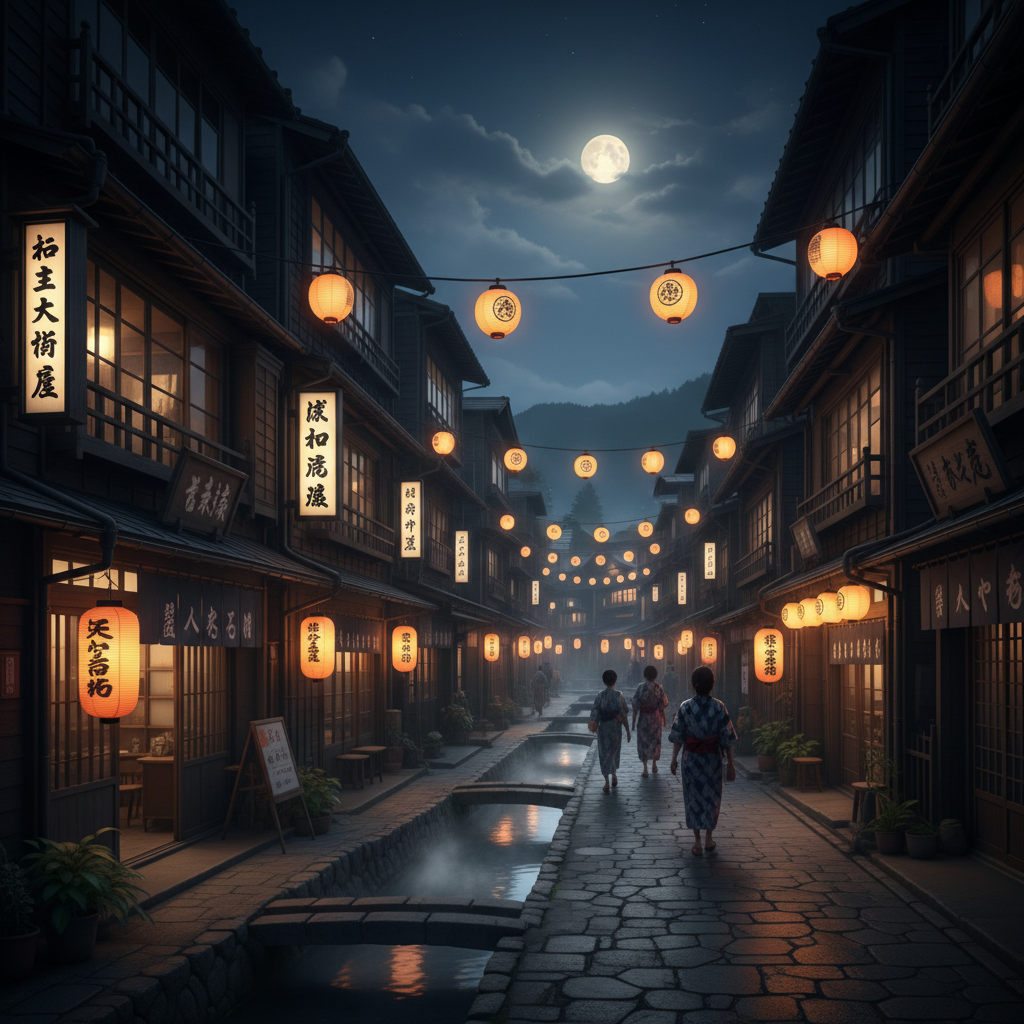
Doro-onsen, Shugendo, Onsen-gai, Retro – The Philosophy of Driving in Japan
As a former Kintetsu train conductor, I’ve spent countless hours traversing Japan’s intricate railway networks, witnessing the country’s beauty through the tempered glass of a locomotive. From my unique vantage point, I can tell you this: while Japan’s trains are a marvel of efficiency and punctuality, they are merely a glimpse into the heart of this ancient land. For the true adventurer, the soul-seeker, and the discerning traveler yearning to peel back the layers of the conventional, the train simply cannot compete with the raw, unfiltered experience of the open road.
Why choose a car over Japan's celebrated rail system, you ask? Because the train follows a predetermined path, a fixed trajectory. It delivers you to the well-trodden, the easily accessible, the curated. But what about the misty valleys where ancient spirits whisper? What about the hidden ryokans nestled deep in forgotten mountains? What about the winding passes that challenge your driving prowess and reward you with vistas that steal your breath? These are the realms of "Secret Japan," territories inaccessible to the steel rails and the masses they carry. This is where the true magic lies, waiting for those bold enough to grasp the steering wheel.
Driving from Osaka, the vibrant heart of Kansai, offers an unparalleled gateway to this clandestine Japan. Osaka’s excellent highway network quickly dissolves the urban sprawl into stunning rural landscapes. Imagine, if you will, the hum of a finely tuned JDM engine – say, the iconic Subaru BRZ or Toyota 86 – as you leave the city lights behind. The road becomes a canvas, and you, the artist, painting your own unique journey. No rigid timetables, no crowded platforms, just the boundless freedom to follow your intuition, to stop at that quaint village that catches your eye, or to chase a sunset over a mountain ridge. This is the essence of discovery, the thrill of carving your own path through a land rich with untold stories.
My years as a conductor instilled in me a deep appreciation for precision and the art of travel. But it was my subsequent journeys, crisscrossing the entire archipelago in my own vehicles, that truly opened my eyes to the profound connection one can forge with Japan through its roads. It’s a connection born of effort, of navigating unfamiliar terrain, of engaging with local communities far removed from the tourist hubs. It’s about the subtle shift in air quality as you ascend a mountain pass, the distinctive aroma of cedar forests, the unexpected kindness of a local farmer, or the sudden revelation of a hidden waterfall. These are not experiences curated for you; they are earned, personal, and profoundly authentic. The car is not just transportation; it is your vessel of exploration, your key to unlocking the soul of a nation that reveals its deepest secrets only to those who seek them beyond the tracks.
Doro-onsen, Shugendo, Onsen-gai, Retro – The 2-Day Itinerary: Deep Dive

Day 1: From Osaka's Pulse to the Mystical Foothills of Shugendo
08:00 AM – The Grand Departure: Osaka City Centre
The morning air in Osaka crackles with anticipation. Your chariot awaits: a gleaming Toyota 86 or Subaru BRZ, its manual transmission a promise of exhilarating engagement. The car sits low, purposeful, its sports seats beckoning you to slide in. A quick turn of the key, and the Boxer engine awakens with a satisfying burble – a mechanical heartbeat ready for adventure. As you pull out of the city, the urban symphony of traffic gradually gives way to the smooth hum of the highway. The drive itself begins to weave its magic, preparing you for the profound journey ahead. Our target: Doro-onsen, deep within Nara Prefecture, a place steeped in history, spirituality, and timeless charm.
08:30 AM – Expressway Exhilaration: Hanshin Expressway & Kinki Expressway
Mergers onto the Hanshin Expressway are swift, transitioning into the Kinki Expressway. The 86/BRZ comes alive, its precise steering and responsive throttle making light work of the city bypass. This initial stretch is about shedding the city's skin, feeling the machine become an extension of your will. The concrete jungle slowly morphs into verdant hills, a prelude to the dramatic landscapes awaiting you. The engine note is a constant, reassuring companion, a mechanical orchestra accompanying your escape.
09:30 AM – Entering Nara: Meihan National Highway
As we transition onto the Meihan National Highway (Route 25), the pace subtly changes. This isn't just about speed; it's about flow. The roads begin to curve gently, foreshadowing the exhilarating mountain passes to come. The landscape starts to breathe, rice paddies stretching out, ancient farmhouses dotting the hillsides. You’re leaving the modern world behind, heading into a realm where time seems to slow. The BRZ's suspension handles these undulating roads with graceful precision, communicating every nuance of the tarmac through the steering wheel.
10:30 AM – The Approach to Yoshino: Route 169 & Route 370
Now, the real driving adventure begins. You’ll peel off the major routes and delve into the heart of Nara’s mountains. Route 169 and Route 370 are your arteries into Yoshino’s breathtaking terrain. The roads narrow, the corners tighten, and the gradients become more pronounced. This is where the 86 truly shines – its perfectly balanced chassis, short wheelbase, and rev-happy engine make every hairpin turn a dance of precision and control. The air, crisp and clean, filters through the vents. Towering cedar and cypress trees line the roads, their ancient branches forming natural arches overhead. This is the land of Yoshino, famed for its cherry blossoms, but equally captivating in any season with its deep spiritual roots.
Yoshino’s history is inextricably linked with Shugendo, the ascetic practice of mountain worship. This area is one of Japan's most sacred sites, a crucible where nature, spirituality, and legend intertwine. Geologically, these mountains are part of the Omine Range, characterized by their steep, rugged topography carved by millennia of erosion and tectonic activity. The dense forests and deep valleys have long provided the perfect secluded environment for the Yamabushi, the practitioners of Shugendo, to undertake their rigorous training. As you drive, you’re not just passing through scenery; you’re tracing paths trodden by countless pilgrims and ascetics for over a thousand years.
11:30 AM – First Glimpse of Omine: Sacred Peaks and Ancient Air
While our ultimate destination is Doro-onsen, the journey takes us through the periphery of the Omine mountain range, the spiritual heartland of Shugendo. Even from the road, the sheer scale and ancient aura of these peaks are palpable. The air feels different here, charged with a sense of history and quiet reverence. The silence, broken only by the chirping of birds and the focused thrum of your 86, is profound. This is the raw, untamed Japan that public transport can only skirt around. The road itself becomes a meditation, a winding ribbon of asphalt that guides you deeper into this spiritual landscape. You might catch a glimpse of a small, weather-beaten shrine tucked into a rocky outcrop, a silent testament to centuries of devotion.
12:30 PM – Mountain Lunch: A Local Delicacy Stop
By now, the mountain air and engaging drive will have sharpened your appetite. Keep an eye out for small, unassuming eateries known as shokudo along the provincial roads. These are not tourist traps but genuine local spots. Pull over the BRZ, its engine ticking softly as it cools. Step inside for a taste of authentic mountain fare. Perhaps Kakinoha-zushi, sushi wrapped in persimmon leaves, a Nara specialty, or a comforting bowl of udon or soba with locally foraged mountain vegetables. The flavors are simple, pure, and deeply satisfying, echoing the purity of the surrounding environment. The timber interiors and warm greetings from the proprietors add to the retro charm, a perfect pause before continuing your adventure.
01:30 PM – The Descent to Doro-onsen: Gateway to Another Era
With renewed energy, you embark on the final stretch towards Doro-onsen. This is perhaps the most captivating part of the drive. The road descends into a narrow valley, following the winding course of a pristine mountain river. The asphalt ribbons through dense forests, sometimes tunnelling under natural rock formations, other times hugging sheer cliffs. The curves become more intricate, demanding your full attention. The 86/BRZ responds intuitively, its short throws and direct steering making every downshift and corner exit a joy. You can feel the car working with you, a symbiotic extension of your driving intent. The engine growls satisfyingly as you manage your speed, rev-matching through the gears. The air grows slightly humid, carrying the faint, earthy scent of ancient moss and mineral-rich spring water.
Suddenly, as you round a final bend, the valley opens just enough to reveal Doro-onsen. It’s like stepping through a portal. The village is nestled along the river, its traditional wooden ryokans and shops lining a narrow, atmospheric street. The architecture speaks of a bygone era – dark timber, latticed windows, paper lanterns swaying gently in the breeze. This isn't just a retro aesthetic; it's a living, breathing piece of history. The steam rising faintly from various onsen sources paints a mystical picture, especially on a cooler day. The vibrant greens of the surrounding mountains contrast beautifully with the muted, earthy tones of the village buildings. Park your 86, the mechanical symphony now replaced by the gentle murmur of the river and the distant echoes of local life.
02:30 PM – Check-in and First Impressions: Doro-onsen Onsen-gai
Check into your chosen ryokan. Many establishments in Doro-onsen boast a rustic, traditional charm, offering a genuine taste of old Japan. The interiors often feature tatami mat rooms, futon bedding, and paper screen doors, transporting you away from modern distractions. Take a moment to simply exist within this timeless setting. Then, it's time to explore the Onsen-gai (hot spring town). This compact, charming street is the heart of Doro-onsen. Stroll along, taking in the unique atmosphere. You’ll notice the communal onsen, some public footbaths, and small souvenir shops selling local crafts and sweets. The pace here is unhurried, inviting contemplation and relaxation. The geological origins of Doro-onsen's springs are fascinating, bubbling up from deep within the earth, rich in minerals that locals have cherished for centuries for their therapeutic properties. These are not just any hot springs; they are a vital part of the area's cultural and spiritual identity.
04:00 PM – The Onsen Experience: Purification and Relaxation
No visit to Doro-onsen is complete without indulging in the onsen experience itself. After a long drive, there’s nothing quite like slipping into the hot, mineral-rich waters. The sensation is immediate – the heat penetrating tired muscles, the minerals soothing the skin. Close your eyes and let the warmth envelop you. In Doro-onsen, the onsen are often a mix of indoor and outdoor baths, some offering views of the surrounding mountains and river. This ritual is not just about cleanliness; it's a profound act of purification, a spiritual cleansing that aligns perfectly with the Shugendo traditions of the region. The silence, broken only by the gentle lapping of water, allows for a deep sense of peace. The colors of the bathhouse, the steam, the faint scent of sulfur – it all combines into a truly immersive, primal experience.
06:00 PM – Kaiseki Dinner: A Culinary Journey
After your rejuvenating bath, prepare for a traditional kaiseki dinner at your ryokan. This multi-course meal is an art form, a symphony of flavors, textures, and visual aesthetics. Each dish is meticulously prepared, often showcasing seasonal local ingredients. Expect fresh river fish, mountain vegetables, perhaps some local venison or wild boar, all presented with exquisite care. The delicate balance of sweet, savory, sour, and umami dances on your palate. Paired with local sake or plum wine, it's a culinary journey that reflects the bounty of the surrounding nature. The soft lighting of the dining room, the attentive service, and the quiet ambiance enhance the entire experience, making it a memorable highlight of your trip.
08:00 PM – Evening Stroll: Retro Charm Under the Stars
As night falls, Doro-onsen transforms. The streetlights cast a warm, nostalgic glow on the wooden buildings. Paper lanterns illuminate the narrow lanes, creating an almost cinematic retro atmosphere. Take another stroll through the onsen-gai. The air is cool and fresh, carrying the faint scent of woodsmoke and sulfur. The quiet murmuring of the river provides a soothing soundtrack. You might spot locals enjoying a nightcap at a small izakaya, or hear the distant laughter from a ryokan. This is the Japan you imagined, a place untouched by the relentless pace of modernity. The simplicity, the beauty, the profound sense of peace – it’s an immersive experience that deepens your appreciation for this hidden gem. The absence of city noise allows the stars to truly sparkle, a celestial tapestry above the ancient mountains.
09:30 PM – Relaxation & Reflection
Return to your ryokan, perhaps for a final soak in the onsen, or simply to relax in your tatami room. Reflect on the day's journey – the thrilling drive, the stunning landscapes, the spiritual aura of Omine, and the timeless charm of Doro-onsen. The quiet anticipation of tomorrow's exploration of Shugendo's deeper roots fills the air. Drift off to sleep on your comfortable futon, the sounds of the mountain night your lullaby.
Day 2: Delving into Shugendo, Retro Exploration, and the Thrill of the Return Drive
07:00 AM – Sunrise & Morning Onsen
Wake with the rising sun, its golden rays filtering through the mountain mist. The morning air is invigorating. Start your day with another refreshing dip in the onsen. The morning bath is a different experience from the evening one – quiet, contemplative, preparing you for the day ahead. The mineral waters feel even more potent, a gentle awakening for both body and spirit.
08:00 AM – Traditional Japanese Breakfast
Enjoy a traditional Japanese breakfast at your ryokan. This typically includes grilled fish, rice, miso soup, pickles, and various small side dishes. It's a light yet nourishing meal, perfectly designed to provide sustained energy for a day of exploration. The simplicity and freshness of the ingredients are a stark contrast to Western breakfasts, offering another authentic cultural experience.
09:00 AM – Shugendo's Sacred Heart: Ryusen-ji Temple & Surrounding Trails
After breakfast, it’s time to truly immerse yourself in the spiritual essence of Doro-onsen. A short walk or drive (if venturing to trailheads slightly further afield) will bring you to Ryusen-ji Temple. This ancient temple, nestled against the mountainside, is one of the most important centers for Shugendo practice in Japan. Its history dates back over 1,300 years, founded by En no Gyoja, the legendary patriarch of Shugendo. The temple grounds are imbued with a palpable sense of reverence. The main hall, carved into the natural rock, feels like a sacred cave. The clear, spring-fed ponds within the temple complex, believed to possess purifying powers, are a sight to behold. You might witness Yamabushi monks performing rituals or ablutions in the icy waters, a testament to their unwavering discipline. The air here is thick with history, the scent of incense, and the silent prayers of countless generations. The geological features surrounding the temple, with dramatic rock formations and ancient trees, underscore the integral connection between Shugendo and the rugged mountain environment it embraces.
Take time to explore the immediate trails around Ryusen-ji. These are not arduous hikes but offer glimpses into the spiritual training grounds. The paths are often marked by small stone altars or Jizo statues, symbols of protection for travelers and children. The moss-covered stones, the ancient cedars, and the gentle murmur of unseen streams create an atmosphere of profound tranquility. This walk is not just physical; it's a meditative journey, allowing you to connect with the deep spiritual energy of the Omine mountains. Imagine the Yamabushi, dressed in their distinctive white robes and horned caps, ascending these very paths in pursuit of enlightenment and communion with nature's deities. The vivid colors of the forest – emerald moss, dark green leaves, the occasional flash of a bright wildflower – are almost overwhelming in their natural beauty.
11:00 AM – Retro Town Exploration & Local Crafts
Return to the main onsen-gai for a more leisurely exploration. By daylight, the retro charm of Doro-onsen truly shines. The narrow street, free of modern distractions, feels like a movie set from Showa-era Japan. Pop into some of the small, family-run shops. You might find traditional wooden handicrafts, local sweets made with mountain ingredients, or unique onsen-related souvenirs. Engage with the shopkeepers; their stories are as rich as the history of the town. Many of these establishments have been run by the same families for generations. You’ll notice the details – the fading paint on a signboard, the antique weighing scales, the scent of freshly brewed tea. This isn't a forced theme park; it's authentic, living history. It's a testament to a simpler time, preserved within this secluded mountain valley. The soft light filtering through the shoji screens of the shops, the warmth of the wooden floors, and the friendly chatter of locals create an inviting, comforting ambiance.
12:30 PM – Farewell Lunch: Savoring Local Flavors One Last Time
For your final meal in Doro-onsen, choose another local eatery. Perhaps try ayu (sweetfish) grilled over charcoal, a delicacy of mountain rivers, or a hearty bowl of tempura featuring local wild vegetables. Savor the flavors, soaking in the last moments of this tranquil haven. This is not just sustenance; it’s a final taste of the region’s unique culinary identity, a fond farewell to the local ingredients that have nourished generations in this valley. The taste of fresh river fish, slightly smoky from the grill, will linger long after you depart.
01:30 PM – The Thrill of the Return Journey: The Road Beckons Again
With a refreshed spirit and a full heart, it’s time to retrieve your 86/BRZ. As you fire up the engine, a familiar thrill returns. The car, now a trusted companion, seems eager for the winding roads ahead. The journey back is not merely a reverse of the outward trip; it’s an opportunity to experience the magnificent mountain passes from a different perspective, with new eyes and a deeper appreciation. The 86/BRZ's precise handling allows you to carve through the corners with confidence, the engine singing through its rev range as you accelerate out of each bend. The views, perhaps obscured by morning mist on the way in, might now be bathed in afternoon sun, revealing new layers of beauty. You’ll find yourself pushing the car a little more, exploring its limits and your own driving skills in a safe, exhilarating manner. This is the pure joy of JDM driving – the connection between driver, machine, and the breathtaking Japanese landscape.
As you ascend out of the Doro-onsen valley, you'll feel the engine working, pulling you up steep inclines with satisfying torque. The exhaust note, a finely tuned instrument, reverberates off the rock faces, a private concert for you and the mountains. You might try a slightly different route for variety, or simply revel in the familiarity of the roads you've already conquered. Each curve, each gradient, each straightaway offers a chance to refine your driving technique, to feel the car's balance and responsiveness. The shift of weight through corners, the feedback from the steering wheel, the satisfaction of a perfectly executed heel-toe downshift – these are the moments that elevate a simple drive into an unforgettable adventure. The colors of the mountain afternoon, the play of light and shadow on the ancient forests, and the vastness of the sky above create a truly immersive sensory experience.
03:30 PM – Scenic Stop & Reflection: A Hidden Viewpoint
As you retrace your path through the mountains, keep an eye out for a small, unmarked pull-off or viewpoint. It's often at these unassuming spots that you discover the most breathtaking panoramic vistas. Pull over the BRZ, kill the engine, and step out. The silence is profound, punctuated only by the whisper of the wind through the trees. Look back at the mountains you’ve traversed, a patchwork of greens, browns, and grays stretching to the horizon. This moment of quiet reflection allows you to fully absorb the scale and majesty of the Japanese Alps. It's a poignant reminder of the journey you've undertaken, a secret moment shared only with the mountains and your JDM companion.
05:00 PM – Transition to Highway: Farewell to the Winding Roads
Gradually, the winding mountain roads give way to wider, faster provincial routes, eventually leading you back to the Meihan National Highway. The transition is smooth, signaling your return towards civilization. The 86/BRZ effortlessly adapts, its cruising capabilities just as impressive as its cornering prowess. The sun begins its slow descent, painting the sky in fiery hues of orange and purple, a spectacular farewell to the day.
06:00 PM – Expressway Homeward Bound: Kinki & Hanshin Expressway
Back on the expressways, the journey is swift. The lights of Osaka begin to twinkle in the distance, a beacon drawing you back to the bustling metropolis. The BRZ cruises effortlessly, its engine now a contented hum after a day of spirited driving. You can reflect on the profound contrasts – from the ancient, spiritual tranquility of Doro-onsen to the modern vibrancy of Osaka. The memories of winding roads, steaming onsen, and mystical temples are now etched into your mind, a testament to the power of a JDM road trip.
07:00 PM – Arrival in Osaka: Mission Accomplished
Arrive back in Osaka, perhaps just as the city truly comes alive with neon lights and vibrant energy. You’ve not just driven a car; you’ve navigated a journey through time and culture, unearthed a hidden Japan, and experienced the unparalleled joy of driving a legendary JDM machine. The 86/BRZ, having performed flawlessly, sits quietly, a testament to the adventure it has enabled. The engine cools, emitting soft metallic ticks, a final lullaby to an extraordinary journey.
Doro-onsen, Shugendo, Onsen-gai, Retro – Expert Advice & Cultural Nuances
Navigating Japan by car is an art form, a dance with the landscape and its unique cultural rhythm. My years traversing this beautiful country, both on rail and road, have endowed me with insights I’m eager to share, especially for those venturing off the beaten path to places like Doro-onsen.
The Michi-no-Eki Phenomenon: More Than Just a Rest Stop
Forget the mundane service stations of other countries. Japan's "Michi-no-Eki" (Roadside Stations) are cultural hubs, mini-destinations in themselves. As you pilot your 86/BRZ through the countryside, these stations offer far more than just restrooms and gas. Each Michi-no-Eki is a showcase for local produce, crafts, and cuisine. You’ll find farmers selling freshly picked vegetables, artisanal snacks unique to that region, and often a restaurant serving delicious, authentic local dishes at incredibly reasonable prices. It’s an opportunity to taste the true flavors of Japan, directly from the source. Look for seasonal fruit, regional sweets like mochi variations, or even local sake and craft beer. These stops are perfect for stretching your legs, grabbing a unique souvenir, and experiencing a slice of genuine Japanese rural life. They are often nestled in scenic spots, offering beautiful views or access to local attractions. Don't rush them; they are an integral part of the Japanese road trip experience.
Unearthing Hidden Gems: Where the Locals Eat and Explore
The secret to authentic travel in Japan lies in going where the locals go. In regions like Doro-onsen, this means looking beyond the main tourist areas. My advice: when you stop at a Michi-no-Eki or a small town, venture a block or two off the main road. Look for establishments that seem unassuming, perhaps with a handwritten sign or a queue of local vehicles parked outside. These are often the hidden gems – family-run restaurants serving recipes passed down for generations, or small shops specializing in local products that you won’t find anywhere else. Don't be afraid to try a "set meal" (定食, teishoku); it’s usually a comprehensive, delicious, and affordable way to sample local fare. Similarly, ask your ryokan hosts for recommendations on local walking trails or scenic spots that aren't in the guidebooks. Their insights are invaluable, revealing perspectives only known to those who call these places home. This deep engagement with local culture enriches your journey far beyond any conventional tourist experience.
Driving Etiquette & Safety on Japan's Roads
While driving a JDM car like the BRZ on Japan’s roads is an absolute pleasure, it comes with a few unique considerations:
- Left-Hand Driving: Japan drives on the left. This might take some adjustment if you’re from a right-hand driving country. Give yourself time, especially with roundabouts and turns. The BRZ's direct steering and excellent visibility will assist you greatly.
- Speed Limits: Japan’s speed limits are generally lower than in many Western countries (e.g., 80-100 km/h on expressways, 40-60 km/h on general roads). Enforcement is diligent, often with radar cameras, so adhere strictly to the posted limits. Enjoy the journey, not just the speed.
- Politeness and Patience: Japanese drivers are generally courteous and patient. Aggressive driving is rare and frowned upon. Be prepared for cars to merge smoothly, and always yield when appropriate. Waving a quick "thank you" (軽く会釈, karuku eshaku) is a common gesture.
- Mountain Roads: The winding roads to Doro-onsen are incredibly fun in an 86/BRZ, but they demand respect. Watch for sharp blind turns, falling rocks, and occasional wildlife. Use your mirrors frequently and be prepared for oncoming traffic in narrow sections. The BRZ's powerful brakes and precise steering make these roads a joy, but always drive within your limits.
- Parking: In older towns like Doro-onsen, parking can be limited. Look for designated public parking lots (often signposted with 駐車場, chūshajō). Avoid parking on narrow streets where you might obstruct traffic or pedestrians.
- Navigation: Japanese car navigation systems are excellent, but ensure you input your destination by phone number or map code (if available) for greater accuracy. English options are usually available.
By respecting these nuances, you not only ensure a safer journey but also gain a deeper appreciation for the Japanese way of life. The 86/BRZ, with its driver-focused design, makes these considerations less of a chore and more of an engaging part of the adventure.
Doro-onsen, Shugendo, Onsen-gai, Retro – Detailed Logistics & Pre-Trip Tips
Embarking on a JDM road trip in Japan, especially to a secluded destination like Doro-onsen, requires a bit of foresight. As someone who has spent years on these roads and now runs a specialized rental business, I can offer precise, up-to-the-minute advice for your 2026 adventure.
Current Traffic & Road Conditions (2026 Perspective)
Japan's road infrastructure is world-class, but like any country, traffic patterns evolve. As of 2026, major expressways around Osaka can still see congestion during peak hours (e.g., 7-9 AM and 5-7 PM on weekdays, and holiday weekends). Planning your departure from Osaka for earlier mornings (before 8 AM) or mid-morning (after 9:30 AM) is advisable to avoid the worst of it. The routes into Nara's mountains are generally clear, but expect slower speeds due to winding terrain. Road construction is common but well-managed, with clear signage. Always check real-time traffic updates via your car's navigation system or smartphone apps before setting off, especially if traveling during major holiday periods like Golden Week or Obon.
ETC Card System: Your Expressway Passport
The Electronic Toll Collection (ETC) system is an absolute must-have for seamless travel on Japan's expressways. Trying to pay tolls manually at every gate is tedious and time-consuming. An ETC card, usually rented with your vehicle, is inserted into a reader in your 86/BRZ. As you pass through ETC gates, the system automatically deducts the toll, often at a discounted rate compared to cash payments. It's incredibly efficient. Look for the green ETC lanes at tollbooths; do not enter the blue "cash" lanes. Ensure your rental company provides an ETC card. Without it, you’ll be fumbling for change and holding up traffic, diminishing the fluidity of your JDM experience.
Japanese Gas Stations: The "Mantan" Experience
Japanese gas stations are a unique experience, especially if you’re used to self-service. Many stations (particularly in rural areas) are full-service, a delightful throwback to a bygone era. When you pull up, a uniformed attendant will greet you with enthusiasm. Here’s a quick guide to common phrases:
- "Mantan onegai shimasu." (満タンお願いします): "Full tank, please." This is your go-to phrase.
- "Regyurā? Haioku?" (レギュラー?ハイオク?): "Regular? High Octane?" For your 86/BRZ, you’ll likely need "Haioku" (ハイオク) or Premium. Confirm with your rental company.
- "O-sōji mo onegai shimasu." (お掃除もお願いします): "Please clean the windows too." They will often do this automatically, but it’s a nice option.
Attendants will often clean your windows, check your tire pressure, and guide you back into traffic with flags and bows. It's a level of service rarely seen elsewhere and adds to the charm of driving in Japan. Be mindful of one-way flows within stations and follow the attendants’ directions. The crisp smell of gasoline, the precise movements of the staff, and the vibrant colors of the pumps add another sensory layer to your journey with the BRZ.
Parking Mastery in Retro Towns
Parking in older, traditional towns like Doro-onsen can be tight. Streets are often narrow, designed for foot traffic and smaller vehicles. When you arrive, prioritize finding designated public parking lots, usually marked with blue signs and the Kanji 駐車場 (chūshajō). These are often paid, but reasonably priced. Avoid parking haphazardly on residential streets, as this can impede local traffic and lead to fines or towing. Your 86/BRZ, while sporty, is relatively compact, making it easier to maneuver into smaller spaces. Practice your reverse parking; it's a valuable skill here. Some ryokans may offer limited private parking, so inquire when booking. The satisfaction of slotting your JDM pride and joy perfectly into a challenging spot is a minor victory in itself.
The Exhilaration of Driving a JDM (MT) Car
This is where the rubber meets the road, quite literally. Driving a manual transmission JDM car like the 86 or BRZ in Japan is not just transport; it’s an experience. The immediate connection you feel with the machine is unparalleled. The short-throw shifter, the perfectly weighted clutch, the direct feedback from the steering wheel – every input elicits a precise, immediate response. On the winding roads to Doro-onsen, this connection intensifies. You feel the engine’s power building as you rev-match on downshifts, the satisfying click as the gear engages, the surge of acceleration as you power out of a corner. It’s a dance, a dialogue between you and the car. This isn’t a passive journey; it’s an active, engaging adventure where you are truly at one with the road, the car, and the stunning Japanese landscape. The crisp exhaust note, a symphony of internal combustion, is your constant, thrilling companion, especially when echoing off the mountain valleys. It’s a sensory feast that defines the ultimate Japan road trip.
Doro-onsen, Shugendo, Onsen-gai, Retro – Comprehensive FAQ
Planning an international road trip always brings questions. Here are some of the most common concerns for travelers looking to experience Japan by JDM:
Q: Do I need an International Driving Permit (IDP) to drive in Japan?
A: Yes, absolutely. An International Driving Permit (IDP) is mandatory for foreign visitors wishing to drive in Japan. You must also carry your original driving license from your home country, along with your passport. The IDP itself is not a standalone license; it's a translation of your home country's license into multiple languages, conforming to the 1949 Geneva Convention. Not all countries are signatories to the 1949 convention, so please confirm your country is eligible. If your home country's license is from a country that signed the 1968 Vienna Convention instead, or if it is from France, Germany, Switzerland, Belgium, Taiwan, or Monaco, you may require a certified Japanese translation of your license in addition to your original license and passport. This translation can be obtained from the Japan Automobile Federation (JAF) or your country's embassy/consulate in Japan. Always check the specific requirements for your nationality well in advance of your trip.
Q: What about insurance for the rental car?
A: When renting a car in Japan, comprehensive insurance is highly recommended. Most reputable rental companies, like those specializing in JDM vehicles, will offer various levels of coverage. Basic liability insurance is usually included, but I strongly advise opting for additional coverage that minimizes your deductible (CDW - Collision Damage Waiver). This protects you financially in case of an accident or damage to the vehicle. Read the terms carefully, and don't hesitate to ask your rental provider for a detailed explanation of what is covered and any exclusions. Peace of mind is priceless on a road trip.
Q: I'm a bit nervous about driving a manual transmission (MT) car. Is it difficult?
A: While driving an MT car requires more active engagement than an automatic, it’s incredibly rewarding, especially with a well-balanced machine like the 86 or BRZ. If you have some previous experience with MT, even if it's rusty, you'll quickly re-acclimatize. The clutches on these cars are generally forgiving, and the shifters are precise. Japanese roads are typically well-maintained, and traffic is orderly, providing a good environment to regain your confidence. However, if you have absolutely no experience with MT, I would recommend gaining some practice before your trip, or considering if an automatic option (if available) would be more suitable for your first Japan road trip. The aim is enjoyment, not stress.
Q: What are the winter road conditions like in the Doro-onsen area?
A: The Doro-onsen area, being in the mountains of Nara, can experience significant snowfall during winter months (typically December to March). Roads leading into the valley may become icy or snow-covered. During these periods, snow tires (スタッドレスタイヤ, studless tire) or even snow chains (タイヤチェーン, tire chain) become essential and are legally required on certain routes. If you plan a winter trip, it is crucial to confirm with your rental provider that the vehicle will be equipped appropriately for snowy conditions. Many rental companies will fit snow tires for an additional fee during winter. Always check local weather forecasts and road conditions before heading into mountainous regions in winter.
Doro-onsen, Shugendo, Onsen-gai, Retro – The Final Call: CTA
You’ve read the words, you’ve pictured the journey, you’ve felt the virtual hum of the engine. Now, the call of the road, the whisper of ancient spirits in the mountains, and the promise of an unparalleled adventure in Japan’s hidden heart beckon. This isn't just a trip; it's an immersion, a challenge, a profound connection with a country that reveals its true self only to those who seek it with open minds and a sense of daring.
Imagine yourself behind the wheel of a meticulously maintained, performance-tuned Toyota 86 or Subaru BRZ, the engine responding to your every command, carving through winding mountain passes that lead to a timeless onsen town. Picture the steam rising from a traditional bath, washing away the stresses of the modern world, as you reflect on the spiritual depths of Shugendo. Envision the serene retro streets of Doro-onsen, a living museum of Japanese history, all discovered on your terms, at your pace, in your chosen JDM machine.
The conventional path offers comfort, but true adventure lies beyond. This is your chance to break free from the tourist circuit, to experience Japan not as a spectator, but as an active participant in an epic road trip. Don’t just dream about Secret Japan; drive it. Your JDM adventure, your connection to the soul of Japan, begins now.
For the ultimate JDM driving experience and to secure your legendary 86 or BRZ for this unforgettable journey, look no further than the experts. Head to the heart of Osaka and ignite your adventure:
Omoshiro Rent-a-car Osaka Chuo. Your road to discovery awaits.
