
Alright, listen up. You've seen the glossy brochures, the hurried train schedules, the throngs of tourists shuffling through Osaka Castle or Nara Park. And sure, there’s a certain efficiency, a bullet-train ballet to it all. I ought to know; for years, my life revolved around the precision of Kintetsu rail, the rhythmic click-clack of the tracks, the seamless flow of people from station to station. I lived and breathed that iron artery connecting Kansai. But I'm here to tell you, as a man who’s spent countless hours navigating those rails and even more traversing Japan’s forgotten asphalt ribbons in roaring JDM machines, that the true soul of Japan, the 'Secret Japan' you crave, simply cannot be accessed by train.
Think about it. A train follows a prescribed path, a steel leash binding it to the most populated, most convenient points. It whisks you past, a blur of rural beauty and local life, never allowing you to deviate, to explore that intriguing side road, to pull over at that inexplicable shrine tucked into a bamboo grove, or to simply pause and breathe in the crisp mountain air that carries the scent of pine and distant civilization. The train is a conduit; a car, especially a JDM sports car like a Subaru BRZ or Toyota 86, is an extension of your will, a direct connection to the raw, unfiltered landscape.
Osaka, our vibrant starting point, is a hub of energy, a dazzling symphony of neon and culinary delights. But its true magic lies not just within its city limits, but as the perfect springboard to unlock deeper adventures. From Osaka, the Kansai region unfurls like a magnificent scroll, revealing ancient capitals, mythical mountains, and coastal roads where the Pacific crashes against rugged cliffs. And it is in these liminal spaces, between the major cities and the well-trodden paths, that the essence of Japan truly resides. The charm of pulling into a tiny, unmarked izakaya where the proprietor eyes you with friendly curiosity, the exhilaration of carving through a winding mountain pass with the engine singing behind you, the serendipity of stumbling upon a village festival untouched by mass tourism – these are experiences exclusive to the road traveler.
This isn't just about getting from point A to point B. This is about the journey itself. It's about the feeling of the asphalt beneath the tires, the meticulous engineering of a Japanese car responding to your every input, the freedom to chase the sun or detour on a whim. It’s about understanding Japan not through a window at 200 km/h, but through the smells carried on the breeze, the textures of local landscapes, and the subtle shifts in culture that occur as you drive deeper into its heartland. Forget the predictable. Embrace the unknown. Because when you truly drive Japan, you don't just see the country; you become a part of its intricate tapestry. And for this particular pilgrimage, to the very cradle of Japan in Nara, the only way to truly connect with its ancient spirit is with the open road and a spirited JDM machine at your command.
Kashihara Jingu, Emperor Jimmu, Hatsumode, Nara-The 2-Day Itinerary: Deep Dive
Prepare yourselves, adventurers, for an immersive journey into the very soul of Japan. This isn't your average tourist trot; this is a meticulously crafted, two-day expedition designed to satiate your craving for authentic discovery, thrilling drives, and profound cultural connection. We're trading the predictable for the profound, the crowded for the contemplative, all from the exhilarating cockpit of a Subaru BRZ or Toyota 86. Our destination: Kashihara Jingu, the ancestral heartland of Japan, intertwined with the legends of Emperor Jimmu and the spiritual awakening of Hatsumode. This journey begins in the pulsating heart of Osaka and winds its way through time and tradition into the verdant embrace of Nara Prefecture.
Day 1: The Ascent to Ancient Origins
07:00 AM - 08:00 AM: Osaka Awakens & The Thrill of Departure
The urban symphony of Osaka is just stirring as we begin. The city’s energy, though muted by the early hour, is palpable. There's a particular kind of anticipation that hums through the air before a grand adventure. Your chosen chariot, a gleaming Subaru BRZ or Toyota 86, sits waiting, its low-slung profile promising exhilaration. As you settle into the supportive seats, the scent of leather and performance plastics fills the cabin. The manual gearbox feels natural, a direct extension of your intent. A twist of the key, and the Boxer engine awakens with a satisfying growl, a promise of the mechanical ballet to come. We’ll fuel up, grab a steaming can of coffee from a convenience store – a classic Japanese road trip ritual – and set our sights east, towards the ancient lands of Nara.
08:00 AM - 09:00 AM: Highway Overture – Osaka to Nara Prefecture
The initial push onto the expressway out of Osaka is a transition from urban sprawl to the structured efficiency of Japan’s highway network. The BRZ/86 stretches its legs, the engine revving cleanly as you accelerate onto the on-ramp. The smooth tarmac beneath you is a stark contrast to the city streets, and the surrounding scenery begins its subtle transformation. High-rise buildings gradually give way to a more undulating landscape, framed by distant, mist-shrouded hills that signal our approach to Nara. The thrill of being in control of a precise machine, the satisfying click of each gear change, makes even the expressway a joy. Keep an eye out for the vibrant green of rice paddies appearing in the valleys, a gentle reminder that you’re leaving the concrete jungle behind.
09:00 AM - 10:00 AM: Winding Through History – Approaching Kashihara
Leaving the main expressway, we transition onto narrower prefectural roads that begin to climb and wind through the foothills of Nara. This is where the BRZ/86 truly comes alive. The steering, direct and responsive, communicates every nuance of the road surface. The geological features of this region are subtly fascinating; you're driving over ground that has witnessed millennia of history, shaped by ancient volcanic activity and the slow dance of tectonic plates. The roads here are less about brute speed and more about elegant flow, challenging you to find the perfect line through each corner. The engine note, a refined growl, becomes a companion. As we delve deeper, the air grows crisper, cleaner. The scenery shifts from scattered rural homes to dense forests of cedar and cypress, occasionally opening up to reveal panoramic vistas of the Yamato Plain, the very birthplace of the Japanese nation. The sense of anticipation builds with every perfectly executed corner.
10:00 AM - 12:00 PM: Kashihara Jingu – The Cradle of Japan
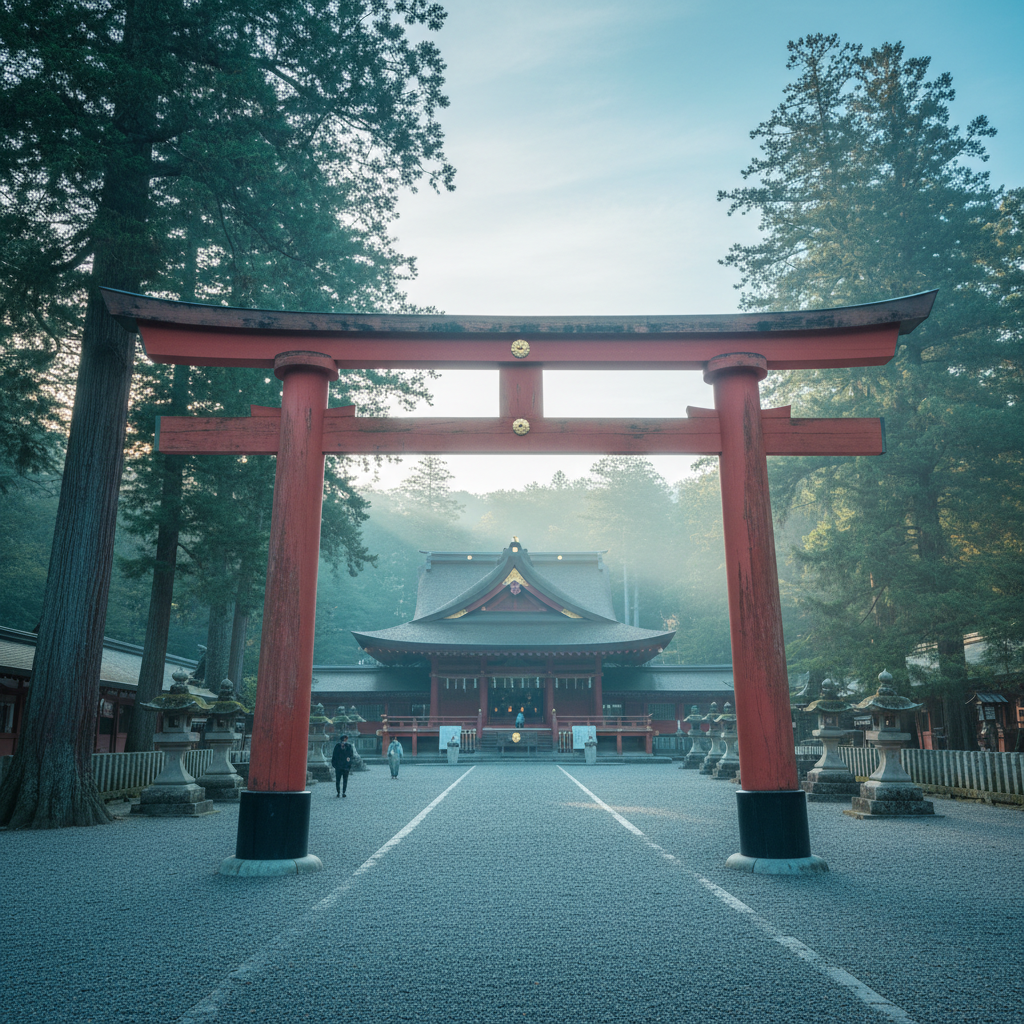
Finally, the moment arrives. We pull into the spacious parking area of Kashihara Jingu, the BRZ/86 settling with a soft sigh of cooling metal. The sheer scale of the approach to the shrine is breathtaking. You’ll walk through massive torii gates, each a monumental statement of faith and history, that dwarf visitors and mark the transition from the secular to the sacred. The long, gravel path leading to the main shrine buildings is meticulously maintained, the crunch of your footsteps a quiet accompaniment to the rustling of ancient trees. The air here is imbued with a profound sense of history, a spiritual weight that settles upon you. Kashihara Jingu is dedicated to Emperor Jimmu, Japan's mythical first emperor, who is said to have ascended the throne here in 660 BC. This isn't just a shrine; it's the symbolic starting point of the Japanese nation.
The architecture is grand yet understated, primarily constructed from cypress wood, with sweeping roofs and intricate joinery that showcase traditional Japanese craftsmanship at its finest. The vibrant vermillion and pristine white elements contrast beautifully with the deep greens of the surrounding forest. Spend time wandering the expansive grounds, taking in the serene atmosphere. Visit the Goshinkan (main hall), bow reverently, and reflect on the millennia of history that have unfolded on this very spot. The surrounding forest, part of the extensive Kashihara Shrine Forest, feels ancient, almost primeval. It’s a place where time seems to slow, allowing for true introspection and connection to Japan’s foundational myths. The quiet dignity of the place resonates deeply, a powerful antidote to the rush of modern life.
12:00 PM - 01:30 PM: A Taste of Yamato – Local Lunch Experience
After immersing ourselves in ancient history, it’s time to nourish the body. We’ll venture a short drive from Kashihara Jingu to a local eatery known for its authentic Nara cuisine. Forget the chain restaurants; we're seeking out a small, unassuming place that caters primarily to locals. Imagine sliding open a wooden door, the scent of dashi and freshly cooked rice wafting out. Inside, the decor is simple, perhaps a few tatami rooms, the low murmur of conversation creating a cozy ambiance. Here, you’ll savor the delicate flavors of kakinoha sushi (persimmon leaf sushi), where mackerel or salmon is pressed onto rice and wrapped in a persimmon leaf, imparting a subtle, earthy fragrance. Or perhaps a bowl of steaming somen noodles, light yet deeply flavorful, served with fresh seasonal vegetables. The taste is pure, unpretentious, a reflection of the region’s bounty. Each bite tells a story of local ingredients and generations of culinary tradition, a true sensory delight that grounds you firmly in the present moment amidst this historical landscape.
01:30 PM - 04:30 PM: Unveiling Hidden Echoes – Around Kashihara & Asuka Village
With renewed energy, we take the BRZ/86 to explore the surrounding historical landscape, an area often overlooked by visitors who stick to the main shrine. The roads here are a delightful mix of narrow village lanes and gentle ascents, perfect for appreciating the car's agile handling. Our destination is Asuka Village, considered the first permanent capital of Japan, predating Nara and Kyoto. It's an open-air museum of ancient Japan, dotted with intriguing archaeological sites and unique stone monuments. The drive itself is part of the experience; the winding paths are lined with traditional Japanese homes, verdant fields, and small, unattended shrines. The BRZ/86 glides effortlessly, its precise steering making navigation a joy.
We'll seek out sites like the Ishibutai Kofun, a massive stone burial mound from the 7th century, its monumental stones creating a striking, almost mystical presence against the backdrop of the surrounding hills. Or perhaps the Takamatsuzuka Tumulus, famed for its colorful murals depicting celestial beings and court ladies, though typically viewed from the outside to protect the delicate artwork. The allure here is the quiet solitude, the tangible sense of stepping back in time without the crowds. You might stumble upon an ancient terraced rice paddy, still cultivated as it has been for centuries, reflecting the sky like a mirror. The joy is in the discovery, the feeling that you're uncovering secrets the mainstream misses, and the BRZ/86 provides the perfect, intimate vehicle for this kind of exploration. The engine hums a contented tune as you navigate the narrow roads, a direct conduit to the past.
04:30 PM - 06:00 PM: Scenic Drive to Secluded Sanctuary – Mountain Roads & Dusk
As the afternoon wanes, we embark on a scenic drive deeper into the lesser-known mountains surrounding Kashihara and Asuka, heading towards our accommodation for the night. This is where the BRZ/86 truly sings. The roads become more challenging, a symphony of tight hairpins and sweeping curves through dense, ancient forests. The engine's response is immediate, the manual transmission allowing you to perfectly match the gear to the gradient. The sound of the exhaust echoing off the mountainsides is pure exhilaration. The geological formations here are a marvel, the result of ancient tectonic shifts and millennia of erosion, creating dramatic valleys and peaks. The light takes on a golden hue as the sun begins its descent, casting long, ethereal shadows through the trees. The world outside the windows transforms into a canvas of deepening greens and oranges, punctuated by glimpses of distant valleys shrouded in soft, emerging mist. This drive isn't just transportation; it's a communion with the raw, untamed beauty of Japan, a meditative dance between man, machine, and nature.
06:00 PM - 08:00 PM: Ryokan Retreat & Kaiseki Symphony
Our destination for the night is a secluded ryokan, nestled discreetly amidst the hills, a true sanctuary away from the hustle. It's the kind of place you'd only find if you were driving and willing to venture off the beaten path. The BRZ/86, having delivered us faithfully through winding roads, sits proudly in the small parking area. Upon arrival, you'll be greeted with warm hospitality, ushered into your traditional Japanese room with tatami mats, futon bedding, and sliding shoji screens. There’s an immediate sense of peace. After a day of exploration, a soak in the ryokan's onsen (hot spring) is pure bliss. The mineral-rich water soothes tired muscles, and the steam carries away any lingering stress. The natural sounds of the forest replace urban noise, the quiet broken only by the chirping of insects or the gentle flow of a nearby stream. This is true relaxation.
Dinner will be an exquisite kaiseki meal, a multi-course culinary masterpiece that is as much an art form as it is sustenance. Each dish is meticulously prepared, using seasonal ingredients sourced from the local mountains and rivers. Imagine delicate sashimi, expertly sliced, its freshness bursting on your palate; grilled local fish, its skin perfectly crisp; tender vegetables simmered in dashi; and perhaps a regional specialty like wild boar hot pot, robust and deeply satisfying on a cool evening. The colors are vibrant, the textures varied, and the flavors nuanced, reflecting the bounty of Nara. Paired with local sake, it's a symphony for the senses, a celebration of Japanese gastronomy that transcends mere eating. The evening culminates in a quiet contemplation of the stars, visible with stunning clarity away from city lights, reflecting on the day’s profound discoveries.
Day 2: Spiritual Awakening & Driving Nirvana
07:00 AM - 08:00 AM: Dawn & Traditional Breakfast
Wake early to the gentle sounds of nature. If you're lucky, a soft mist might still cling to the mountain valleys, creating an ethereal scene. A traditional Japanese breakfast awaits: grilled fish, miso soup, fluffy rice, a variety of pickles, and perhaps a perfectly cooked tamagoyaki (rolled omelet). It's a nourishing and deeply satisfying start to the day, providing the quiet energy needed for another day of exploration. The crisp morning air invigorates, and the tranquility of the ryokan lingers, setting a peaceful tone.
08:00 AM - 10:00 AM: Hatsumode Spirit – Revisiting Kashihara Jingu or Exploring Omiwa Shrine
Even if it’s not New Year’s Day, the spirit of Hatsumode – the first shrine visit of the year – can be experienced anytime. It's about a fresh start, a moment of reflection and intention. We could choose to revisit Kashihara Jingu in the soft morning light, experiencing its grandeur with renewed clarity. Or, for a different spiritual perspective, we could take a short drive to Omiwa Shrine (Mount Miwa), one of Japan's oldest and most unique shrines, where the sacred object of worship is the mountain itself, rather than an edifice. The drive to Omiwa is gentle, through verdant countryside. This shrine offers a profoundly ancient and animistic form of Shinto worship, its reverence for nature palpable. Walking the peaceful paths, you'll feel the deep connection between the Japanese people and their land, a spiritual heritage stretching back into prehistory. The silence, broken only by birdsong, enhances the contemplative mood. It’s a powerful experience, shedding light on the fundamental beliefs that shaped Japan.
10:00 AM - 12:30 PM: The Path Less Traveled – Scenic Mountain Passes & Lake Takami
Now, for the serious driving enthusiast, we embark on a journey that truly showcases the capabilities of your BRZ/86 and the hidden beauty of Nara’s interior. We'll head towards the scenic roads around Lake Takami, an area less frequented by tourists but beloved by local drivers and outdoor enthusiasts. The roads here are a glorious tapestry of sweeping curves, tight switchbacks, and exhilarating elevation changes, all surrounded by dense, pristine forest. This is where the balance and agility of the BRZ/86 truly shine. Its low center of gravity and responsive chassis make carving through these turns an absolute joy. The engine, perfectly modulated by your manual shifts, responds crisply, its mechanical symphony rising and falling with each gear change. The scenery is magnificent: towering trees, occasional glimpses of distant peaks, and the serene, reflective surface of Lake Takami appearing through the foliage. Pull over at a designated viewpoint, take a deep breath, and soak in the panorama – the vibrant greens of summer, the fiery reds and golds of autumn, or the crisp, bare beauty of winter. This is driving nirvana, a profound connection between driver, machine, and the stunning natural environment. You’ll feel a sense of exhilaration that few other experiences can provide.
12:30 PM - 02:00 PM: Culinary Discovery – Lakeside Lunch or Forest Izakaya
After an exhilarating drive, a well-deserved lunch awaits. Depending on our route around Lake Takami, we’ll seek out another local gem. It could be a small restaurant with a view of the lake, serving freshwater fish dishes prepared with a regional flair, or perhaps a rustic izakaya tucked away in a small forest village, offering hearty comfort food. Imagine a simple but delicious meal of tempura made with local mountain vegetables, or a warming bowl of udon noodles with a rich broth, accompanied by a small glass of locally brewed sake or crisp green tea. The atmosphere will be relaxed, genuine, and welcoming, a place where you can unwind and savor the moment, surrounded by the quiet hum of local life. These are the moments that truly define 'Secret Japan,' the authentic tastes and genuine interactions that enrich your journey.
02:00 PM - 04:00 PM: The Return Leg – Reflections and Open Road
With our bellies full and our spirits soaring from the morning's adventures, it’s time to begin our relaxed journey back towards Osaka. This return leg isn't just about covering ground; it's about processing the profound experiences of the past two days. We'll choose a route that allows for more scenic driving, perhaps taking a different set of winding prefectural roads that offer new perspectives on the Nara landscape before rejoining the main expressway. The BRZ/86 continues to perform flawlessly, a reliable and engaging companion. The changing landscape as we transition from the ancient hills of Nara back to the sprawling urbanity of Osaka is a visual metaphor for our journey through time. The engine's steady hum is a comforting soundtrack to your thoughts, reflecting on the historical depths of Kashihara Jingu, the spiritual resonance of the Hatsumode experience, and the sheer joy of navigating Japan's hidden roads. The sense of accomplishment, of having truly explored beyond the usual tourist façade, is deeply satisfying. As the Osaka skyline gradually emerges on the horizon, bathed in the soft afternoon light, you'll carry with you not just memories, but a profound understanding of Japan's layered beauty, unveiled one thrilling mile at a time.
04:00 PM - 05:00 PM: Osaka Homecoming – The Final Drive
The final approach into Osaka is a seamless transition, the expressway guiding you back into the vibrant rhythm of the city. The BRZ/86 handles the urban traffic with ease, a testament to its versatility. As you navigate the familiar streets, the roar of the engine now tempered by city speed limits, you’ll feel a sense of triumphant homecoming. The journey may be nearing its end, but the memories, the sensations, the exhilarating connection to Japan's ancient past and its open roads, will linger long after you park the car. This isn't just a trip; it's an awakening, a testament to the power of exploration by your own rules, behind the wheel of a truly engaging machine.
Kashihara Jingu, Emperor Jimmu, Hatsumode, Nara-Expert Advice & Cultural Nuances

Having traversed the breadth of Japan countless times, first by rail and then by road, I've gathered a wealth of insider knowledge that can transform your driving adventure from merely good to absolutely extraordinary. This is the wisdom honed over years, the cultural nuances and practical tips that only a local expert – or a deeply immersed foreigner like myself – can truly impart.
One of the true unsung heroes of Japanese road travel is the 'Michi-no-Eki,' or 'Roadside Station.' Forget everything you think you know about rest stops. These are not just places to stretch your legs and grab a coffee. Michi-no-Eki are vibrant cultural hubs, community showcases, and gastronomic delights, strategically placed along key routes. Each one is unique, a reflection of the local area's specialties. You'll find stalls brimming with incredibly fresh, locally grown produce – think impossibly sweet strawberries, crisp mountain vegetables, or exotic regional fruits, often at prices far below supermarkets. Artisan crafts, unique souvenirs, and local delicacies abound. But the true gem is often the food court or restaurant. Here, you can sample hyper-local dishes that you won't find anywhere else, prepared with regional ingredients and traditional recipes. From hearty soba noodles made with local buckwheat to inventive takes on regional seafood or meat, a stop at a Michi-no-Eki is a culinary and cultural discovery in itself. They are also fantastic for information on local attractions, often manned by friendly staff eager to share their region's charms. Don't just drive past; make them an integral part of your itinerary.
Beyond the Michi-no-Eki, the real magic lies in uncovering those truly 'hidden' local spots. How do you find them? It requires a bit of an adventurous spirit and an open mind. Look for places with only Japanese signs, often tucked down side streets. If you see a line of locals outside, you've likely struck gold. These small, often family-run establishments – be it a ramen shop, a traditional sweets store, or a tiny izakaya – offer an authenticity that chain restaurants simply cannot replicate. The food is prepared with care, often passed down through generations, and the atmosphere is warm and welcoming. Don't be afraid to try new things; even if there's a language barrier, a polite gesture and a smile will often open doors to incredible experiences. These are the places where you connect with the heart of Japanese hospitality and taste the true flavors of the region. The BRZ/86 allows you the freedom to pull over on a whim, to explore that intriguing alleyway, to chase a tantalizing aroma that leads to a hidden culinary delight.
Now, for some crucial driving tips. Japanese roads, particularly outside the major cities, can be narrower than what you might be accustomed to. Patience is paramount. Locals are generally very polite drivers, and aggressive driving is frowned upon. Always yield to pedestrians, especially in residential areas, and be mindful of cyclists. When navigating smaller roads, especially in mountainous or rural areas, keep a keen eye out for unexpected turns, local delivery vans, and even wildlife. Japanese drivers often use their hazard lights briefly as a 'thank you' gesture when someone yields to them – a small but charming cultural nuance to adopt. Headlights should always be on in tunnels, regardless of how short. And finally, parking. While many major attractions have ample paid parking, in smaller towns and at hidden gems, parking can be limited. Always look for designated parking lots, even small ones, and avoid parking on the street unless explicitly permitted. Japan has strict parking regulations, and fines can be steep. Utilize navigation systems to find parking areas in advance. Driving in Japan is a wonderfully immersive experience, but respecting its unique road culture ensures a smooth and enjoyable journey.
Kashihara Jingu, Emperor Jimmu, Hatsumode, Nara-Detailed Logistics & Pre-Trip Tips
Embarking on a JDM road trip in Japan requires more than just a sense of adventure; it demands meticulous preparation and an understanding of local intricacies. As someone who has driven virtually every inch of this archipelago, let me guide you through the essential logistics, ensuring your journey in that magnificent BRZ or 86 is as seamless as it is thrilling.
First, let’s talk about the roads in 2026. Japan's infrastructure is incredibly advanced and well-maintained. Major expressways connect all corners of the country, offering smooth, efficient travel. However, traffic can still be significant, especially during peak holiday seasons (Golden Week in early May, Obon in mid-August, and New Year’s). For our Kashihara Jingu and Nara adventure, leaving Osaka early, as suggested, is crucial to avoid the worst of the city's outbound congestion. Weekends will naturally see more traffic, particularly on routes to popular scenic spots, but Nara's inner roads are generally manageable. Real-time traffic information is widely available via navigation systems, which are typically standard in rental cars and are highly accurate.
A game-changer for expressway travel is the ETC (Electronic Toll Collection) card. This small card, inserted into a reader in your car, allows you to pass through expressway toll gates without stopping. It’s incredibly convenient and often provides slight discounts on tolls. I cannot stress enough how much time and hassle an ETC card saves, especially for foreign drivers who might struggle with cash payments at manned booths. When renting a car, always inquire about renting an ETC card along with your vehicle. The charges are tallied and settled when you return the car, making it a hassle-free experience.
Next, fuel. Japanese gas stations are generally efficient and offer two main types of gasoline for passenger cars: 'Regular' (レギュラー, pronounced 'reg-yu-rah,' approximately 89-91 octane) and 'High-Octane' (ハイオク, pronounced 'hi-oku,' approximately 98-100 octane). For your BRZ or 86, you'll always want High-Octane. Some stations are full-service, where attendants will pump the gas, clean your windows, and even offer a polite wave as you depart. To ask for a full tank of high-octane, simply say 'Hai-oku mantan, onegaishimasu' (ハイオク満タン、お願いします). Self-service stations are also common, where you operate the pump yourself (instructions are usually on the screen, often with English options). Payment is typically by cash or credit card. Look for the yellow pump nozzle for Regular and red for High-Octane.
Parking, especially around popular tourist sites and in cities, requires a bit of strategy. In central Osaka or Nara, expect to pay for parking, often by the hour. Look for signs that say '駐車場' (chushajo). Many parking lots are automated, requiring you to retrieve a ticket upon entry and pay at a machine before exiting. Smaller, rural attractions like some of the ancient sites around Asuka Village may have free or very inexpensive parking. Always park only in designated spots to avoid fines or having your vehicle towed. If a lot looks full, there's usually another nearby if you drive a few minutes further.
Finally, let's talk about the sheer exhilaration of driving a JDM manual transmission car like the BRZ or 86. This isn't just transport; it's an experience. The direct connection you feel through the manual gearbox, the precise control over power delivery, the satisfaction of perfectly rev-matching a downshift before carving into a tight mountain corner – it's automotive poetry. These cars are engineered for driving pleasure, with a balanced chassis, responsive steering, and a naturally aspirated engine that encourages you to explore its upper rev range. Unlike automatics that isolate you, an MT car demands your full engagement, turning every drive into an immersive, interactive dance. It transforms a simple road trip into a high-octane adventure, allowing you to truly become one with the road and the machine. If you've never driven a manual in Japan, this is the country to do it in; the roads are fantastic, and the cars are phenomenal.
Kashihara Jingu, Emperor Jimmu, Hatsumode, Nara-Comprehensive FAQ
Planning an epic Japanese road trip with a JDM car naturally brings up a few questions. Here are the most common concerns addressed, ensuring you're fully prepared for your adventure:
Q: Do I need a special license to drive in Japan?
A: Yes. To drive legally in Japan, you'll need an International Driving Permit (IDP) issued under the 1949 Geneva Convention. You must carry your IDP, your original driver's license from your home country, and your passport at all times. Please note that IDPs issued under other conventions are not valid in Japan. Ensure your IDP is issued by the same country as your original license. For specific requirements and participating countries, it's essential to confirm the latest regulations before your trip.
Q: What about insurance for my rental car?
A: Rental cars in Japan typically come with basic mandatory liability insurance. However, it is highly recommended to opt for additional coverage, often called a 'Collision Damage Waiver' (CDW) or 'Non-Operation Charge (NOC) Exemption.' This waives your financial responsibility for damages to the rental vehicle (CDW) and covers the fee charged for the loss of rental income while the car is being repaired (NOC). Always read the insurance terms carefully and choose the coverage that gives you peace of mind.
Q: I'm nervous about driving a manual transmission car in Japan. Is it difficult?
A: While driving a manual transmission (MT) car requires more engagement than an automatic, it's incredibly rewarding, especially with a well-balanced car like the BRZ or 86. If you're proficient with MT, you'll find Japanese roads and traffic surprisingly manageable, particularly outside major cities. If you're rusty or unsure, consider practicing before your trip. The sense of control and connection to the car on Japan's winding roads is unparalleled and well worth the effort. Most rental companies offering JDM MT cars expect drivers to be comfortable with manual transmissions.
Q: What are the road conditions like in winter, especially in Nara?
A: Nara Prefecture's climate is generally milder than regions further north, but mountainous areas, especially around Lake Takami or deeper into the Yoshino region, can experience snow and icy conditions during winter (typically December to March). On our suggested route, while Kashihara Jingu itself is less prone to heavy snow, the mountain roads can be affected. If traveling in winter, inquire with your rental company about cars equipped with snow tires (スタッドレスタイヤ, 'studless tires') or consider carrying snow chains (タイヤチェーン, 'tire chains'), especially if planning to venture into higher elevations. Always check local weather and road conditions before heading into the mountains during winter months.
Q: Are there English signs and navigation?
A: Major roads and highways typically have signs in both Japanese and English. Navigation systems in rental cars often have English language options for menus and voice guidance. While street names in smaller towns might only be in Japanese, inputting destination phone numbers or map codes (a unique numerical code for specific locations) into the GPS is a reliable way to navigate.
Kashihara Jingu, Emperor Jimmu, Hatsumode, Nara-The Final Call: CTA
You've journeyed with me through the ancient heart of Japan, experienced the spiritual gravitas of Kashihara Jingu, tasted the authentic flavors of Nara, and felt the exhilarating pulse of the open road beneath the wheels of a true JDM machine. This isn't just a travel itinerary; it's a testament to the profound connection one can forge with Japan when you dare to venture beyond the usual, when you embrace the freedom of the drive. The call of the winding mountain passes, the serene quiet of ancient shrines, the vibrant taste of local cuisine – these are the indelible marks of an adventure crafted for the discerning traveler, the car enthusiast, the true seeker of 'Secret Japan.' If you've felt that stirring, that undeniable urge to grasp the wheel and carve your own path through this incredible country, then your journey has already begun.
As an ex-Kintetsu conductor who now channels his passion for Japan and cars into sharing these unique experiences, I understand what you're looking for. You don't just want a car; you want a companion for your adventure, a finely tuned machine that embodies the spirit of Japanese engineering. That's why I wholeheartedly recommend 'Omoshiro Rent-A-Car Osaka Chuo branch.' We don't just rent cars; we rent experiences. Our fleet of JDM legends, including meticulously maintained Subaru BRZs and Toyota 86s – many with custom touches and all with that essential manual transmission – are waiting to be your chariot to discovery. We're more than just a rental agency; we're enthusiasts, providing not just keys, but the gateway to unforgettable memories. From expert advice to the thrill of a performance machine, we ensure your Japanese driving dream becomes a reality. Don't just dream of this epic Nara adventure; make it happen. Reserve your JDM manual transmission car today and prepare to unlock the true essence of Japan.
