
Lake Biwa & Oku-Biwa Drive - The Philosophy of Driving in Japan
For over a decade, my life was measured by the rigid, unflinching precision of Japanese rail schedules. As a conductor for Kintetsu Railway, one of Japan’s largest private rail networks, I wore the crisp white gloves, checked the pocket watch every few minutes, and memorized every curve of the steel tracks winding through the Kansai region. Train travel in Japan is a marvel of engineering—punctual, hyper-efficient, and effortless. But it has one inherent flaw: it keeps you on a fixed track. When you look out the train window at a mist-shrouded mountain pass, a secluded coastal village, or a crimson-paved forest road, the train does not stop. You are merely a spectator, bound by the timetable and the platform limits.
When I stepped down from the platform and took to the open roads, my entire perspective on Japanese travel transformed. Driving across Japan reveals a realm that foreign tourists rarely experience—the "Secret Japan" hidden beyond the major shinkansen stations. This is especially true when setting off from Osaka into the neighboring Shiga Prefecture, home to the ancient, vast expanse of Lake Biwa (Biwako).
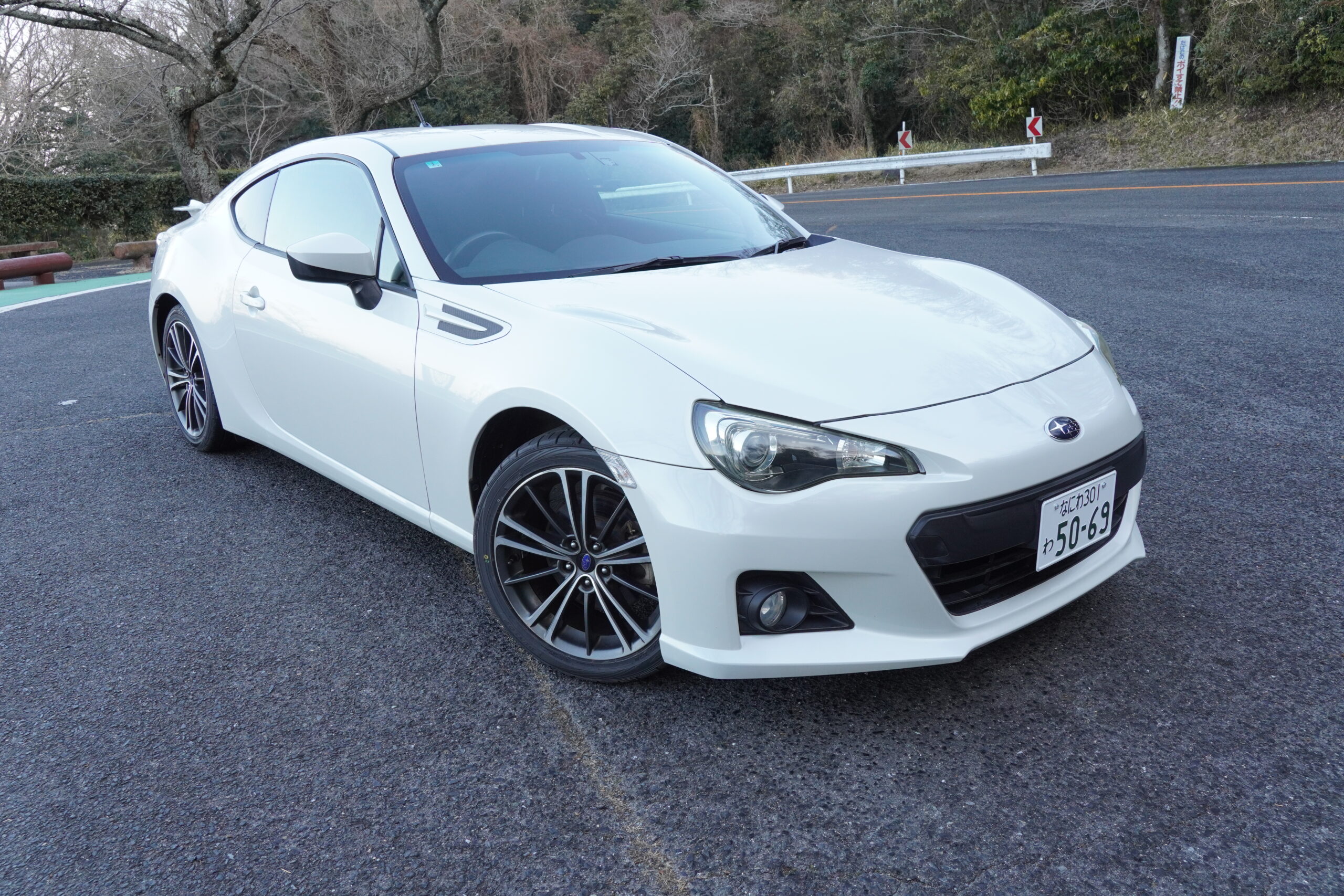
While most travelers take the JR Special Rapid train from Osaka straight to Kyoto or Otsu, taking the wheel of a light, front-engine, rear-wheel-drive sports car—such as the sharp, balanced Subaru BRZ, the Toyota 86, or the iconic Mazda Roadster (ND)—unlocks an entirely different dimension of travel. Shiga Prefecture is carved out by ancient geological shifts, wrapped in dense cedar forests, and centered around a lake so vast it creates its own microclimate.
To experience the northern reaches of Lake Biwa—specifically the legendary Oku-Biwa Lake Parkway during the autumn months—is to engage all your senses. The scent of damp fallen maple leaves, the cool mountain air entering through an open window, the visual feast of vermilion and gold reflected on mirrored water, and the linear response of an naturally aspirated engine echoing off cliffside rock faces. Railways connect destinations; a drive connects you to the country itself.

Lake Biwa Autumn Drive - The 2-Day Itinerary: Deep Dive
Day 1: The Western Shoreline Ascending to Golden Tunnels
08:00 AM — Departure from Osaka
The morning sun barely clips the high-rises of Osaka as you start the engine. The mechanical chatter of a Subaru BRZ’s 2.0-liter boxer engine settles into a steady, resonant idle. Modern navigation is set, but the plan is simple: escape the grid of Osaka’s Hanshin Expressway, connect to the Meishin Expressway northbound, and trace the contours of Lake Biwa counter-clockwise.
Merging onto the highway, the low seating position of the BRZ immediately sets the tone. The steering is direct, communicative, and firm. As the urban sprawl of Osaka fades into the rolling green hills of Kyoto Prefecture, the asphalt opens up. Passing through the Mt. Otowa tunnel, you enter Shiga Prefecture. Within forty-five minutes from central Osaka, the massive basin of Lake Biwa hints at its presence through the tree line.
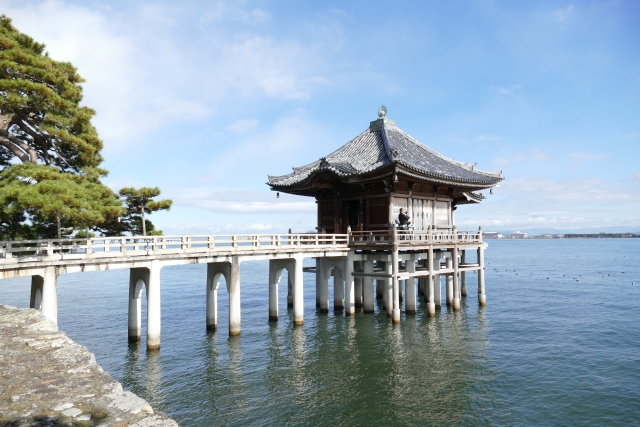
09:30 AM — Ukimido (The Floating Temple of Mangetsu-ji)
Leaving the highway at Otsu, transition onto Route 161, local roads running parallel to the western shore. Your first destination is Ukimido, the "Floating Temple," situated in Katata.
Geological & Historical Context: Lake Biwa is one of the world's oldest lakes, dating back over four million years. Because of its ancient origin, it holds a unique cultural footprint. Ukimido was originally constructed in the Heian period (978 AD) by the monk Genshin to pray for lake safety and the salvation of all living beings. The structure extends out over the lake on wooden stilts, connected to the mainland by a short bridge.
The Experience: Park the BRZ in the quiet cobblestone lot. Walking into the temple grounds, the air smells subtly of lake water and incense. Standing on the wooden veranda of Ukimido, look across the expanse where morning fog sits low over the calm water. The surrounding mountains of Hiei and Hira rise up in the background, covered in early autumn hues. It is a peaceful contrast to the high-RPM highway merge you completed an hour earlier.
11:00 AM — Route 161 Northward to Shirahige Shrine
Back in the driver’s seat, slide the short-throw manual shifter into first gear and ease onto Route 161 Heading North. The road sweeps along the shore, offering broad views of the water to your right and steep mountain facades to your left.
As you near Takashima City, the iconic red torii gate of Shirahige Shrine appears, rising directly out of the water. Known as the "Itsukushima of Omi," Shirahige is the oldest shrine in Shiga, founded over 1,900 years ago.
Driving Dynamics: The road approaching Shirahige features smooth, sweeping bends along the coastline. In a chassis like the Toyota 86 or Subaru BRZ, these long sweeping turns showcase the low center of gravity. The car remains planted, requiring minimal steering corrections.
The Sight: Pull into the shrine's lakeside observation area. The vermilion gate stands against the deep blue water of the lake. During late October and November, the mountains behind the shrine display patches of dark green pine mixed with brilliant orange and yellow maple leaves.
12:30 PM — Lunch: Omi Beef at a Lakeside Soba House
Continuing north toward Makino, pull into a small, family-run roadside restaurant specializing in local cuisine. Shiga is famous across Japan for Omi Beef (Omi-gyu), one of the top three wagyu brands alongside Kobe and Matsusaka, with a history spanning over 400 years.
Sensory Details: Order a steaming bowl of handmade buckwheat soba topped with tender, thin slices of simmered Omi beef and fresh local scallions. The broth is rich with dashi, soy sauce, and sweet mirin, pairing with the savory fat of the beef. Pair this with a side of local Funazushi (fermented crucian carp, an ancient predecessor to modern sushi) if you are feeling adventurous.
02:00 PM — The Metasequoia Avenue (Makino Highlands)
After lunch, turn inland toward the Makino Highlands. Here lies one of the premier driving sights in central Japan: the Metasequoia Avenue (Metasequoia Namiki).
The Route: A straight 2.4-kilometer stretch of road lined with approximately 500 Dawn Redwood (Metasequoia) trees. Planted in 1981 as part of a local agricultural project, these trees have grown into massive, symmetrical pillars that form a natural cathedral over the road.
Autumn Transformation: In mid-to-late autumn, the feathery needle-like leaves of the Metasequoia transition from bright yellow to a deep, rusty reddish-orange.
The Drive: Shift into 3rd gear, drop your speed to match the legal limit, roll down the windows, and let the sports exhaust rumble down the canopy. The afternoon sun filters through the needle leaves, casting dynamic patterns of light across the windshield. The view framing the road ahead looks straight out of a classic automotive documentary.
04:30 PM — Arrival at Northern Lake Biwa (Sugaura Village)
Departing Makino, take Route 303 as it cuts east through small rural mountain passes before connecting to Route 557, leading to the isolated peninsula of Oku-Biwa.
Historical Significance: Sugaura is a tiny, ancient village nestled in a hidden bay along the northern shoreline. For centuries, it was entirely inaccessible by land, relying entirely on boat transport for trade and survival. Because of this isolation, the village developed its own autonomous council system during the medieval period.
Check-in: Settle into a traditional lakeside Ryokan (Japanese inn) in the Sugaura or Makino region. Enjoy an evening bath in hot spring waters (onsen), followed by a dinner featuring regional winter-prep dishes like Botan Nabe (wild boar hotpot cooked with local red miso) or grilled lake trout.

Day 2: The Thrill of Oku-Biwa Lake Parkway & Historic Castle Towns
07:30 AM — Early Morning Warm-Up: The Oku-Biwa Lake Parkway
Wake up early before the general tourist traffic arrives. The air at the northern tip of Lake Biwa in autumn is crisp and cool—ideal conditions for a high-compression naturally aspirated engine like the Subaru BRZ's FA20/FA24.
The Road: The Oku-Biwa Lake Parkway (Shiga Prefectural Route 515) winds along the ridge of the Tsuzurao Peninsula for roughly 18.8 kilometers. Historically a toll road, it is now free to access and offers some of the finest driving asphalt in the Kansai region.
Driving Technique & Road Feel:
Ascent: The road starts right from the shoreline before climbing sharply into the forestry. It features a sequence of tight hairpins, quick elevation gains, and off-camber S-curves.
Handling: In a lightweight car like a Mazda Roadster or Toyota 86/BRZ, this road is pure joy. Downshift into 2nd gear before turn-in, feel the front tires load up, trail-brake lightly into the apex, and roll back onto the throttle as the road opens. The electric power steering provides feedback on road surface friction, moisture levels, and gradient shifts.
Visuals: Fog frequently hovers over the lake surface in early morning hours, creating an illusion that you are driving along a mountain ridge floating above a sea of clouds. The maple, oak, and beech trees overhanging the road create a tunnel of red and yellow leaves.
09:30 AM — Tsuzuraozaki Lookout Point
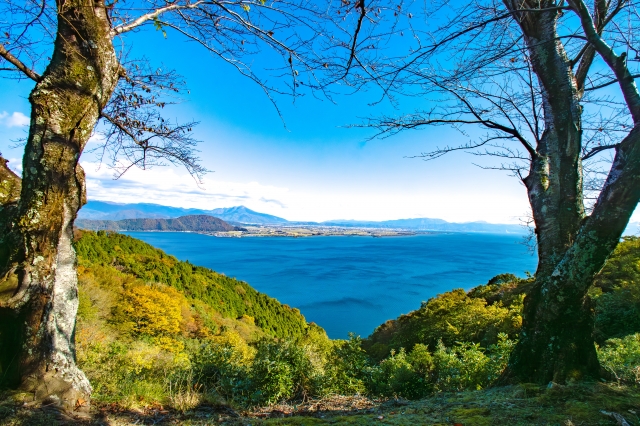
At the summit of the parkway sits the Tsuzuraozaki Observation Deck. Park the car and walk out to the edge of the pavilion.
The View: From here, you look southward across the entire expanse of Lake Biwa. You can see Chikubu Island (Chikubushima) sitting in the northern basin. Chikubu Island has been revered as a sacred site since ancient times, believed to be the abode of the goddess Benzaiten.
Mechanical Pause: Enjoy a hot coffee from a local vending machine while the heat radiates off the BRZ's brakes and exhaust system under the cool morning sky.
11:30 AM — Descending to Nagahama Kurokabe Square
Follow the one-way exit route of the parkway down toward Route 8, heading south along the eastern shore of Lake Biwa toward Nagahama.
Cultural Context: Nagahama grew as a prominent castle town under the warlord Toyotomi Hideyoshi in the late 16th century. Today, its center is preserved as the Kurokabe Square (Black Wall Square), named after the traditional black-plastered bank buildings dating from the Meiji period.
Walking & Dining: Park in a designated central lot. Stroll through the glassblowing workshops, historic merchant houses, and narrow alleyways.
Lunch: Stop at a local shop for Yaki-Saba Somen—a unique Nagahama dish featuring tender, sweet-and-savory braised mackerel served over dry-cooked somen noodles that absorb the fish's seasoned broth.
02:00 PM — Hikone Castle & National Treasures
Drive twenty minutes further south along Route 8 or the scenic lakeside road to Hikone.
Historical Depth: Hikone Castle is one of only twelve original castles (Tenshu) remaining in Japan that have survived intact since the feudal era without being destroyed by war, fire, or modern reconstruction. Completed in 1622 by the Ii clan, it is designated a National Treasure.
Architectural Marvel: Walk up the stone staircases designed to throw off invading samurai. The keep features unique combination architecture, integrating multiple style gables (破風 - hafu). From the top floor, look back out toward the lake, seeing the water routes you navigated earlier in the day.
Autumn Grounds: The neighboring Genkyuen Garden, a traditional Japanese landscape garden built at the base of the castle, features ponds framed by bright Japanese maples (momiji) that reflect off the water's surface.
05:00 PM — The Sunset Drive Back to Osaka
Leave Hikone and enter the Hikone Interchange on the Meishin Expressway. As afternoon fades into twilight, the sun sets over the western mountains across Lake Biwa, turning the sky into deep shades of purple and orange.
Cruise comfortably back down the expressway toward Osaka. The drive concludes as the quiet curves of Shiga transition back into the vibrant, neon-lit grid of central Osaka.
Lake Biwa Autumn Drive - Expert Advice & Cultural Nuances
1. Embracing the Michi-no-Eki (Roadside Station) Culture
One of the greatest pleasures of driving in rural Japan is exploring the network of Michi-no-Eki—government-designated roadside rest stations. Unlike typical highway service areas, Michi-no-Eki are hubs designed to support local agricultural communities and regional tourism.
Michi-no-Eki Ajikamo-no-Sato Makino: Located near the Metasequoia Avenue, this station is ideal for picking up fresh local persimmons, chestnuts, and Ajikamo (locally raised duck) snacks.
Michi-no-Eki Mizudori-no-Sato: Situated on the northeastern shore of Lake Biwa, this rest stop is famous among birdwatchers and photographers for its views of migratory waterfowl against autumn sunsets.
Protocol: These stations offer free parking, clean restrooms, local produce markets, regional soft-serve ice cream flavors (try the local green tea or sweet potato flavors), and tourist information maps. They are ideal stopovers during a long winding drive.
2. Navigating Japanese Mountain Roads (Toge)
Driving through Japan’s mountain passes (toge) requires specific etiquette and awareness:
Blind Corners: Mountain roads are filled with narrow, blind curves. Always watch for round convex mirrors mounted on utility poles along hairpin turns. Look into the mirror before turn-in to spot oncoming traffic, wide delivery trucks, or local buses.
Yielding Etiquette: If you are enjoying a spirited drive in a manual sports car and catch up to a slower local truck or farmer's van, maintain a respectful trailing distance. Drivers in rural Japan will often pull slightly onto the paved shoulder or hit their hazard lights briefly to signal that you can pass safely.
Hazard Light Thanks: If another driver yields to let you merge or pass, flash your hazard lights two or three times as a courteous signal of thanks—a universally understood gesture on Japanese roads.
Lake Biwa Autumn Drive - Detailed Logistics & Pre-Trip Tips
1. Highway Tolls & ETC (Electronic Toll Collection)
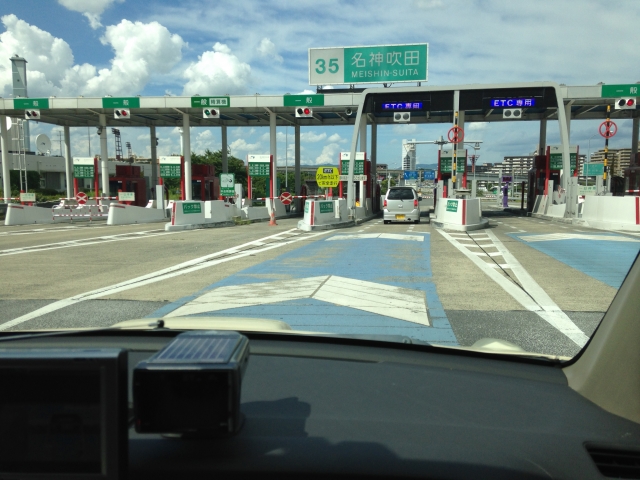
Japan’s expressway network is smooth, fast, and remarkably well-maintained, but it relies on a distance-based toll system.
How ETC Works: Expressway toll gates are split into lanes marked ETC Only (purple signs) and Cash/Credit Card (green signs). Vehicles equipped with an ETC unit and a valid ETC card can pass through the automated gates without stopping at speeds up to 20 km/h.
Pro-Tip: Make sure your rental car comes pre-installed with an ETC device and request an ETC card at the rental desk. Tolls are automatically recorded to the card and settled easily when you return the car.
2. Fueling Up: The Japanese Gas Station Experience
Gas stations (Gasorin Susutendo) in Japan are cleanly operated and straightforward, but knowing a few key Japanese phrases helps ensure a smooth experience.
Procedure: Pull up to the pump. A gas station attendant will often guide you in with hand signals ("Orai, orai!" meaning "All right!").
Self-Service: At self-service (Serufu) stations, select your fuel type on the touchscreen interface. High-octane fuel pump handles are yellow, regular gasoline handles are red, and diesel handles are green.
3. Parking Nuances
When parking in cities like Nagahama, Hikone, or central Osaka:
Back-In Parking: In Japan, reversing into a parking space is standard practice. It ensures safer egress when pulling back out onto busy roadways.
Coin Parking Lots: Look for automated coin parking lots (Koin Pakingu). These feature small rise-up flap barriers under the car or license plate scanning systems. Pay at the automated machine before returning to your vehicle by entering your parking space number.
4. Driving a JDM Manual Transmission (MT) Sports Car
Renting a lightweight, driver-focused sports car like a Toyota 86, Subaru BRZ, or Mazda Roadster (ND) in Japan brings the ultimate driving experience, but requires preparation:
Right-Hand Drive (RHD): Japan drives on the left side of the road. The driver’s seat is on the right, and the manual gear shifter is operated with your left hand.
Stalk Placement: Turn signal levers are located on the right side of the steering column in Japanese-domestic market vehicles, while wiper controls are on the left.
Pedal Layout: The clutch, brake, and accelerator pedal sequence remains identical to left-hand drive cars (Clutch on the left, Accelerator on the right).
Lake Biwa Autumn Drive - Comprehensive FAQ
Q1: What documentation do I need to legally drive in Japan?
To drive a car in Japan, you must present three documents at the rental counter:
Your original valid driver’s license from your home country.
A valid International Driving Permit (IDP) issued under the 1949 Geneva Convention.
Your passport.
Important Note: Drivers holding licenses from certain countries (such as Switzerland, Germany, France, Belgium, Monaco, and Taiwan) cannot use a standard IDP. Instead, they must carry an official Japanese translation of their driver's license prepared by the Japan Automobile Federation (JAF) or their respective embassy. Always double-check your country's specific permit regulations prior to departure.
Q2: Is driving a sports car on Japanese mountain passes dangerous in autumn?
Road conditions along Lake Biwa and the Oku-Biwa Lake Parkway are generally excellent. However, autumn brings unique considerations:
Fallen Leaves: Wet maple and oak leaves on the asphalt can be as slick as ice. Reduce your speed on tight switchbacks and avoid sudden, aggressive braking while cornering.
Wildlife: Deer (Shika) and wild boars (Inoshishi) are active in rural Shiga during dusk and early morning hours. Drive within your headlights' reach.
Q3: Can a driver with limited manual transmission experience handle these mountain drives?
Cars like the Mazda Roadster and Subaru BRZ feature light clutch pedals, smooth mechanical gear shifts, and driver-assist safety suites (hill-start assist, traction control). If you are comfortable driving a manual car in your home country, adjusting to left-hand shifting on Japanese roads usually takes about 15 to 30 minutes of focused driving.
Lake Biwa Autumn Drive - The Final Thoughts
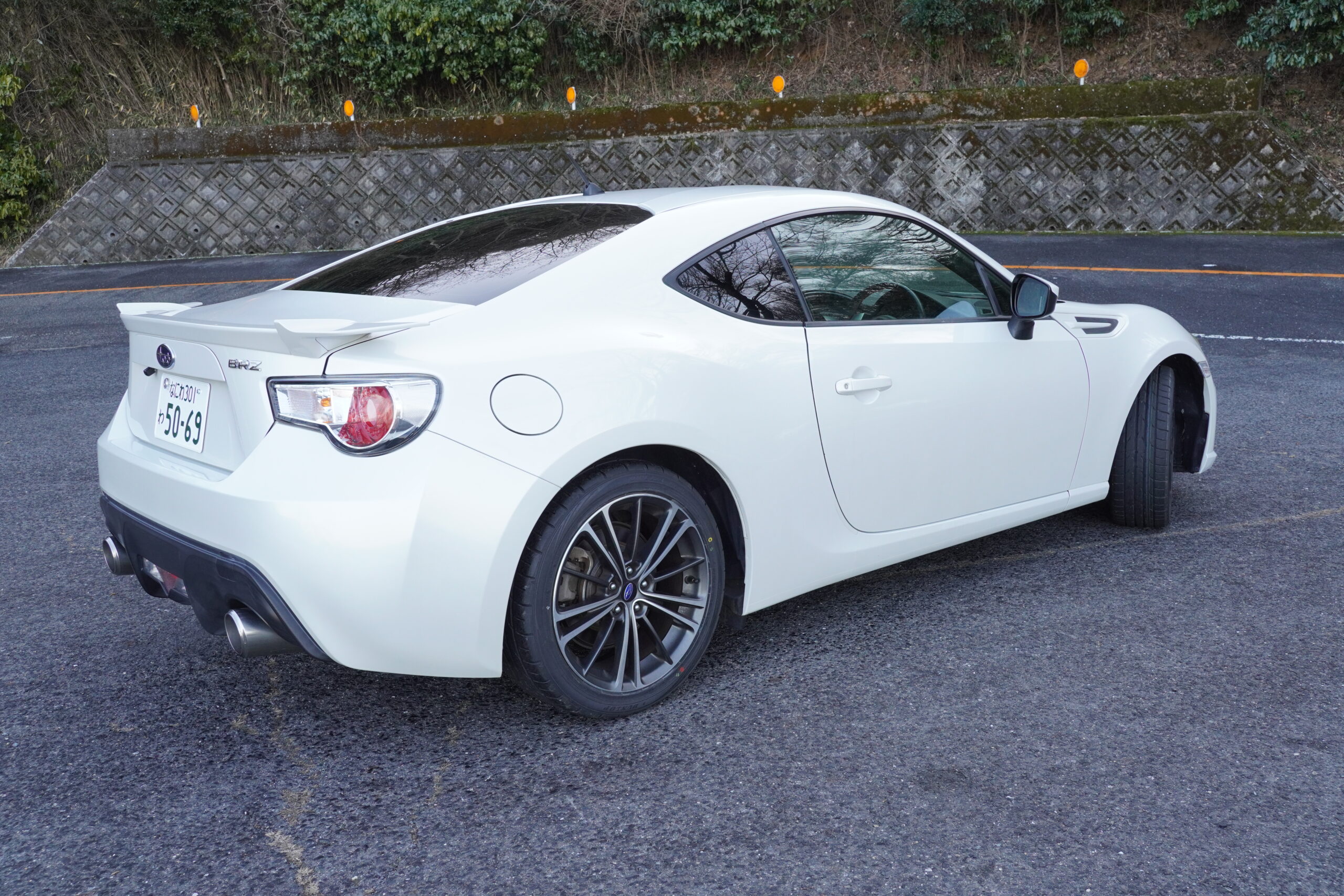
The true magic of Japan does not exist within the crowded passenger cars of a high-speed train, nor within the well-trodden corridors of standard tour buses. It is found on the open asphalt—in the cool autumn wind sweeping across the waters of Oku-Biwa, the sound of a sports exhaust echoing through tree-lined mountain ridges, and the freedom to turn down any narrow road that sparks your curiosity.
When you sit in the cockpit of a finely tuned Japanese sports car, shift into gear, and watch the sun rise over the mountains of Shiga, you cease to be just a tourist. You become an active participant in the landscape.
Your road trip through the real, unfiltered Japan begins the moment you turn the key.
To turn this autumn road trip into reality, reserve your Japanese sports car—whether a Toyota 86, Subaru BRZ, or Mazda Roadster—at Omoren Osaka Chuou (Omoshiro Rent-a-Car Osaka Central). Secure your vehicle, map out your journey into the mountains of Shiga, and discover the roads that standard travel guides leave behind.