
Shuzan Highway with BRZ: The Philosophy of Driving in Japan
As a former train conductor for Kintetsu Railway, I spent years admiring the seamless precision of Japan’s rail infrastructure. Steel wheels on steel rails represent a masterclass in efficiency, punctuality, and structural harmony. Yet, every time the train glided smoothly into another station, my eyes would drift toward the mountain ridges in the distance—ribbons of tarmac winding through ancient cedar forests, disappearing over mountain passes untouched by the railway tracks. Rail travel shows you the curated front porch of Japan; driving pulls back the curtain to reveal its soul.
When inbound travelers step off the bullet train at Osaka or Kyoto, they naturally rely on public transit. Rail passes promise effortless convenience, but they come with invisible boundary lines. Train schedules dictate your pace, platform crowds compress your personal space, and rail lines tether you strictly to major valleys and dense urban centers. The true essence of Japan—the Secret Japan—remains hidden beyond the terminus of the last suburban track.
To experience the archipelago in its unfiltered glory, you must take the wheel. Starting from Osaka—the vibrant, beating heart of Kansai—an automotive journey transforms a standard vacation into a grand expedition. Within less than an hour from the neon-lit grid of Osaka’s highways, the concrete gives way to rural backroads, traditional thatched-roof farmhouses, crystalline mountain streams, and sweeping mountain passes that feel custom-built for high-performance driving.
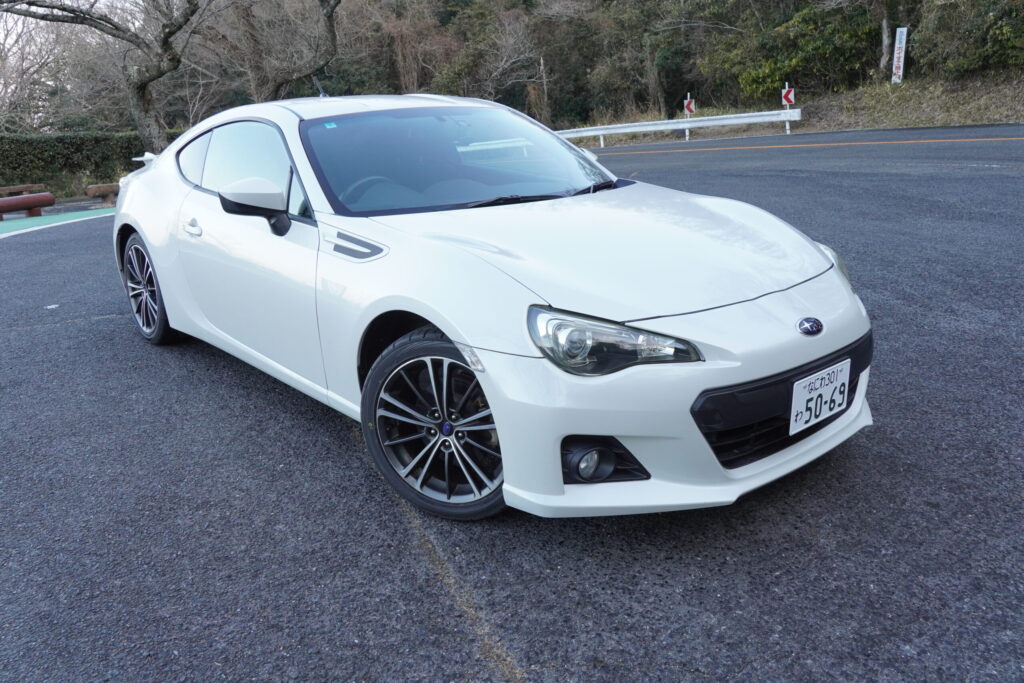
Choosing a driver's machine like the Subaru BRZ or Mazda Roadster (ND) fundamentally shifts your relationship with the landscape. You are no longer a passive spectator peering through a double-paned train window; you become an active participant in the terrain. The mechanical tactile feedback of a manual gearbox, the raspy cadence of a boxer engine revving past 6,000 RPM, and the sharp bite of limited-slip differentials coming out of a hairpin turn turn every kilometer into a visceral memory.
The Shuzan Highway (Route 162), stretching north from Kyoto into the heart of the Kitayama Mountains and on toward the Sea of Japan, is arguably the ultimate conduit for this philosophy. It is a road born of history—once part of the ancient Saba Kaido (Mackerel Highway) used to transport fresh seafood from the coastal waters of Wakasa Bay to the Imperial Palace in Kyoto. Today, it stands as one of Japan’s premier driving corridors: a legendary ribbon of asphalt offering elevation changes, long sweeping curves, tight technical chicanes, and deep cultural immersion.

Shuzan Highway with BRZ: The 2-Day Itinerary Deep Dive
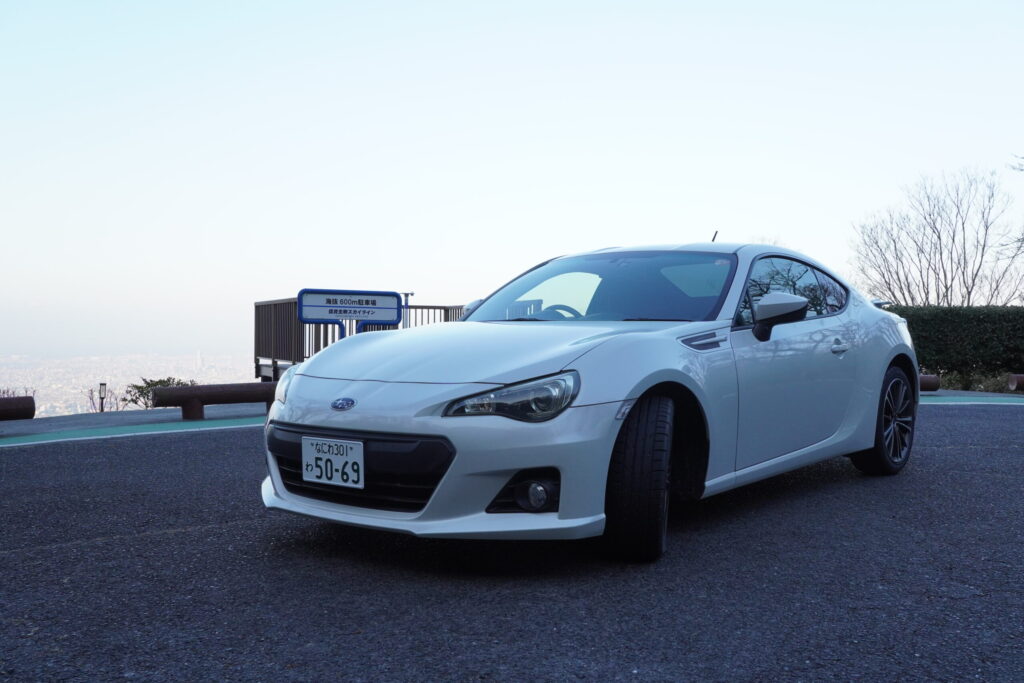
This comprehensive 2-day driving itinerary is engineered specifically for enthusiasts operating a lightweight, rear-wheel-drive sports car like the Subaru BRZ. Starting from Osaka, this route climbs through the ancient forests of Northern Kyoto, traces the pristine headwaters of the Katsura and Yura Rivers, descends to the dramatic coastline of Wakasa Bay, and returns via hidden mountain passes.
Day 1: Conquering the Kitayama Pass & Ancient Valleys
07:00 AM – Departure from Osaka: Awakening the Boxer Engine
Your journey begins early in Osaka as the metropolis slowly wakes. Slotting the short-throw shifter of your Subaru BRZ into first gear, you navigate the urban arterial highways leading northeast toward Kyoto. The cool morning air provides dense oxygen for the atmospheric 2.4-liter engine. As the concrete skyscrapers fade in your rearview mirror, the flat urban landscape begins to wrinkle into rolling green hills. Take the Meishin Expressway toward the Kyoto-Minami interchange, bypassing the heavily trafficked tourist sectors of downtown Kyoto to position yourself directly at the southern gateway of Route 162.
08:30 AM – The Gateway to Shuzan: Entering Route 162 (Takao Area)
Exiting the highway and turning onto Route 162 north of Ukyo Ward, the atmosphere undergoes an instant metamorphosis. The air temperature drops by several degrees, carrying the piney aroma of dense Japanese cedar (Sugi). You enter the historic Takao region, home to ancient temples nestled in dense river gorges. Here, Route 162 begins to twist along the Kiyotaki River. The BRZ’s low center of gravity comes alive instantly; the chassis communicates every ripple of the pavement through the seat bolsters and steering wheel.
09:30 AM – The Ascent to Kasa Tunnel & Kurama Detour
Continuing north, the road ascends into the Kitayama mountain range. The asphalt here is wide, immaculately maintained, and lined with banking designed to support fluid lateral transitions. Shift down to 3rd gear, let the engine sing as you sweep through medium-speed curves, and take in the towering Kitayama cedar trees rising up like green pillars on either side.
Before penetrating deeper along Route 162, take a short technical detour toward Hanase Pass via Route 38/477 if you crave a technical warm-up. This narrow section features hairpins that demand precise heel-toe downshifting and smooth trail-braking. The lightweight balance of the chassis shines here— RWD dynamics allow the rear end to track perfectly without the understeer typical of heavier passenger sedans.
11:30 AM – Arrival in Miyama Kayabuki no Sato
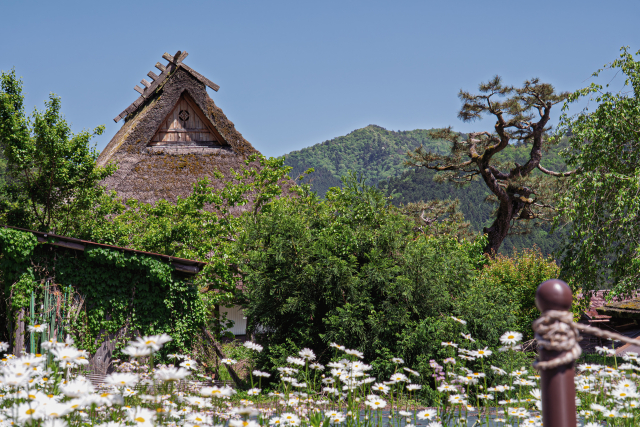
Rejoining Route 162 North, you sweep down into the Miyama Valley. By 11:30 AM, you arrive at Kayabuki no Sato in Miyama. This isolated hamlet preserves one of the highest concentrations of traditional thatched-roof farmhouses (kayabuki) in Japan.
Park your car at the riverbed parking area. The stark contrast between a sleek, modern Japanese sports car and 200-year-old historic architecture offers an extraordinary visual moment. Take an hour to walk through the peaceful village pathways. The gentle murmur of the Yura River and the rustle of rice paddies create a serene backdrop that feels entirely disconnected from the modern world.
12:30 PM – Artisan Lunch: Hand-Cut Mountain Buckwheat Soba
Located near the village entrance is a small, family-run Soba-dokoro (buckwheat noodle shop). Order the local specialty: cold Zaru Soba paired with fresh mountain vegetable tempura (Yamame river fish and seasonal wild herbs gathered from the surrounding slopes). The noodles are crafted daily using crystal-clear spring water from the Kitayama mountains, delivering a firm texture and an earthy, nutty flavor profile that rejuvenates you for the afternoon drive.
02:00 PM – The Technical Masterclass: Shuzan Highway to Sasari Pass
Leaving Miyama, head east along Route 38 toward Sasari Pass (Sasari-toge), a legendary stretch among local driving enthusiasts. This road compresses the full spectrum of driving challenges into a single 15-kilometer run: tight single-lane technical turns, sudden elevation shifts, exposed rock faces, and thick forest canopies where sunlight filters through in golden shafts (Komorebi).
Here, precise vehicle placement is essential. Using the short-ratio 6-speed manual transmission, keep the engine balanced in its mid-range torque band. The mechanical feedback through the steering rack provides total confidence as you clear corner apexes over smooth river stones and wet mountain moss along the asphalt shoulders.
04:30 PM – Descending to Wakasa Bay (Obama Port)
Rejoin Route 162 heading northwest. The mountain valley gradually opens up, and the winding mountain passes transition into long, flowing sweeps that follow the coastal river toward Fukui Prefecture. As late afternoon approaches, the blue horizon of the Sea of Japan emerges.
Arrive at the historic coastal town of Obama around 04:30 PM. Obama served as the primary seaport supplying marine delicacies to the ancient capitals of Nara and Kyoto. Park near the harbor side, where the setting sun casts a deep crimson glow over the sea, mirroring the striking metallic paint of your sports car.
06:30 PM – Dinner: Mackerel Feast & Seaside Overnight Stay
Check into a coastal Ryokan (traditional Japanese inn) or a boutique hotel along Wakasa Bay. For dinner, experience the culinary history of the Mackerel Highway: Yaki-saba sushi (seared mackerel sushi) and grilled local sea bream served alongside locally brewed Fukui sake. The rich, oily flavor of charcoal-grilled mackerel paired with crisp, cold rice wine provides the ultimate culinary conclusion to an epic day behind the wheel.

Day 2: Coastal Sweepers, Lake Views & The Return Grid
08:00 AM – The Early Morning Coastal Assault: Angel Line
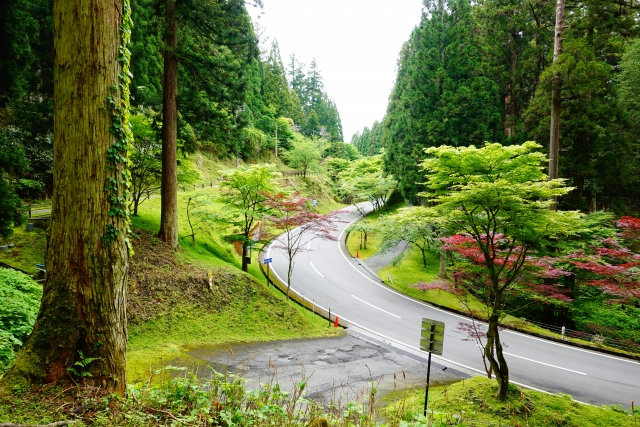
Awake to the sound of ocean waves and crisp marine air. Before the morning traffic builds, drive directly to the base of the Angel Line—a former toll road turned free public driving route that ascends Mt. Tomoshiraga.
This road climbs over 600 meters directly out of the ocean. The pavement winds through dense coastal woodland before breaking out onto cliffside ridges overlooking Wakasa Bay. The crisp morning atmosphere allows the engine to breathe cold air, sharpening throttle response. At the summit lookout, you are rewarded with a panoramic 360-degree vista of the jagged rias coastline and the Sea of Japan stretching endlessly north.
10:30 AM – Tracing the Saba Kaido South toward Lake Biwa
Descend the Angel Line and head south via Route 303 and Route 367, another vital vein of the historic Saba Kaido. This fast-flowing route cuts through forested valleys separating Fukui from Shiga Prefecture. The corners here are wider and faster than Day 1’s technical passes, allowing you to enjoy long third- and fourth-gear sweeps that highlight high-speed stability and aerodynamic balance.
01:00 PM – Lunch at Lake Biwa West Coast: Omi Beef Bowl
Cross over into Shiga Prefecture and follow the western shoreline of Lake Biwa—Japan’s largest freshwater lake. Stop near Takashima City for a lunch featuring world-renowned Omi Beef. Opt for a Gyudon (beef bowl) or steak set made with local Wagyu beef, featuring intricate intramuscular fat that melts instantly on the palate, served over locally grown Shiga rice.
02:30 PM – The Skyline Finale: Hieizan Driveway & Oku-Hiei Driveway
After lunch, head south along Route 161 before ascending the entrance of the Oku-Hiei Driveway (toll road). This is widely recognized as one of the premier private driving roads in central Japan.
Winding along the crest of Mount Hiei, this pristine double-lane highway offers flawless asphalt, safety barriers, and banked corners framed by views of Lake Biwa to the east and Kyoto City to the west. The elevation shifts rapidly as you scale the mountain ridge. The car corners flat and composed, slicing through apex after apex with surgical precision.
Stop at the Yumedai peak observation deck to catch your breath. From this viewpoint, you can gaze down upon the entire expanse of Kyoto Basin on one side and the massive glittering surface of Lake Biwa on the other—a poetic contrast of nature, history, and modern infrastructure.
05:30 PM – The Twilight Cruise Back to Osaka
Descend Mount Hiei via the southern exit onto the Kyoto East Interchange of the Meishin Expressway. As the sun sets behind the western mountains, casting a purple tint across the evening sky, join the smooth flow of highway traffic returning to Osaka.
The mechanical hum of the drivetrain below you provides a satisfying rhythm after two days of spirited driving. Enter the glowing neon skyline of Osaka by 07:00 PM, concluding an unforgettable 500-kilometer journey through the hidden roads of Kansai.
Shuzan Highway with BRZ: Expert Advice & Cultural Nuances
Driving through Japan’s rural interior requires an understanding of localized road etiquette, cultural nuances, and hidden rest stops that transform a simple commute into an enriched travel experience.
The Wonder of Michi-no-Eki (Roadside Stations)
To the uninitiated, a highway service area is merely a place to refuel and use the restroom. In Japan, however, Michi-no-Eki (Roadside Rest Stations) are cultural institutions. Conceived by the government to stimulate local rural economies, these government-designated rest areas serve as showcases for local agriculture, artisan crafts, and regional culinary specialties.
Along Route 162 and its surrounding passes, several key Michi-no-Eki demand a stop:
Michi-no-Eki Woody Keihoku (Route 162): Located in the heart of the Kitayama timber district. The interior is built entirely from massive locally harvested cedar logs. Here, you can sample fresh cedar-infused soft-serve ice cream, purchase hand-carved wooden crafts, and pick up fresh local seasonal berries.
Michi-no-Eki Miyama Fureai 広場 (Miyama): Legendary among local motorcycle riders and car enthusiasts. It houses the famous Miyama Milk Plant, producing rich, creamy dairy goods. Do not leave without trying their bottled whole milk or fresh gelatos. The parking lot on weekends acts as an impromptu car meet featuring vintage JDM legends, modified touge runners, and exotic machinery.
Hidden Local Eateries: Shokudo Etiquette
While major tourist areas feature English menus, rural mountain roads introduce you to authentic Shokudo (local family-run diners). These establishments are often marked only by a fluttering Noren (fabric curtain) hanging over the doorway.
Entry: Slide the door open gently and state your party size ("Hitori" for one, "Futari" for two).
Ordering: Many rural places use a ticket vending machine (Shokuken) near the door. Insert cash, select your button (often marked with basic characters or photos), and hand the ticket to the chef.
Specialties: Look out for Wild Boar Ramen (Botan Ramen) in the winter months along Route 162, or Ayaki (sweet salt-grilled sweetfish) freshly caught from local streams during summer.
Mountain Road Etiquette & Safety (Touge Rules)
Driving on narrow Japanese mountain passes comes with an unwritten code of courtesy:
Yielding to Faster Local Traffic: Local delivery mini-trucks (Kei trucks) and native drivers know every bump on these roads. If a vehicle approaches quickly behind you, pull slightly to the left at the next wide shoulder or turn-out bay (Lay-by), flick your left indicator, and let them pass.
The "Thank You" Hazard Flash: When another driver yields to let you merge or pass, briefly flash your hazard lights twice (Sankyuu Hazard). It is the universal sign of driver gratitude across Japan.
Single-Lane Blind Corners: Mountain roads like Sasari Pass frequently shrink to a single lane without warning. Pay strict attention to the curved convex mirrors mounted on utility poles at every blind corner. If you see headlights or motion reflected in the mirror, slow down, move as far left as possible, and sound your horn lightly if necessary.
Shuzan Highway with BRZ: Detailed Logistics & Pre-Trip Tips
Navigating Japan’s road infrastructure smoothly demands a firm grasp of local operational mechanics—from electronic toll systems to fuel station etiquette.
1. Navigating the ETC (Electronic Toll Collection) System
Japan’s expressway network is pristine, efficient, and almost entirely tolled.
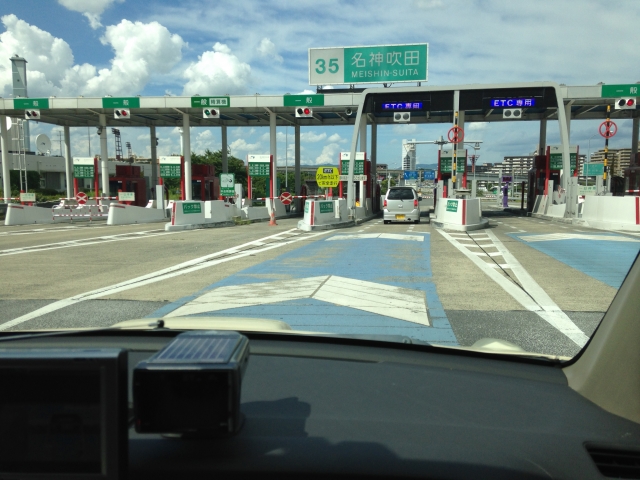
How ETC Works: Vehicles equipped with an ETC onboard reader unit accept an IC card that automatically logs entry and exit tolls across expressways and major mountain driveways (such as Hieizan).
At the Toll Gate: When approaching an expressway toll plaza, select the purple ETC lanes. Maintain a speed under 20 km/h. The barrier gate will scan the card, display your toll amount on the overhead screen, and open automatically. Do not enter the blue Cash (一般) lanes unless you plan to stop and pay manually via credit card or cash at every gate.
2. Fueling Up: The "Mantan" Protocol
Fuel stations in Japan come in two varieties: Full Service (Furu) and Self Service (Serufu). In rural areas along Route 162, full service remains common.
Fuel Types:
High Octane (ハイオク - Haioku): Premium Unleaded (98+ RON). Mandatory for high-compression sports engines like the Subaru BRZ or Mazda Roadster to prevent engine knock and ensure maximum power output. The pump nozzle is almost universally Yellow.
Regular (レギュラー - Regyuraa): Standard Unleaded (91 RON). Pump nozzle is Red.
Diesel (軽油 - Keiyu): Diesel fuel. Pump nozzle is Green.
Essential Japanese Fuel Station Vocabulary:
"Haioku Mantan, Keshudai de" = Premium High Octane, Full Tank, Payment by Credit Card.
"Mantan" = Fill it up ("Full tank").
"Keshudai" = Credit Card.
"Genkin" = Cash.
At full-service stations, attendants will often wipe your windshield, offer to take trash from your cabin, and guide you back into traffic with bow gestures when leaving.
3. Precision Parking Etiquette
Parking in Japan follows strict spatial discipline:
Reverse Parking is Mandatory: In almost every public lot, driving straight into a spot is considered poor form and can obscure vision when reversing out. Always back into parking spaces (Reverse-in parking).
Wheel Stoppers (Chokkaku): Most Japanese spots have concrete blocks mounted on the ground. Reverse slowly until your rear tires gently contact the blocks. Ensure lower front lips or lowered aftermarket bumpers clear curbs before pulling forward.
No Street Parking: Overnight or unattended street parking is illegal across almost all of Japan. Always use designated coin parking lots (Coin P) marked with automated ground flaps or rising gates.
4. The Sensory High of Operating a Manual JDM Machine
Operating a pure, lightweight rear-wheel-drive manual car in its home country is a bucket-list experience. The Subaru BRZ, with its low-slung boxer engine and crisp short-throw shifter, offers absolute mechanical feedback. Every gearchange provides a satisfying notch; every blip of the throttle downshift matches revs instantly thanks to ideal pedal placement for heel-toe shifting.
On roads like the Shuzan Highway, you aren't isolated from the experience by heavy electronic steering or excessive weight. You feel the changing grip levels through the chassis, hear the exhaust echo off mountain rock faces, and experience Japan through pure mechanical harmony.
Shuzan Highway with BRZ: Comprehensive FAQ
Q1: What driver's license documentation is required to rent and drive a car in Japan?
Answer: To legally drive in Japan, you must present two primary documents alongside your valid passport upon rental pickup:
Your original driver's license from your home country.
An International Driving Permit (IDP) issued under the 1949 Geneva Convention.
Crucial Note: IDPs issued under the 1968 Vienna Convention are NOT accepted in Japan. Ensure your permit specifically cites the 1949 Geneva Convention on its cover. Drivers holding licenses from specific countries (such as Switzerland, Germany, France, Taiwan, Belgium, and Monaco) must provide an official Japanese translation of their native license issued by the Japan Automobile Federation (JAF) or their respective embassy, rather than an IDP.
Q2: Is rental insurance recommended, and what coverage should I select?
Answer: Full comprehensive insurance coverage (Collision Damage Waiver + Non-Operation Charge Coverage) is essential. While roads in Japan are maintained in top condition, mountain corridors like Route 162 feature narrow sections, exposed rock walls, and tight parking spaces. Full coverage ensures complete peace of mind, protecting you against unexpected costs or minor cosmetic rim scrapes during your journey.
Q3: I haven't driven a manual transmission (MT) car in a while. Are Japanese mountain roads manageable?
Answer: Japanese mountain drivers are remarkably polite, patient, and smooth. Road signs are clear, dual-language (Japanese/English), and traffic density drops significantly once you clear metropolitan Osaka/Kyoto. Choosing a modern sports platform like the Subaru BRZ or Mazda Roadster (ND) provides forgiving hill-start assist features, light clutch pedal action, and predictable power delivery, making it intuitive to regain gear-shifting confidence within minutes of hitting the open road.
Q4: How are road conditions during winter months along Route 162?
Answer: From late December through early March, mountain passes along Route 162 through Keihoku and Miyama can experience snow accumulation and black ice, particularly during early morning and late evening hours. If traveling during these months, vehicles must be equipped with winter tires (Studless Tires). For autumn, spring, and summer trips, weather conditions are ideal for performance summer tires.
Shuzan Highway with BRZ: The Final Thoughts
The shrines of Kyoto and the illuminated neon corridors of Osaka’s Dotonbori will always have their place in travel itineraries. But the real spirit of Japan doesn't sit still behind velvet ropes or train windows—it dances along the winding ridgelines of the Kitayama mountains, echoes through silent pine forests, and rests quietly beside ancient thatched-roof farmhouses along the Yura River.
To experience Japan in its truest form, you need to step off the beaten track. You need four tires gripping flawless asphalt, a manual stick-shift resting in your palm, and an open road stretching toward the horizon. The Shuzan Highway is calling, and the ultimate driving experience awaits.
Ready to claim the keys to your dream trip?
Head over to Omoren Osaka-Chuo (Omoresha Rental Car) to reserve your sports car. From pristine Subaru BRZs to nimble Mazda Roadsters (ND), your ultimate Japanese driving adventure begins the moment you start the engine. Reserve your vehicle today, turn the key, and discover the Secret Japan you were always meant to see.