
Driving Nara & Totsukawa Village in a Toyota 86: The Philosophy of Driving in Japan
For nearly a decade, I experienced Japan through the rhythmic, precise click-clack of steel wheels on rails as a conductor for Kintetsu Railway. I knew every timetable, every station curve, and the exact speed at which the express train leaned into the bends of the Kansai region. Rail travel in Japan is a marvel of human engineering—punctual, sleek, and undeniably poetic. Yet, as a train conductor, I was bound by fixed tracks. I looked out of the cab windows at the misty, emerald ridges of the Kii Mountains rising in the distance, knowing that the real heart of Japan lay beyond the reach of overhead catenary wires and concrete platforms.
When I stepped off the trains and behind the wheel of a sports car, my perspective shifted entirely. Japan is roughly 73% mountainous terrain. While bullet trains slice through tunnels beneath these colossal ranges and local trains thread through inhabited river valleys, thousands of miles of immaculate tarmac snake across ridge lines, through sacred cedar forests, and along roaring river canyons. This is "Secret Japan"—a realm inaccessible to the average tourist clutching a rail pass.
Starting a road trip from Osaka into the deep wilderness of Nara Prefecture reveals a contrast that no train ride can replicate. Within forty-five minutes of leaving the neon-soaked urban grid of Osaka, the concrete metropolis gives way to rolling green hills, which rapidly steepen into the ancient, mysterious Kii Mountain Range.
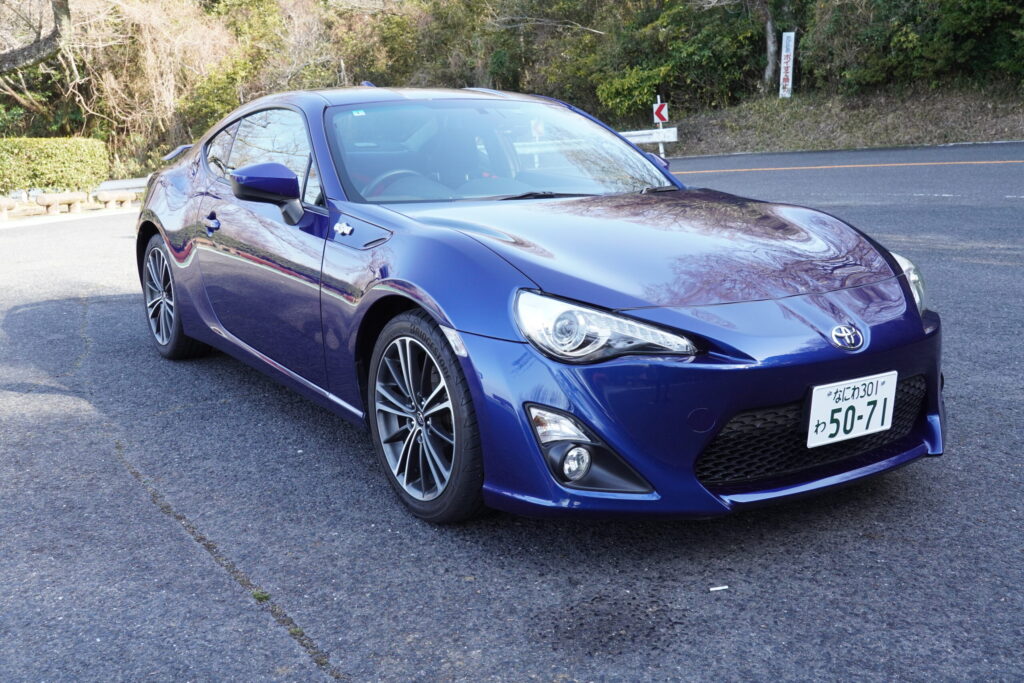
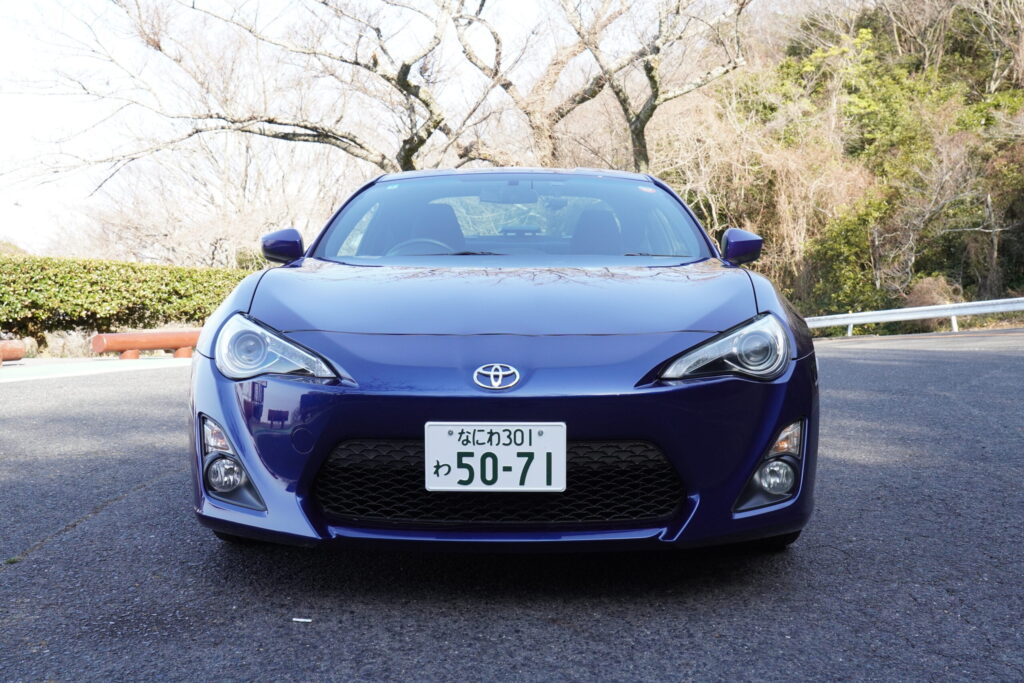
To truly conquer these ancient mountain passes, you need a machine that speaks the same language as the road. You do not need a 600-horsepower supercar that will feel suffocated on narrow, technical bends. What you need is an iconic Japanese Domestic Market (JDM) driver's car: the lightweight, front-engine, rear-wheel-drive Toyota 86 (or its twin, the Subaru BRZ).
The Toyota 86 is built on a simple, timeless philosophy: low center of gravity, perfectly balanced chassis, crisp naturally aspirated engine, and a tactile six-speed manual transmission. When you pilot an 86 down Route 168 toward Totsukawa Village, every steering input is instantaneous, every heel-and-toe downshift is rewarded with a sharp mechanical bark, and the feedback through the steering wheel tells you exactly how much grip the tires have on the cool asphalt. Driving a JDM sports car through Japan's sacred heartland isn't just transportation—it is a visceral, intoxicating dialogue between driver, machine, and landscape.

Driving Nara & Totsukawa Village in a Toyota 86: The 2-Day Itinerary: Deep Dive
Day 1: From Osaka's Urban Grid to the Misty Canyons of Totsukawa
07:00 AM – Departure from Central Osaka: The Urban Awakening
The morning sun is just beginning to glint off the glass facades of Osaka's skyscrapers as you start the engine. The naturally aspirated 2.0-liter boxer engine of the Toyota 86 fires to life with a firm, energetic idle. Depressing the clutch pedal reveals a short, mechanical bite point, and slotting the leather-wrapped shifter into first gear sets the tone for the journey ahead.
Leaving the city center, you navigate onto the Hanshin Expressway Network. At this early hour, the elevated highways are mercifully clear. As you merge onto the Hanshin No. 14 Matsubara Route heading southeast, the dense urban sprawl of Osaka gradually thins out. You watch the concrete jungle transition into the flat, fertile agricultural plains of Minami-Kawachi. In the distance, the ominous, dark silhouette of the Kongo-Katsuragi Mountain Range forms a natural wall separating Osaka from Nara.
08:00 AM – Crossing into Nara: The Historic Gateway of Gojo
As you transition onto the E24 Keinawa Expressway and cross the border into Nara Prefecture, the road begins to climb gentle gradients. Take the exit for Gojo-Kita IC. Gojo is a historic merchant town nestled along the clear waters of the Yoshino River. Historically, Gojo served as a crucial timber trading hub and the gateway to the deep southern mountains of Yamato (the ancient name for Nara).
Stop briefly at a local convenience store or automated coffee vending machine to grab a hot canned espresso. Take a moment to adjust your driving position. From Gojo onward, the comfortable multi-lane expressways vanish. You are now at the threshold of Route 168—one of Japan’s most legendary inland mountain highways, stretching over 100 kilometers through the rugged interior of the Kii Peninsula down to Shingu on the Pacific coast.
08:30 AM – Entering Route 168: The Serpent of Yamato
As your tires turn onto Route 168 heading south, the atmosphere shifts dramatically. The river valleys narrow, and towering Japanese cedar (Sugi) and cypress (Hinoki) trees line the road like ancient sentinels.
Route 168 follows the winding contours of the Yoshino and Totsukawa River systems. Geologically, this land was formed millions of years ago through intense tectonic uplift and erosion, creating deep V-shaped valleys and razor-sharp ridges.
In the Toyota 86, this is where the magic begins. The steering wheel comes alive in your hands. The hydraulic-feel electric power steering transmits the changing surface of the asphalt directly to your palms. As you approach the first series of sweeping S-curves, you apply light pressure to the brake pedal, rev-match down from 4th to 3rd gear, and turn in. The chassis rotates with effortless precision, settling perfectly on its suspension. The exhaust note echoes off the damp rock walls lining the gorge, filling the cabin with a crisp mechanical chorus.
09:30 AM – The Gateway to Isolation: Tanize Suspension Bridge (Tanize no Tsuribashi)
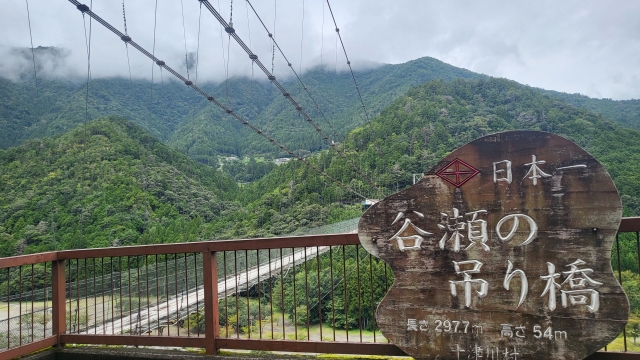
After winding through dark mountain tunnels and over arched concrete bridges that span turquoise river pools, you arrive at the northern entrance of Totsukawa Village. Your first major milestone is the famous Tanize Suspension Bridge.
Park the Toyota 86 in the dedicated gravel parking area near the bridge approach. Stepping out of the low-slung cockpit, the cool mountain air hits your face—fragrant with the scent of pine resin, damp moss, and woodsmoke from nearby mountain cottages.
- Historical Context: Built in 1954 by the local villagers themselves, who pooled their life savings to construct a reliable crossing over the wide Totsukawa River bed, this 297-meter-long, 54-meter-high wire suspension bridge was once the longest pedestrian suspension bridge in Japan. Before its construction, villagers had to trek down steep ravines and cross treacherous waters on wooden rafts whenever heavy rains flooded the valley.
- The Experience: Walking across Tanize is an exercise in nerve. The narrow wooden planks beneath your feet creak and bow gently with every step, while the river rushes far below. Looking up and down the valley, you see mountain slopes covered in dense virgin timber cascading down into emerald waters. The contrast between the rigid, precise engineering of the Japanese sports car parked onshore and this swaying, hand-built lifeline suspended in mid-air highlights the resilience of the mountain people of Nara.
11:00 AM – Deep Canyon Carving: Navigation into the Heart of Totsukawa
Returning to the Toyota 86, set off deeper into Totsukawa Village. Totsukawa is geographically the largest village in Japan by land area, yet over 96% of its territory is covered by dense virgin forest. Historically, because of its extreme isolation, Totsukawa maintained a unique status throughout feudal Japan; its fiercely independent samurai-farmers were exempted from paying rice taxes and answered directly to the Imperial Court.
The driving along Route 168 now becomes a technical masterclass. Modern civil engineering has bypassed many of the old, single-lane cliffside tracks ("kokudo" or "dangerous highways") with wide, beautifully paved tunnels and viaducts. However, whenever you trace the older ribbons of asphalt that hug the river contours, you experience true mountain touge driving.
Here, the front-midship layout of the 86 proves why balance trumps raw horsepower. Third gear, 4,000 RPM, a quick dab of the brakes, heel-and-toe downshift into second gear, apex the hairpin curve, and apply smooth throttle as the rear wheels hook up seamlessly. The limited-slip differential works silently beneath you, driving the car forward without a hint of slop.
12:30 PM – Gastronomic Refueling: Local Soba and Wild Yam (Tororo)
Pull over at a rustic roadside eatery clinging to the edge of the river canyon. Deep in the mountains of Nara, culinary traditions revolve around what the earth provides naturally: wild buckwheat, mountain vegetables (sansai), river trout (ayu), and sweet-scented sweetfish (amago).
Order a steaming bowl of hand-cut handmade Sansai Soba paired with fresh Tororo (grated wild yam over rice) and local Kaki-no-ha Zushi (mackerel sushi wrapped in fragrant persimmon leaves—a traditional preservation method crafted by mountain travelers centuries ago).
- Sensory Profile: The broth is rich with smoked bonito flakes and dark soy sauce, providing a deep savory umami that warms your core. The persimmon leaf imparts a delicate, earthy aroma to the vinegared rice and rich, oily mackerel, cleansing your palate after a morning of intense driving focus.
02:00 PM – The Waterfall of the Sacred Cedar: Sasanotaki (Sasa Waterfall)
After lunch, turn off Route 168 onto a narrow, single-lane forestry road that snakes east toward Sasanotaki Waterfall, listed as one of Japan’s Top 100 Waterfalls.
This section of road requires maximum concentration. The asphalt is barely wider than the car, bordered on one side by towering rock faces and on the other by sheer drops into crystalline mountain streams. Fold in your side mirrors when passing through narrow natural rock gateways. The tight gear ratios of the Toyota 86 allow you to hold second gear comfortably, modulating the throttle precisely over wet leaves and damp patches of tarmac.
Upon reaching the small turnaround area near the trailhead, park the car and embark on a short 10-minute walk through moss-covered boulder fields and over wooden footbridges.
- Geological Miracle: Sasanotaki cascades dramatically down a 32-meter sheer wall of dark basalt rock into a translucent, turquoise plunge pool. The spray creates a perpetual, cool mist that fills the forested canyon. Standing at the base of the falls, surrounded by towering ancient cryptomeria trees, you feel the spiritual gravity that led UNESCO to designate the surrounding Kii Mountain Range as a World Heritage site under the "Sacred Sites and Pilgrimage Routes in the Kii Mountain Range" listing.
04:30 PM – Check-in: The Thermal Sanctum of Totsukawa Onsen
Drive back down the forestry spur to Route 168 and continue south to Totsukawa Onsen Village, situated along the serene shores of the Futatsuno Dam Lake.
Check into a traditional Japanese Ryokan (inn) nestled on the water's edge. Totsukawa Onsen holds a prestigious designation in Japan: in 2004, it became the first municipal area in the nation to declare that all of its hot spring facilities use 100% pure, unadulterated hot spring water flowing directly from the thermal source (Gensen Kakenagashi), with zero added water, re-heating, or chemical treatment.
- The Onsen Experience: Slip into the outdoor stone bath (rotenburo) overlooking the quiet, mist-shrouded lake. The mineral-rich, sodium-bicarbonate-chloride water wraps around your fatigued muscles like warm silk. After hours of gripping the leather steering wheel, working the manual clutch, and maintaining laser focus through technical mountain corners, the thermal waters melt away every ounce of physical tension.
- Kaiseki Dinner: At 07:00 PM, sit down to a multi-course mountain Kaiseki banquet in your room. Savor grilled sweetfish sprinkled with coarse sea salt, tender local Yamato beef seared on a hot river stone, wild boar hotpot (Botan Nabe) simmered in rich red miso, and fragrant rice cooked with seasonal mountain mushrooms. As night falls over the valley, the absolute silence of deep Nara settles in—broken only by the gentle rushing of the river far below and the soft rustle of wind through cedar foliage.

Day 2: Sacred Peaks, Ancient Pilgrimages, and Ridge Line Touge
DAY 2 ROUTE OVERVIEW:
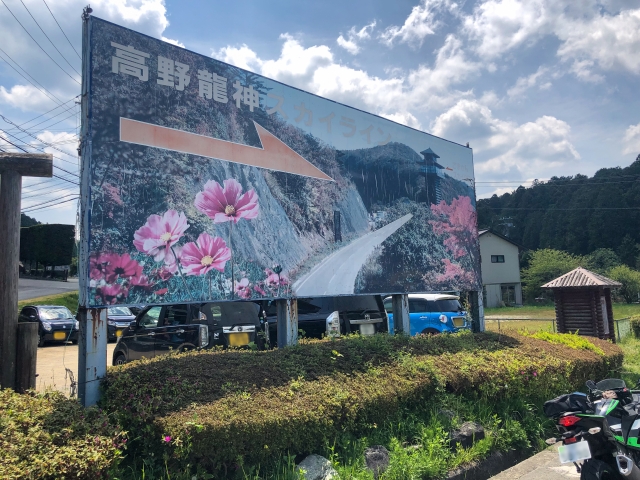
[Totsukawa Onsen] ➔ Route 168 North ➔ Route 371 / Mount Koya Skyline ➔ [Koyasan Sacred Temple Town] ➔ Kudoyama ➔ Osaka
07:30 AM – Dawn over the Dam Lake & Morning Drive
Wake early to the sound of songbirds echoing across the lake. Dip into the morning thermal baths as the fog rises off the emerald surface of the water. Fuel up with a hearty traditional breakfast of grilled salmon, dashi-infused omelet (Tamagoyaki), local pickles, and miso soup boiled over a small tabletop burner.
By 08:30 AM, strap back into the bucket seat of the Toyota 86. The cold morning air means the engine's intake receives dense, oxygen-rich oxygen, making the boxer engine feel noticeably punchy as you thumb the start button and set off back north along Route 168.
09:30 AM – The Pilgrimage Intersection: Kumano Kodo Touge Transition
As you head back northward, turn onto the mountain road toward the western pass that connects Nara to Wakayama Prefecture. You are now crossing lines that intersect with the Kumano Kodo—the ancient network of pilgrimage trails traversed for over a thousand years by emperors, samurai, and ascetic monks seeking enlightenment in these sacred peaks.
Here, the elevation begins to gain rapidly. The Toyota 86 shines on uphill climbs. While heavy, high-powered turbocharged cars struggle with turbo lag or feel clumsy on tight hairpins, the naturally aspirated 86 allows you to hold high RPMs right in the powerband. Downshifting to 2nd gear at 5,000 RPM, the revs soar effortlessly, pushing you back into the bolsters of the driver's seat as the tires bite into the cambered turns.
11:00 AM – The Ridge Line Odyssey: Mount Koya Skyline (Route 371)
Merge onto Route 371, also known as the Koya-Ryujin Skyline. This is widely regarded by Japanese motorsport journalists and touge enthusiasts as one of the premier driving roads in Eastern Asia.
- Road Characteristics: Tracing the high mountain ridges at elevations exceeding 1,000 meters above sea level, Route 371 offers sweeping double-apex corners, gentle crests, and panoramic vistas looking down over endless seas of mountains extending toward the Pacific horizon.
- The Driving Feel: The tarmac here is smooth and high-grip. The chassis balance of the Toyota 86 allows you to set up the car for turns with incredible finesse. Trail-braking into long sweeping rights, feeling the weight transfer subtly onto the front outer tire, and then smoothly applying throttle to maintain a neutral line across the ridge is pure automotive bliss. There are no traffic lights, no intersections—just miles of pure rhythmic driving flow.
01:00 PM – Arrival at the Mountain Citadel: Koyasan (Mount Koya)
Emerging from the secluded ridge line road, you enter the ancient mountain plateau of Koyasan. Founded in 816 AD by the legendary monk Kobo Daishi (Kukai), Mount Koya is the monastic headquarters of Shingon Esoteric Buddhism. Entering this secluded alpine valley feels like stepping through a portal in time.
Park the car near the entrance of Okunoin Cemetery, the sacred heart of Koyasan.
- Okunoin Pilgrimage: Walk beneath thousands of giant, centuries-old Japanese cedar trees that tower over 200,000 ancient stone stupas, moss-covered tombstones, and memorials to feudal warlords (daimyo), monks, and historic figures. The damp air is heavy with the scent of burning incense. At the end of the stone path lies the Torodo Hall (Hall of Lanterns), where over 10,000 eternal brass oil lamps glow in the dim light, burning continuously for centuries.
- Shojin Ryori Lunch: Stop at a traditional temple restaurant within Koyasan to experience Shojin Ryori—traditional Buddhist vegetarian cuisine. Savor Koya-dofu (freeze-dried tofu prepared in delicate dashi broth) and Goma-dofu (velvety sesame tofu topped with freshly grated wasabi). The meal is light, clean, and deeply restorative, clearing your mind for the final stretch of the road trip.
03:30 PM – Descending the Mountain Pass: The Serpent of Kudoyama
Leaving Mount Koya behind, take the winding descent down Route 480 toward Kudoyama. Descending a steep mountain pass tests a car's chassis composure and braking endurance.
In heavy automatics, downhill mountain driving often leads to cooked brakes and sluggish gear hunting. In the manual 86, downshifting into 3rd and 2nd gear utilizes engine braking to effortlessly control your speed down 8% gradients. The ventilated disc brakes provide progressive, predictable pedal feel corner after corner. As you downshift before each tight hairpin, the short-throw gear lever snick-snicks through the gate with mechanical precision.
05:00 PM – The Homeward Stretch: Sunset over Osaka Bay
As you emerge from the foothills of Kudoyama and rejoin the Hanwa Expressway heading north toward Osaka, the dense mountain forest gives way once more to suburban plains and elevated city arterial networks.
The setting sun paints the sky in shades of deep amber and indigo over Osaka Bay. Exhausted yet deeply invigorated, you cruise in 6th gear along the elevated expressway. The mechanical hum of the boxer engine settles into a quiet background purr. In two days, you have covered over 300 kilometers of Japan’s most challenging, breathtaking mountain asphalt—a journey that no train ticket in the world could ever purchase.
Driving Nara & Totsukawa Village in a Toyota 86: Expert Advice & Cultural Nuances
Driving through the remote hinterlands of Nara and Wakayama is an unforgettable adventure, but navigating rural Japan requires a unique understanding of local road culture, unwritten rules, and hidden roadside gems.
1. The Secrets of Michi-no-Eki (Roadside Stations)
Japan’s Michi-no-Eki network is a highway motorist's paradise. Far more than basic service areas, these community-run roadside hubs are cultural and culinary destinations in their own right.
- Local Produce & Souvenirs: When driving through Totsukawa and Yoshino, stop at Michi-no-Eki Totsukawa Gojo or Michi-no-Eki Subaru Park Totsukawa. Here, local farmers deliver fresh mountain produce every morning. Look for wild honey, dried shiitake mushrooms, citrus jams made from local jabara and yuzu fruits, and handcrafted wooden utensils carved from fragrant Nara cedar.
- Free Footbaths (Ashiyu): Many Michi-no-Eki in the Totsukawa thermal region feature free public hot spring footbaths right outside the main building. Keep a small towel in the door pocket of your Toyota 86 so you can pull over, slip off your driving shoes, soak your feet in natural thermal water, and stretch your legs while enjoying a cold local green tea.
2. Etiquette and Driving Manners on Mountain Roads
Japanese drivers on mountain passes are exceptionally polite, but they expect you to understand local driving etiquette:
- Yielding on Narrow Tracks: Sections of older mountain routes in Nara can narrow down to single-lane roads with periodic passing bays (Daihi-jo). If you see an oncoming truck or local car, pull into the nearest bay on your left and flash your hazard lights briefly or give a polite hand nod to let them pass.
- The "Thank You" Hazards: Flashing your hazard lights twice is the universal Japanese road sign for "thank you." If a slower truck pulls over into a turnout lane to let your nimble Toyota 86 pass on an uphill climb, give them two quick blinks of your hazard lights as you merge back in front.
- Blind Corner Mirrors: Mountain roads are lined with large, round convex mirrors installed at every blind bend. Train your eyes to check these mirrors before entering tight hairpins; they give you advance warning of oncoming forestry trucks, local buses, or fellow sports car enthusiasts carving down the pass.
Driving Nara & Totsukawa Village in a Toyota 86: Detailed Logistics & Pre-Trip Tips
To ensure a seamless driving expedition through Nara’s deep wilderness, careful technical and logistical preparation is essential.
1. ETC Card System (Electronic Toll Collection)
Japan’s highway network relies heavily on an automated toll collection system called ETC.
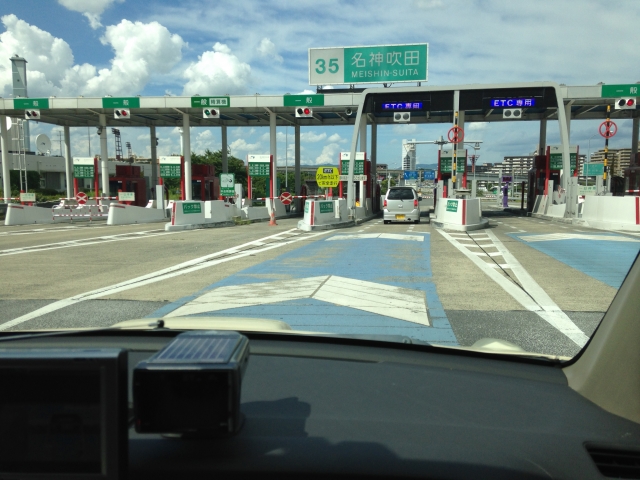
- How it Works: An ETC card is a wireless chip card inserted into a dedicated card reader concealed inside your rental car’s glovebox or dashboard.
- Why You Need It: Expressway toll booths have separate lanes marked in blue for "ETC Only" and green for "Cash/Credit Card." ETC lanes allow you to pass through toll gates at 20 km/h without stopping, saving significant time and providing discounts during off-peak and weekend driving hours. Ensure your rental provider equips your vehicle with an active ETC card before departing Osaka.
2. Navigating Japanese Gas Stations (Gasorin Stando)
Refueling in rural Japan is a straightforward process once you master a few essential Japanese phrases:
- Full Service Stations: Attendants will bow, guide you to the pump, wash your windshield, and take your payment.
- Say: "High-Octane, Mantan, Kado de" (Premium fuel, full tank, paying by credit card).
- Note: The Toyota 86 engine requires Premium High-Octane fuel (indicated by the yellow nozzle labeled ハイオク - Haioku). Do NOT use Regular (red nozzle) or Diesel (green nozzle).
- Self-Service Stations (Sefu): Modern self-service stations feature touch-screen terminals with English language toggles. Select "High-Octane," choose "Full Tank" (Mantan), insert your credit card or cash, refuel, and collect your change from the nearby automated change machine (Seisanki).
3. The Pure Thrill of a JDM Manual Transmission (MT)
While modern automatic transmissions are capable, nothing compares to the mechanical engagement of a Japanese 6-speed manual gearbox on technical mountain roads.
TOYOTA 86 / BRZ COCKPIT SPECIFICATIONS:
- Engine: 2.0L Naturally Aspirated Boxer-4
- Layout: Front Midship Engine / Rear-Wheel Drive (FR)
- Gearbox: 6-Speed Short-Throw Manual
- Steering: Ultra-Direct Rack & Pinion
- Pedal Layout: Optimized for Heel-and-Toe Rev-Matching
The pedal positioning in the Toyota 86 is specifically engineered by Japanese enthusiasts for Japanese roads. The throttle pedal is placed close to the brake pedal, allowing you to easily blip the throttle with the right edge of your shoe while modulating brake force with your toe. Engaging with the machine on this mechanical level transforms an ordinary tourist road trip into an unforgettable driver's pilgrimage.
Driving Nara & Totsukawa Village in a Toyota 86: Comprehensive FAQ
Q1: What legal documents do I need to rent and drive a manual JDM sports car in Japan?
To legally drive in Japan, foreign tourists must present three mandatory documents at the time of vehicle pickup:
- Your Original Valid Driver's License issued by your home country.
- An International Driving Permit (IDP) issued under the 1949 Geneva Convention on Road Traffic. (Note: Permits issued under the 1968 Vienna Convention or other treaties are NOT accepted in Japan).
- Your Original Passport containing your valid temporary visitor entry stamp.
Special Exception: Drivers holding licenses from Switzerland, Germany, France, Belgium, Monaco, or Taiwan must provide an official, certified Japanese translation of their home license issued by the Japan Automobile Federation (JAF) or their respective embassy/consulate in Japan, along with their original home license and passport.
Q2: Is driving a manual transmission sports car in Japan difficult if I am used to left-hand drive (LHD)?
Japan drives on the left side of the road, meaning driver seats are on the right side of the vehicle (RHD). You will operate the gear shifter with your left hand. While this may feel unfamiliar for the first 10-15 minutes, the intuitive layout of the Toyota 86 makes adaptation extremely quick. Furthermore, once you leave Osaka's city streets and enter the flow of mountain driving, right-hand drive gives you superior visibility when sighting apexes and navigating tight right-hand hairpins.
Q3: What is the winter road condition situation in Totsukawa and Mount Koya?
During late spring, summer, and autumn (April through November), driving conditions in Nara are immaculate. However, during deep winter (December through March), high-elevation passes such as the Mount Koya Skyline (Route 371) and elevated mountain sections of Route 168 can experience ice and snow accumulation. If traveling in winter, request winter snow tires (studless tires) from your rental provider, check daily road condition updates, and monitor mountain pass weather reports.
Driving Nara & Totsukawa Village in a Toyota 86: The Final Thoughts
The mist hovering over the cedar-clad peaks of Totsukawa, the thermal steam rising from pure mountain hot springs, the ancient solitude of Mount Koya, and the crisp, mechanical mechanical bark of a high-revving boxer engine echoing off canyon walls—this is the Japan that rail passes can never show you.
To experience this sacred landscape as it was meant to be experienced, you need more than just a car; you need a machine crafted for the love of driving.
Ready to turn the key, slip into gear, and embark on your own mountain road trip through the heart of Secret Japan?
Book your dream JDM machine at Omoren Rent-a-car Osaka Chuo (おもしろレンタカー大阪中央店) today. Located conveniently in the central heart of Osaka, Omoren Osaka Chuo specializes in meticulously maintained, enthusiast-grade Japanese sports cars—including the iconic 6-speed manual Toyota 86 and Subaru BRZ. Equipped with ETC card readers, modern navigation, and full insurance options, Omoren Osaka Chuo is your ultimate launching pad for the road trip of a lifetime.
Reserve your Toyota 86 at Omoren Rent-a-car Osaka Chuo now, buckle up, and go discover the thrilling, untouched roads of Nara!