
1. The Philosophy of Driving in Japan: Why Leaving the Rails Unlocks the True Secret Japan
For over a decade, my life was dictated by precise steel schedules, strict signals, and the rhythmic clack-clack of wheels gliding along the Kintetsu Railway tracks. As a former train conductor in the Kansai region, I held immense pride in Japan’s legendary rail network. The Shinkansen is an engineering marvel, and commuter trains run with atomic precision. But as a conductor standing at the rear window of a train, watching platform lights vanish into the dark, I learned a fundamental truth about Japanese travel: steel rails only take you where thousands of others have already been. Trains thread through high-rise urban concrete and high-walled mountain tunnels, completely bypassing the soul of rural Japan.
When I hung up my uniform and swapped my conductor's watch for a leather-wrapped steering wheel, my whole perspective shifted. Driving thousands of miles across Japan’s prefectures revealed what I now call "Secret Japan"—a vast, breathtaking realm of quiet fishing villages, sweeping coastal apexes, mist-shrouded mountain passes, and roadside artisan kitchens that exist completely out of reach from any train station.
Now, as an automotive enthusiast running a specialized JDM (Japanese Domestic Market) sports car rental operation in Osaka, I spend my days helping travelers experience this exact freedom. While most international tourists pack themselves onto crowded platforms at Shin-Osaka or Kyoto Station, the true adventurer knows that Kansai's greatest treasures lay just beyond the asphalt horizon.
Among all the escapes accessible from Osaka, none offers a more intoxicating combination of pristine coastal sweepers, sweeping mountain elevation changes, rich historical mythology, and culinary perfection than Awaji Island (淡路島) in Hyogo Prefecture.
Awaji Island is the mythical birthplace of Japan. According to the Kojiki (Japan’s ancient chronicle of myth and history), the gods Izanagi and Izanami churned the ocean with a jeweled spear, and the first drop that crystallized became Awaji Island. Floating serene in the Seto Inland Sea, it acts as a magical bridge connecting Honshu to Shikoku.
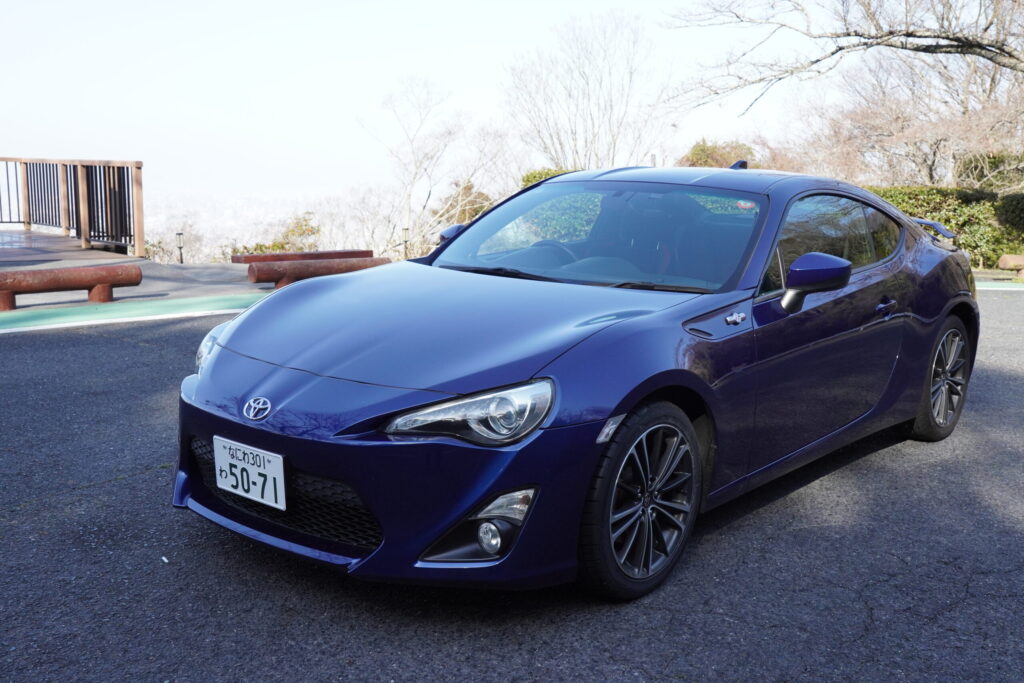
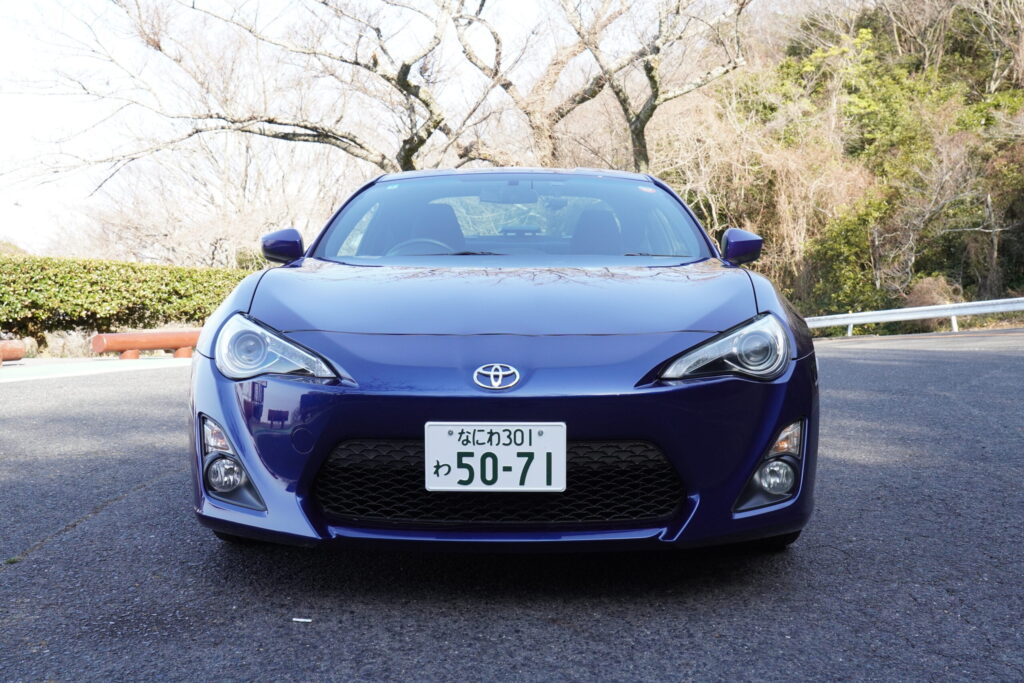
To experience Awaji by tourist bus or limited public transport is to read only the table of contents of a masterwork novel. To experience Awaji behind the wheel of an analog, driver-focused sports car—specifically a lightweight, front-engine, rear-wheel-drive Toyota 86—is to step directly into the story.
When you sit low in the cockpit of a Toyota 86, your hip point sits mere inches above the tarmac. The naturally aspirated boxer engine hums eager at idle. As you slot the short-throw manual shifter into first gear and clear the urban sprawl of Osaka, the city’s concrete towers give way to the sprawling blue horizon of the Seto Inland Sea. Here, speed limits are relaxed, the sea breeze sweeps through open windows, and every twist of the coastal highway feels tailor-made for a driver’s car.

2. Awaji Island 2-Day Itinerary: The Deep Dive Coastal & Mountain Circuit
This is not a generic sightseeing itinerary. This is an hour-by-hour operational flight plan designed specifically for drivers who love the craft of operating a machine, appreciate world-class regional food, and seek sights off the standard tourist trail.
       [ Osaka Starting Point ]
                  │
                  ▼
    [ Akashi Kaikyo Bridge Crossing ]
                  │
                  ▼
  [ Awaji Northern Coastline (Hokudan) ]
                  │
                  ▼
     [ Mount Yuzuruha Mountain Pass ]
                  │
                  ▼
[ Fukura Bay & Naruto Whirlpools (South) ]
                  │
                  ▼
    [ East Coast Sunset Route Return ]
DAY 1: Crossing the Megastructure & Carving the West Coast
08:00 AM – Departure from Osaka: The Urban Awakening
Your journey begins in the heart of Osaka as the city awakens. Starting early allows you to beat the heavy commercial traffic heading toward Kobe. Settle into the Toyota 86's supportive bucket seats, adjust your mirrors, and fire up the 2.0-liter flat-four engine. The exhaust emits a distinct mechanical burble that settles into a smooth, steady pulse.
Merging onto the Hanshin Expressway Route 3 (Kobe Line), you head west. The elevated expressway cuts through Osaka’s urban canyons before sweeping along the industrial coast of Kobe. Feel how the Toyota 86 reacts to input—the steering is razor-sharp, communicating every subtle texture of the pavement straight to your palms. As a conductor, I used to feel the track quality through the vibration of the floorboards; in the 86, that connection is magnified tenfold.
09:15 AM – The Gateway: Crossing the Akashi Kaikyo Bridge
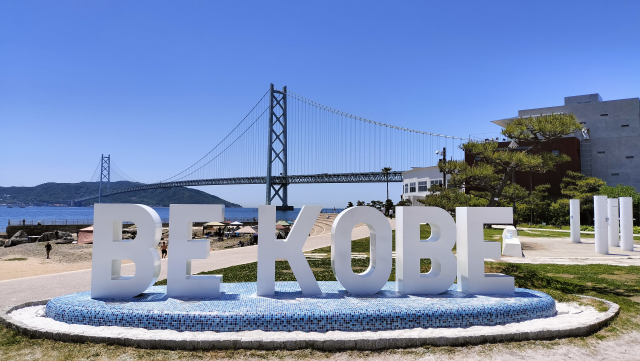
As you clear Kobe, the horizon suddenly opens up to reveal one of the world's greatest engineering marvels: the Akashi Kaikyo Bridge. Spanning nearly 4 kilometers across the turbulent Akashi Strait, this colossal suspension bridge suspended high above the turquoise sea serves as the gateway to Awaji Island.
Steering the Toyota 86 onto the bridge structure is an awe-inspiring experience. Towering steel pylons reach into the clouds while the vast Seto Inland Sea stretches infinitely to the west. Crosswinds dance across the deck, but the low center of gravity and planted chassis of the 86 keep you locked in your lane with absolute stability. Below your tires, cargo ships look like toy boats. Downshift to 4th gear, roll onto the throttle, and take in the panoramic vista of Awaji Island rising out of the water ahead of you.
09:45 AM – Awaji Highway Oasis & Hokudan Intersect
Immediately after crossing the bridge, take the Awaji Interchange exit toward the Awaji Highway Oasis. This isn't just a rest stop—it's a high-altitude viewpoint overlooking the entire Akashi Strait.
Park the 86 among the local sports cars that often congregate here on morning drives. Take five minutes to step out onto the observation deck. The morning air smells crisp, salted by the sea and laced with the pine aroma of the island hills. Grab a fresh hot cup of locally roasted coffee from the pavilion and admire the mechanical silhouette of your car against the backdrop of the suspension bridge you just conquered.
10:30 AM – The Sunset Line (Route 31): Coastline Perfection
Leaving the Oasis, drop down onto Prefectural Route 31, famously known as the Awaji Sunset Line. While sunset is spectacular here, the mid-morning light casting golden sparkles on the Seto Inland Sea is equally mesmerizing.
Route 31 hugs the western shoreline of Awaji Island for over 40 kilometers. The road hugs the contours of rocky cliffs, dipping down to ocean level before climbing gently over coastal bluffs.
- Driving Dynamics: This stretch features sweeping medium-speed turns that showcase the perfect 53:47 weight distribution of the Toyota 86. Slot the gear lever into 3rd gear. The engine sits right in its sweet spot around 4,000 RPM. As you turn in, the chassis responds instantly without a hint of body roll. Heel-and-toe downshifts into the tighter coastal corners feel remarkably natural as the pedals are spaced perfectly for sports driving.
- Sensory Details: The windows down, sea spray misting lightly, the dry intake howl of the boxer engine reflecting off the concrete seawalls, and the rhythmic flash of sunlight through coastal pine trees.
11:45 AM – Ancient Mythology: Izanagi Jingu Shrine
Turn inland briefly via Route 88 toward the quiet interior valley of Tsubushi to visit Izanagi Jingu (伊 get-together), the oldest Shinto shrine on Awaji Island and arguably in all of Japan.
Park beneath the ancient camphor trees. The atmosphere here is thick with history. Walk up the wide gravel path—the crunch of stone beneath your boots breaking the serene silence. Izanagi Jingu is dedicated to the creation gods of Japan. Inside the courtyard stands a massive 900-year-old twin camphor tree (Renri no Kusunoki), two trunks grown together as one, symbolizing enduring harmony and safe travels.
Pay your respects, collect a traditional travel protection amulet (Omamori) to hang from your rearview mirror, and immerse yourself in the quiet power of an ancient spiritual sanctuary far removed from the city crowds.
01:00 PM – Culinary Pitstop: Awaji Onion Beef & Fresh Coastal Fare
Driving works up an appetite, and Awaji Island is world-renowned throughout Japan for three culinary treasures: Awaji sweet onions, Awaji Beef, and ultra-fresh seafood. Awaji onions are unique—grown in rich mineral soil and exposed to sea breezes, they contain nearly double the sugar content of standard onions and none of the sharp bite.
Pull up to a local coastal eatery along Route 31. Order a traditional Awaji Beef Donburi—thinly sliced, marbled local Wagyu beef flash-seared over high heat, topped with caramelised Awaji sweet onions, a raw local egg yolk, and served over steaming rice.
The first bite is an explosion of savory flavor: the melt-in-your-mouth richness of the beef balanced by the deep, natural sweetness of the onions. Pair it with a side of crispy raw onion salad splashed with fresh yuzu ponzu.
02:30 PM – Carving the Mountain Pass: Mount Yuzuruha (Route 48 to Route 56)
With your appetite satisfied, it's time to test the Toyota 86 on something more technical. Head south-east toward the spine of the island to tackle the mountain passes surrounding Mount Yuzuruha, the highest peak on Awaji Island (608 meters).
Leaving the coastal flats, Route 48 narrows into a technical ribbon of tarmac that climbs aggressively into lush, dense forest canopy. The temperature drops noticeably as mist settles over the evergreen trees.
- Technical Breakdown: This is pure touge driving. Hairpin turns, tight camber shifts, and steep climbs demand your full attention. The Toyota 86 shines here better than high-horsepower supercars. Because it relies on agility, balance, and lightweight precision rather than raw straight-line speed, you can exploit its full rev range without exceeding safe limits.
- The Drive: Work through 2nd and 3rd gear. Lightly tap the brakes before turn-in, feel the front end bite into the apex, and roll onto the gas as the mechanical limited-slip differential smoothly delivers power to the rear wheels, propelling you cleanly out of the corner. The sound of the engine bouncing off the mountain rock walls is pure automotive music.
04:30 PM – Fukura Bay: The Southern Tip
Descending the south side of the mountain pass, you arrive at Fukura Bay, a picturesque port town at the southern extremity of Awaji Island.
Walk along the harbor front where wooden fishing boats bob rhythmically in the tide. The air carries the rich, pungent scent of salt water and roasting seafood. Local vendors near the harbor grill fresh sea urchin, turban shells (Sazae), and giant clams over open charcoal braziers.
Grab a freshly grilled clam sizzled with a drop of local soy sauce. The meat is sweet, savory, and incredibly fresh.
06:00 PM – Sunset at Keino Matsubara & Check-in
Drive 15 minutes north along Route 25 to Keino Matsubara (慶野松原), a stunning 2-kilometer stretch of white sand beach framed by tens of thousands of ancient, gnarled Japanese black pine trees. This spot is designated as one of Japan’s Top 100 Sunset viewpoints.
Park the 86 facing the sea. As the sun drops toward the Seto Inland Sea, the sky transforms into a gradient of burnt orange, deep purple, and fiery crimson. The silhouette of your car against the glowing ocean horizon creates a moment of absolute calm—a stark contrast to the frantic pace of neon-lit cities.
Check into a local coastal Ryokan (traditional Japanese inn) along the southwest coast. Soak in an open-air hot spring (Rotenburo) overlooking the ocean, listening to the gentle crash of waves, before enjoying a full multi-course Kaiseki dinner featuring fresh octopus, red sea bream, and local seasonal vegetables.

DAY 2: The Rugged South Coast & Inland Treasures
08:30 AM – Dawn Start: The South Coast Highway (Route 76)
Wake up to the sound of gulls and sea breeze. After a traditional breakfast of grilled fish, miso soup, and rice, strap into the 86 for what is arguably the most dramatic driving road in Kansai: Prefectural Route 76 (Awaji Nankai Highway).
The southern coast of Awaji Island is wild, rugged, and completely undeveloped compared to the north. Route 76 clings precariously to sheer granite cliffs that plunge hundreds of feet straight into the roaring Pacific Ocean.
- Road Character: Route 76 is a masterpiece of road engineering. It weaves through blind crests, sweeping elevated viaducts, and tight cliffside turns. Traffic here is virtually non-existent early in the morning.
- Driving Experience: In the 86, turn off the audio system, drop the windows, and feel the raw mechanical connection. The road undulates like a roller coaster. The steering feedback allows you to place the tires with millimeter accuracy right along the white edge line. Every shift of the short-throw manual gearbox feels mechanical, precise, and deeply satisfying.
10:30 AM – The Whirlpools of Naruto (Naruto Strait)
Arrive at the southernmost point of the island near the Onaruto Bridge. Below this bridge lies the Naruto Strait, home to one of the ocean's most remarkable natural phenomena: the Naruto Whirlpools.
Caused by the dramatic tide difference between the Seto Inland Sea and the Pacific Ocean squeezed through a narrow 1.3-kilometer channel, water rushes through at speeds exceeding 20 km/h, creating massive swirling vortices up to 20 meters in diameter.
Take a walk out onto the Uzu no Michi—a glass-floored walkway built underneath the bridge structure directly above the roaring ocean current. Looking down through the glass at the foaming, churning whirlpools 45 meters below is a spine-tingling experience that reveals the sheer power of Japan's marine geography.
12:30 PM – Sumoto Castle Ruins: High Elevation Vantage Point
From Naruto, take Route 76 north as it curves along the eastern coast toward Sumoto, the historical administrative heart of Awaji Island.
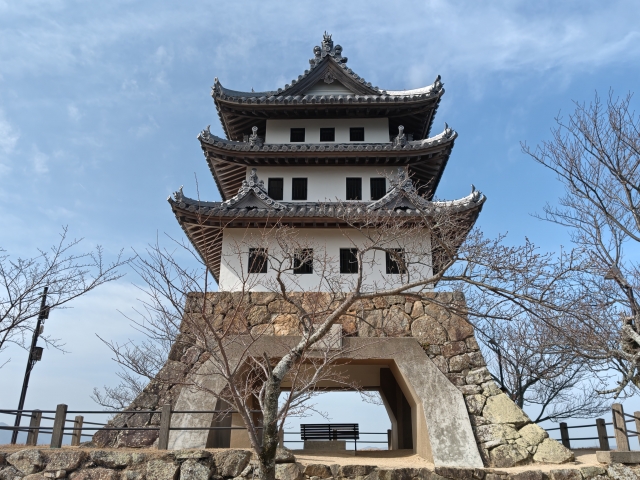
Drive up the winding access road to the top of Mount Mikumo to visit the Sumoto Castle Ruins (洲本城跡). Built originally in 1526, this mountain fortress (Yamashiro) features massive stone walls that have stood guard over Sumoto Bay for five centuries.
Walk along the ancient stone ramparts. From this elevated perch, you get a 360-degree panoramic view: the sweep of Sumoto town below, the blue waters of Osaka Bay stretching eastward, and the lush green mountain interior behind you. It’s an ideal spot to sit, catch your breath, and appreciate the scale of your driving route across the island.
02:00 PM – Lunch: Awaji Seafood Bowls at Sumoto Port
Head down to the Sumoto port area for a late lunch. Find a local Kaisen-don (raw seafood bowl) specialty restaurant where local fishermen bring their daily catch.
Order the Kaisen-don with Sea Urchin (Uni) and Sea Bream (Tai). The sea bream from the fast-moving currents of Awaji is renowned throughout Kansai for its firm texture and rich flavor. The sea urchin is golden, creamy, and naturally sweet without any bitterness. Paired with freshly grated local real horseradish (Wasabi), it is a dining experience that no city restaurant can replicate.
03:30 PM – Awaji Yumebutai: Architectural Masterpiece
Heading north along the eastern coast on Route 28, make your final major stop at Awaji Yumebutai (淡路夢舞台), a grand complex designed by world-renowned Japanese architect Tadao Ando.
The story behind Yumebutai is fascinating: this mountain side was heavily quarried in the early 1990s to provide soil for the construction of Kansai International Airport. To heal the scarred land, Ando designed a visionary complex of concrete, water, and flora.
Walk through the Hyakudangen ("The Hundred Terraced Gardens")—a massive stepped garden built into the hillside consisting of 100 square flower beds arranged in a grid, linked by concrete stairways and flowing water channels. The contrast between Ando’s minimalist raw concrete architecture, the vibrant flower colors, and the background ocean blue is visually stunning.
05:30 PM – The Final Run: Route 28 North to Akashi Kaikyo Bridge
As the late afternoon sun casts long shadows across the road, begin your final leg north on Route 28 toward the Akashi Kaikyo Bridge.
The road widens into a smooth, double-lane coastal boulevard. The Toyota 86 cruises effortlessly in 6th gear. Reflect on the past 48 hours: you’ve carved technical mountain passes, cruised coastal highways, tasted world-class local delicacies, walked ancient temple grounds, and experienced a side of Japan that train passengers will never see.
Cross back over the illuminated Akashi Kaikyo Bridge as the Kobe and Osaka city lights begin to sparkle on the far shore, bringing your epic Awaji Island driving adventure to a memorable close.
Day 1 Morning: Osaka Departure & Coastal Cruise
08:00 - 12:00
Depart Osaka via Hanshin Expressway, cross the Akashi Kaikyo Bridge, and carve Route 31 (Awaji Sunset Line).
Day 1 Afternoon: Culture, Touge Pass & Sunset
12:00 - 18:30
Visit Izanagi Jingu, tackle Mount Yuzuruha mountain pass in the 86, explore Fukura Bay, and watch sunset at Keino Matsubara.
Day 2 Morning: Wild South Coast & Whirlpools
08:30 - 12:30
Drive the dramatic Route 76 ocean cliffs and witness the natural wonder of the Naruto Whirlpools.
Day 2 Afternoon: Castle Views, Local Eats & Yumebutai
12:30 - 18:00
Explore Sumoto Castle Ruins, enjoy fresh Kaisen-don at Sumoto Port, visit Tadao Ando's Yumebutai, and return to Osaka.
3. Expert Advice & Cultural Nuances for Driving in Japan
Driving in a foreign country can feel intimidating, but Japan is universally recognized as one of the safest, most polite, and enjoyable driving environments in the world. However, understanding local driving etiquette and roadside culture will elevate your road trip from good to unforgettable.
The Magic of Michi-no-Eki (Roadside Stations)
One of the greatest cultural discoveries for any foreign driver in Japan is the Michi-no-Eki (道の駅). These are state-designated roadside rest stations, but calling them "rest stops" does them a massive disservice. They are hubs of local culture, agriculture, and regional gastronomy.
On Awaji Island, stopping at a Michi-no-Eki like Michi-no-Eki Uzushio or Michi-no-Eki Awaji is an event in itself:
- Fresh Local Produce: Farmers bring fresh-harvested Awaji onions, seasonal citrus fruit (Naruto Mikan), and regional honey daily.
- Gourmet Street Food: Forget stale vending machine sandwiches. Expect freshly fried onion croquettes, soft-serve ice cream made from local Awaji dairy milk, and piping-hot grilled squid.
- Souvenirs (Omiyage): You'll find exclusive food items packaged beautifully that are sold nowhere else in Japan.
Cultural Etiquette on the Road
Japanese traffic culture operates on mutual respect, patience, and politeness. Adhering to these unwritten rules makes your drive smooth and stress-free:
- The "Thank You" Hazard Lights: When merging into busy traffic or when another driver pulls over to let you pass on a narrow mountain road, flash your hazard lights twice (pika-pika). This is the universal Japanese road sign for "Thank you."
- Pedestrian Priority: At non-signalized crosswalks, always stop for pedestrians waiting to cross. It is strictly enforced and culturally expected.
- Speed Limits & Flow of Traffic: Speed limits on Japanese rural roads are officially set low (often 40–50 km/h), but the general flow of traffic moves comfortably at safe, natural speeds. Drive smoothly, stay observant, and adapt to the pace of local traffic.
- Narrow Mountain Passes (Koku): Some secondary mountain roads on Awaji can narrow down to a single lane. Keep your eyes far ahead. Look out for wide spots in the road (Sashiai) designated for passing incoming cars. If an oncoming vehicle approaches, pull into the nearest wide spot and wave them through.
4. Detailed Logistics & Pre-Trip Tips
Navigating Japanese roads in a sports car requires a clear understanding of the infrastructure, toll systems, and fueling procedures.
The ETC System (Electronic Toll Collection)
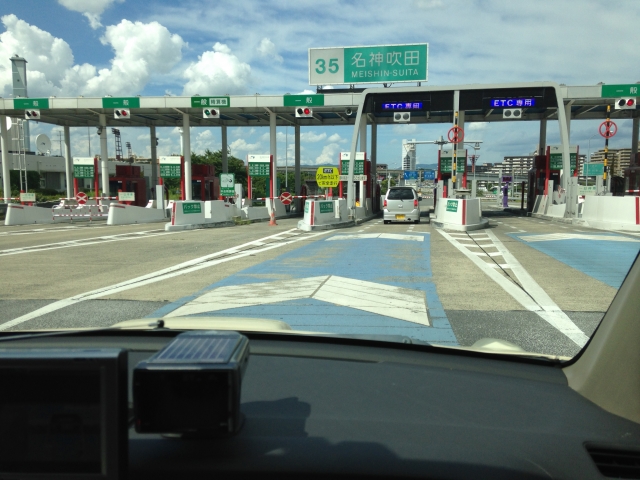
Japan’s highway network relies heavily on tolls, which are collected via the ETC (Electronic Toll Collection) system.
- How it Works: Rental cars equipped with an ETC card reader allow you to pass through highway toll gates without stopping to pay cash. The system automatically logs your journey, and you settle the toll balance when returning the car.
- Lane Selection: When approaching a highway toll gate, look at the overhead signs:
- ETC (Purple Signs): Drive through at 20 km/h without stopping. The barrier arm will raise automatically.
- 一般 / Cash (Green Signs): Stop completely to take a ticket or pay via cash/credit card.
- Pro Tip: Always ensure your rental car includes an ETC card—it saves significant time and money via weekend highway discounts.
Fueling Up: Mastering the Japanese Gas Station
Gas stations (Gasorin Stand) in Japan come in two varieties: Full Service and Self Service (Self).
When driving a performance car like the Toyota 86, you must fuel up with Premium/High-Octane Gas (ハイオク - Hai-oku). Standard regular gas (Regurā) will cause engine knock and reduce performance in high-compression engines.
| Term / Command | Japanese Phrase | Pronunciation | Meaning |
| Premium Gas | ハイオク | Hai-oku | High-Octane (Required for 86) |
| Regular Gas | レギュラー | Regurā | Standard Unleaded |
| Fill It Up | 満タン | Man-tan | Full Tank |
| Cash | 現金 | Genkin | Cash Payment |
| Credit Card | クレジットカード | Kurejitto Kādo | Card Payment |
- Full Service Etiquette: Pull up to the pump. The attendant will guide you with hand signals. Open your window and say: "Hai-oku, Man-tan, Kurejitto kādo de" (High-octane, fill it up, by credit card). The staff will fuel the car, clean your windshield with a damp towel, and bow as you pull back onto the road.
Parking Precision
Parking in Japan is exceptionally orderly:
- Back-In Parking: It is standard practice across Japan to back into parking spaces (Reverse Parking). This makes pulling out onto busy streets significantly safer.
- Coin Parking Lots: In smaller towns like Sumoto, you’ll encounter automated coin parking lots. Park over a space; after a few minutes, a small metal flap locks under the chassis. To leave, type your space number into the payment machine, pay the cash/card fee, and the barrier lowers.
The Thrill of Driving a Manual JDM Icon (Toyota 86)
Driving an analog rear-wheel-drive sports car in its home country is a bucket-list experience for any enthusiast. The Toyota 86 features a high-revving 2.0-liter boxer engine, a crisp 6-speed manual transmission, and light, tactile power steering.
Unlike modern turbocharged sports cars that rely heavily on electronic driver aids and isolated speed, the 86 rewards driver skill. Rev-matching downshifts entering a coastal hairpin on Awaji Island, feeling the mechanical traction through the rear tires, and hearing the exhaust echo off sea walls is a visceral sensory rush that no automatic commuter rental car can ever replicate.
5. Comprehensive FAQ for International Drivers
Q1: What international driving documentation is required to drive in Japan?
To legally drive a rental vehicle in Japan, you must present three documents at pickup:
- Your valid physical Passport.
- Your valid original Driver’s License issued by your home country.
- An International Driving Permit (IDP) issued under the 1949 Geneva Convention.
- Critical Warning: IDPs issued under the 1968 Vienna Convention are NOT valid in Japan.
- Exceptions: Drivers holding licenses from Switzerland, Germany, France, Belgium, Monaco, or Taiwan do not use an IDP. Instead, they must present their original license alongside an official Japanese translation issued by the Japan Automobile Federation (JAF) or their nation's respective embassy in Japan.
- Ensure your IDP is physically printed and stamped; digital copies or smartphone pictures are strictly rejected under Japanese transport law.
Q2: Is rental insurance included, and what coverage should I get?
Basic mandatory third-party liability insurance is included with rental cars in Japan. However, when renting a sports or enthusiast car, it is strongly advised to opt for full CDW (Collision Damage Waiver) and NOC (Non-Operation Charge) waiver coverage. This ensures zero out-of-pocket expenses for minor scrapes or mechanical downtime in the event of an incident.
Q3: I haven't driven a manual transmission (MT) car in a while. Will I struggle?
Japan's traffic environment outside major city centers is calm, predictable, and very forgiving. The Toyota 86 features a smooth, forgiving clutch engagement with excellent pedal feedback, making it one of the easiest modern manual sports cars to operate. Once clear of Osaka’s city limits, traffic on Awaji Island flows smoothly with minimal stop-and-go driving, giving you plenty of room to refresh your manual driving skills with confidence.
Q4: Are the roads on Awaji Island safe in winter?
Unlike the Japanese Alps or Hokkaido, Awaji Island enjoys a mild Seto Inland Sea coastal climate year-round. Snow and freezing black ice are extremely rare along coastal roads and lower elevation passes. The route is an ideal driving destination during autumn, winter, and spring.
6. The Final Thoughts: Start Your Engine in Osaka
Travel is not merely about reaching a destination; it is about how you choose to experience the distance between points.
You can join the thousands of tourists packed into train cars, staring at concrete sound barriers as the landscape flashes by in a blur. Or you can take control of your own journey—gripping a leather steering wheel, shifting down into third gear, and feeling the instant response of a Japanese sports car as the ocean air rushes through your window along the Awaji coast.
The winding roads of Awaji Island, the towering span of the Akashi Kaikyo Bridge, the savory aroma of sizzling Awaji beef, and the legendary touge passes of Hyogo Prefecture are waiting for you.
When you are ready to stop being a passive spectator and become the driver of your own adventure, your JDM keys are waiting in Osaka.
Visit us at Omoren Osaka Chuo (おもしろレンタカー大阪中央店). Located conveniently in Osaka, we specialize in meticulously maintained, driver-focused Japanese sports cars—including manual Toyota 86s, tuned JDM icons, and performance machines built for real enthusiast road trips.
Your ultimate Japanese driving story begins the second you turn the key. Reserve your Toyota 86 today, plot your route to Awaji Island, and discover the Secret Japan that only a sports car can unlock.