The Philosophy of Driving in Japan: Beyond the Rails
As a former conductor for the Kintetsu Railway, I spent years of my life watching the Japanese landscape blur past from behind a glass partition. I know the rhythm of the rails—the precise cadence of the shinkansen, the hum of the suburban commuter lines, and the clockwork efficiency that moves millions. But there is a fundamental flaw in experiencing Japan solely by train: you are a spectator, never a participant. You are tethered to a rigid schedule, confined to the beaten path, and detached from the soul of the terrain.
When I stepped off the train for the last time and picked up the keys to my first JDM sports car, my perspective shifted forever. The "Secret Japan" is not found in the stations; it is found in the places where the asphalt snakes through ancient cedar forests and over mountain passes where the silence is broken only by the mechanical harmony of a high-revving flat-four engine.
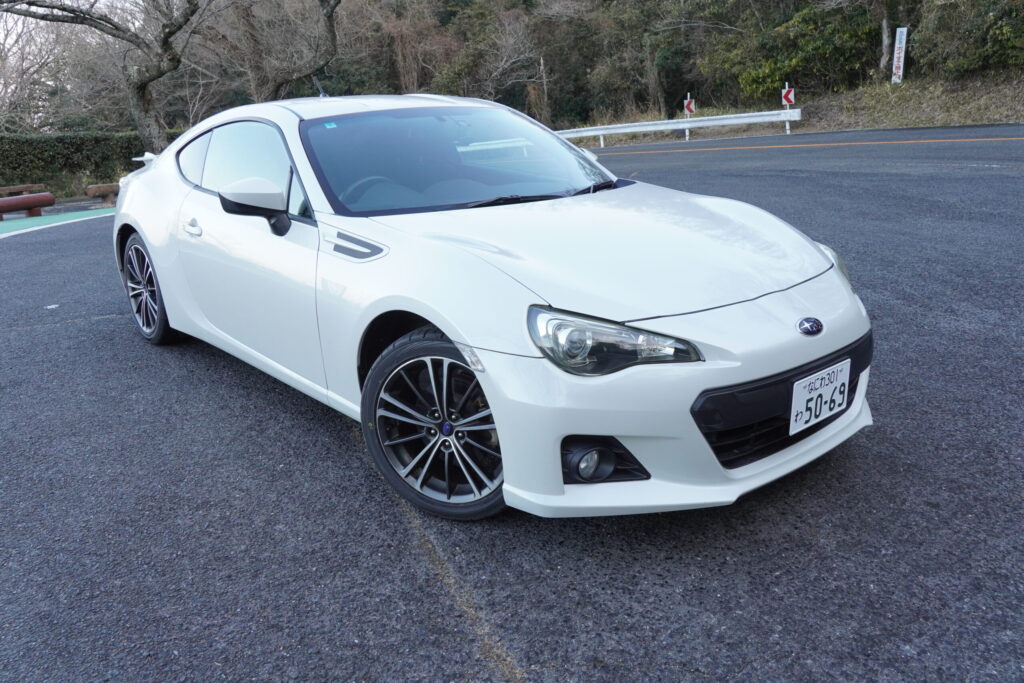
For the automotive enthusiast, especially those behind the wheel of a perfectly balanced machine like the BRZ, Kyoto is not just a city of temples; it is a gateway to the highlands. To drive here is to engage in a conversation with the road. It’s about the tactile feedback through the steering wheel, the shift points on a hairpin turn, and the sheer exhilaration of conquering an elevation change that no train could ever master. When you pilot your own car out of the urban sprawl of Osaka, you shed the identity of a "tourist" and become an explorer. You are no longer just passing through; you are claiming the landscape, corner by corner, on your own terms.

The BRZ Highlands Itinerary: A 2-Day Deep Dive
This is not a guidebook tour. This is a pilgrimage to the north, where the neon lights of Kyoto fade into the mist-shrouded peaks of the Tamba Highlands.
Day 1: The Ascent into the Cloud Forests
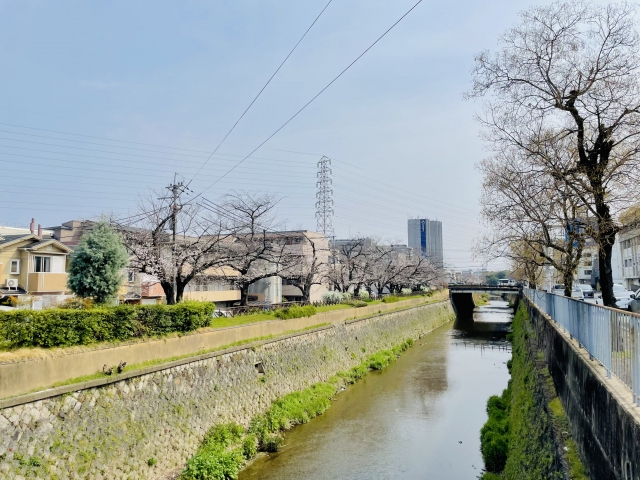
08:00 AM – Departure from Osaka Leave the city before the morning congestion hits. As you hit the arterial highways, feel the BRZ settle into its rhythm. The low center of gravity—the hallmark of the Boxer engine—makes even the mundane highway transition feel purposeful.
10:00 AM – The Shuzan Highway (National Route 162) This is your proving ground. The Shuzan Highway, once the "Saba Kaido" (Mackerel Road) used to transport fresh fish from the Sea of Japan to the imperial capital, is a masterpiece of mountain engineering. The road is a relentless series of rhythmic curves that test your throttle control. The BRZ’s chassis begs to be pushed here, allowing you to dance through the tight corners with surgical precision.
12:30 PM – Lunch in Keihoku Stop at the Roadside Station Woody Keihoku. This is where the locals gather. Order the Saba Soba—a local specialty reflecting the history of the road. It’s simple, hearty, and tastes like the mountain air itself.
02:00 PM – The Miyama Kayabuki-no-Sato As you descend into the valley, you’ll find Miyama. This village, with its thatched-roof houses, feels like a time capsule. Pull your car over and take in the contrast: the sleek, modern silhouette of your sports car parked against the backdrop of 200-year-old agrarian tradition. It’s a sensory shock—the smell of woodsmoke, the rustle of the wind through the thatch, and the metallic glint of your machine.
04:30 PM – Sunset at the Sea of Japan (Maizuru Bay) Push north to the coast. The road opens up, offering views of the deep, cerulean waters of the Sea of Japan. Find a vantage point overlooking Maizuru Bay. As the sun dips below the horizon, painting the sky in violet and gold, you’ll realize why we drive: to see the moments that the trains miss.

Day 2: The Ridge Lines and the Return
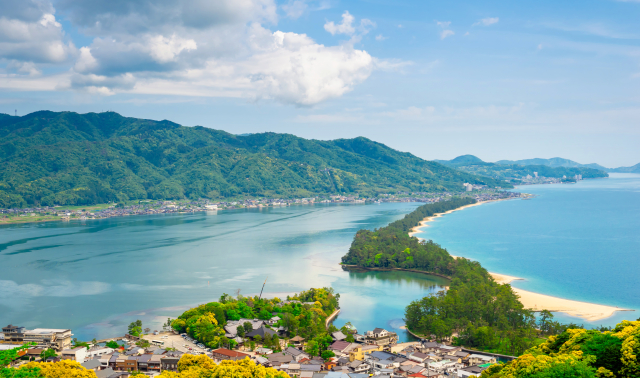
09:00 AM – The Tango Peninsula Loop The coastal roads here are narrow, winding, and unforgiving. This is where you find the true soul of the BRZ. Navigate the cliffs of the San’in Kaigan Geopark. The engine note echoes off the rock faces as you weave through the seaside villages.
12:00 PM – Amanohashidate Stop at the sandbar of Amanohashidate. Known as the "Bridge to Heaven," it’s a natural wonder. Take the cable car up to Kasamatsu Park for the shoryukan (dragon rising) view. It’s a moment of Zen before the technical driving ahead.
02:00 PM – The Highland Retreat Head back south via the mountain interior. Seek out the secondary forest roads. The canopy closes overhead, filtering the sunlight into green shards. Your tires hum against the asphalt; your concentration is absolute.
06:00 PM – Arrival in Osaka Returning to the city is bittersweet. You’ll feel the withdrawal as the speed drops and the traffic density rises. But you return changed, with the memory of mountain air in your lungs and the vibration of the road still in your fingertips.
Expert Advice & Cultural Nuances
Driving in Japan is a culture of respect. The "Roadside Station" (Michi-no-Eki) is the beating heart of rural travel. These are not merely rest stops; they are community hubs featuring regional produce, artisan crafts, and the best local coffee. Never skip them.
When driving, keep an eye out for the "Mountain Spirit." The roads are often shared with local farmers or wandering wildlife. Drive with intent, but remain humble. If a local driver pulls up behind you—even in a tiny kei truck—let them pass. They know the rhythm of these mountains better than anyone.
Detailed Logistics & Pre-Trip Tips
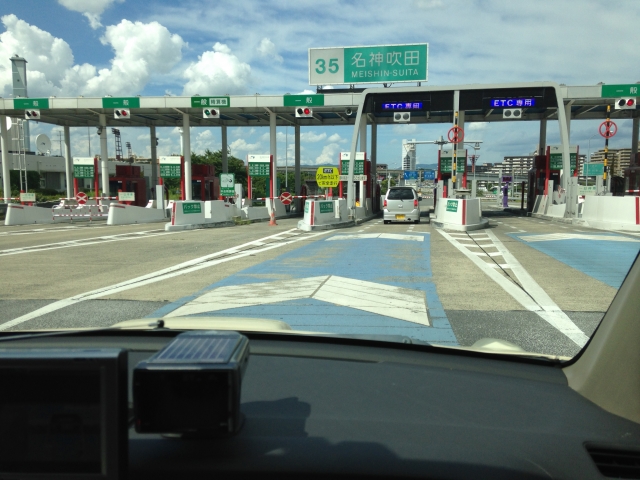
The ETC System: Essential. The Electronic Toll Collection system allows you to pass through highway gates without stopping. Ensure your rental includes an ETC card; it’s a seamless experience that keeps you moving.
The Gas Station Ritual: Pull into a station, roll down your window, and say "Mantan, onegaishimasu" (Full tank, please). If you’re at a self-service station, touch the static electricity discharge pad before fueling. It’s a small, curious detail of Japanese safety culture.
The JDM Experience: Driving a manual transmission (MT) car in Japan is an visceral experience. The gearbox is a physical connection to the heritage of Japanese automotive engineering. You aren't just commuting; you are operating a machine that was born for these very roads.
Comprehensive FAQ
Do I need a special license? Yes. To drive in Japan, you must hold a valid driver's license from your home country and a valid International Driving Permit (IDP) issued under the 1949 Geneva Convention. You must carry both the original license, the IDP, and your passport at all times.
Is driving a manual car difficult? Not if you have experience. The roads are well-maintained, and the traffic etiquette is highly predictable. If you are a car enthusiast, the "H-pattern" shift in a BRZ or 86 on a mountain pass is pure therapy.
How is the insurance? Standard rental insurance is provided, but I always recommend the "Full Coverage" option. Mountain roads can have gravel and narrow shoulders; peace of mind is worth every yen.
What about winter? From December to March, the northern mountains will have snow. Unless you are experienced in winter alpine driving, stick to the main highways or plan your route for the temperate seasons (spring or autumn).
The Final Thoughts
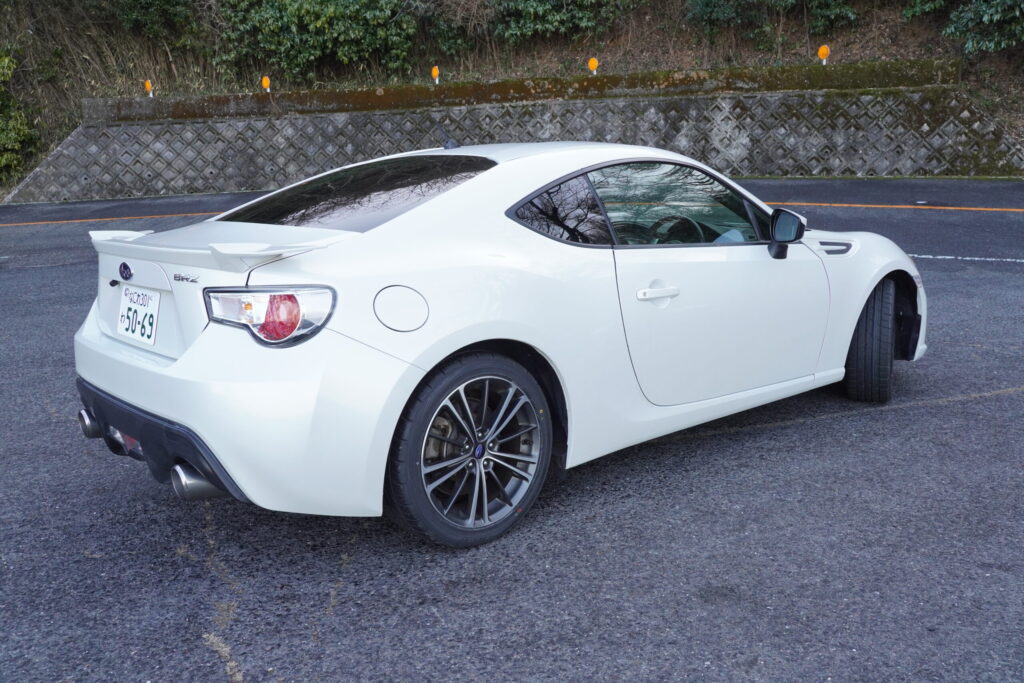
The mountains are calling, and the perfect machine is waiting. You’ve read about the roads, you’ve imagined the sound of the engine echoing through the valleys, and you know that the real Japan isn't behind a train window—it’s waiting at the end of the next hairpin turn.
Don't let another trip to Japan be defined by schedules and crowds. Take the wheel, command the road, and experience the highlands the way they were meant to be seen.
Ready to start your own odyssey? Whether you’re dreaming of the mountain passes or the coastal highways, we have the perfect JDM machine waiting for you. Visit Omoren Osaka Central to book your BRZ or 86 today, and turn your travel plans into a driving legacy. Your seat is waiting.