
Nara's Michi-no-Eki, Local Vegetables, Souvenirs, & Drive Breaks - The Philosophy of Driving in Japan
For decades, my life was dictated by the rhythmic clickety-clack of the rails, the precise timings of the Kintetsu line, and the immutable paths of steel. As a former train conductor, I held the very pulse of public transport in my hands, guiding countless passengers through the vibrant arteries of Japan. I saw the country unfold through large, pristine windows, a predictable panorama of cities and carefully cultivated rural landscapes. It was a journey of efficiency, a symphony of scheduled precision. Yet, even then, a longing stirred within me — a desire for the roads less traveled, the paths untamed by the rigid grid of the railway.
And that, my friends, is the profound philosophy behind choosing a car over a train when you embark on a journey through Japan. While the Shinkansen whisks you from metropolis to metropolis with breathtaking speed, and local lines offer intimate glimpses into neighborhood life, they are, by their very nature, confined. They follow pre-determined routes, connecting established points of interest. But Japan, especially the Kansai region with Osaka as your dynamic starting point, is a tapestry woven with countless hidden threads, secret folds, and breathtaking vistas that simply do not grace the train windows.
To truly experience the soul of this ancient land, to discover what I call "Secret Japan," you must liberate yourself from the timetable. You must embrace the freedom of the open road. Imagine, if you will, a sleek, agile machine — say, an 86 or a BRZ — its engine a eager whisper beneath your fingertips, waiting for your command. This isn't just about getting from A to B; it's about the joyous, exhilarating journey itself. It's about feeling the subtle nuances of the tarmac beneath your tires, experiencing the gradual shift from urban sprawl to verdant countryside, and making spontaneous detours into places untouched by mass tourism.
From the driver's seat of a JDM legend, you'll discover charming mountain passes that snake through ancient forests, their air crisp and fragrant with pine. You'll stumble upon tiny, family-run roadside stands overflowing with produce harvested just hours before, vibrant and bursting with flavor in a way no supermarket could replicate. You'll find secluded hot springs nestled deep within valleys, their therapeutic waters inviting you to shed the stresses of the world. These aren't on any standard tour itinerary, nor are they accessible by a simple train ride and a short walk. They are the domain of the adventurous, the curious, the ones willing to turn off the main highway and see where the winding road leads.
Osaka, with its bustling energy and superb highway connections, serves as the perfect launchpad for such an adventure. Within an hour or two, you can transition from the gleaming skyscrapers of the city to the tranquil, rolling hills of Nara — a region steeped in history, natural beauty, and agricultural richness. Here, the Michi-no-Eki, or "Roadside Stations," transform from mere pit stops into cultural gateways, offering a direct conduit to local life, artisanal crafts, and the freshest seasonal bounty. This drive is not merely a means of transport; it is an immersion, a deep dive into the authentic heart of Japan, experienced with the unparalleled thrill that only a purpose-built driving machine can provide. Prepare to unlock a Japan you never knew existed, a Japan that beckons you to explore every curve, every vista, and every hidden treasure.
Nara's Michi-no-Eki, Local Vegetables, Souvenirs, & Drive Breaks - The 2-Day Itinerary: Deep Dive

Prepare your senses, engage your spirit, and grip that steering wheel. What I'm about to lay before you is not just a route, but a meticulously crafted odyssey designed for the true automotive enthusiast and cultural explorer — a two-day deep dive into the heart of Nara, specifically tailored for those who crave the thrill of the drive as much as the destination. Forget the well-trodden paths; we're chasing the whisper of wind through ancient cryptomerias, the aroma of fresh soil, and the unmistakable growl of an 86 or BRZ echoing through scenic valleys.
Day 1: From Osaka's Pulse to Nara's Verdant Heart
08:00 AM - 09:00 AM: The Urban Escape - Osaka Departure
The dawn air in Osaka is still cool, carrying the faint scent of sizzling breakfast and awakening city life. As you settle into the low-slung bucket seat of your 86 or BRZ, the tactile feedback of the premium leather against your palms, the precise click of the seatbelt — it all signals the beginning of an adventure. The engine burbles to life with an eager thrum, a mechanical heartbeat ready to synchronize with your own. We'll depart from central Osaka, navigating the early morning city arteries. The urban landscape gradually gives way to wider expressways, the cityscape receding into a hazy silhouette in your rearview mirror. Feel the precise steering, the immediate response of the throttle as you merge, a sensation of direct connection between man and machine that only a well-engineered JDM can offer. This initial stretch, while highway-bound, is about getting comfortable, feeling the car, and anticipating the winding roads ahead.
09:00 AM - 10:30 AM: Ascent into Ancient Lands - The Scenic Approach to Nara
As we peel off the major highway, the landscape transforms with breathtaking rapidity. Gone are the concrete canyons; ahead lie the undulating emerald hills of Nara Prefecture. The roads here begin to narrow and gently curve, hinting at the geological forces that sculpted this land over millennia. We ascend gradually, the 86’s engine note deepening as it eagerly tackles the slight inclines. This region, historically significant as Japan's first permanent capital, is a geological marvel — a basin cradled by ancient mountains, whose worn peaks tell tales of seismic shifts and volcanic activity long past. The very earth beneath us is a living archive. The air grows noticeably fresher, infused with the scent of damp earth and distant forests. The winding sections here are not extreme, but they offer a delightful prelude, allowing you to appreciate the perfectly balanced chassis of your vehicle. The steering feels alive, transmitting every subtle texture of the asphalt directly to your hands. Keep an eye out for glimpses of traditional farmhouses, their dark tiled roofs contrasting beautifully with the vibrant green fields.
10:30 AM - 12:00 PM: Michi-no-Eki "Harbor of Greenery" - A Feast for the Senses
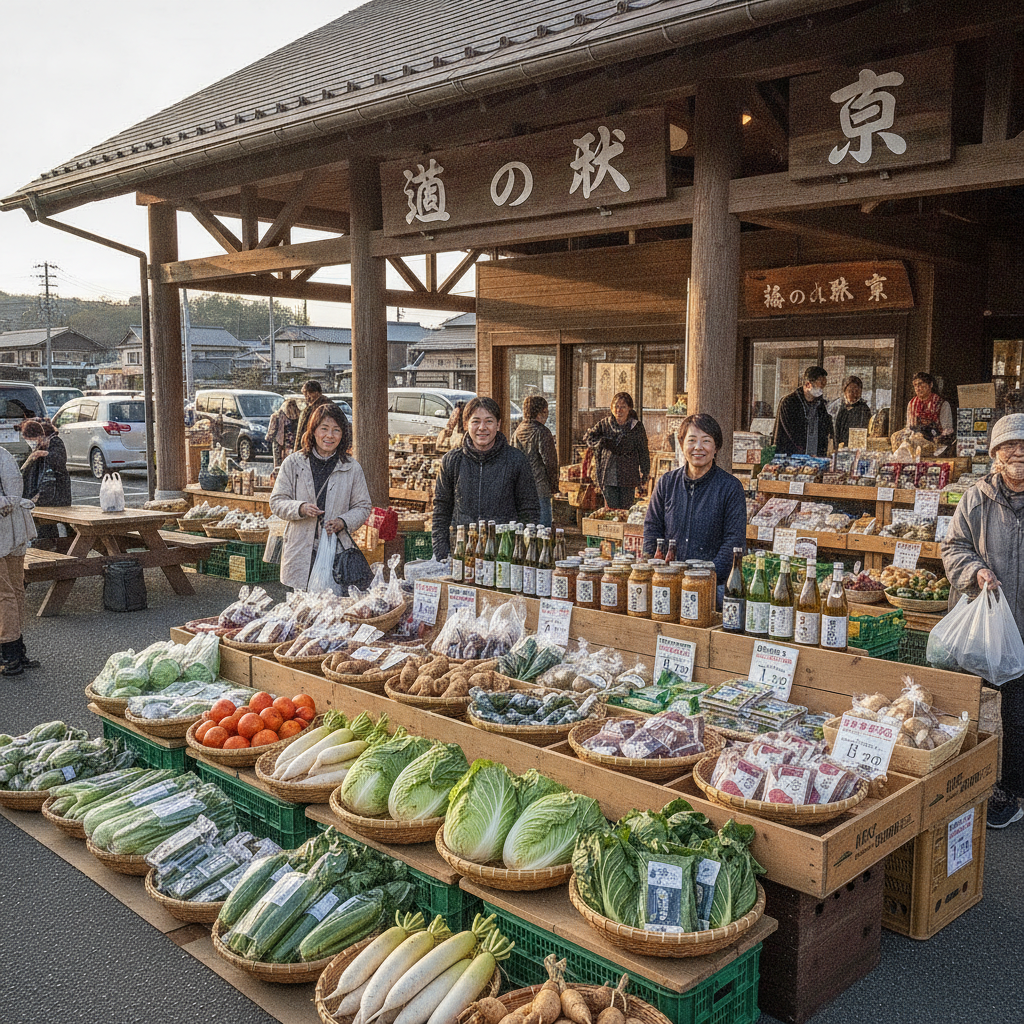
Our first true immersion into "Secret Nara" brings us to a remarkable Michi-no-Eki — a "Harbor of Greenery" nestled strategically at the foot of rolling agricultural land. Parking the 86 in a designated spot, you immediately notice the difference from urban parking lots. The air here is clean, cool, and carries the faint, sweet scent of ripening fruit. The Michi-no-Eki itself is a vibrant hub, a testament to local pride and ingenuity. Inside, the main hall bursts with color: pyramids of freshly harvested vegetables, their skins still bearing traces of the rich Nara soil. Think plump, ruby-red tomatoes, crisp, emerald-green cabbages, and delicate, fragrant herbs — all picked just this morning. The local farmers, many of whom are present, beam with pride, ready to offer samples. This is not just shopping; it’s a direct connection to the agricultural heartland. Wander through the aisles, discovering artisanal pickles, handcrafted miso, and local sweets made from regional grains and fruits. The souvenir section offers unique, handcrafted items — perhaps delicate pottery inspired by ancient Nara ware, or textiles dyed with natural pigments. You'll find yourself drawn to the bustling food stalls outside, where local grandmas prepare hearty snacks like freshly grilled mochi or savory fried croquettes — simple, authentic, and utterly delicious. Take a moment to savor a local fruit juice or freshly brewed tea, absorbing the vibrant atmosphere.
12:00 PM - 01:30 PM: A Taste of Nara's Soul - Traditional Lunch
Leaving the Michi-no-Eki, we’ll drive just a few short kilometers to a small, unassuming eatery — the kind of place you’d never find without local knowledge or an adventurous spirit. Tucked away beside a trickling stream, this restaurant specializes in dishes prepared with the very ingredients we just admired. The interior is rustic, warm, and inviting, with dark wood and soft lighting. Here, lunch is an experience in itself. Imagine a "teishoku" (set meal) featuring melt-in-your-mouth locally raised pork, lightly grilled and seasoned to perfection, accompanied by steamed rice from Nara's fertile fields, and a selection of seasonal pickled vegetables — vibrant, crunchy, and tangy. The flavors are clean, honest, and deeply satisfying, reflecting the purity of the ingredients. You'll taste the richness of the earth and the skill of generations of cooks in every bite. The gentle murmur of conversation from local diners, the clinking of porcelain, and the aroma of simmering broth combine to create an ambiance of genuine Japanese hospitality.
01:30 PM - 03:30 PM: Winding Roads to Historical Echoes - Mountain Pass Drive
With satisfied stomachs, it’s time to truly let the 86 or BRZ stretch its legs. Our route now takes us deeper into Nara’s less-traveled mountain passes. This is where the true joy of JDM driving comes alive. The roads are narrower, more sinuous, ascending through dense forests of cedar and cypress. The engine hums a contented tune as you engage lower gears, rev-matching with satisfying precision. The steering is direct, allowing you to place the car exactly where you want it as you navigate hairpin turns and sweeping corners. The scent of pine needles and damp earth fills the cabin, punctuated by the occasional flash of a distant vista — an ancient temple peeking through the canopy, or a shimmering river snaking through the valley below. These roads are geological marvels in their own right, carved over centuries, hugging the contours of mountains shaped by tectonic plate movements. Imagine the history embedded in these slopes: ancient pilgrims, samurai warriors, and farmers have all traversed these very paths. The sheer exhilaration of perfectly executing a corner, feeling the car’s balance, and hearing that intoxicating exhaust note reverberate off the mountainsides — it’s a symphony for the driving enthusiast. The crisp mountain air rushing through the open windows invigorates your spirit.
03:30 PM - 05:00 PM: Michi-no-Eki "Forest Retreat" - Craftsmanship and Serenity
Emerging from the exhilarating mountain pass, we arrive at our second Michi-no-Eki for the day: a "Forest Retreat" Michi-no-Eki, which offers a different, more serene experience. This one leans heavily into local craftsmanship and the bounty of the surrounding forests. The building itself often incorporates natural timber, blending seamlessly with its environment. Here, the focus shifts from raw produce to processed goods and intricate handicrafts. You might find exquisite wooden carvings made from local cypress, fragrant essential oils distilled from regional flora, or traditional paper products. The souvenir section boasts an array of unique local products, perhaps artisanal jams made from wild berries, or specialty teas harvested from hillside plantations. This Michi-no-Eki often features a small gallery showcasing local artists, providing a glimpse into the region's creative spirit. Step outside onto a viewing platform, and you might be greeted by a panoramic vista of forested valleys, their hues shifting with the angle of the afternoon sun. Enjoy a cup of locally roasted coffee or a refreshing "yuzu" citrus drink from the café, reflecting on the day’s journey and the incredible diversity of Nara’s offerings.
05:00 PM - 06:00 PM: Descent to Tranquility - Arrival at Your Accommodation Area
As the sun begins its gentle descent, painting the sky in soft oranges and purples, we make our way towards a tranquil area renowned for its serene accommodations. The drive is a pleasant descent, the car effortlessly gliding down gentle slopes, offering a moment of quiet contemplation after the day's exhilarating drives. We'll arrive at a "ryokan"-style lodging area, perhaps one nestled beside a river or offering views of the distant mountains. The architecture here often reflects traditional Japanese aesthetics, designed to harmonize with nature. The shift in lighting, the softening of the landscape — it's a beautiful transition from the day's adventures to evening relaxation. Parking the 86, the engine ticks softly as it cools, a satisfied sigh after a day of spirited driving.
06:00 PM onwards: Evening of Relaxation and Local Cuisine
The evening is dedicated to unwinding and indulging in the local culinary scene. After settling into your chosen accommodation, a walk through the quiet local streets might reveal small, lantern-lit eateries. Tonight’s dinner could be a "kaiseki"-style meal — a multi-course culinary journey showcasing the finest seasonal ingredients of Nara, prepared with meticulous artistry. Imagine delicate sashimi, tender grilled fish, and exquisite vegetable dishes, each a small masterpiece. The flavors are subtle yet profound, a true expression of Japanese gastronomic philosophy. Alternatively, you might find a cozy "izakaya" offering hearty comfort food and local sake, allowing you to mingle with friendly locals. The air is peaceful, punctuated only by the distant chirping of crickets and the gentle rustle of leaves. It’s a perfect end to a day of exploration, a chance to recharge before another exciting day on the open road.
Day 2: From Ancient Legends to Modern Drives - The Return Journey
08:00 AM - 09:00 AM: Morning Revitalization & Departure
Wake to the gentle sounds of the countryside — birdsong, the rustle of trees. Enjoy a traditional Japanese breakfast, perhaps featuring steamed rice, miso soup, grilled fish, and an assortment of pickled vegetables, designed to nourish and prepare you for the day ahead. The morning air is crisp and invigorating. As you once again fire up the 86 or BRZ, its engine eagerly responds, a fresh energy pulsing through its core. Today's journey will take us through different facets of Nara, exploring more historical and scenic points as we gradually loop back towards Osaka.
09:00 AM - 11:00 AM: Driving Through History - Valley of Ancient Tombs and Temples
Our morning drive leads us through a unique landscape — a wide, fertile valley dotted with ancient "kofun" (tumuli) — massive keyhole-shaped burial mounds that silently guard the secrets of Japan’s early emperors and powerful clans. These colossal structures, often shrouded in myths and surrounded by ancient trees, are a testament to the region's profound historical significance. The roads here are generally straighter but offer sweeping views of these monumental earthworks. Imagine the sheer human effort and social organization required to construct them thousands of years ago. The geological stability of the Nara basin allowed for these enduring structures, relatively safe from major seismic shifts that plagued other regions. Interspersed among these historical giants are smaller, serene temples and shrines, their weathered wooden structures exuding an aura of timeless tranquility. The drive is less about aggressive cornering and more about contemplative cruising, allowing you to absorb the weighty sense of history that permeates the very landscape. The 86’s smooth power delivery makes for effortless cruising, giving you ample opportunity to admire the scenery.
11:00 AM - 12:30 PM: Michi-no-Eki "Harvest & Heritage" - Art, Agriculture, and Community
Our third Michi-no-Eki stop, the "Harvest & Heritage" Michi-no-Eki, is a vibrant community hub that expertly blends local agriculture with cultural preservation. This particular station is often larger, offering a wider array of products. Inside, you'll find an even more extensive selection of local produce — perhaps seasonal fruits unique to Nara, like plump "kaki" (persimmons) in autumn, or delicate strawberries in spring. There might be specialty rice varieties, artisanal soy sauces, and an impressive range of regional sake and craft beers. The souvenir section often features items reflecting Nara’s rich cultural heritage — perhaps small replicas of ancient Buddhist statues, or traditional stationery made from local paper. Crucially, this Michi-no-Eki often hosts small workshops or demonstrations, where you can watch local artisans at work — perhaps weaving traditional baskets or crafting intricate wood puzzles. There's an undeniable sense of community here, a place where locals gather, share news, and proudly present the fruits of their labor. It’s a beautiful insight into the enduring spirit of rural Japan, a perfect place to pick up some unique gifts for friends and family, or simply to stock up on exquisite local ingredients to take home.
12:30 PM - 02:00 PM: Riverside Respite - Lunch by the Water
For lunch today, we'll seek out a charming eatery nestled beside one of Nara's tranquil rivers, a place known for its fresh, simple fare. The journey there is short, along quiet country roads lined with cherry trees or vibrant hydrangeas, depending on the season. The restaurant itself, perhaps a converted traditional house, offers soothing views of the water. The menu might feature delicious "udon" or "soba" noodles, served either hot in a savory broth with local vegetables and tempura, or cold with a dipping sauce, perfectly refreshing on a warmer day. The delicate flavors are enhanced by the serene surroundings, the gentle murmur of the river providing a natural soundtrack. This is a moment to pause, reflect, and appreciate the peaceful beauty of Nara’s natural environment, a stark contrast to the bustling city life of Osaka.
02:00 PM - 04:30 PM: The Driver's Delight - Uphill Hairpins and Downhill Sweeps
As we begin our gradual return route towards Osaka, we’ll tackle one last set of truly rewarding driving roads — a section famous among local enthusiasts for its challenging yet exhilarating profile. This involves a series of switchbacks and long, sweeping corners that demand respect and reward precision. The 86 or BRZ truly shines here. Its low center of gravity, perfectly tuned suspension, and responsive steering make it a joy to pilot through these technical sections. Feel the g-forces as you lean into a curve, the tires providing tenacious grip, the chassis communicating every nuance of the road. The engine's exhaust note sings a glorious melody as you downshift and accelerate out of corners, a visceral experience that connects you deeply to the machine. The geological formations visible from these heights are dramatic — sheer rock faces, ancient strata exposed by erosion, and dense forests clinging precariously to steep slopes. The views from the occasional lookout points are breathtaking, offering panoramic vistas that stretch for miles, often revealing the distant urban sprawl of Osaka as a faint shimmer on the horizon. This is pure driving pleasure, an unforgettable dance between car, driver, and the magnificent Japanese landscape. The thrill of mastering these roads in a JDM icon is unparalleled.
04:30 PM - 05:30 PM: Michi-no-Eki "Gateway to Kansai" - Farewell Treats and Local Crafts
Our final Michi-no-Eki stop for this journey is strategically located as a "Gateway to Kansai," a last chance to stock up on memories and treats before re-entering the urban embrace. This Michi-no-Eki often features an expansive selection of both Nara and broader Kansai specialties. You might find exquisite traditional Japanese sweets, often beautifully packaged, perfect for souvenirs. Look for unique regional snacks, handcrafted accessories, or even specialty sake from micro-breweries. There's often a lively food court offering a variety of quick, delicious meals — perhaps a final taste of Nara’s renowned "kakinoha-zushi" (sushi wrapped in persimmon leaves). Take a moment to browse the craft stalls, where you might discover unique textiles or small artisanal goods. It's a final opportunity to absorb the vibrant atmosphere of a Japanese roadside station, a reminder of the rich culture and hospitality you've experienced over the past two days.
05:30 PM - 06:30 PM: The Homeward Stretch - Return to Osaka
As the golden hour paints the sky, we begin the final leg of our journey, transitioning from the winding country roads back onto the more direct expressways leading to Osaka. The 86 or BRZ, having performed flawlessly, now effortlessly glides along, its powerful engine a reassuring presence. The transition from rural tranquility to urban energy is gradual, offering a chance to reflect on the incredible sights, sounds, and sensations of the past two days. The setting sun casts long shadows over the landscape, a beautiful farewell to the hidden treasures of Nara. The drive back is a comfortable, confident cruise, carrying with you not just souvenirs, but a wealth of unforgettable experiences and a deeper connection to the authentic heart of Japan, all made possible by the freedom of your own wheels.
Nara's Michi-no-Eki, Local Vegetables, Souvenirs, & Drive Breaks - Expert Advice & Cultural Nuances
Navigating Japan by car, especially through its charming rural landscapes and the unique ecosystem of Michi-no-Eki, offers an unparalleled depth of experience. But like any journey into a distinct culture, a little insider knowledge goes a long way. As someone who’s traversed these roads countless times, both on rail and asphalt, allow me to share some nuanced advice to enrich your adventure.
Embracing the Michi-no-Eki Culture
A Michi-no-Eki is far more than a simple rest stop. It's a pulsating heart of local culture, a microcosm of the region's identity. Think of it as a community living room, a showcase for local pride. When you visit, don't just grab a snack and leave. Take your time. Engage with the farmers who often staff the produce sections — their passion for their craft is infectious. They can offer insights into seasonal specialties, cooking tips, or even recommendations for nearby hidden gems. Look for the "osusume" (recommended) signs, often handwritten with endearing enthusiasm. These are often the freshest, most unique items. Many Michi-no-Eki also feature local artists, promoting traditional crafts that might otherwise fade into obscurity. By purchasing their goods, you're not just buying a souvenir; you're supporting local livelihoods and preserving cultural heritage. Each Michi-no-Eki has its own character, often defined by the specific produce or crafts of its region. One might specialize in citrus, another in pottery, a third in unique processed foods. Hunting for these distinct local flavors and crafts is part of the joy.
Discovering Hidden Local Gems
While Michi-no-Eki are excellent starting points, the true "Secret Japan" lies just beyond their well-maintained perimeters. Keep an eye out for small, unassuming signs pointing to local hot springs (onsen) — some are tiny, family-run establishments tucked away in valleys, offering a truly authentic, therapeutic soak. These often lack the grandeur of larger resorts but compensate with genuine warmth and tranquility. Similarly, be adventurous with your meal choices. Beyond the Michi-no-Eki’s eateries, you’ll discover "shokudo" (local diners) or "teishoku-ya" (set meal restaurants) in small towns that might not have English menus but serve incredibly fresh, home-style cooking at unbeatable prices. A simple gesture, a smile, and a pointed finger at a dish often bridge any language barrier. Don't be afraid to pull over if you see a charming temple or shrine peeking out from the trees; many of Japan’s most beautiful spiritual sites are found off the beaten path, offering moments of profound serenity away from the crowds.
Navigating with Care: Japanese Driving Etiquette
Driving in Japan is a remarkably polite experience. Observe and respect the local etiquette. Speed limits are strictly enforced, and it’s common practice to maintain the posted speed — not significantly above or below. Lane discipline is excellent, and overtakes are generally executed smoothly and considerately. Always be mindful of pedestrians and cyclists, especially in residential areas or near schools. Pay close attention to road signs; while many major signs have English translations, understanding basic Japanese directional cues or having a reliable GPS with English navigation is invaluable. When passing through small villages, slow down to a crawl; children and elderly residents often use the narrow streets. Parking is generally well-regulated, and finding designated spots is crucial. Never park illegally, even for a moment, as this can lead to fines and inconvenience. Above all, maintain a calm and courteous demeanor. The driving experience, much like other aspects of Japanese life, prioritizes harmony and consideration for others.
Nara's Michi-no-Eki, Local Vegetables, Souvenirs, & Drive Breaks - Detailed Logistics & Pre-Trip Tips
Embarking on a JDM road trip through Nara requires a bit of preparation to ensure a smooth, enjoyable, and authentically Japanese experience. From understanding modern traffic systems to the subtle nuances of fuel stops, here's everything you need to know to hit the road with confidence in 2026.
Navigating Japanese Toll Roads: The ETC Card
In 2026, Japan's highway network remains incredibly efficient, but also utilizes a comprehensive toll system. For foreign drivers, the Electronic Toll Collection (ETC) card is an absolute game-changer. Rather than fumbling with cash or credit cards at every toll booth, an ETC card allows for seamless, non-stop passage through designated ETC gates. When renting your 86 or BRZ, always request an ETC card — it's typically available for a small rental fee. The card plugs into a reader in the car, and when you approach an ETC gate (clearly marked in green), it automatically records your passage. Your tolls will then be settled at the end of your rental period. It saves time, reduces stress, and keeps your drive flowing smoothly, allowing you to focus on the exhilarating experience of driving your JDM.
Fueling Your Adventure: Japanese Gas Stations
Japanese gas stations offer a unique cultural interaction. While self-service (セルフ – "selfu") stations are increasingly common, you'll still encounter full-service (フルサービス – "furu-saabisu") stations, especially in rural areas. At a full-service station, pull up to the pump, and an attendant will often greet you with a friendly "Irasshaimase!" (Welcome!). A simple "Mantan! Regyuraa!" (Full tank! Regular gas!) or "Mantan! Hai-oku!" (Full tank! High-octane!) will communicate your needs perfectly. The attendants are incredibly efficient and courteous; they'll often clean your windows, check your tires, and offer you a small towel for your hands. Payment is usually cash or credit card. At self-service stations, the touch screens are typically in Japanese, but many now offer English language options. Look for the color-coded nozzles: red for regular (レギュラー), yellow for high-octane (ハイオク), and green for diesel (軽油). Remember "Mantan" to ensure your JDM machine is always ready for the next winding road.
Parking Like a Pro: Compact Spaces and Etiquette
Japan's urban and even some rural areas are known for compact spaces, and parking is no exception. Always park in designated parking areas. Never leave your vehicle idling for extended periods, especially in residential zones, as this is considered impolite and often carries a fine due to environmental regulations. Michi-no-Eki typically have ample parking, but in smaller towns or near popular attractions, you might need to use coin-operated parking lots. These are usually clearly marked and accept cash or IC cards. Pay attention to the signs indicating maximum parking duration and fees. Japanese drivers are incredibly precise when parking, often backing into spaces. Emulate this precision, and you’ll find parking in Japan to be a surprisingly stress-free experience.
The Unmatched Joy of Driving a JDM (MT)
If you're an enthusiast, opting for a manual transmission (MT) JDM like the 86 or BRZ is a non-negotiable part of the experience. This isn't just a car; it's an extension of your will, a direct conduit to the road. The crisp, short throws of the shifter, the perfectly weighted clutch pedal, the immediate surge of power as you rev-match and downshift — these are tactile sensations that forge an unbreakable bond between driver and machine. On Nara's winding mountain roads, the MT truly comes alive. You'll feel every gear change, every precise input, making you an integral part of the driving symphony. It's a more engaging, more visceral experience that enhances every vista, every turn, and every acceleration. This isn't just driving; it's an exhilarating dance, a celebration of automotive passion. The 86 and BRZ, with their naturally aspirated engines and perfectly balanced chassis, are designed for this exact kind of joyful engagement. Prepare for an unparalleled sense of connection to the road and the pure thrill of driving.
Nara's Michi-no-Eki, Local Vegetables, Souvenirs, & Drive Breaks - Comprehensive FAQ
Planning an international driving adventure can raise many questions. Here are the answers to some of the most common concerns for those looking to explore Japan by car, especially with a JDM legend like the 86 or BRZ.
International Driving Permit (IDP) and License Requirements
To drive legally in Japan, you will need to present three essential documents: your International Driving Permit (IDP) based on the 1949 Geneva Convention, your domestic driver's license from your home country, and your passport. It is crucial to carry all three documents with you at all times while driving. Please ensure your IDP is valid for the duration of your trip, as permits typically have a one-year validity from the issue date. Note that only IDPs issued by countries adhering to the 1949 Geneva Convention are accepted in Japan. For example, if you are from the United States, you can obtain your IDP through the AAA or AATA. Always check the specific requirements for your nationality before traveling.
Car Rental Insurance Coverage
Reputable rental companies in Japan offer comprehensive insurance coverage as part of their standard rental packages. This typically includes basic liability for third-party injury/death, property damage, and vehicle damage. However, it's highly recommended to consider purchasing additional coverage options, such as Non-Operation Charges (NOC) waiver and Collision Damage Waiver (CDW). The NOC waiver covers costs if the rental car requires repairs and cannot be rented out, while CDW limits your financial liability in case of an accident. Investing in full coverage provides peace of mind, allowing you to fully immerse yourself in the driving experience without worrying about unforeseen circumstances.
Driving a Manual Transmission (MT) in Japan
If you're accustomed to driving an automatic, the idea of shifting gears in a foreign country can seem daunting. However, driving an MT in Japan is incredibly rewarding, especially with a performance vehicle like the 86 or BRZ on winding roads. The key is confidence and practice. Japanese roads are well-maintained, and traffic is generally orderly. Take some time in a less busy area to refamiliarize yourself with the clutch and shifter. The precise engineering of JDM manual transmissions makes them a joy to operate. Don't be afraid to embrace the challenge; the enhanced connection to the vehicle and the road will significantly elevate your driving adventure. Many enthusiasts agree that the manual gearbox is the purest way to experience these iconic sports cars.
Winter Driving Conditions in Nara
While this itinerary focuses on generally mild conditions, Nara Prefecture, particularly its higher elevations and northern regions, can experience snow and icy conditions during winter (roughly December to March). If you plan to travel during these months, it is essential to check local weather forecasts diligently. Ensure your rental vehicle is equipped with appropriate winter tires (スタッドレスタイヤ – "studless tire") or snow chains, which can often be requested from your rental company. Driving on snow and ice requires extra caution, reduced speeds, and smooth inputs. Stick to main roads, which are usually well-plowed, and avoid venturing onto unpaved or poorly maintained mountain passes if conditions are severe. Safety should always be your top priority, allowing you to enjoy the serene beauty of winter Nara responsibly.
Nara's Michi-no-Eki, Local Vegetables, Souvenirs, & Drive Breaks - The Final Call: CTA
You’ve seen the landscape shift, tasted the local bounty, and felt the exhilarating pulse of Nara’s winding roads beneath the tires of an imaginary 86 or BRZ. You’ve journeyed through ancient history, immersed yourself in vibrant Michi-no-Eki culture, and discovered the hidden heart of Japan, a world away from the crowded train stations and predictable tourist traps. This isn't just a trip; it's an awakening — an invitation to connect with Japan on a deeply personal, exhilarating level that only the open road can offer.
Now, let’s make that imagination a vibrant reality. The spirit of adventure beckons, and your perfect JDM machine awaits. If you’re ready to trade train schedules for spontaneous detours, and crowded tours for personalized explorations, then there’s only one place to begin your unforgettable Nara adventure. At Omoshiro Rent-a-car Osaka Chuo, we understand the soul of the JDM enthusiast. As a former Kintetsu conductor who found freedom on four wheels, I've curated a fleet that embodies the pure joy of driving — including the very 86s and BRZs that inspired this journey. We’re not just a rental agency; we’re your gateway to "Secret Japan." Come, experience the thrill, embrace the freedom, and create your own legends on the roads of Nara. Your ultimate Japanese driving adventure starts here.
