
1. Wakayama: The Philosophy of Driving in Japan
As someone who spent the better part of my younger years peering out from the cab of a Kintetsu electric train, I have a deep, rhythmic appreciation for the precision of Japanese rail travel. There is something undeniably poetic about the smooth acceleration of a commuter train cutting through the urban sprawl of Osaka, the silent glide across the tracks, and the clockwork efficiency that moves millions. But here is the secret that the tracks don’t tell you: you are a passenger in your own life when you ride the rails. You are at the mercy of a schedule, confined to the spine of the prefecture, forever looking at the "Secret Japan" through a tinted, double-paned window.
To truly understand the heartbeat of this country, you must grip a steering wheel. Specifically, you must grip the wheel of a machine that communicates—a rear-wheel-drive platform like the Toyota 86 or the Subaru BRZ. These cars were designed for the specific topography of Japan’s mountain passes, or touge. In Wakayama, a prefecture defined by its wild, untamed peninsula, the roads are not merely infrastructure; they are a living, breathing connection to the spirit of the land.
When you drive south from Osaka, the concrete jungle gives way to the ancient cedar forests of the Kii Peninsula. Here, the geography shifts from orderly gridlines to winding ribbons of asphalt that hug the coastline and snake through precipitous mountain ridges. Public transit can get you to the major temples of Koyasan, but it cannot take you to the hidden switchbacks where the engine note of your 86 echoes against the sheer rock faces of the Arita valley. It cannot take you to the remote cliffside lookouts where the Pacific Ocean crashes against the volcanic rock with a ferocity that defies description. To drive Wakayama is to shed the skin of a tourist and become an explorer. It is about the smell of burnt rubber on a tight hairpin, the tactile feedback of the chassis as you shift through the gears on a descent, and the freedom to stop exactly where the light hits the landscape in a way that demands your attention. This is not just travel; it is an intimate conversation between driver, machine, and the ancient soil of Wakayama.

2. Wakayama: The 2-Day Itinerary: Deep Dive
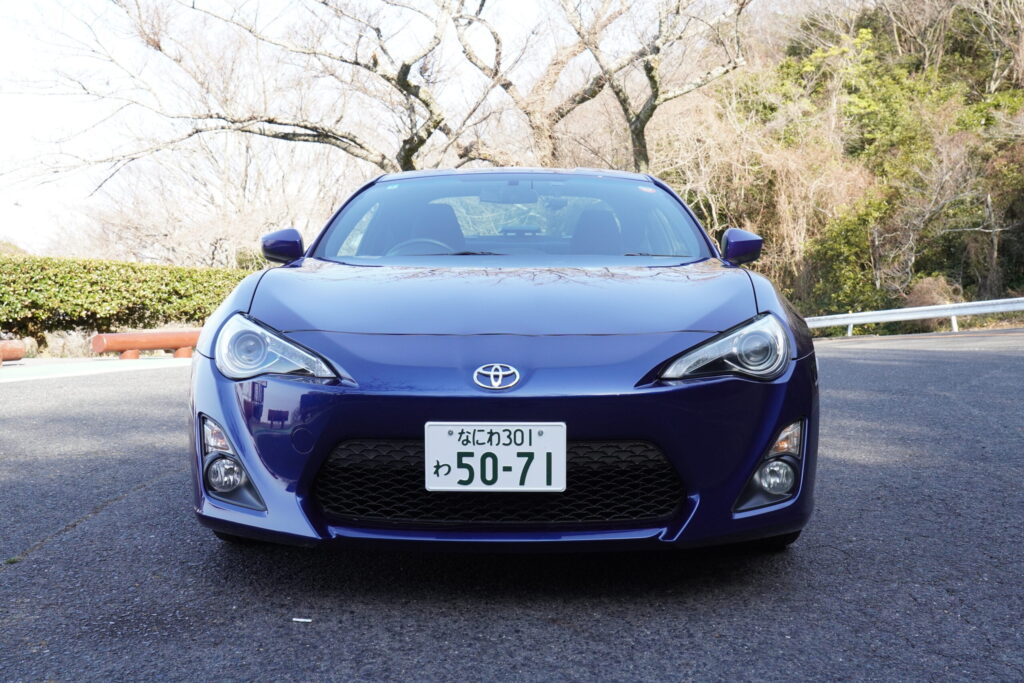
Day 1: From Osaka to the Clouds – The Koya-Ryujin Skyline
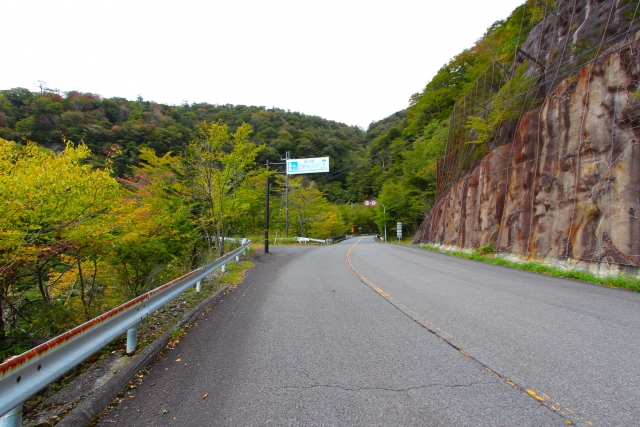
08:00 AM - Departure from Osaka The morning air in Osaka is thick with the scent of coffee and impending adventure. You fire up the 86. The boxer engine awakens with a sharp, metallic snarl—a promise of the day to come. You point the nose south, moving away from the industrial hum toward the verdant promise of the Kii Mountains.
10:00 AM - The Ascent to Koyasan As you approach the base of Mt. Koya, the landscape transforms. The air cools rapidly, carrying the scent of damp moss and centuries-old cypress. This is where you test the 86’s chassis. The road begins to tighten, the grade steepening into a series of technical corners. You are in third gear, finding the rhythm of the car. The steering is sharp, laser-focused, translating every nuance of the tarmac through your palms.
12:30 PM - Lunch in the Clouds You arrive at a small, unassuming shokudo near the entrance to the monastic complex of Koyasan. You order koyadofu (freeze-dried tofu), a local specialty, savory and delicate, providing the fuel you need for the high-octane afternoon. The silence of the monastic town, hidden at 800 meters, is profound.
02:00 PM - The Koya-Ryujin Skyline (The Holy Grail) This is the reason you brought the car. The Koya-Ryujin Skyline is legendary among Japanese car enthusiasts. For 42 kilometers, the road runs along the ridge of the mountains, hovering in the clouds. There are no stoplights. No intersections. Just a rolling, undulating carpet of asphalt that demands respect. You heel-toe downshift into the corner, the revs rising in a perfect crescendo. The 86 feels like a surgical instrument here, carving lines through the mist that rolls off the peaks. The colors of the forest—deep emeralds and charcoal grays—blur into a streak of natural perfection.
05:00 PM - Sunset at Ryujin Onsen You reach Ryujin, known as one of the "Three Beauties" of hot spring waters in Japan. The mineral-rich water is slick and restorative. As the sun sets, casting a bruised purple hue over the valley, you sit in the open-air bath, listening to the Hinokawa river churning below. Your body is tired from the physical demands of the drive, but your mind is electrified.

Day 2: The Rugged Coastline and the Pacific Mist
09:00 AM - Coastal Pursuit: Route 42 The mountain air remains in your lungs, but now you crave the salt spray of the Pacific. You descend toward the coast, meeting the formidable Route 42. This is the lifeblood of the Kii Peninsula. The road transitions from tight, technical forestry roads to sweeping coastal curves.
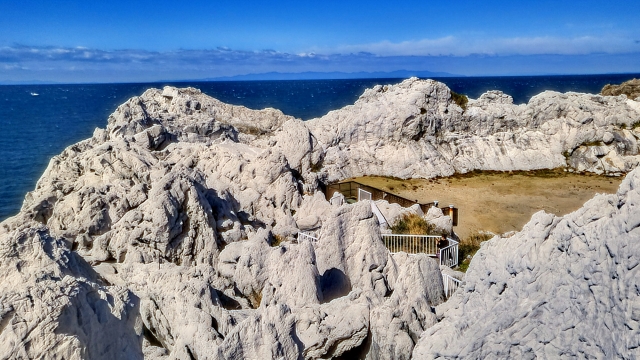
11:30 AM - The Shirasaki Ocean Park You pull into Shirasaki Ocean Park, often called the "Aegean of Japan." The contrast is jarring—and beautiful. Stark, jagged white limestone cliffs erupt out of the cobalt blue sea. The 86, with its sleek, aggressive lines, looks perfectly at home parked against the blinding white rock. You walk out to the edge, feeling the spray of the ocean.
01:30 PM - Seafood at a Local Port You stop at a harbor-side market. You eat shirasu-don (tiny whitebait over rice), fresh from the morning's catch. The salt of the ocean, the warmth of the sun, and the lingering fatigue in your legs make this simple meal taste like royalty.
03:00 PM - The Final Stretch: Winding Back to Osaka The journey back isn't a chore; it’s an opportunity to refine your craft. You choose the back roads that parallel the main highway, finding hidden elevation changes and blind crests that require full commitment. The boxer engine hums—a steady, industrious beat that syncs with the shifting shadows of the afternoon. As the city lights of Osaka begin to twinkle in the distance, you find yourself slowing down, not because you have to, but because you aren't ready for the drive to end.
3. Wakayama: Expert Advice & Cultural Nuances
To drive through Wakayama is to engage with a culture that respects the road. First and foremost, you must embrace the Michi-no-Eki (Roadside Station) culture. These are not merely gas stops; they are sanctuaries of local commerce and community. In Wakayama, you will find stations selling local mikan (tangerines) of incomparable sweetness and ume (pickled plum) products that are renowned nationwide. Stop here, not just for the restroom, but to stretch your legs and observe the quiet, disciplined way local drivers interact.
When driving the rural passes, you will encounter elderly residents driving small kei cars. They know these roads better than any GPS. If you see a line of traffic forming behind a slower vehicle, be patient. The "road rage" culture simply does not exist here. Overtaking should only be done where visibility is clear and the law permits. Remember, you are a guest on these ancient mountain paths.
Also, be mindful of the "light discipline." In Japan, it is customary to flash your hazard lights as a "thank you" to a driver who lets you pass, or to a truck that gives you space on a narrow mountain road. It is a simple, elegant gesture of mutual respect that makes the high-pressure environment of mountain driving feel like a collaborative effort.
4. Wakayama: Detailed Logistics & Pre-Trip Tips
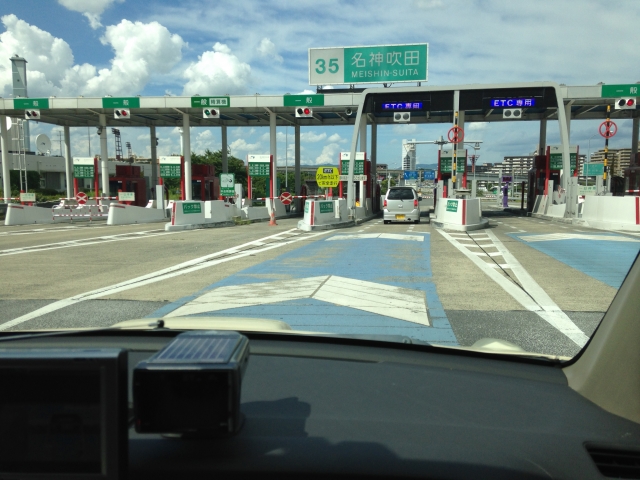
Navigating the roads of Japan in 2026 is seamless, provided you have the right tools. Your rental will be equipped with an ETC (Electronic Toll Collection) card. This is essential; it allows you to pass through highway toll gates without stopping, as the toll is automatically calculated and settled.
When you stop for fuel—and you will need to, as the 86 loves a high rev range—you will likely encounter "full-service" stations. Even in the rural parts of Wakayama, the attendants are incredibly efficient. When you pull in, simply state "Mantan, onegaishimasu" (Full tank, please). If you are driving a manual transmission car, be aware that many stations will have an attendant who may be curious about your vehicle. Don't be surprised if they give you a thumbs up or ask about your shift points; the car community in Japan is welcoming and passionate.
Parking, especially in Osaka, can be a challenge. Use the ubiquitous coin parking lots. They are everywhere, well-marked, and usually feature an automated plate-locking system. Be sure to check the Kanban (signboard) for pricing, as costs can spike during weekends or holidays.
Finally, driving a JDM manual transmission car—especially a rear-wheel-drive machine like the 86—is a sensory experience. The mechanical linkage between your hand on the shift knob and the gears engaging in the transmission is a direct line to the soul of the vehicle. In the tight hairpins of Wakayama, you will feel the car squat under acceleration and rotate on its axis. It is a level of engagement that modern driver-assist systems have tried to erase, but here, it is preserved.
5. Wakayama: Comprehensive FAQ
Do I need a special license to drive in Japan? Yes. To rent and drive a car in Japan, you must possess a valid driver’s license from your home country and an International Driving Permit (IDP) issued according to the 1949 Geneva Convention. You are required to present both your original home country license and your valid IDP, along with your passport, at the time of rental. Please ensure your IDP is the correct format (1949 Convention); others are not legally recognized in Japan.
Is it difficult to drive a manual transmission car in Japan? If you have experience driving a manual, you will find the roads of Wakayama to be a masterclass in shifting. The traffic is generally courteous, but be prepared for narrow roads in the mountains. If you are an enthusiast, the 86’s clutch and gearbox are tuned for precision, making the learning curve rewarding rather than frustrating.
What about insurance and safety? Always opt for the maximum coverage (Collision Damage Waiver, etc.) provided by your rental agency. While Japanese roads are very safe, the mountain passes can have unpredictable elements—fallen branches, fog, or steep drop-offs without guardrails. Drive within your limits, especially on wet pavement.
How do the seasons affect the drive? Summer brings lush green canopy and intense sun, while autumn offers the spectacular koyo (changing leaves). Winter in the higher altitudes of the Kii Peninsula can bring snow or black ice. If you are traveling between December and March, ensure your rental is equipped with winter tires or chains.
6. Wakayama: The Final Thoughts
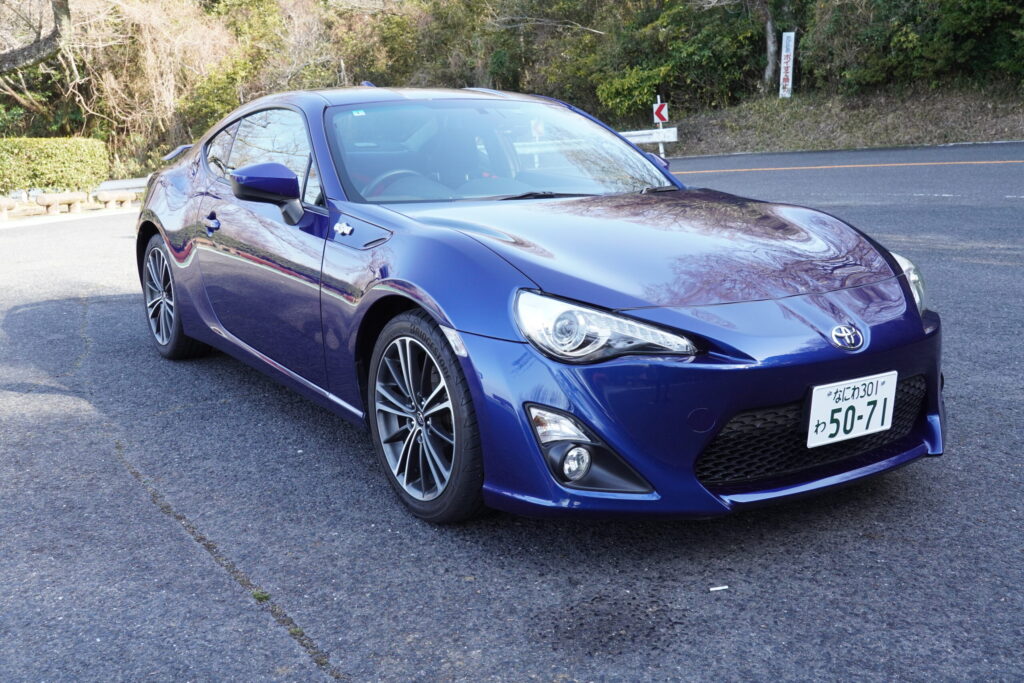
The Kii Peninsula is calling. The mountains of Wakayama are waiting to test your skill, and the Pacific coastline is waiting to soothe your soul. There is no better way to experience the raw, mechanical connection between human and machine than behind the wheel of a perfectly tuned 86 on a damp mountain morning.
Do not let this journey remain a dream on a screen. The roads are clear, the engine is ready, and the experience of a lifetime is just a reservation away. Visit Omoren Osaka Chuo to secure your perfect machine. We specialize in the cars that define the spirit of Japanese driving. Book your 86 or BRZ today, and start your engine. Your Japanese road trip begins here.