
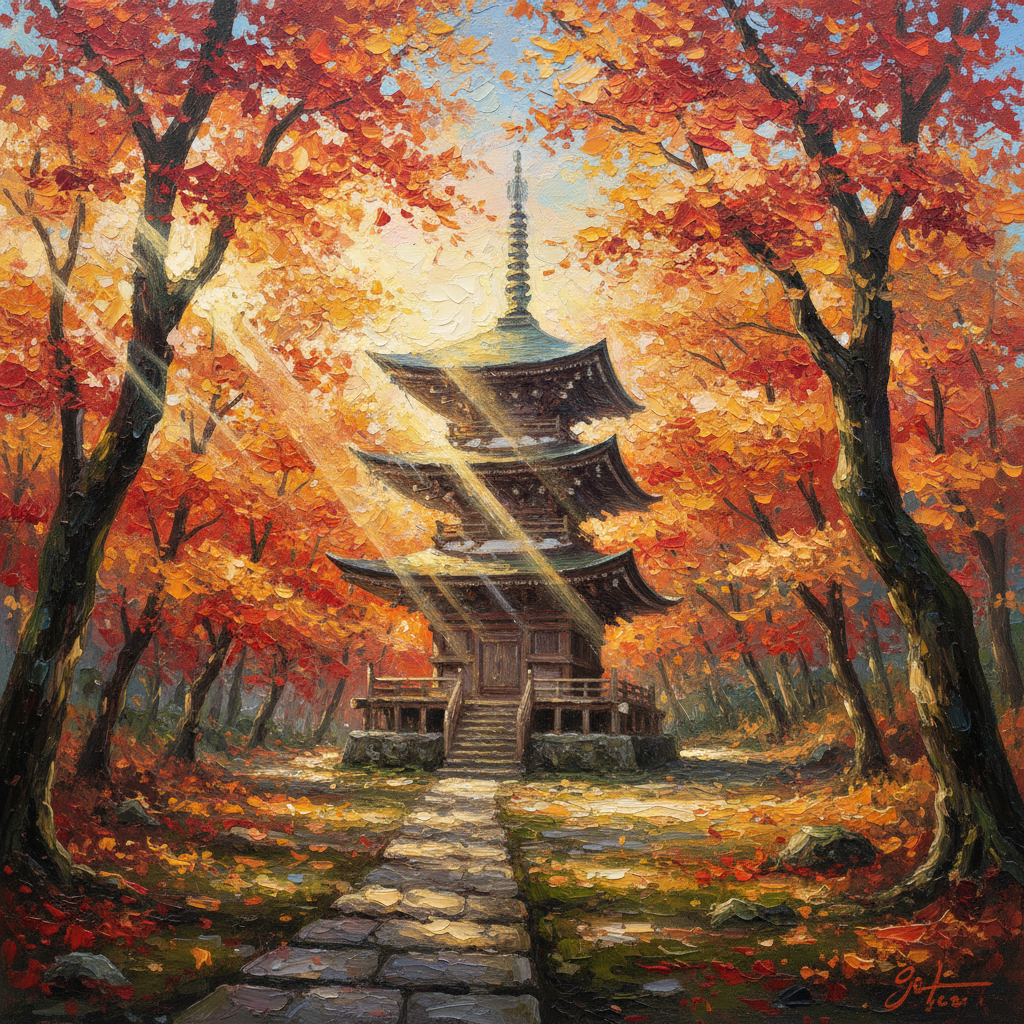
Nara Koyo, Hasedera, Tanzan Shrine, Shosoin Exhibition, Driving Course, Autumn Scenery – The Philosophy of Driving in Japan
For years, my life was dictated by timetables, by the rhythmic clickety-clack of steel on steel, by the silent nods of passengers commuting across the intricate arteries of the Kintetsu railway. As a former train conductor, I witnessed the beauty of Japan from a unique vantage point, a world of efficiency and precision. Yet, even then, I harbored a deeper yearning: a desire to break free from the tracks, to explore the untamed, unscripted corners of this incredible nation. This yearning, this passion, ultimately led me to the open road, to the exhilarating world of Japanese Domestic Market (JDM) cars, and to the profound realization that to truly know Japan, to unearth its most exquisite secrets, you must drive it.
From the bustling heart of Osaka, the gateway to Kansai, a world of unparalleled beauty unfolds, accessible not by the meticulously planned routes of public transport, but by the winding, asphalt ribbons that snake through ancient mountains and along forgotten coastlines. Public transportation, while exemplary, offers a curated experience. It whisks you from one major hub to another, efficient and predictable. But Japan, much like a finely tuned JDM engine, has hidden depths, secret chambers that only reveal themselves to those willing to turn the key and embrace the freedom of four wheels. This is the concept of 'Secret Japan' – not a hidden temple signposted in hushed tones, but an entire dimension of experience, a tapestry woven from impromptu detours, serendipitous discoveries, and the sheer exhilaration of command over your own journey.
Imagine the brisk autumn air whipping through the windows of a perfectly balanced 86 or BRZ as you carve through a mountain pass, the vibrant tapestry of fall foliage painting the landscape in hues of vermilion, gold, and russet. This isn't just travel; it's an immersion. It’s the sound of the engine echoing off ancient cedar trees, the scent of crisp leaves mingling with exhaust notes, the tactile feedback of the road through the steering wheel – a symphony of sensations that public transport, for all its merits, simply cannot replicate. To truly appreciate the breathtaking autumn spectacle of Nara – from the solemn grandeur of Hasedera to the hidden splendor of Tanzan Shrine, and the cultural treasures of the Shosoin Exhibition – one must embark on a pilgrimage of the road. It’s about more than just reaching a destination; it’s about the journey itself, the unfolding narrative of a landscape seen through the windshield, a narrative you control. It’s the ultimate expression of personal freedom in a land renowned for its order, an exhilarating counterpoint that allows you to forge your own path to Japan's most awe-inspiring autumn vistas.
Nara Koyo, Hasedera, Tanzan Shrine, Shosoin Exhibition, Driving Course, Autumn Scenery – The 2-Day Itinerary: Deep Dive
Prepare yourself, adventurer. What follows is not merely a travel plan, but an odyssey designed to ignite your senses, challenge your driving prowess, and reveal the soul-stirring beauty of Nara's autumn. This is a two-day expedition, meticulously crafted for the enthusiast who craves more than just sightseeing – an immersion in history, culture, and the pure, unadulterated joy of the open road, all from the cockpit of a responsive 86 or BRZ. Fasten your seatbelt; we're about to unlock 'Secret Japan.'
Day 1: The Mountain Pilgrim's Progress & Crimson Valleys
08:00 AM – The Osaka Escape: Unleashing the Beast
The dawn breaks over Osaka, casting a soft, golden glow upon the urban sprawl. But today, the city's pulse is merely a prelude to the symphony of the road. You’ve settled into the snug embrace of your chosen JDM companion – let's imagine the crisp, responsive cockpit of an 86 or BRZ. Its direct steering, the precise snick-snick of its manual transmission (if you choose the MT, and I highly recommend you do), the eager thrum of its boxer engine – these are the instruments of your adventure. The city quickly recedes in the rearview mirror as we navigate the initial arteries leading to the expressways. Take the Kinki Expressway towards Matsubara, then transition onto the Nishi-Meihan Expressway, heading east towards Nara. The concrete gives way to hints of green, then rolling hills. Feel the initial surge of acceleration, the instantaneous feedback as you guide your machine. This isn't just transportation; it's a conversation between driver and machine, a dance only understood by those who truly connect with their vehicle.
09:00 AM – Winding Roads to Ancient Faith: The Approach to Hasedera
Having peeled off the expressway, the roads narrow, becoming more intimate. We're now on local routes, heading towards Sakurai City. This is where the true driving begins. The 86 or BRZ comes alive as the asphalt begins to twist and climb. The engine's note deepens as you downshift, rev-matching perfectly into corners, the chassis communicating every subtle change in road texture. The air grows noticeably fresher, carrying the scent of pine and damp earth. As you approach the region surrounding Hasedera, the scenery starts to transform. Gentle slopes give way to steeper inclines, the trees pressing closer to the road, their leaves beginning to glow with the first hints of autumn''s fiery palette. You’re not just driving; you're navigating a living canvas, each turn revealing a new stroke of natural artistry. The exhilaration isn't just from speed, but from the harmonious blend of man, machine, and nature.
10:00 AM – Hasedera Temple: The Temple of Flowers, Aflame with Autumn
Parking the 86/BRZ, its engine ticking softly as it cools, you step out into an atmosphere of profound tranquility, underscored by the crisp autumn air. Hasedera Temple, often called the 'Temple of Flowers,' takes on a different, majestic character in autumn, adorned not with its famed peonies, but with an inferno of fall foliage. The approach is famous: a long, covered staircase known as the Nobori-rō. As you ascend, the steps seem to carry you not just upwards, but back through time. The wooden structure, worn smooth by centuries of pilgrims, creaks softly underfoot. Glimpses of the valley below, now a breathtaking panorama of crimson, gold, and vibrant orange, appear between the latticework. This temple, founded in the 8th century, sits perched on the slopes of Mount Hatsuse, offering commanding views that stretch for miles across the Nara basin. The geological setting – nestled deep within a forested valley – naturally amplifies the visual spectacle of the autumn leaves, creating a vibrant bowl of color.
Reaching the main hall, a designated National Treasure, you’re greeted by a truly awe-inspiring sight: the massive, gilded eleven-headed Kannon statue. But your eyes will also be drawn to the expansive balcony, from which the entire valley erupts in a fiery display of autumn colors. Take your time here. Feel the ancient wood beneath your hands, breathe in the scent of aged cedar and burning incense. The silence, broken only by the distant calls of birds or the rustle of leaves, is profound. This isn't just a temple; it's a testament to endurance, beauty, and spiritual devotion, made all the more poignant by the fleeting glory of the autumn leaves. The sheer scale of the autumn spectacle here is overwhelming, a sensory overload of deep reds, bright yellows, and fading greens. It's a photographer's dream, a spiritual seeker's solace, and a car enthusiast's reward after an engaging drive.
12:00 PM – Lunch: Sakurai's Hidden Flavors
Descend from Hasedera, your mind alight with the vibrant images. It’s time to refuel. Instead of heading back to the main tourist drags, seek out one of Sakurai’s charming, unassuming local eateries. Here, the focus is on traditional, hearty country fare. Imagine stepping into a small, family-run restaurant, perhaps with warm wooden interiors and the gentle murmur of local chatter. You might find exquisite Somen noodles, a local specialty known for its delicate texture, often served hot in a flavorful broth during cooler months, or perhaps a Teishoku (set meal) featuring seasonal vegetables, perfectly grilled fish, and plump, perfectly cooked rice. The flavors are clean, honest, and deeply satisfying – a culinary reflection of the natural beauty you’ve just witnessed. Each bite is a connection to the land and its people, a subtle contrast to the roaring engine and the thrilling drive, yet equally fulfilling.
01:30 PM – The Drive to Tanzan Shrine: A Winding Path Through History
With renewed energy, we climb back into the 86/BRZ. The journey to Tanzan Shrine, nestled in the mountains of Tōnomine, is another driver's delight. The road itself is an experience. It’s a narrow, often steep ascent, peppered with tight hairpin bends that demand precision and focus. The 86/BRZ's low center of gravity and excellent balance shine here. You'll feel the car's eagerness to rotate, its rear-wheel-drive dynamics making every corner an engaging challenge. The exhaust note, a deeper growl now, echoes off the dense forest walls that line the road. This isn’t a highway sprint; it’s a delicate dance, a testament to the engineering prowess of the vehicle and your own driving skill. The trees here seem even older, more majestic, and as you gain altitude, the autumn colors intensify, creating tunnels of fiery foliage that canopy the road. This drive alone is worth the trip, a truly immersive experience for any car enthusiast.
02:30 PM – Tanzan Shrine: The 'Nikko of Kansai' in Autumn Splendor
After navigating the exhilarating ascent, you arrive at Tanzan Shrine, often dubbed the 'Nikko of Kansai' for its stunning beauty and intricate architecture. Situated in a secluded valley, surrounded by mountains, it feels like stepping into a hidden realm. The autumn colors here are legendary, considered among the most spectacular in Nara. The centerpiece is undoubtedly the thirteen-story wooden pagoda, unique in Japan. Its weathered timber, steeped in history, stands in stark contrast to the explosion of crimson, gold, and orange maples that embrace it. The sheer density of the foliage, combined with the temple's vibrant vermilion lacquered buildings, creates a breathtaking tableau.
Walk the serene grounds, listen to the gentle rustle of leaves underfoot, and feel the cool mountain air. Explore the various halls, each adorned with intricate carvings and vibrant paintings. The shrine's history is deeply intertwined with the Taika Reform of 645 AD, a pivotal moment in Japanese history. It was here that Fujiwara no Kamatari and Emperor Tenji (then Prince Naka-no-Oe) conspired over a kickball game to solidify imperial rule, a story lending an almost mythical air to the surroundings. From various vantage points, especially near the pagoda, you can gaze upon a tapestry of color that seems almost otherworldly. The scale of the autumn foliage is immense, painting the entire valley in magnificent hues. This is a place where history and nature converge in a spectacular, unforgettable display, a true hidden gem for those who venture beyond the typical tourist trails.
04:30 PM – Scenic Descent and Towards Tranquil Accommodation
With the sun beginning its gentle descent, casting long shadows and a softer, golden light upon the autumn leaves, we begin our drive from Tanzan Shrine. The descent is just as engaging as the ascent, demanding different facets of your driving skill. Engine braking, precise steering inputs, and an appreciation for the natural rhythm of the road become paramount. The 86/BRZ dances beautifully through the switchbacks, its chassis providing reassuring grip and its engine offering precise control. The panoramic views on the way down are simply breathtaking, a final visual feast of the day's magnificent colors. We’ll aim for accommodation in the serene Asuka Village or Sakurai area, seeking out a traditional ryokan, perhaps one nestled by a gentle stream or within a quiet forest.
06:00 PM – Ryokan Check-in & Relaxation
Arrive at your chosen ryokan. The transition from the exhilarating drive to the peaceful calm of a traditional Japanese inn is a profound shift. The soft tatami mats, the sliding shoji doors, the subtle scent of cypress wood – it's an immediate balm for the senses. Take a moment to unwind, perhaps with a relaxing soak in an onsen (hot spring bath) if available. Let the warmth seep into your muscles, gently releasing any tension from the day's exciting drive. The tranquility here is absolute, preparing you for an evening of culinary delights and restful slumber.
07:30 PM – Kaiseki Dinner: A Culinary Masterpiece
Dinner at a ryokan is often a highlight, a multi-course kaiseki meal that is as much an art form as it is sustenance. Each delicate dish is a celebration of seasonal ingredients, meticulously prepared and elegantly presented. Imagine small, exquisite plates featuring seasonal vegetables, fresh local fish, perhaps some perfectly seared wagyu beef, each offering a burst of flavor and a symphony of textures. The flavors are refined, subtle, and perfectly balanced, a culinary journey that mirrors the day’s exploration of Japan’s aesthetic beauty. Paired with local sake, this meal is an experience in itself, a perfect end to a day filled with natural and cultural wonders. The atmosphere is quiet, respectful, allowing you to savor each moment and reflect on the day's extraordinary adventures.
09:30 PM – Stargazing and Serene Sleep
After dinner, perhaps take a brief stroll in the ryokan's garden, if accessible. Away from city lights, the stars can be breathtakingly clear, a sparkling canopy above the silhouettes of the ancient mountains. The crisp night air, the gentle sounds of nature, and the peaceful quietude offer a perfect moment of contemplation. Retire to your futon, laid out on the tatami floor, and drift into a deep, restorative sleep, dreaming of crimson leaves and winding roads, ready for another day of exploration.
Day 2: Imperial Treasures & Nara's Autumn Heartbeat

08:00 AM – Breakfast & Morning Departure
Awake refreshed to the gentle morning light filtering through the shoji screens. A traditional Japanese breakfast awaits, typically featuring grilled fish, miso soup, rice, pickles, and various small dishes – a nutritious and delicious start to your day. Enjoy the final moments of tranquility before preparing for the day’s adventures. After checking out, we return to our 86/BRZ, the car eager for another day on the open road. The air is still crisp, and the engine rumbles to life with a satisfying growl, promising another exhilarating drive.
09:00 AM – Scenic Drive to Nara City: Echoes of Ancient Capitals
Our destination today is Nara City, but the journey there will be anything but direct. Instead of taking the fastest routes, we'll choose scenic backroads that weave through small villages and rural landscapes, offering a different perspective of Nara Prefecture. These roads, often less trafficked, are perfect for experiencing the nimble handling of the 86/BRZ. You'll navigate gentle curves, pass through ancient cedar groves, and catch glimpses of terraced rice fields, now fallow but retaining a serene beauty. As we approach Nara, the landscape begins to subtly change, hinting at the grandeur of the ancient capital. The roads become wider, but still maintain a pleasant flow. The engine hums a contented tune, a constant companion as you soak in the evolving scenery. This morning drive is about appreciating the transition from secluded valleys to the historic heartland.
10:30 AM – Shosoin Exhibition at Nara National Museum: A Glimpse into Imperial History
Arriving in Nara City, we'll head directly to the Nara National Museum, the prestigious venue for the annual Shosoin Exhibition. Parking the 86/BRZ in one of the designated lots (more on parking tips later), you’ll feel the palpable shift in atmosphere from the natural tranquility of the mountains to the cultural gravitas of an ancient capital. The Shosoin Exhibition, held only for a few weeks each autumn, is a rare opportunity to see treasures from the Shosoin Repository, a magnificent log-cabin style building that houses artifacts dating back to the 8th century, primarily from the Tenpyo period. These aren't just objects; they are tangible links to Emperor Shomu and Empress Komyo, offering an unparalleled window into the vibrant international culture of the Nara period, when Nara was the terminus of the Silk Road.
The collection includes exquisite textiles, musical instruments, ancient maps, Buddhist implements, and personal effects, often imbued with Persian, Chinese, and Indian influences. Each piece tells a story, a silent testament to the craftsmanship and cultural exchange of over a millennium ago. The air inside the museum is hushed, filled with a sense of reverence. The intricate details, the vibrant colors preserved across centuries, the sheer historical weight of these artifacts – it's an experience that transcends mere observation. While the Shosoin Repository itself is not usually open to the public, this exhibition is a meticulously curated presentation of its most precious holdings. This visit provides a profound counterpoint to the natural beauty you've experienced, connecting you deeply with Japan's rich imperial and artistic heritage, showcasing the intellectual and cultural splendor of Nara during its golden age.
01:00 PM – Lunch in Nara City: Deer, Delicacies & Local Charm
After immersing yourself in ancient history, it’s time for lunch in Nara City. You'll find a delightful array of options, from traditional Japanese eateries to charming cafes. For a truly local experience, seek out a spot that offers Nara's regional specialties. Consider trying Kakinoha-zushi, a type of sushi wrapped in persimmon leaves, which imparts a subtle, unique flavor. Or perhaps aim for a restaurant serving fresh, seasonal dishes. Take a walk through the charming streets, where you might encounter the famous Nara deer freely roaming, adding to the city’s unique ambiance. The gentle bustle of the city, the aroma of delicious food, and the sight of centuries-old temples blending with modern life create a vibrant, engaging atmosphere. This is a chance to taste the modern flavors of Nara, a delicious bridge between its ancient past and its lively present.
02:30 PM – Exploring Nara Park's Hidden Autumn Gems & Final Drive Loop
While Nara Park itself is a major attraction, we'll leverage the flexibility of the 86/BRZ to explore some of its lesser-known, yet equally stunning, autumn spots that often escape the notice of foot-bound tourists. Drive along the quieter roads skirting the park's perimeter or venturing slightly beyond its core. Look for areas like the foot of Mount Wakakusa, which offers expansive views and beautiful fall foliage, or the more secluded paths leading to smaller, less frequented temples like Tamukeyama Hachimangu Shrine, often adorned with stunning maples. The advantage of having your own vehicle is the ability to pull over at a moment's notice, capture that perfect photograph of deer grazing beneath a canopy of fiery red leaves, or simply soak in the tranquility of a hidden grove. The low, guttural growl of the 86/BRZ as you cruise through these areas provides a delightful contrast to the serene natural beauty.
Consider a final scenic loop around the broader Nara basin before we point the nose of our 86/BRZ westward towards Osaka. This loop could take you through agricultural lands where the last vestiges of autumn crops are being harvested, or past small, charming towns untouched by mass tourism. The freedom to choose your own path, to discover an unexpected vista, is the essence of driving 'Secret Japan.' The sunlight, now lower in the sky, bathes the landscape in a warm, golden hue, making the autumn colors seem even more saturated and alive. The perfect balance of the 86/BRZ on these gentle curves and longer straights allows you to truly connect with the road, making this final leg of discovery a pure joy.
04:30 PM – The Homeward Journey: Reflections on the Road
As the setting sun begins to paint the western sky with hues of orange and purple, we embark on our return journey to Osaka. Taking the Nishi-Meihan Expressway once more, the road offers a chance for contemplation. The 86/BRZ, a steadfast companion throughout this adventure, hums along effortlessly, its engine now a familiar, comforting sound. Reflect on the past two days: the exhilarating drives through winding mountain passes, the profound peace of Hasedera, the historical grandeur of Tanzan Shrine, the ancient treasures of the Shosoin Exhibition, and the countless moments of natural beauty discovered along the way. Each memory is vivid, underscored by the unique perspective only a private vehicle can offer.
The journey isn't just about the destinations; it's about the feeling of the steering wheel in your hands, the precise engagement of the gears, the responsive feedback of the chassis, and the feeling of absolute freedom. It’s about forging a deeper connection with Japan, moving beyond the well-trodden paths to uncover its hidden heart. As the glittering lights of Osaka begin to appear on the horizon, a sense of accomplishment settles over you. You've not just visited Nara; you've experienced it, driven through its essence, and carried a piece of its autumn magic back with you.
Nara Koyo, Hasedera, Tanzan Shrine, Shosoin Exhibition, Driving Course, Autumn Scenery – Expert Advice & Cultural Nuances
Embarking on a driving adventure in Japan is an unparalleled experience, but it comes with its own unique set of cultural nuances and practical considerations that can greatly enhance your journey. As someone who has spent years on Japan's roads and railways, I can assure you that understanding these subtleties is key to a smooth and unforgettable trip.
The Michi-no-Eki (Roadside Station) Culture: More Than Just a Stop
Forget everything you think you know about roadside rest stops. Japan's 'Michi-no-Eki' are vibrant hubs, mini cultural centers that are integral to any regional road trip. Each Michi-no-Eki is unique, proudly showcasing the local produce, crafts, and culinary specialties of its specific region. They are an absolute must-stop, not just for a restroom break or a stretch of the legs, but for an authentic taste of local Japan. You'll find fresh, seasonal fruits and vegetables, often grown by local farmers, artisanal products like sake, miso, or ceramics, and delightful regional snacks and meals. Imagine biting into a freshly baked local pastry or sipping on a specialty coffee while gazing at the very mountains you've just driven through. They also serve as fantastic information centers, often providing maps and brochures for nearby attractions that you might not find in mainstream guidebooks. They are the pulse of rural Japan, offering a genuine connection to the communities they serve.
Unearthing Hidden Local Gems: The Art of Discovery
One of the greatest joys of driving is the freedom to stumble upon the unexpected. Japan is replete with hidden gems – small, family-run restaurants tucked away on a side street, serene local shrines not listed in any guidebook, or breathtaking viewpoints known only to residents. How do you find them? Pay attention. Look for parking lots filled with local license plates – a sure sign of a popular, authentic eatery. Observe small, hand-painted signs by the roadside advertising a local specialty. Don't be afraid to take a slight detour down a promising-looking lane, as long as it feels safe. Often, the most memorable experiences come from these unplanned discoveries. Engage with locals if you can, even a simple 'sumimasen' (excuse me) and pointing to a map can sometimes yield invaluable recommendations. The best 'secret Japan' spots aren't found on Google Maps; they're found through curiosity and the open road.
Driving Etiquette & Road Manners: Harmony on Asphalt
Japanese roads, while generally excellent, demand a specific kind of respectful awareness. Politeness is paramount. Always yield to pedestrians, even if you technically have the right of way. Maintain a safe following distance; tailgating is rare and frowned upon. Speed limits are strictly enforced, often by subtle cameras, so resist the urge to push the limits beyond what is safe and legal, especially in an exciting car like an 86 or BRZ. When driving on narrower roads, especially in mountainous or rural areas, be prepared for blind corners and respect the local pace. Flashing headlights generally means 'I'm coming through' rather than 'you go first.' Japanese drivers are generally courteous and predictable, making for a pleasant driving experience, but it requires your active participation in maintaining that harmony.
Seasonal Considerations: Autumn's Embrace
While autumn in Nara is generally glorious, it's wise to consider some seasonal specifics. The weather can be variable; crisp, sunny days can quickly give way to sudden showers or cooler temperatures, especially in mountainous areas. Always check the local forecast before heading out. While snow is unlikely in Nara during the typical autumn foliage season, higher elevations could experience early frosts or even light dusting towards late November. Ensure your vehicle has appropriate tires and that you drive with extra caution on wet or potentially icy patches. The sun sets earlier in autumn, so plan your drives to avoid extensive night driving on unfamiliar, winding mountain roads if possible. The golden hours of morning and late afternoon, however, offer the most spectacular light for photography and immersing yourself in the fiery landscape, making early starts and planning around sunset even more rewarding.
Nara Koyo, Hasedera, Tanzan Shrine, Shosoin Exhibition, Driving Course, Autumn Scenery – Detailed Logistics & Pre-Trip Tips
Understanding the logistical intricacies of driving in Japan is crucial for a stress-free and truly enjoyable experience. From navigating toll roads to fueling your JDM beast, being prepared will ensure your focus remains on the breathtaking scenery and the thrill of the drive.
2026 Traffic & Road Network: Efficiency at its Best
As of 2026, Japan's road network remains one of the most sophisticated and well-maintained in the world. Expressways (kōsoku dōro) efficiently connect major cities and regions, offering multiple lanes and smooth surfaces. While urban areas like Osaka can experience rush hour congestion, outside of these peak times, traffic generally flows smoothly. Rural roads, particularly those winding through mountains, are typically narrow but impeccably paved. Signage is excellent, with clear directions in both Japanese and English, making navigation surprisingly straightforward, especially with a reliable GPS system. The key is to be aware of the dense road network and utilize expressways for rapid transit between regions, then transition to local roads for scenic exploration, where the 86/BRZ truly comes alive.
The ETC Card: Your Gateway to Seamless Tolls
The Electronic Toll Collection (ETC) card is an absolute necessity for anyone driving Japan's expressways. Without it, you'll be stopping at every toll booth, fumbling for cash or credit cards, which can be time-consuming and frustrating. The ETC card is a small card inserted into a reader in your car, allowing for automatic, cashless payment as you pass through dedicated ETC gates. The gates are clearly marked in green. When you rent your JDM vehicle, ensure it comes equipped with an ETC card reader and, crucially, rent an ETC card along with it. The convenience is invaluable, saving you time and hassle, and often offering slightly discounted toll rates compared to manual payment. Just cruise through the green gates, hear the cheerful 'ETC card ga yuko desu!' (Your ETC card is valid!) from the reader, and continue your journey seamlessly.
Fueling Your JDM: Mastering the Japanese Gas Station
Pulling into a Japanese gas station can be a novel experience. You'll encounter both full-service and self-service stations. Full-service stations are a delightful throwback: attendants will guide you to a pump, ask for your fuel type (レギュラー/regular, ハイオク/high-octane, 軽油/diesel), and even clean your windows and dispose of trash. The magic phrase for a full tank is 'Mantan onegaishimasu!' (Full tank, please!). For high-octane, simply say 'Hai-oku mantan onegaishimasu!' Self-service stations (セルフ / self) are common too, often requiring payment at a central console before dispensing fuel. Most accept credit cards, but having some cash is always a good backup. The pump nozzles are color-coded (red for regular, yellow for high-octane, green for diesel). Always double-check your fuel type for your 86 or BRZ – it will almost certainly require high-octane fuel for optimal performance.
Parking Prowess: Navigating Tight Spaces
Parking in Japan, particularly in urban areas or popular tourist spots, can be an art form. Coin parking (コインパーキング) is ubiquitous – these are typically automated, pay-upon-exit lots that are surprisingly efficient. Many attractions, like temples and shrines, will have their own designated parking lots, often for a flat fee. Remember that Japanese parking spaces are often narrower than in many Western countries, so the compact dimensions and precise steering of the 86/BRZ are a distinct advantage here. Always park within the lines, and be mindful of your surroundings. For longer stays, look for multi-story parking garages. Avoid parking illegally; fines are steep, and your vehicle could be towed. Patience and observation are your best tools when it comes to parking in Japan.
The Exhilaration of JDM (MT Car) Driving: A True Connection
If you're an enthusiast, opting for a manual transmission (MT) JDM car like the 86 or BRZ for your Nara adventure is non-negotiable. This isn't just a rental car; it's an extension of yourself, a machine designed for pure driving pleasure. The precise throws of the gear lever, the perfectly weighted clutch, the direct feedback through the steering wheel – every input from the driver is met with an immediate, eager response. On the winding mountain roads leading to Hasedera and Tanzan Shrine, an MT 86/BRZ transforms the journey into a ballet of rev-matching and corner-carving. You're not just observing the scenery; you're actively engaging with the road, feeling every subtle camber change, hearing the engine sing as you ascend. This deep connection elevates the entire trip, turning every mile into a memorable driving experience that perfectly complements the breathtaking autumn landscapes. It's an automotive symphony, and you are the conductor.
Nara Koyo, Hasedera, Tanzan Shrine, Shosoin Exhibition, Driving Course, Autumn Scenery – Comprehensive FAQ
Do I need an International Driving Permit (IDP) to drive in Japan?
Absolutely. For those hailing from countries signatory to the 1949 Geneva Convention, an International Driving Permit (IDP) is essential. This must be presented alongside your original domestic driver's license and passport. Ensure your IDP is valid for the entirety of your rental period in Japan. Be aware that certain countries, even if they issue an IDP, might not be signatories to the 1949 convention recognized by Japan; always verify this before your trip. Your domestic license must also be valid. For visitors from France, Germany, Switzerland, Belgium, Taiwan, and Monaco, a Japanese translation of your domestic license, issued by specific authorities, is required in addition to your original license and passport, instead of an IDP.
What about insurance?
When renting a vehicle in Japan, basic compulsory insurance is typically included. However, I strongly recommend opting for additional, comprehensive coverage. This usually includes collision damage waiver (CDW), theft protection, and third-party liability beyond the basic limits. While Japanese roads are safe, accidents can happen, and having robust insurance provides peace of mind, allowing you to focus on enjoying your drive without undue worry about potential financial liabilities.
I’m nervous about driving a manual transmission (MT) car in Japan. Is it difficult?
If you're comfortable driving an MT car in your home country, you'll find Japanese roads generally excellent for manual driving. The roads are well-maintained, and traffic flow is typically predictable and polite. The 86/BRZ is a highly communicative and forgiving MT car, designed for driver engagement. While mountain roads have inclines and curves, the vehicle's balance and power delivery make them exhilarating rather than daunting. If you're proficient, embrace the challenge; it will make your experience immeasurably richer. If you're truly unsure, an automatic version is usually available, though it misses some of the magic.
What are winter road conditions like in the Nara area, especially for autumn travel?
While this itinerary focuses on autumn, it's wise to consider that late autumn (late November) can sometimes bring early winter conditions, particularly in the higher elevations around Hasedera and Tanzan Shrine. While heavy snowfall is rare for the typical Koyo season, temperatures can drop below freezing overnight, leading to icy patches on shaded roads. Always check local weather forecasts. For pure autumn travel (October to early November), winter tires are generally not necessary, but always drive cautiously, especially on winding mountain roads that may be damp from rain or morning mist. For travel beyond mid-November, inquire with your rental provider about tire options.
Are there any specific driving rules unique to Japan I should know?
Japan drives on the left-hand side of the road, and cars are right-hand drive. Speed limits are generally lower than in many Western countries (often 40-60 km/h on local roads, 80-100 km/h on expressways). U-turns are often prohibited unless explicitly marked. Always stop fully before turning left (equivalent to a right turn in right-hand traffic countries) on a red light. Be particularly vigilant for pedestrians and cyclists, even on seemingly quiet roads. And remember, Japan has zero tolerance for drinking and driving – absolutely no alcohol if you plan to get behind the wheel.
Nara Koyo, Hasedera, Tanzan Shrine, Shosoin Exhibition, Driving Course, Autumn Scenery – The Final Call: CTA
You’ve journeyed through ancient forests ablaze with autumn fire, ascended to sacred temples steeped in history, and delved into the imperial legacy of a nation through its treasured artifacts. You’ve felt the pulse of Japan's winding roads beneath the tires of a precision-engineered JDM machine, a symphony of engine notes and crisp autumn air filling your senses. This isn't merely a trip to Nara; it's an awakening, a deep dive into the soul of Japan that only the open road can offer.
The conventional tourist path offers glimpses, but the path less traveled by train, the path you forge yourself with a spirited 86 or BRZ, offers immersion. It offers the unparalleled freedom to chase the most vibrant autumn leaves, to discover hidden culinary gems in forgotten villages, and to experience Japan not as a spectator, but as an active participant. This unparalleled adventure, this intimate connection with Japan’s natural splendor and cultural depth, begins before you even touch Japanese soil.
Your chariot to this extraordinary realm, a meticulously maintained JDM legend, awaits. For the discerning traveler, the true enthusiast, the adventurer who yearns for more than just a bus tour, look no further. Your journey into the heart of Japan’s automotive and natural splendor begins with securing the perfect vehicle. Discover the unparalleled fleet of JDM legends, including the very 86 and BRZ models that unlock these unforgettable routes, at Omoshiro Rent-A-Car Osaka Chuo. It's time to stop dreaming and start driving – your autumn odyssey through Nara's secret wonders awaits.
